Two toned hair gives you the joy of two colors in one look, whether you want a soft frame around your face or a bold split of contrast. It can feel gentle and natural, or bright and playful, depending on where the second color sits. The best part is that you can start small and add more color later.
A two-toned look works on short, medium and long hair, and on straight, wavy and curly textures alike. Placement matters as much as the shades, because color near the face changes how the whole style reads.
If you are still deciding on shades, these warm copper hair color ideas show how rich tones can warm up a base color. This guide explains how to choose a pairing, then shares twelve styles to consider, plus simple care advice.
Table of Contents
How to Choose Two Toned Hair Colors That Suit You
Start with contrast. A pairing with gentle contrast, such as brown with caramel, feels soft and blended, while strong contrast, such as black with platinum, feels bold and graphic. Neither choice is better; the right level simply depends on how noticeable you want the change to be.
Next, think about placement. Color placed around the face brightens your features, color at the ends feels lighter and easier to grow out, and hidden color underneath shows only when your hair moves. Placement also affects upkeep, because roots near a parting show sooner than color placed lower down.
Finally, consider your starting color and hair condition. Going much lighter usually involves lightening, which can affect how hair feels, so a professional colorist can advise on lightening and hair condition before you begin. General background on how hair coloring works can also help you understand the process before a consultation.
two toned hair
The twelve styles below cover soft, medium and bold levels of contrast, so there is an option for a first color change and for a confident refresh. Each one lists what it is, who it suits, how to wear it, a pro tip and one mistake to skip. Use this list as a starting point for a conversation with your colorist.
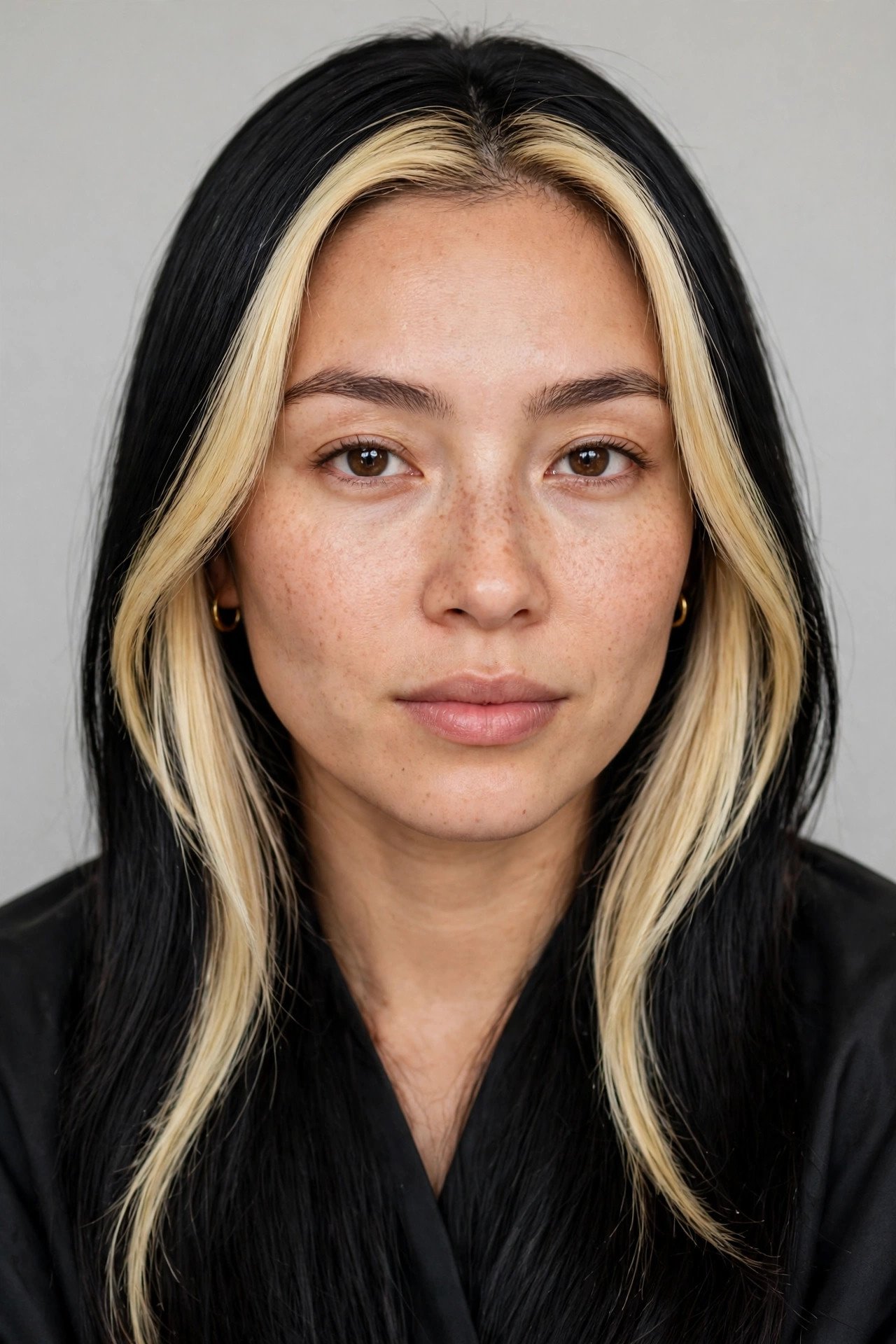
Black With Blonde Face-Framing Pieces
What it is: Dark hair with two bright blonde pieces framing the face, while the rest of the hair stays deep and glossy.
Who it suits: Anyone who wants strong contrast without coloring the whole head, and anyone curious about lighter color for the first time.
How to wear it: Wear the hair straight or in loose waves so the light pieces stay visible against the darker lengths. A middle part keeps the two sides balanced.
Pro tip: Keep the blonde pieces fairly wide, because very thin pieces can look streaky rather than intentional.
Mistake to avoid: Placing the light pieces too far back. They lose their face-framing effect when they start behind the ears.
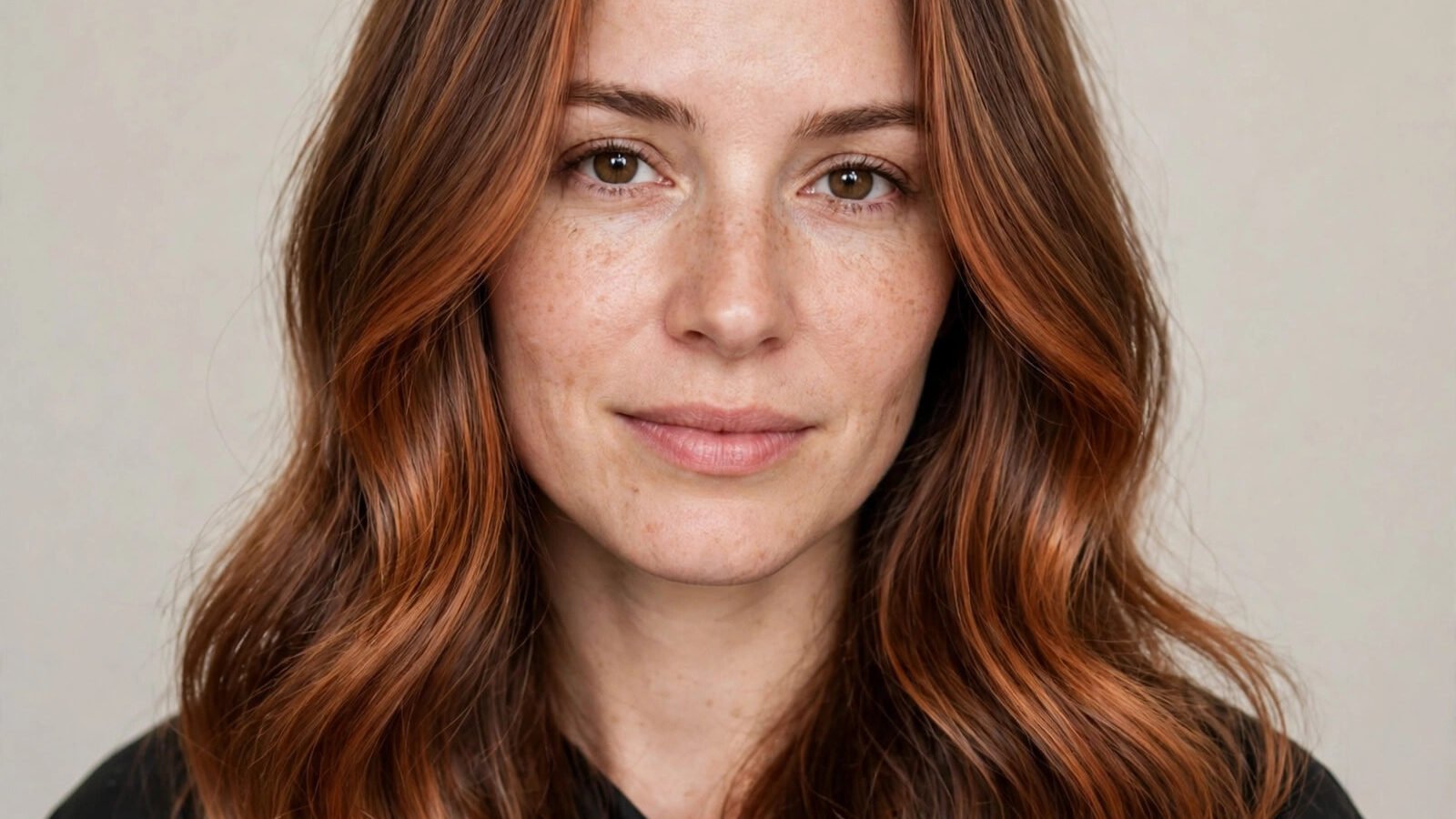
Brown With Copper Ends
What it is: A warm brown base that melts into copper through the lower lengths and ends, like light catching the tips.
Who it suits: Readers who love warm, autumn-leaning tones and want color that grows out softly with no harsh line.
How to wear it: Loose waves show the blend best, because the copper appears and disappears as the hair moves. A side part adds extra softness.
Pro tip: Ask for the copper to be blended upward in small sections, so the transition looks melted rather than dipped.
Mistake to avoid: Choosing a copper that is too orange for your brown base. A mismatch can make the two shades feel disconnected.
Split Dye, Half and Half
What it is: Hair parted down the middle, with one side colored in one shade and the other side in a clearly different shade.
Who it suits: Confident color lovers who enjoy a graphic, symmetrical look and do not mind regular root upkeep.
How to wear it: A clean center part is essential, because the parting is the design. Straight styles show the divide most clearly, while waves soften it.

Pro tip: Take a photo of your parting before your appointment, so the divide follows your natural center line.
Mistake to avoid: Wearing a deep side part with this style. It hides the symmetry and makes the color look uneven.
Peekaboo Color Under Dark Hair
What it is: A vivid or pastel shade hidden beneath a darker top layer, revealed when the hair is lifted or moves.
Who it suits: Anyone who wants color that can look subtle at work and playful at other times, all in one style.
How to wear it: Half-up styles, ponytails and braids reveal the hidden panels, while wearing the hair down keeps them mostly covered.
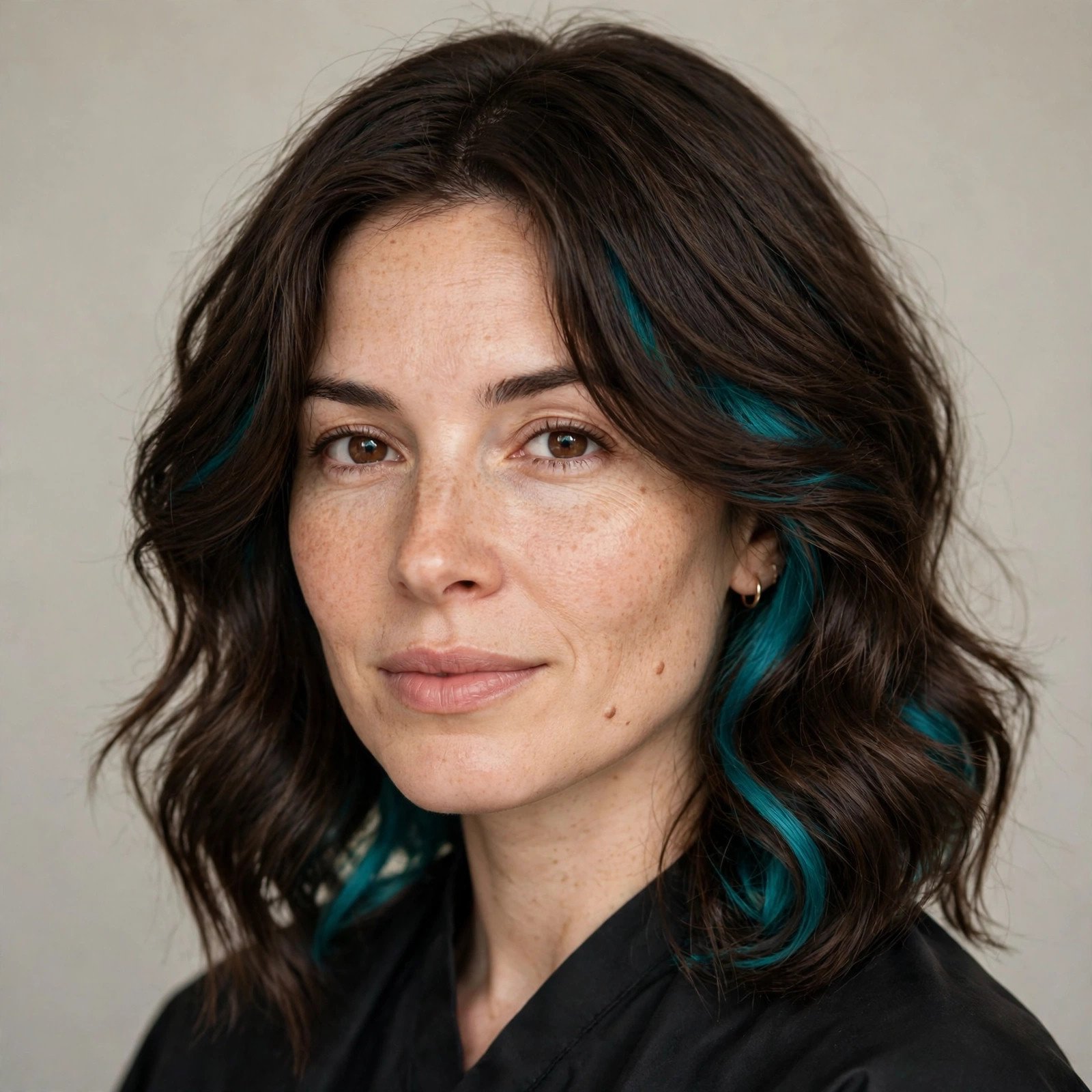
Pro tip: Choose a hidden shade that contrasts clearly with the top layer, so the reveal feels worth it.
Mistake to avoid: Coloring too thin a hidden section. A very small panel can disappear completely under thick top layers.
Honey Blonde Ombre Ends
What it is: A darker root area that gradually lightens into honey blonde ends, with no sharp line between the two shades.
Who it suits: Busy readers who want lighter hair with gentle upkeep, because the roots can grow without an obvious band.
How to wear it: Beachy waves and curls show the gradual blend beautifully. Straight hair works too, as long as the transition is well blended.
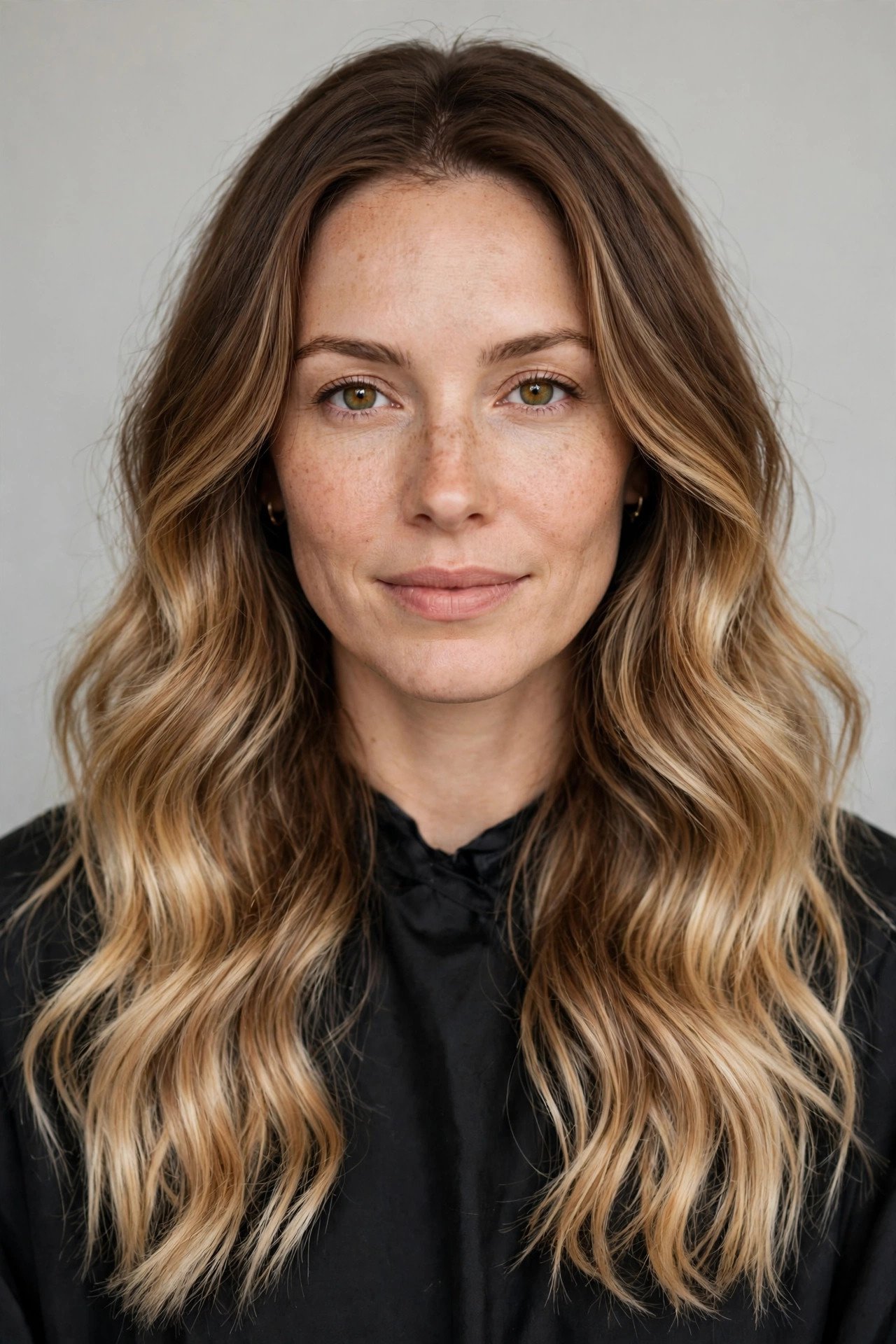
Pro tip: Keep the lightest color focused on the last few inches, which protects the softer blend near the middle lengths.
Mistake to avoid: Letting the lightening start too high without blending. A hard line halfway down is hard to fix later.
Chocolate Brown With Caramel Ribbons
What it is: A rich chocolate base with caramel ribbons woven through the front and mid-lengths for warmth and dimension.
Who it suits: Readers who want a natural, sunlit effect and a gentle first step into lighter color.
How to wear it: Soft curls help the ribbons catch the light. This pairing also looks lovely in a low ponytail with a few pieces left loose.
Pro tip: Concentrate more ribbons around the face and fewer at the back, for a brighter effect where it matters most.
Mistake to avoid: Adding too many ribbons everywhere. When everything is light, nothing stands out, and the contrast is lost.
Pastel Pink and Lavender
What it is: Two soft pastel shades worn together, often with pink on one section and lavender on another, over a light base.
Who it suits: Readers with light or lightened hair who enjoy gentle, playful color and do not mind frequent refreshing.
How to wear it: Loose curls and waves blend the two pastels softly at the edges. A half-up style shows both shades at once.
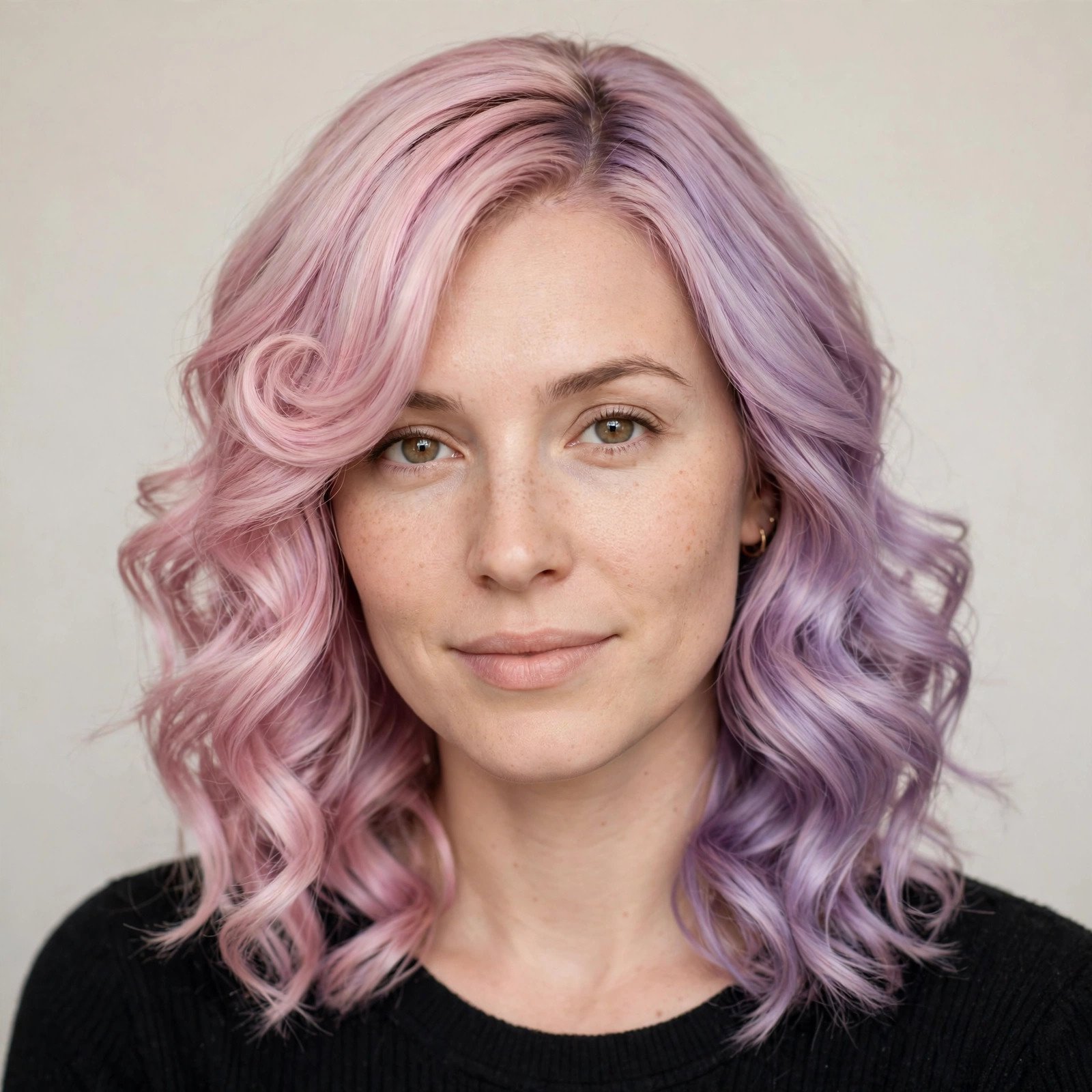
Pro tip: Keep the two pastels at a similar depth, so neither shade overpowers the other.
Mistake to avoid: Expecting pastels to last like deeper colors. Pastel tones fade quickly, so plan for regular refresh appointments.
Red and Black Contrast
What it is: Deep black hair paired with vivid red panels, ends or a bold underlayer for a dramatic, high-contrast finish.
Who it suits: Readers who love strong, confident color and warm red tones against a dark base.
How to wear it: Sleek, straight styles make the contrast look sharp and deliberate. A tucked-behind-the-ear style reveals an underlayer nicely.
Pro tip: Decide early whether the red sits on top or underneath, because the two placements give very different levels of drama.
Mistake to avoid: Washing the two shades together carelessly at first. Red can bleed onto lighter or freshly washed sections, so rinse gently.
Blonde Top With Dark Underneath
What it is: Lighter hair on the top layer with a darker shade underneath, adding depth at the nape and through the lower layers.
Who it suits: Fine hair that needs visual depth, and anyone who likes contrast that shows most in updos and ponytails.
How to wear it: Ponytails, buns and half-up styles reveal the darker layer underneath. Worn down, the contrast peeks through the ends.
Pro tip: Keep the dark underlayer one or two shades deeper than the top, unless you want a very bold effect.
Mistake to avoid: Making the underneath section too large. A smaller section keeps the look balanced and the top layer bright.
Ash Brown With Silver Pieces
What it is: A cool ash brown base brightened with silver or pale grey pieces, usually around the face and through the front.
Who it suits: Readers who prefer cool tones and a calm, modern finish, including those blending early grey hairs.
How to wear it: Smooth, straight styles show the cool tones clearly. Gentle waves work too and soften the contrast a little.
Pro tip: Cool shades can fade toward warmer tones over time, so ask your colorist about upkeep for keeping the ash finish.
Mistake to avoid: Pairing silver pieces with a warm golden base. Warm and cool tones side by side can look muddy.
Golden Blonde With Light Brown Low Panels
What it is: Bright golden blonde hair deepened with light brown panels placed low, adding shadow and movement.
Who it suits: Blonde readers who feel their color looks flat and want dimension without going fully darker.
How to wear it: Layered cuts show the low panels well, because the layers lift and reveal the deeper shade. Waves add even more movement.
Pro tip: Place the brown panels where your hair naturally falls heaviest, usually underneath and toward the back.
Mistake to avoid: Placing dark panels too close to the face. They can cast shadow where most people prefer brightness.
Between appointments, these simple at-home hair gloss tips can help colored hair keep its shine and tones looking fresh for longer.
Brunette With a Single Bold Streak
What it is: Natural brunette hair with one clear streak of a contrasting shade, such as blonde, red or a vivid color, placed to one side.
Who it suits: Cautious first-timers and anyone who wants a small, easy-to-change touch of color.
How to wear it: Place the streak where you naturally part or tuck your hair, so it stays visible. It works on almost any length.
Pro tip: A streak about an inch wide reads clearly without taking over the whole style.
Mistake to avoid: Hiding the streak under thick layers. If it cannot be seen, the effect is lost, so check placement in a mirror first.
Simple Care for Color-Treated Hair
Color-treated hair is happiest with gentle handling. Wash with lukewarm rather than very hot water, and try to leave a little more time between washes when you can. A basic understanding of the structure of hair helps explain why lightened hair can feel drier than untreated hair.
Use products made for colored hair, and be gentle when hair is wet, because wet hair stretches and breaks more easily. Pat rather than rub with a towel, and detangle slowly from the ends upward. Heat styling on a lower setting, with breaks between uses, is kinder than daily high heat.
Sun, chlorine and salt water can shift color over time, so a hat or a rinse with clean water before swimming is a simple kindness. Regular small trims keep ends tidy, which matters more when ends carry a second color. With steady, simple care, a two-toned style keeps its contrast and shine for much longer.
For dressed-up days, these pretty winter hair braid styles show braids that reveal hidden and underneath color beautifully, with no heat needed.
Frequently Asked Questions
How long does two toned hair take at a salon?
Timing depends on your starting color, the shades you choose and whether lightening is involved. A small face-framing change is usually quicker than a full split-dye look. Your colorist can give a realistic estimate after seeing your hair in person.
Does two-toned color damage hair?
Any color process can affect how hair feels, and lightening tends to have the biggest effect. Healthy-feeling results depend on hair condition, gentle processing and good aftercare. A professional colorist can advise on lightening and hair condition for your hair type.
Which two-toned style grows out most gently?
Styles placed at the ends, such as ombre ends and dipped copper tips, grow out most gently because the roots stay natural. Face-framing pieces also grow out softly when the contrast is gentle. Bold split dye needs the most frequent root upkeep.
Can I try two-toned color on curly hair?
Yes, two-toned color can look lovely on curls, because the color appears and disappears as curls move. Peekaboo panels and lighter ends are popular choices for curly textures. Ask your colorist to place color with your curl pattern in mind.
How do I choose between soft and bold contrast?
Think about your daily setting, your wardrobe and how much upkeep you enjoy. Soft contrast feels natural and forgiving, while bold contrast makes a clear statement and needs more maintenance. Trying a small streak or face frame first is a gentle way to decide.
Conclusion: Finding Your Favorite Two Toned Hair Look
The loveliest two toned hair looks share a few simple things: a pairing you genuinely enjoy, placement that suits your daily life, and care that keeps both shades clear. Start with the style that made you pause while reading, and talk it through with a colorist you trust. A small first step, such as face-framing pieces or lighter ends, is always a valid beginning.
When you are ready for more inspiration, explore the other beauty guides here for hair color ideas, gloss routines and seasonal styles. Two colors, chosen with care, can make an everyday hairstyle feel fresh and quietly joyful.