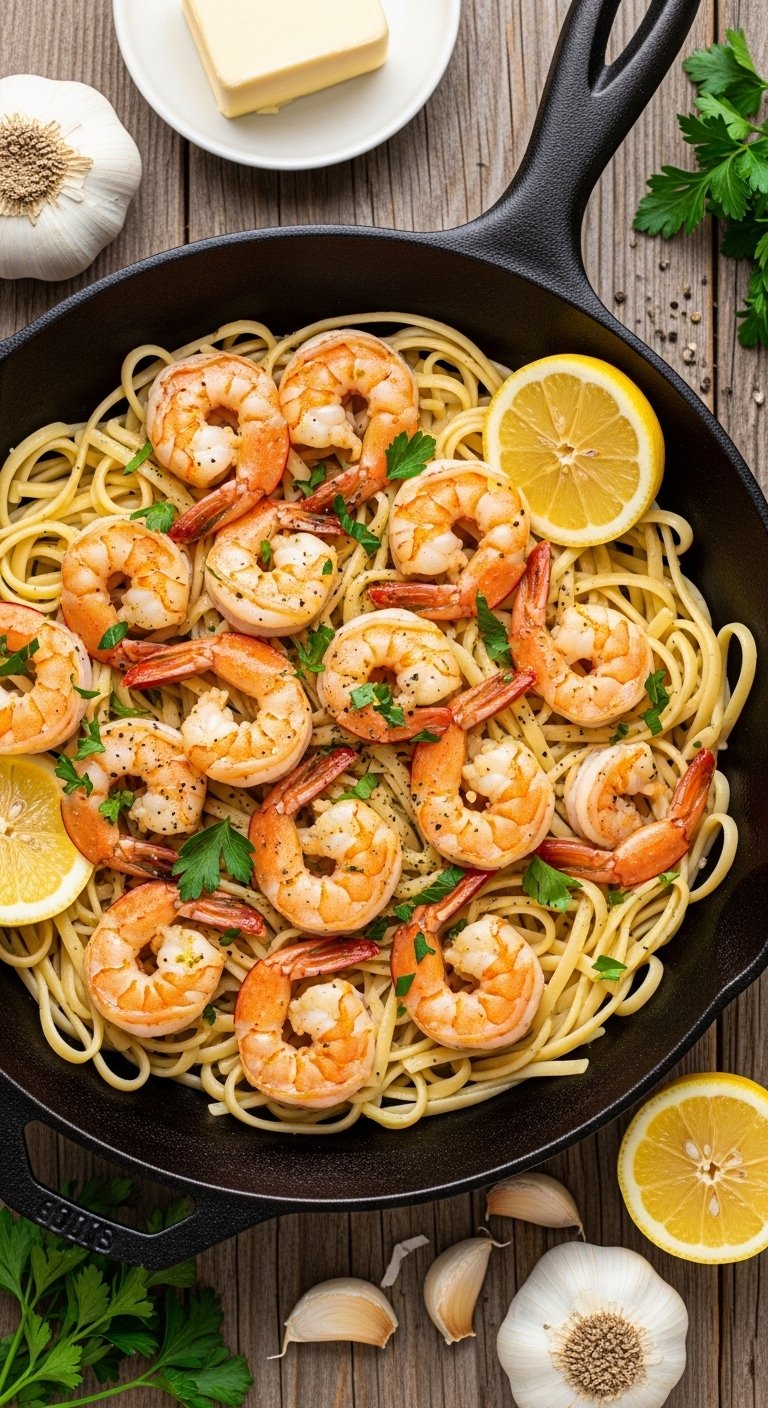
There are certain dishes that possess a kind of magic. They are the culinary equivalent of a warm hug on a cold day or a burst of sunshine on your plate. For me, that dish has always been garlic shrimp scampi. I can still vividly remember the first time I truly experienced it. I was a broke college student, and a friend’s Italian grandmother, Nonna Rosa, took pity on us. With a flourish, she slid a sizzling skillet onto the table. The aroma that hit me was intoxicating—a perfume of sizzling garlic, sweet butter, fresh parsley, and the ocean. It was simple, yet it felt like the most luxurious meal I had ever eaten. That single bite of tender shrimp in that glorious, garlicky butter sauce was a revelation. It wasn’t just food; it was an emotion.
That, my friends, is the power of a perfect garlic shrimp scampi. It’s a dish that sounds fancy, tastes restaurant-quality, but is shockingly simple to make at home. Whether you are looking for a quick weeknight dinner that feels special, an impressive dish for a date night, or just a way to satisfy a craving for something rich and satisfying, this is your recipe.
In this comprehensive guide, we are not just going to throw ingredients in a pan. We are going to embark on a journey. We’ll explore the nuances of selecting the best shrimp, demystify the difference between “scampi” the dish and “scampi” the animal, and, most importantly, provide you with a foolproof, step-by-step guide to creating the most memorable garlic shrimp scampi of your life. By the end, you won’t just be convinced to make it; you’ll be racing to the kitchen to gather your ingredients.
What Exactly is Garlic Shrimp Scampi? Unraveling the Mystery
Before we dive into the cooking, let’s clear up a common point of confusion. The word “scampi” itself is a bit of a chameleon. In its original form, particularly in Italy, “scampi” refers to a specific type of small lobster or langoustine (Nephrops norvegicus). Think of it as a tiny, delicious cousin of the lobster.
However, when Italian immigrants brought their culinary traditions to the United States, they often found that langoustines weren’t readily available. What they did have in abundance was shrimp. Being the resourceful cooks they were, they began preparing shrimp in the same classic style they would have used for scampi: sautéed with a generous amount of garlic, butter, white wine, and parsley.
Over time, this preparation became so popular that the name of the cooking method stuck to the protein. So, when we say garlic shrimp scampi, we are essentially saying “shrimp, prepared in the style of scampi.” It’s a beautiful example of how food evolves and adapts. The dish we know and love today is a proud Italian-American creation, a delicious testament to culinary ingenuity.
Why This Dish Deserves a Starring Role in Your Kitchen
You might be wondering, “With millions of recipes online, why should this one, and this dish, command my attention?” The answer is simple: garlic shrimp scampi is the perfect dish. Here’s why:
- Incredibly Fast: From the moment you start heating your pan to the moment you’re twirling pasta around your fork, you’re looking at about 15-20 minutes. It’s the ultimate “I want something amazing, but I don’t want to spend all night doing it” meal.
- Deceptively Simple Ingredients: The magic comes from just a handful of pantry and fridge staples. You likely already have butter, garlic, olive oil, salt, and pepper. A quick trip for fresh shrimp, parsley, and a lemon, and you’re in business.
- Naturally Impressive: There’s a reason this is a staple on so many restaurant menus. It feels elegant. The sizzling shrimp, the fragrant garlic butter, the vibrant green parsley—it’s a feast for the senses before you even take a bite. Serving this tells your guests, “I care about you and the food I’m making.”
- Unbelievably Versatile: While perfect on its own with crusty bread, garlic shrimp scampi is a team player. Toss it with pasta (like linguine or angel hair), serve it over creamy polenta, spoon it over rice, or even use it as a topping for crostini. The possibilities are endless.
The Best Shrimp for Scampi: A Buyer’s Guide to Confidence
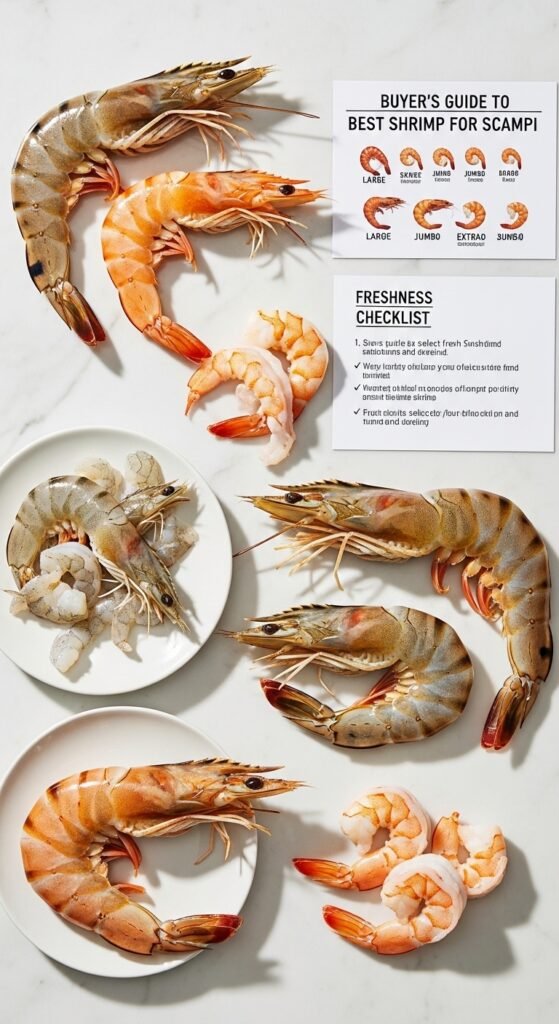
This is the most crucial step. The success of your garlic shrimp scampi hinges on the star of the show: the shrimp. Buying shrimp can feel overwhelming, but it doesn’t have to be. Here’s your cheat sheet to buying with absolute confidence, ensuring you get the best shrimp for scampi.
Fresh or Frozen? The Honest Truth
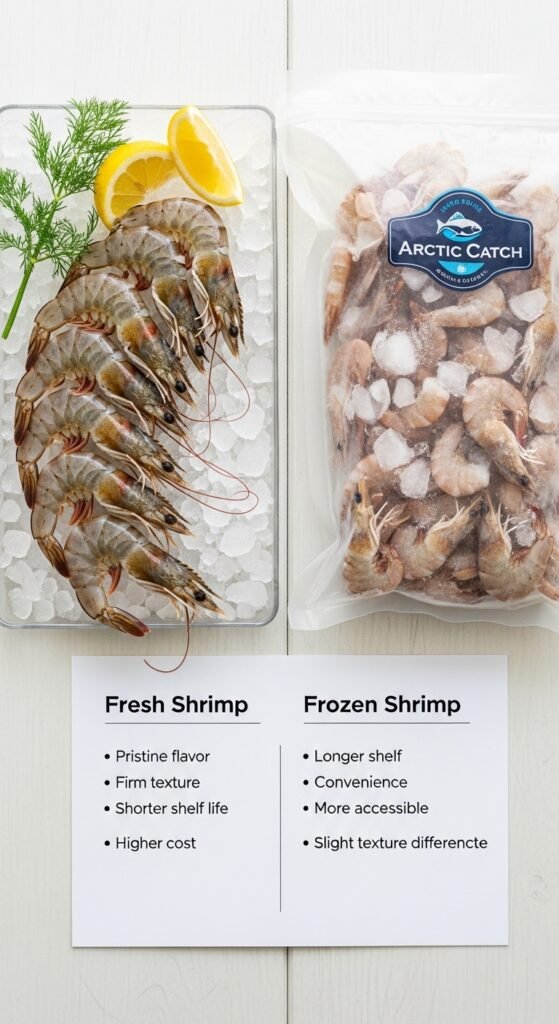
Let’s settle this debate right now: Unless you live on a fishing boat, buy frozen shrimp for scampi. I cannot stress this enough. “Fresh” shrimp at the seafood counter has almost always been previously frozen on the boat to preserve its quality and then thawed for display. You have no idea how long it’s been sitting there. By buying frozen, you have complete control. You can thaw them yourself right before cooking, ensuring peak freshness and texture. Look for bags of frozen, raw shrimp. They are your best friend.
Also Read: The Ultimate Guide to Creamy Lemon Chicken – A Restaurant-Quality Dish You Can Master at Home
The Key Specs: Size and Count (The “U/” Number)
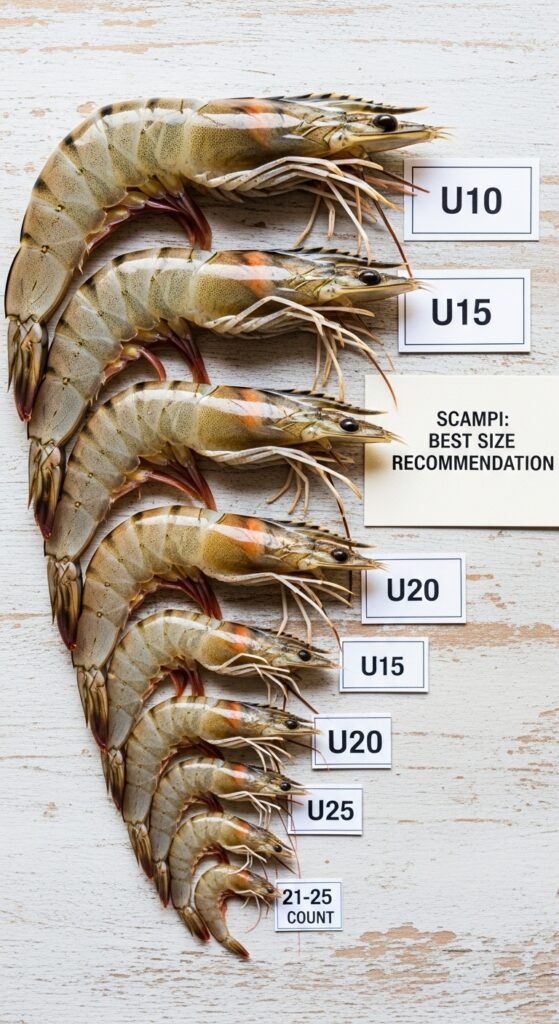
You’ll often see shrimp labeled with a count, like “16/20” or “21/25.” This is the number of shrimp you’ll get per pound. The smaller the number, the larger the shrimp.
- For garlic shrimp scampi, I highly recommend using large (31/35) to jumbo (16/20) shrimp. They are substantial enough to be the centerpiece of the dish, hold up well to the heat, and feel satisfying to eat. Smaller shrimp can overcook in a flash and get lost in the sauce.
Wild-Caught vs. Farm-Raised
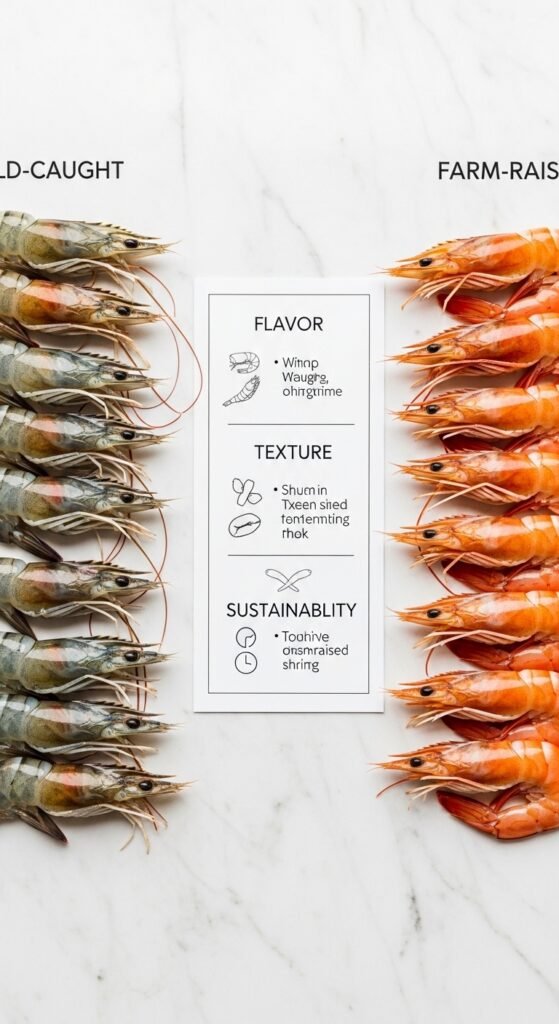
This is a personal and environmental choice.
- Wild-Caught: Generally has a sweeter, more complex flavor and a firmer texture. It’s also a more sustainable choice if you look for certifications like the Marine Stewardship Council (MSC) label. Popular wild-caught options from the US include Gulf shrimp or Pacific shrimp.
- Farm-Raised: Can be a more affordable and readily available option. The quality varies greatly, so it’s important to look for responsible farming practices. If buying farmed, look for shrimp raised in eco-friendly, closed-loop systems, often indicated by certifications.
My advice to buy with confidence: When you’re at the store, head to the freezer aisle. Pick up a bag of raw, wild-caught, large (21/25 or 16/20) shrimp from a reputable brand. Read the ingredients—it should say “shrimp” and possibly “salt.” That’s it. This purchase is the foundation of your incredible meal.
The Perfect Lemon Butter Garlic Sauce: Building the Supporting Cast
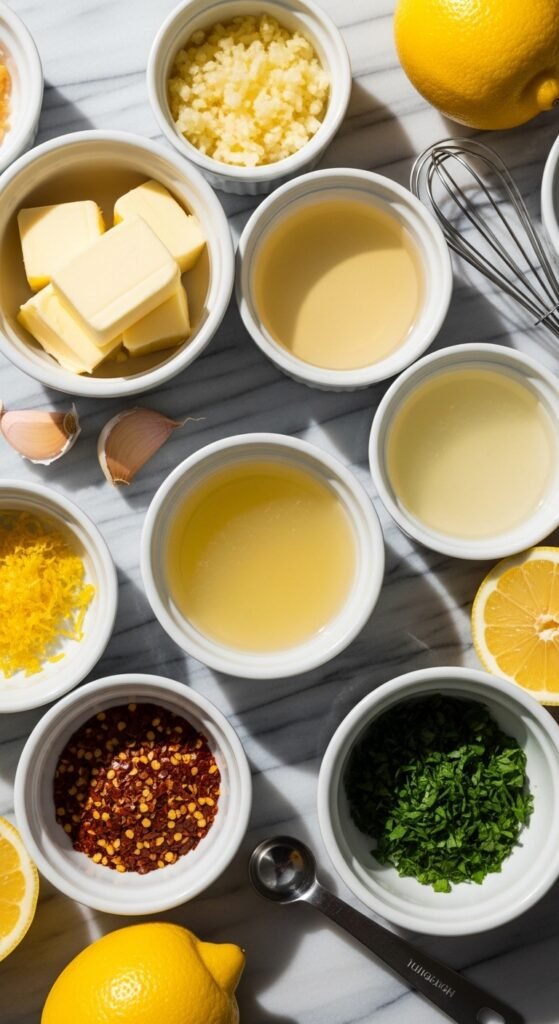
With your shrimp sorted, let’s assemble the rest of the team. Each player has a vital role in creating the symphony of flavors that is the perfect lemon butter garlic sauce. This sauce is the soul of the dish.
- Unsalted Butter: This is non-negotiable. Unsalted butter allows you to control the salt level of your dish. It provides the rich, creamy, velvety body that makes the sauce so decadent. Don’t skimp on quality; use a good European-style butter for an even richer flavor.
- Extra Virgin Olive Oil: We use a combination of butter and olive oil. Why? Butter has a lower smoke point and can burn. The olive oil raises the smoke point of the fat mixture, allowing you to cook the garlic without it turning bitter. Plus, it adds its own fruity, peppery notes.
- Fresh Garlic: This is the heart and soul of the dish. Please, I beg you, do not use the pre-minced garlic in a jar. It has a harsh, raw flavor and lacks the sweet, mellow pungency of fresh garlic. You will need at least 4-6 cloves, thinly sliced or finely minced. The thin slicing allows it to perfume the oil without burning as easily as tiny mince.
- Dry White Wine for Scampi: The wine adds a crucial layer of acidity and complexity. It deglazes the pan, lifting all those delicious browned bits (the fond) from the bottom, and its sharpness cuts through the richness of the butter. Choosing the right white wine for scampi is important. Pick a wine you would actually drink, like a Pinot Grigio, Sauvignon Blanc, or an unoaked Chardonnay.
- Fresh Lemon Juice: The bright, citrusy zing is the yin to the butter’s rich yang. It wakes up the entire dish and balances the flavors. You’ll need both the juice and the zest for maximum impact.
- Fresh Parsley: Flat-leaf Italian parsley is preferred. Its fresh, slightly peppery, and clean flavor provides a necessary contrast and a beautiful pop of green color. Save the curly parsley for a garnish; flat-leaf is for cooking.
- Red Pepper Flakes (Optional but Recommended): A pinch of heat adds a wonderful background warmth that complements the garlic and seafood without making the dish spicy.
- Salt and Freshly Ground Black Pepper: Essential for seasoning the shrimp and building the flavor of the sauce.
An Easy Garlic Shrimp Scampi Recipe: Step-by-Step to Perfection
Alright, let’s get cooking. This is the moment you’ve been waiting for: an easy garlic shrimp scampi recipe that delivers restaurant-quality results. Put on your favorite music, pour yourself a glass of that white wine (you bought a bottle, right?), and let’s create some magic. This guide is designed to be foolproof.
Yields: 4 servings
Prep time: 10 minutes
Cook time: 8-10 minutes
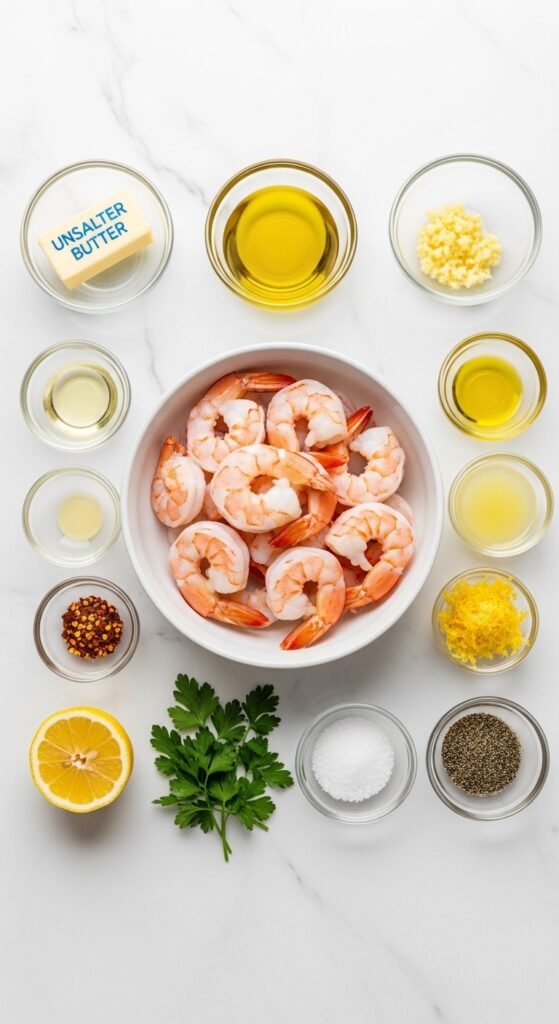
Ingredients:
- 1 ½ lbs large raw shrimp, peeled and deveined (tails on or off – your choice!)
- 1 teaspoon kosher salt, plus more to taste
- ½ teaspoon freshly ground black pepper
- 4 tablespoons unsalted butter
- 2 tablespoons extra virgin olive oil
- 4-6 large cloves garlic, thinly sliced
- ½ teaspoon red pepper flakes (optional)
- ½ cup dry white wine
- 1 teaspoon lemon zest (from about 1 lemon)
- 2 tablespoons fresh lemon juice
- ⅓ cup fresh Italian parsley, finely chopped
- For serving: Cooked pasta, crusty bread, or rice
Instructions:
Step 1: Prepare the Shrimp
First things first, if your shrimp are frozen, you need to thaw them properly. The best method is to place them in a colander in the sink and run cold water over them for 10-15 minutes. Once thawed, pat them completely dry with paper towels. This is a critical step! Any excess water on the shrimp will need to steam off before they can brown, and we want a nice sear, not boiled shrimp. In a bowl, toss the dry shrimp with the 1 teaspoon of salt and ½ teaspoon of pepper.
Step 2: The Sizzle and Sear
Place a large skillet or sauté pan over medium-high heat. Add the olive oil and 2 tablespoons of the butter. Swirl the pan as the butter melts. The combination of oil and butter will help prevent the butter from burning. Once the fat is shimmering and the butter has stopped foaming, carefully place the shrimp in a single layer in the pan. Don’t overcrowd the pan; if your skillet is small, cook them in two batches.
Let the shrimp sear undisturbed for about 1-2 minutes. You want a beautiful, golden-brown crust to form. Flip the shrimp and cook for another 1 minute. They should be just starting to turn pink and opaque, but not cooked all the way through. Using a slotted spoon, transfer the shrimp to a clean plate and set aside.
Step 3: The Aromatic Foundation
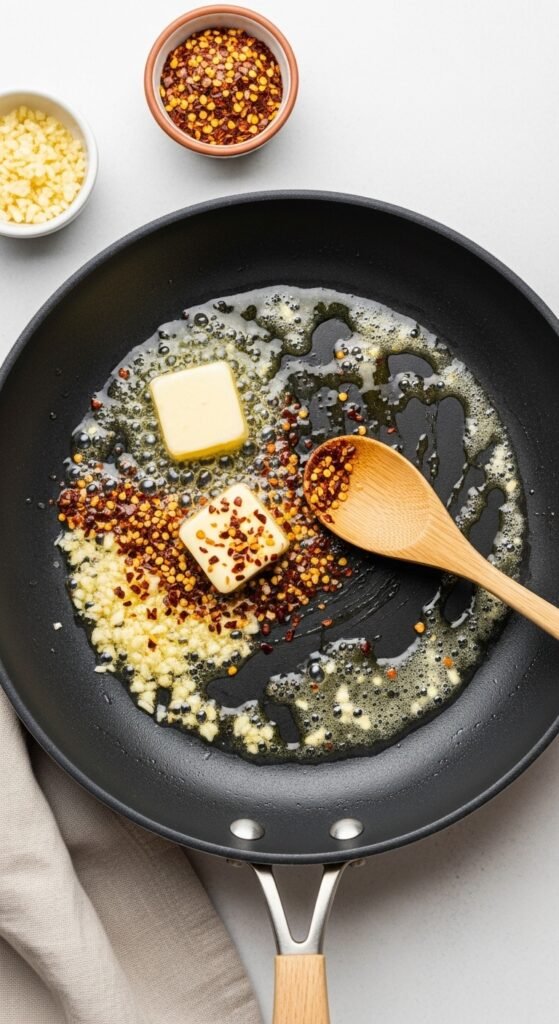
Now, reduce the heat to medium-low. The pan will be hot, and we need to be gentle to avoid burning the garlic. Add the remaining 2 tablespoons of butter to the pan. As it melts, add the sliced garlic and the red pepper flakes (if using). Sauté gently for about 1 minute, stirring constantly, until the garlic is fragrant and just barely turning golden. If it starts to brown too quickly, take the pan off the heat for a few seconds. Burnt garlic will make your dish bitter, so this is where patience pays off.
Step 4: Deglazing and Building the Sauce
This is my favorite part. Pour the white wine into the pan, standing back just a bit in case it splatters. Use a wooden spoon or spatula to scrape up all those delicious browned bits from the bottom of the pan. That, my friends, is pure flavor. Let the wine simmer for 2-3 minutes, until it has reduced by about half. The alcohol will cook off, leaving behind the wine’s fruity, acidic essence.
Step 5: The Grand Reunion
Reduce the heat to low. Add the lemon zest, lemon juice, and most of the chopped parsley (save a little for garnish). Stir to combine. Now, return the shrimp and any juices that have collected on the plate back to the pan. Toss everything together gently to coat the shrimp in that gorgeous, fragrant sauce. Let it warm through for just a minute or two, until the shrimp are pink, plump, and cooked through. Be careful not to overcook them, or they’ll become rubbery. Taste the sauce and add a final pinch of salt if needed.
Step 6: Serve Immediately
Remove the pan from the heat. Spoon the shrimp and all of that incredible sauce over your waiting pasta, into a bowl with crusty bread, or onto a bed of rice. Sprinkle with the remaining fresh parsley for a final touch of color and freshness.
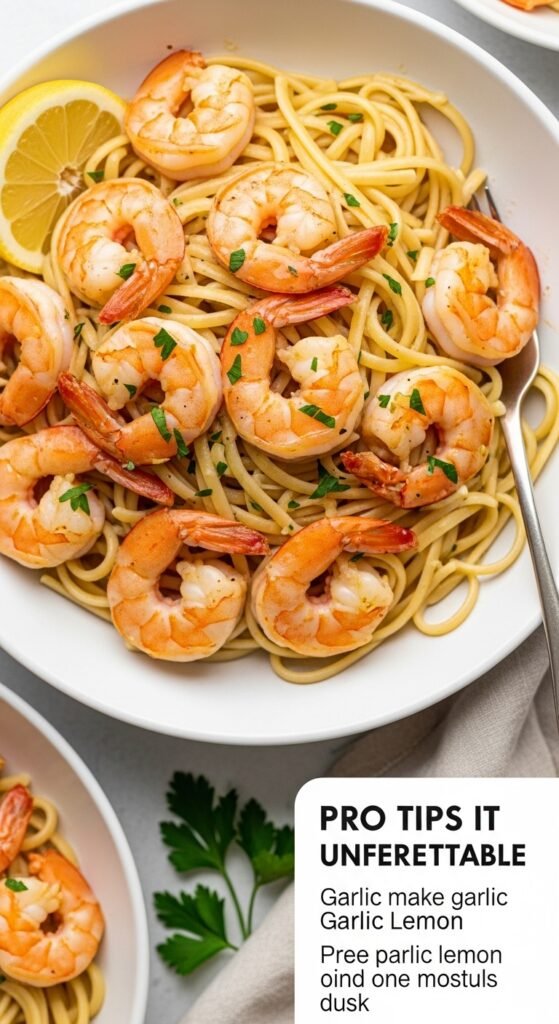
Garlic Shrimp Scampi with Pasta: Pro-Tips for an Unforgettable Dish
Taking your dish to the next level is easier than you think. Here are some insider secrets to make your garlic shrimp scampi with pasta absolutely unforgettable.
- The Pasta Water Secret: If you’re serving this with pasta, be sure to reserve about a cup of the starchy pasta water before you drain it. If your garlic shrimp scampi sauce looks a little thin after adding the shrimp, splash in a tablespoon or two of the pasta water and toss vigorously. The starch will help emulsify the butter and wine into a silky, cohesive sauce that clings perfectly to every strand.
- Make it a Meal: Turn this into a more substantial dish by adding vegetables. Cherry tomatoes, halved and thrown in with the garlic, are fantastic. A handful of fresh spinach, stirred in at the end until it wilts, adds color and nutrients.
- Don’t Fear the Leftovers (But Eat Them Soon): Garlic shrimp scampi is best enjoyed fresh, but you can store leftovers in an airtight container in the refrigerator for up to a day. To reheat, gently warm it in a skillet over low heat. Be very careful not to overheat, or the shrimp will become tough. I do not recommend freezing this dish, as the texture of the shrimp will suffer.
How to Achieve Restaurant Style Shrimp Scampi at Home
Have you ever wondered how restaurants get their scampi to taste so much better than what you usually make at home? The secret isn’t a fancy ingredient; it’s technique. Here is how you can achieve restaurant style shrimp scampi in your own kitchen.
First, they use an obscene amount of butter and garlic. Don’t be shy. Second, they sear the shrimp hard and fast to get that flavorful crust. Third, they master the pan sauce. The key is the emulsion. By swirling in cold butter at the end (a technique called mounting the butter) or by using that starchy pasta water we talked about, they create a sauce that is silky and clings to the shrimp rather than a thin, oily liquid. Finally, they season at every stage. A pinch of salt in the pasta water, on the shrimp, and a final adjustment in the sauce makes all the difference. You now have all these tools at your disposal.
Why You Will Succeed and Buy with Confidence
Remember that feeling I described at the beginning, the one from Nonna Rosa’s kitchen? That feeling of warmth, comfort, and pure deliciousness is now well within your reach. By following this guide, you aren’t just following a recipe; you are learning a fundamental cooking technique. You are learning how to balance flavors—rich butter, sharp garlic, bright lemon, briny shrimp. You are learning the importance of heat management and proper ingredient preparation.
When you go to the store to pick up your ingredients, you will do so with the confidence of a seasoned home cook. You’ll walk past the “fresh” shrimp case, knowing that the freezer aisle holds the key to freshness. You’ll select a beautiful bunch of flat-leaf parsley and a firm, bright lemon. You might even find yourself humming as you choose a nice bottle of Pinot Grigio, already picturing the glorious sauce it will help create.
This is more than just a meal. It’s an experience. It’s the joy of cooking something simple that tastes spectacular. It’s the pride of serving a dish that makes your family and friends close their eyes in appreciation. It’s the satisfaction of knowing you created something beautiful from a handful of humble ingredients.
So go ahead. Buy that bag of shrimp with confidence. Buy that butter and that garlic. You are not just buying groceries; you are investing in a memorable meal. You are buying the ingredients for a story, a feeling, a little bit of magic. You are buying the key to the perfect garlic shrimp scampi. Now, go make it, and create your own delicious memory.