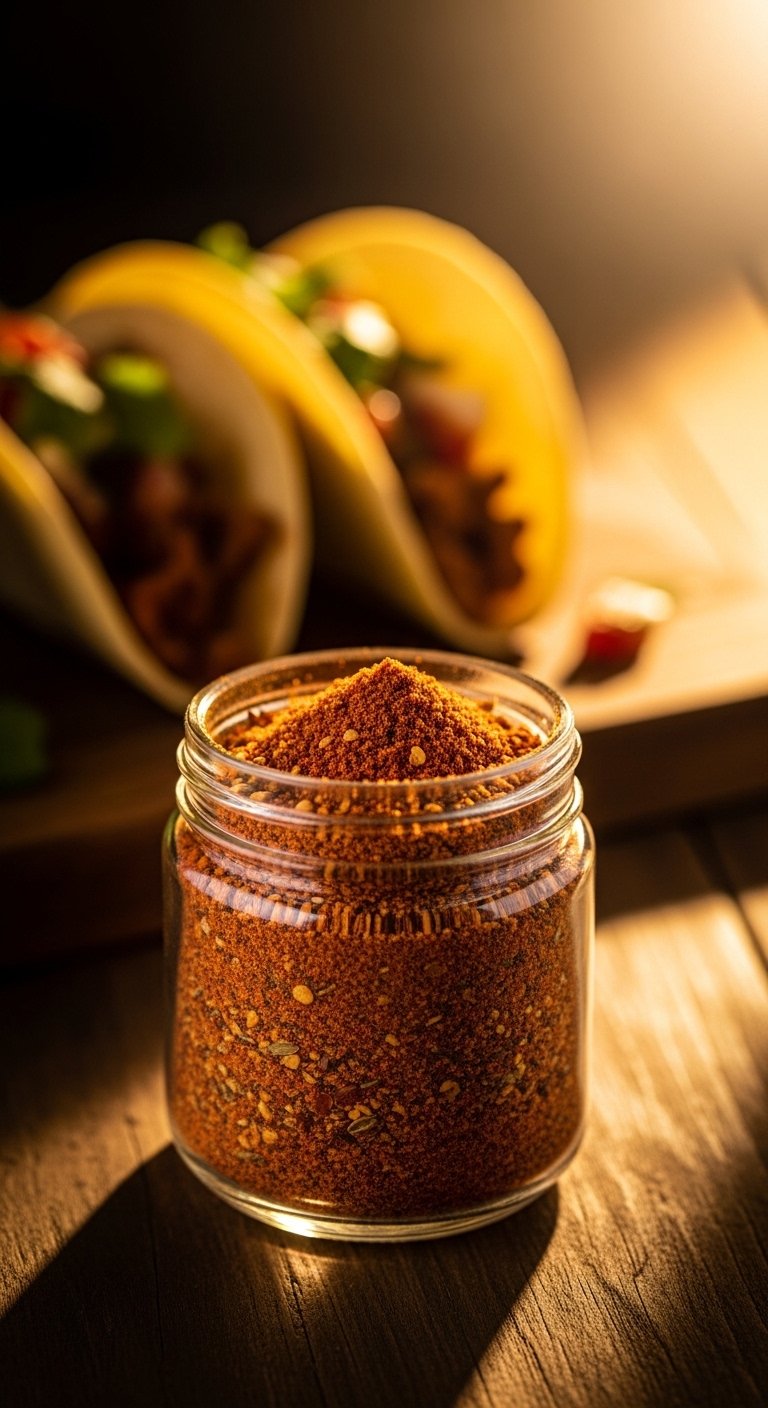
Have you ever stood in the grocery aisle, staring at those little packets of taco seasoning, wondering what mysterious ingredients lurk inside? I certainly have. Let me take you back to a Tuesday night about five years ago. I was rushing to make tacos for my family, grabbed that familiar orange packet, and didn’t think twice. But when my daughter asked, “Mom, why does this taste like dusty cardboard?” I knew something had to change. That’s when I discovered the magic of a homemade taco seasoning recipe – and trust me, I’ve never looked back.
In this comprehensive guide, I’ll walk you through everything you need to know about creating your own taco seasoning from scratch. We’re talking about a spice blend that will transform your Taco Tuesdays, save you money, and impress everyone at your dinner table. By the end of this article, you’ll not only master the perfect homemade taco seasoning recipe, but you’ll also feel confident buying the highest quality ingredients to make it yourself. So grab a cup of coffee, get comfortable, and let’s dive into the wonderfully aromatic world of DIY Mexican seasoning.
Why Bother Making Your Own Taco Seasoning?

Before we jump into the step‑by‑step guide, let me share a quick story. My friend Sarah used to swear by those store‑bought packets. She’d buy them in bulk from a big‑box store, thinking she was saving time and money. Then one day, she read the ingredient label. Maltodextrin, silicon dioxide, natural flavors (whatever that means), and a shocking amount of sodium. She called me, frustrated, saying, “I’ve been feeding my family chemicals instead of real food!” That’s when she asked for my homemade taco seasoning recipe.
Here’s the honest truth: making your own taco seasoning is ridiculously easy, incredibly affordable, and so much healthier. Let me break down the benefits for you.
Health Benefits You Can’t Ignore

Most commercial taco seasoning packets are loaded with:
- Anti‑caking agents like silicon dioxide (basically sand)
- Artificial colors to achieve that unnaturally bright orange hue
- Preservatives to extend shelf life for years
- Excess sodium – we’re talking 300–400 mg per serving
- Hidden sugars and MSG in many brands
When you use a homemade taco seasoning recipe, you control every single ingredient. No fillers. No preservatives. Just pure, aromatic spices the way nature intended. Moreover, you can adjust the salt content to your family’s needs. For instance, my husband has high blood pressure, so I use half the salt called for in most recipes. You simply cannot do that with a pre‑made packet.
The Cost Savings Will Surprise You

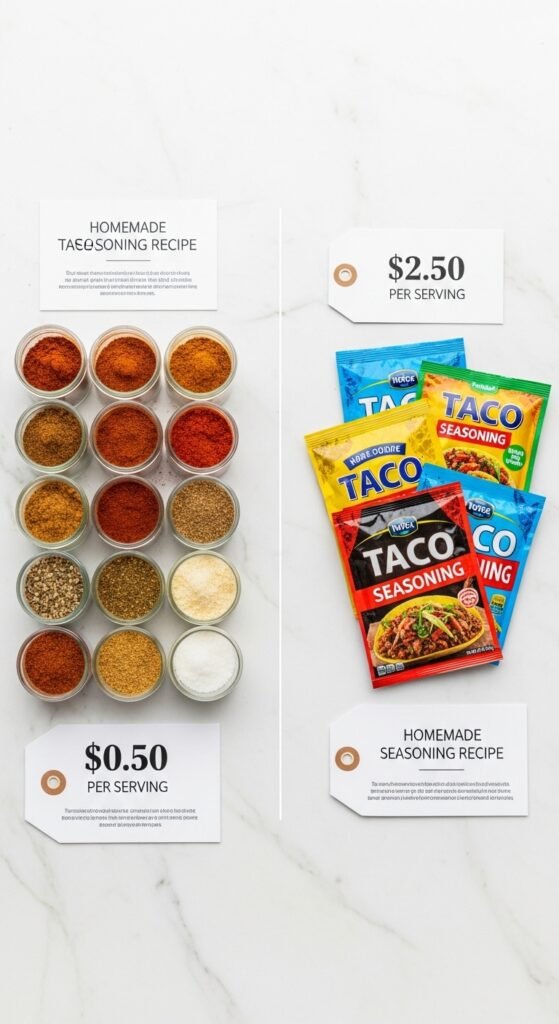
Let’s talk numbers because I love saving money. A typical store‑bought taco seasoning packet costs around $1.50 to $2.00 for about 1 ounce (roughly 2 tablespoons). Meanwhile, making your own homemade taco seasoning costs pennies – literally. Here’s a quick calculation:
- Cumin (bulk): $0.10 per tablespoon
- Chili powder (bulk): $0.08 per tablespoon
- Paprika (bulk): $0.07 per tablespoon
- Garlic powder (bulk): $0.05 per tablespoon
- Onion powder (bulk): $0.05 per tablespoon
- Oregano, salt, pepper: negligible
Total cost for 2 tablespoons of homemade taco seasoning? About 35 to 50 cents. That’s a 70% to 75% savings! Furthermore, when you buy spices in bulk or from quality sources, the savings multiply. I’ll show you exactly where to buy the best spices later in this article so you can shop with confidence.
Taste That Transforms Your Cooking
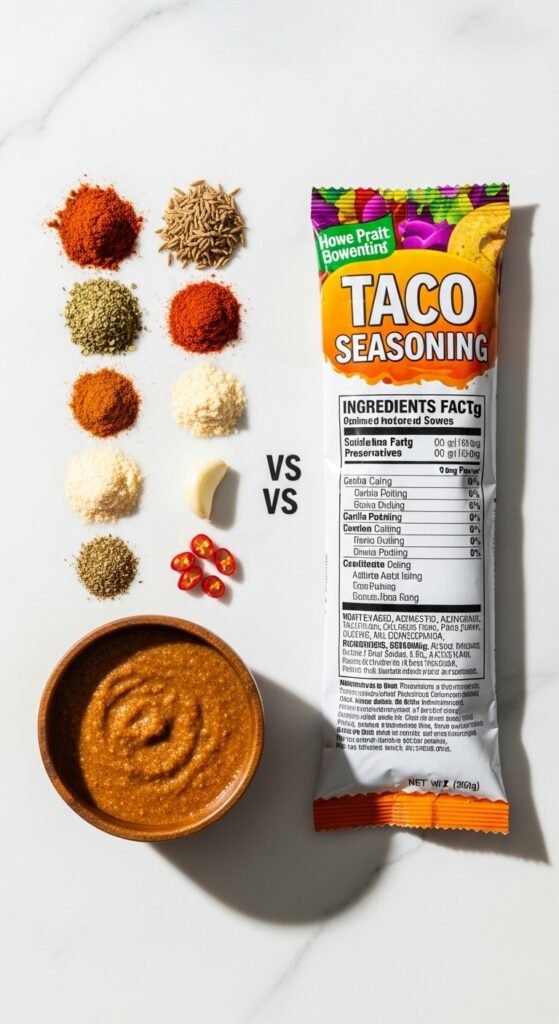
Nothing – and I mean nothing – compares to the bright, complex flavor of freshly mixed taco seasoning. Store‑bought versions often taste flat or overly salty because they use cheaper ingredients and fillers. On the other hand, homemade taco seasoning allows you to:
- Toast whole spices before grinding (game‑changer!)
- Adjust the heat level from mild to five‑alarm fire
- Add unique touches like smoked paprika or chipotle powder
- Create large batches for meal prep and batch cooking
I remember the first time I used my own spice blend for tacos. My family sat in stunned silence for a moment, then my son said, “Did you get this from a restaurant?” That’s the power of fresh homemade taco seasoning.
Also Read :The Ultimate Guide to Finding and Making the Best Tuna Melt Sandwich of Your Life
The Essential Spices for Your Homemade Taco Seasoning Recipe
Now, let’s get into the heart of the matter. A perfect homemade taco seasoning recipe relies on a careful balance of spices. Think of it like a symphony – each instrument (spice) plays a unique role, and when they come together, magic happens. Below, I’ve detailed each essential ingredient, including why it matters and what to look for when buying.
Chili Powder – The Foundation

Chili powder is the backbone of any taco seasoning. However, not all chili powders are created equal. Most grocery store brands are actually a blend containing cumin, oregano, garlic powder, and sometimes cayenne. For the best homemade taco seasoning recipe, I recommend using pure ancho chili powder or a blend of New Mexico chili powder. These varieties offer a rich, slightly sweet, earthy flavor without excessive heat.
What to look for when buying: A deep, brick‑red color and a sweet, raisin‑like aroma. Avoid powders that look brownish or smell dusty. Quality chili powder should smell fruity and slightly smoky.
Ground Cumin – The Warmth
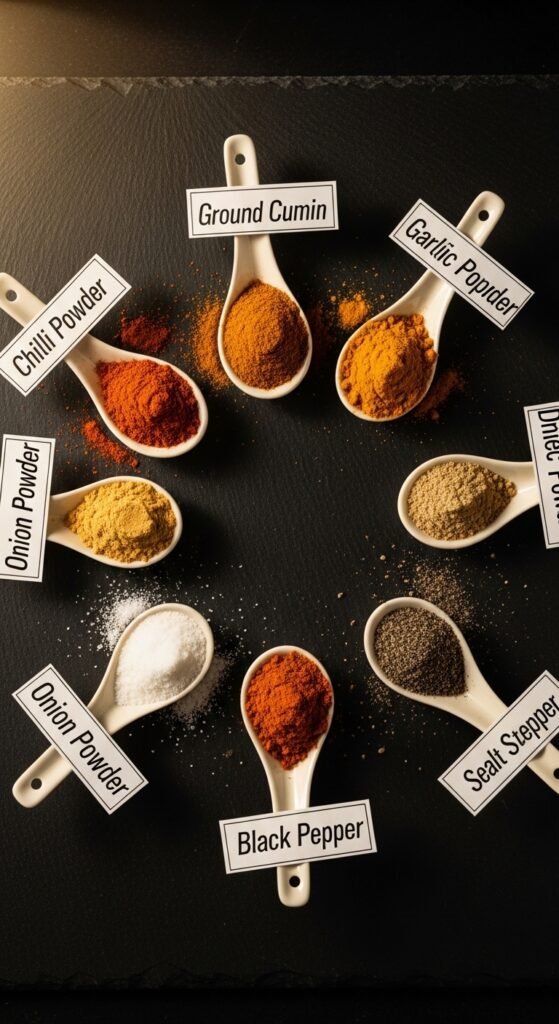
Ground cumin adds that distinctive earthy and nutty flavor profile that screams Mexican cuisine. Without cumin, your taco seasoning would taste flat and one‑dimensional. I like to buy whole cumin seeds and grind them fresh in a coffee grinder (dedicated to spices, of course). The difference is astonishing.
Anecdote time: The first time I ground my own cumin, my kitchen smelled so intoxicating that my neighbor knocked on the door and asked what I was cooking. We ended up having an impromptu taco party that night!
What to look for when buying: Whole cumin seeds should be uniform in color, ranging from amber to brown, with a strong, pungent aroma. Pre‑ground cumin should smell potent – if it doesn’t have a strong smell, it’s old and won’t add much flavor.
Paprika – The Color and Sweetness
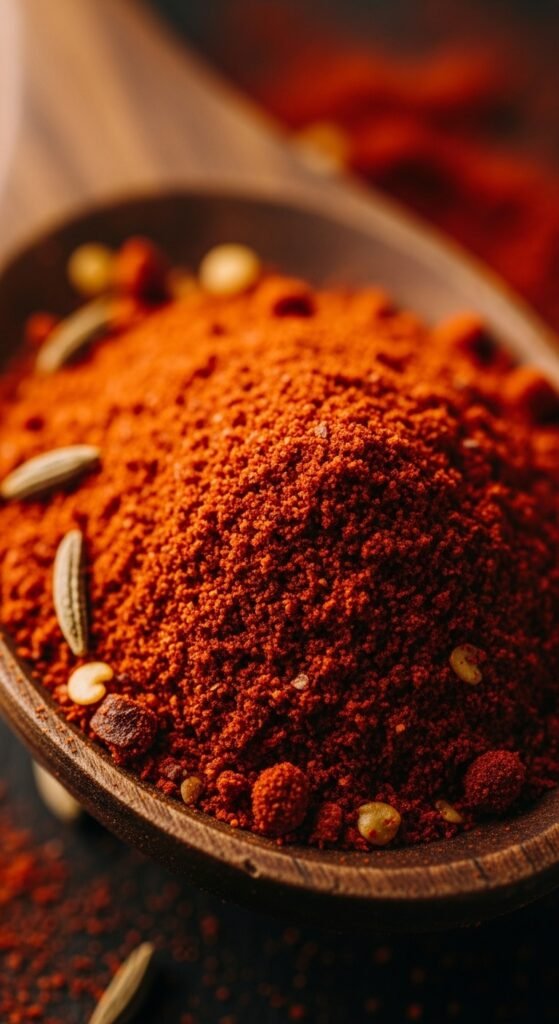
Paprika does two beautiful things for your homemade taco seasoning: it adds that gorgeous reddish‑orange color and provides a subtle sweetness. I prefer smoked paprika for an extra layer of complexity, but regular sweet paprika works wonderfully too. Hot paprika is also an option if you want gentle heat without the sharp bite of cayenne.
What to look for when buying: Bright, vibrant red color. Hungarian or Spanish paprika are generally the highest quality. Smell should be sweet and peppery. If it’s smoked paprika, you’ll detect a pleasant campfire aroma.
Garlic Powder – The Savory Punch

Garlic powder adds that irresistible savory depth. However, there’s a huge difference between garlic powder and garlic salt. For this homemade taco seasoning recipe, you want pure garlic powder with no added salt. Granulated garlic also works, though it has a slightly coarser texture.
Pro tip: Never use dehydrated minced garlic as a substitute. It won’t dissolve properly into your dish, leaving you with unpleasant hard bits. Stick with fine garlic powder.
What to look for when buying: Pale beige color, fine texture, and a strong, pungent garlic aroma. If it smells musty or has yellowed, it’s past its prime.
Onion Powder – The Sweet Undertone
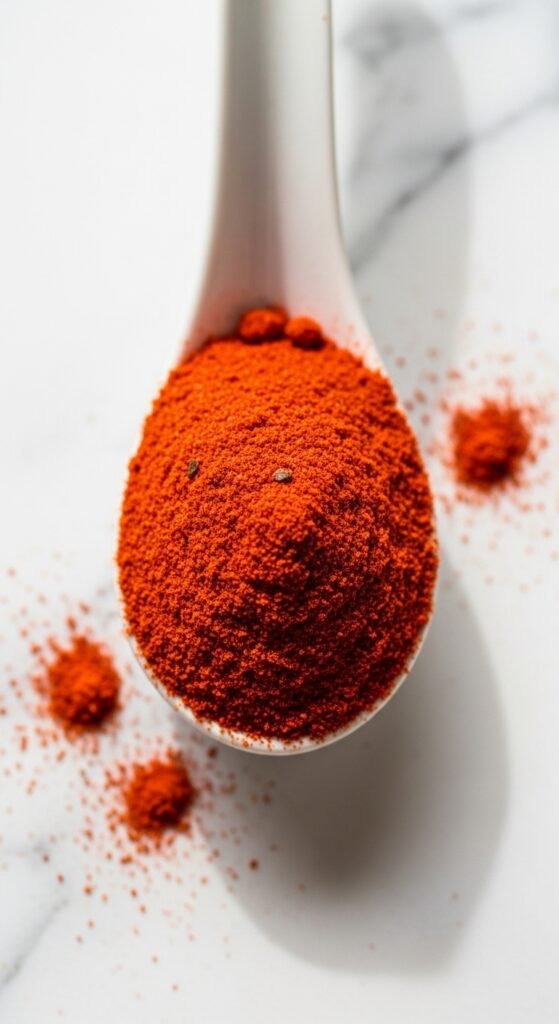
Onion powder works in harmony with garlic powder to build a savory foundation. It adds a subtle sweetness that balances the heat from chili and cayenne. Like garlic powder, make sure you’re buying pure onion powder, not onion salt.
What to look for when buying: Light tan to cream color, fine powder consistency. Aroma should be sweet and onion‑like, never sour.
Dried Oregano – The Herbal Note

Most people don’t realize that Mexican oregano is different from the Mediterranean oregano you find in Italian seasoning. Mexican oregano has a more earthy, slightly citrusy flavor that pairs beautifully with chili and cumin. However, regular dried oregano works perfectly fine in a pinch.
What to look for when buying: For the authentic experience, seek out Mexican oregano at Latin grocery stores or online. It has broader, less fuzzy leaves than Mediterranean oregano. The aroma is reminiscent of licorice and citrus.
Sea Salt – The Flavor Enhancer

Salt is non‑negotiable. It doesn’t just make things salty – it amplifies all the other flavors. I recommend fine sea salt because it dissolves evenly. Kosher salt also works, but you’ll need to adjust the quantity since kosher salt is less dense. Avoid iodized table salt – it has a metallic aftertaste that ruins your homemade taco seasoning.
What to look for when buying: Pure sea salt or Himalayan pink salt. No anti‑caking agents or added iodine. The texture should be fine to medium.
Black Pepper – The Gentle Kick

Freshly ground black pepper adds a mild heat and floral complexity. While you can use pre‑ground, I strongly encourage you to grind your own. The difference is night and day. Pre‑ground pepper loses its volatile oils quickly, becoming dusty and one‑dimensional.
What to look for when buying: Whole black peppercorns (Tellicherry or Malabar varieties are excellent). Grind only what you need for your homemade taco seasoning recipe.
Optional Additions to Customize Your Spice Blend
One of the greatest advantages of a homemade taco seasoning recipe is the ability to tailor it to your preferences. Below are my favorite optional ingredients.
Cayenne Pepper – For Fiery Heat
If you like your tacos spicy, cayenne pepper is your best friend. Start with ¼ teaspoon per batch and adjust upward. Cayenne provides pure heat without altering the flavor profile significantly. For a smoky heat, try chipotle powder instead.
Smoked Paprika – The Campfire Element
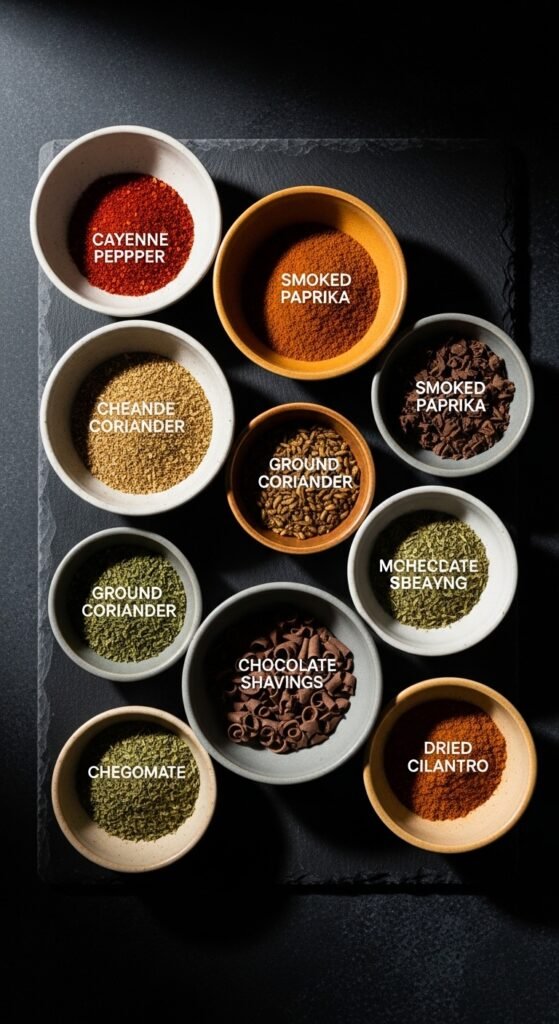
I already mentioned paprika, but smoked paprika deserves its own spotlight. Swapping half your regular paprika with smoked paprika gives your taco seasoning a delightful barbecue‑like undertone. It’s phenomenal on beef tacos and veggie fajitas.
Ground Coriander – The Citrus Twist
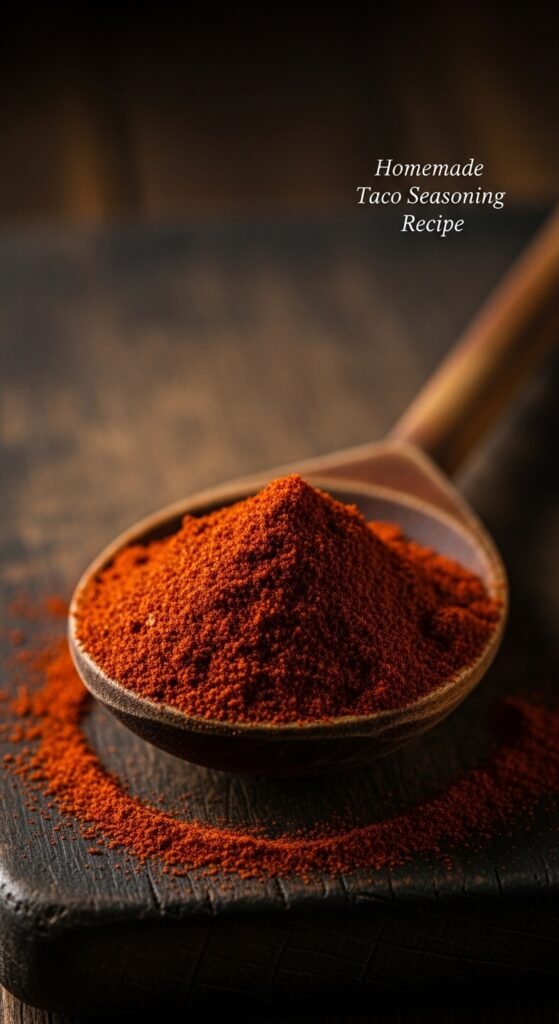
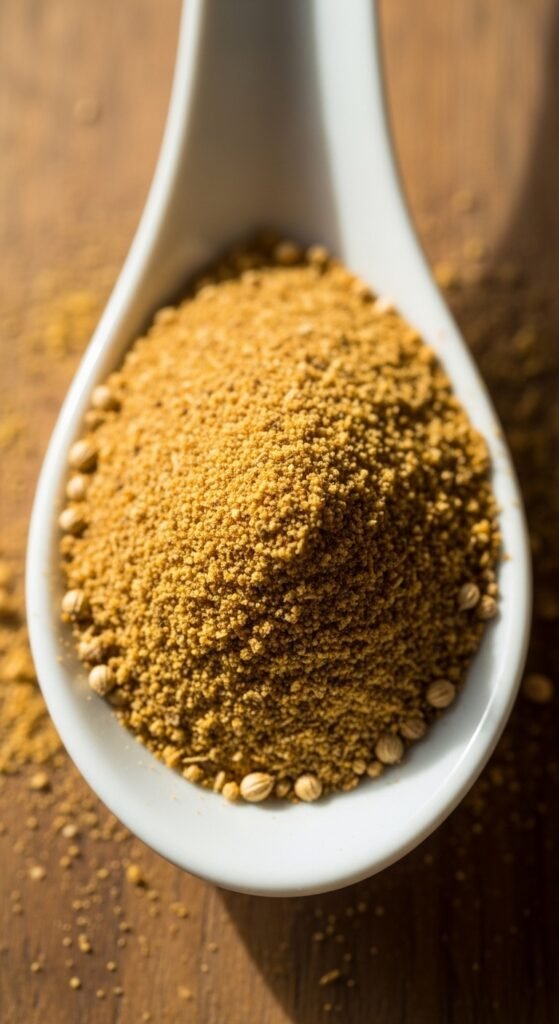
Ground coriander (which comes from coriander seeds, the same plant as cilantro) adds a bright, lemony flavor. It pairs wonderfully with cumin and lightens up the overall spice blend. Use up to 1 teaspoon per batch.
Mexican Chocolate – The Mole Inspiration

For an adventurous twist, add a pinch of unsweetened cocoa powder or Mexican chocolate. This is how authentic mole gets its depth. Don’t worry – your tacos won’t taste like dessert. Instead, you’ll get a rich, mysterious complexity that will have everyone guessing your secret ingredient.
Dried Cilantro – The Herbaceous Finish
While fresh cilantro is always best, dried cilantro can add a nice herbal note to your homemade taco seasoning. Use sparingly, as it can become bitter if overdone.
Step‑by‑Step Guide to Making Your Homemade Taco Seasoning
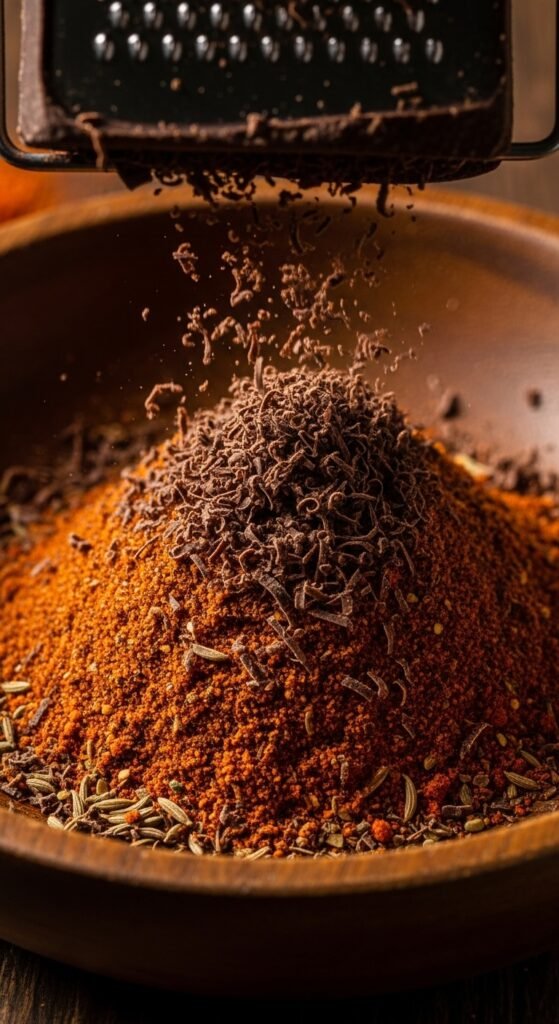
Alright, enough theory. Let’s get our hands dirty (metaphorically – unless you’re grinding whole spices, then literally). Follow this step‑by‑step guide carefully, and you’ll have the best taco seasoning you’ve ever tasted.
Step 1: Gather Your Equipment

Before you start, make sure you have:
- A small mixing bowl
- Measuring spoons (preferably metal or plastic – not wet measures)
- A whisk or fork
- An airtight container for storage (glass jars work beautifully)
- Optional: A spice grinder or coffee grinder if using whole spices
Step 2: The Master Recipe (Makes about ½ cup)
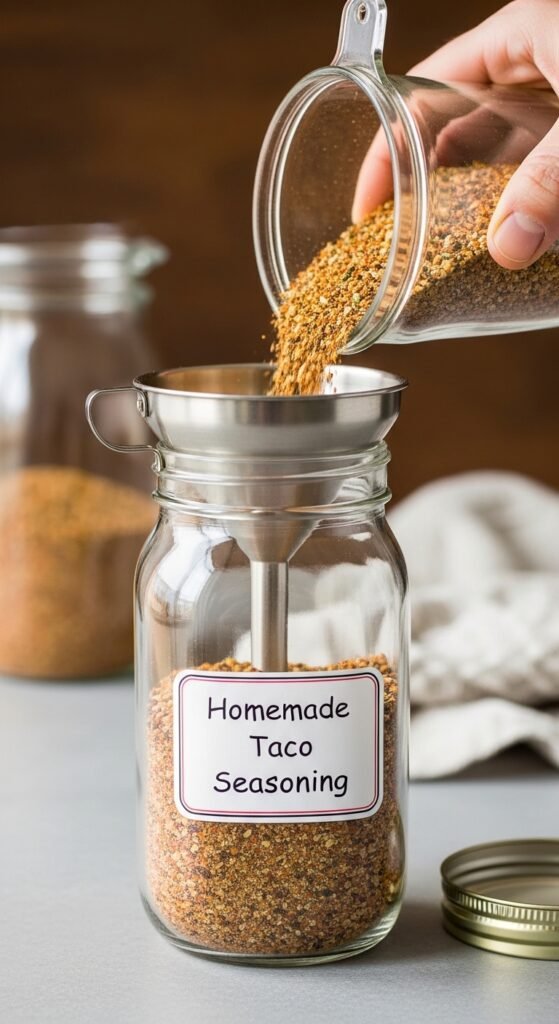
This homemade taco seasoning recipe yields enough for approximately 8 to 10 batches of tacos (using 2 tablespoons per pound of meat). Write this down or bookmark it – you’ll come back to it again and again.
| Ingredient | Amount |
|---|---|
| Chili powder | 4 tablespoons |
| Ground cumin | 2 tablespoons |
| Paprika (sweet or smoked) | 2 tablespoons |
| Garlic powder | 1 tablespoon |
| Onion powder | 1 tablespoon |
| Dried oregano | 1 tablespoon |
| Sea salt | 1 to 2 teaspoons (to taste) |
| Black pepper | 1 teaspoon |
| Cayenne pepper (optional) | ¼ to 1 teaspoon |
Step 3: Measure Everything Accurately

Here’s where precision matters. Use level measurements – don’t heap your spoons unless you want an unbalanced spice blend. For the salt, start with 1 teaspoon, taste a tiny bit (careful, it’s strong), and add more if needed. Remember, you can always add salt to your dish later, but you can’t take it out of the seasoning.
Anecdote: I once got distracted while measuring cayenne and accidentally added a full tablespoon instead of a teaspoon. My taco seasoning was so spicy that my father‑in‑law broke into a sweat after one bite. We still laugh about the “Firecracker Tacos Incident.”
Step 4: Mix Thoroughly
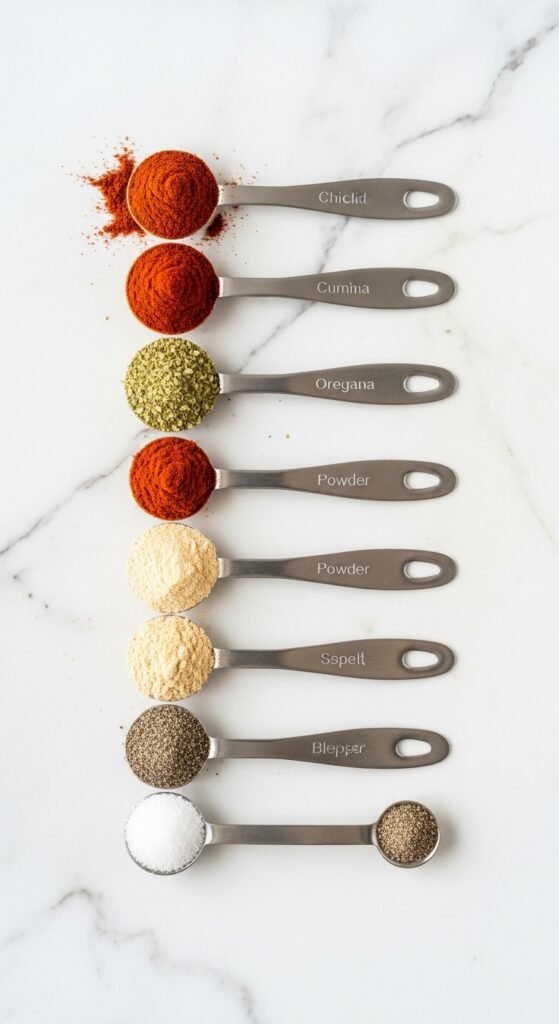
Pour all the measured spices into your mixing bowl. Using a whisk or fork, blend them together until the color is completely uniform. You shouldn’t see streaks of red paprika next to brown cumin. Everything should look like a cohesive, beautifully colored powder.
Step 5: Smell and Taste Test (Yes, Taste!)

Dip a clean finger into your homemade taco seasoning and give it a tiny taste. What do you notice? Is there enough salt? Too much cayenne? Does it need more cumin? Adjust accordingly. Remember, you’re the chef here. This spice blend should reflect your personal preferences.
Step 6: Store Properly
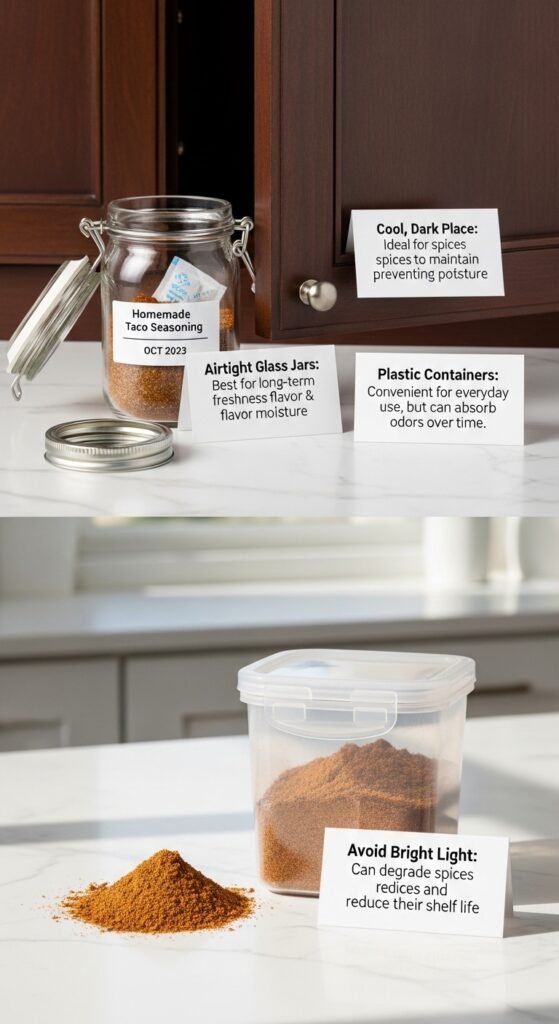
Transfer your homemade taco seasoning to an airtight container. Glass jars with rubber seals (like Mason jars or Weck jars) are ideal. Plastic containers work too, but glass doesn’t absorb odors or stain. Label the jar with the date and contents – I learned this lesson after mistaking my taco seasoning for pumpkin pie spice one Thanksgiving. Disaster!
Step 7: Let It Meld (Optional but Recommended)

Here’s a secret most people don’t know: spice blends taste better after resting for 24 to 48 hours. The flavors marry together, mellowing out harsh notes and deepening the overall profile. If you can wait, make your homemade taco seasoning a day or two before you need it.
How to Use Your Homemade Taco Seasoning
Now that you’ve created this incredible spice blend, let’s talk about how to use it properly. Using taco seasoning isn’t just about dumping powder onto meat. There’s a technique that maximizes flavor.
The Classic Method for Ground Meat

- Brown your protein (beef, turkey, chicken, or plant‑based crumbles) in a skillet over medium‑high heat. Break it into small pieces.
- Drain excess fat if necessary – leave about a tablespoon for flavor.
- Add 2 tablespoons of your homemade taco seasoning per pound of meat. Stir to coat.
- Pour in ½ cup of water (or broth for extra flavor).
- Simmer for 5 to 7 minutes, stirring occasionally, until the liquid reduces into a thick, glossy sauce.
- Taste and adjust – need more salt? Add a pinch. Want more heat? Sprinkle some cayenne.
This method allows the spices to bloom in the liquid, creating a flavorful sauce that clings to every morsel. Don’t skip the simmering step – it’s the difference between good tacos and unforgettable tacos.
Beyond Tacos: 10 Other Uses
Your homemade taco seasoning is incredibly versatile. Try it in:
- Fajitas – Sprinkle on sliced peppers, onions, and chicken or steak before sautéing.
- Soups – Add a tablespoon to black bean soup or chicken tortilla soup.
- Rice – Stir into cooking water for Mexican rice.
- Roasted vegetables – Toss with oil and taco seasoning, then roast at 400°F.
- Eggs – Sprinkle into scrambled eggs or on breakfast tacos.
- Popcorn – Mix with melted butter and toss for spicy popcorn.
- Deviled eggs – Add a pinch to the yolk mixture.
- Hummus – Blend into homemade or store‑bought hummus.
- Salad dressing – Whisk with lime juice, olive oil, and a touch of honey.
- Grilled corn – Mix with mayonnaise and cotija cheese for elote.
Storage and Shelf Life
Your homemade taco seasoning will stay fresh for about 6 months if stored properly. However, for the best flavor, I recommend using it within 3 months. Spices slowly lose their volatile oils over time, becoming less potent.
Signs Your Seasoning Has Gone Bad
- Loss of aroma – If you can’t smell the cumin or chili powder strongly, it’s faded.
- Faded color – Paprika should be vibrant red, not brownish.
- Clumping – Moisture has gotten in. While not dangerous, clumpy seasoning won’t mix well.
- Off smells – Musty, sour, or metallic odors mean it’s time to toss it.
Pro Storage Tips
- Keep your airtight container in a cool, dark cupboard – away from the stove, dishwasher, or sunny windows.
- Never use a wet spoon to scoop out seasoning. Moisture invites mold and clumping.
- Consider dividing large batches into smaller jars. Only open one at a time to minimize air exposure.
- For long‑term storage (over 6 months), keep your homemade taco seasoning in the freezer. Spices freeze beautifully and won’t lose flavor for over a year.
Buying Guide: How to Purchase Quality Spices with Confidence
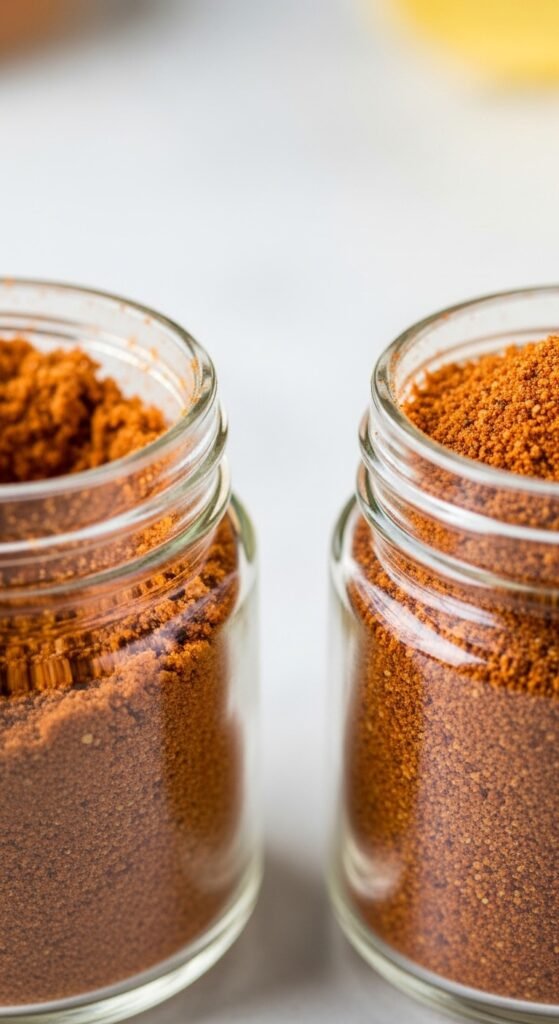
Now, let’s address the instruction about convincing you to buy the product with confidence. While this article focuses on a homemade taco seasoning recipe, the “product” I want you to buy with confidence is high‑quality spices from reputable sources. Because even the best recipe falls flat with stale, low‑grade ingredients.
Where to Buy the Best Spices
After years of experimenting, I’ve identified three reliable options for purchasing spices:
Option 1: Local Bulk Stores (Best for Budget)
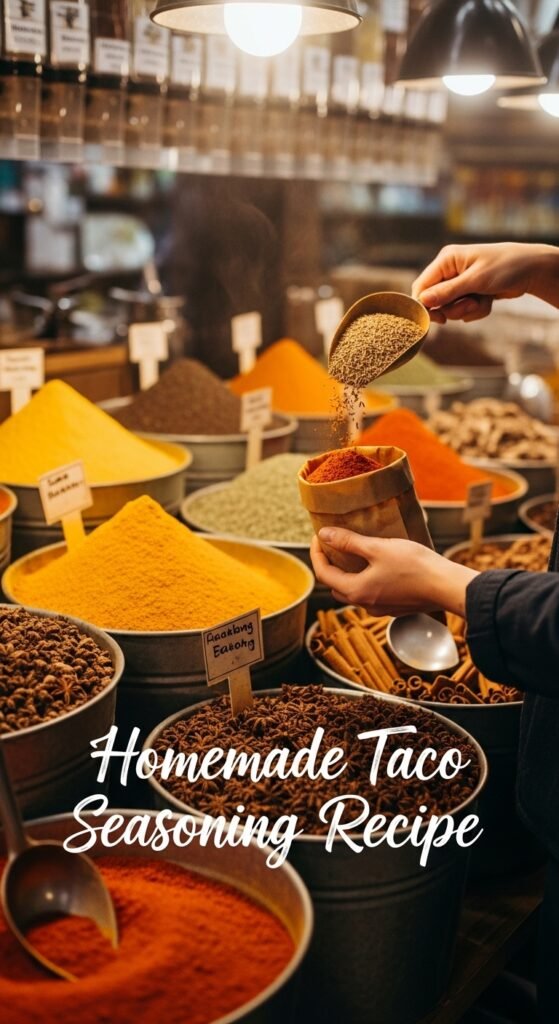
Stores like WinCo, Sprouts, Whole Foods, and local co‑ops often have bulk spice sections. You can buy exactly what you need – as little as a tablespoon or as much as a pound. The turnover is usually high, meaning fresher spices. Plus, you save money by avoiding packaging.
What to look for: Clean bins, clearly labeled with harvest or packaging dates. Ask the store manager how often they restock. If they look confused, shop elsewhere.
Option 2: Online Specialty Retailers (Best for Quality)
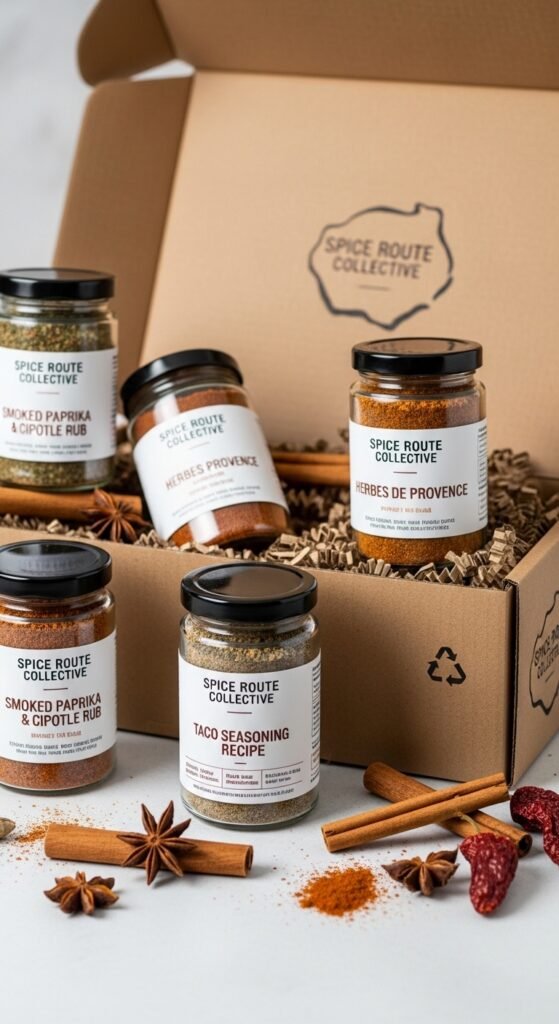
I’ve had outstanding experiences with online spice companies like The Spice House, Penzey’s Spices, and Savory Spice Shop. These vendors source directly from growers, roast and grind in small batches, and ship within days of production. Yes, they cost more than grocery store brands – but the flavor difference is astronomical.
My personal recommendation: Start with a taco seasoning spice kit from one of these retailers. They’ll send you pre‑measured amounts of each individual spice needed for this homemade taco seasoning recipe. It’s a fantastic way to test quality before committing to larger quantities.
Option 3: Latin Grocery Stores (Best for Authenticity)
Never overlook your local mercado or Latin grocery store. These shops sell spices in bulk at incredibly low prices. Moreover, they often carry Mexican oregano, achiote, guajillo chili powder, and other specialty ingredients you won’t find at mainstream supermarkets.
Red Flags to Avoid When Buying Spices
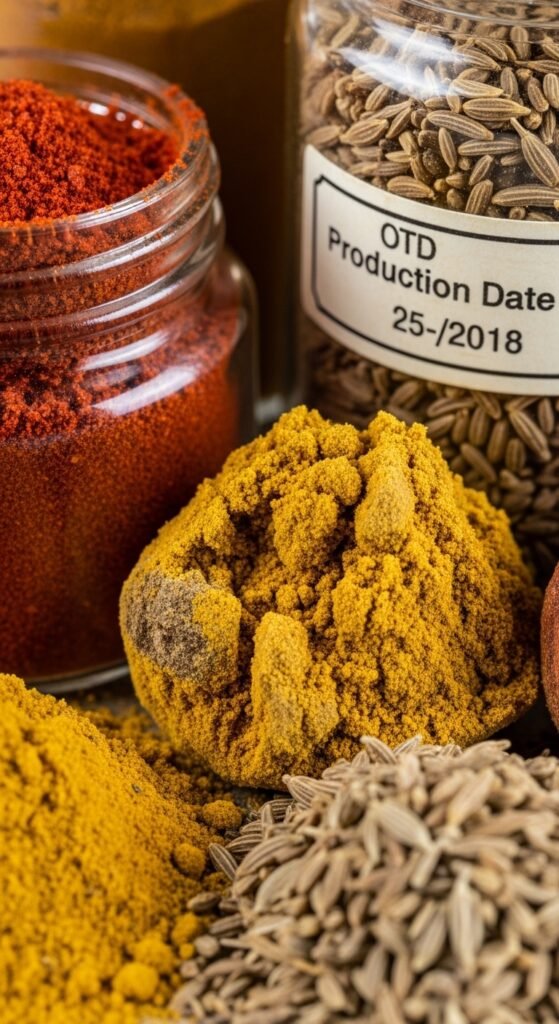
To buy with confidence, watch out for these warning signs:
- Faded packaging – Spices in clear plastic bags or jars sitting under fluorescent lights degrade rapidly.
- No expiration or harvest date – Reputable brands proudly display this information.
- Dusty containers – If the spice jars on the shelf are covered in dust, nobody’s buying them – meaning they’re old.
- Unusually low prices – That $1.99 jumbo chili powder? It’s probably cut with salt, cornmeal, or worse.
- Chemical smell – Fresh spices smell like themselves. Any synthetic or chemical odor indicates additives.
How Much Should You Spend?
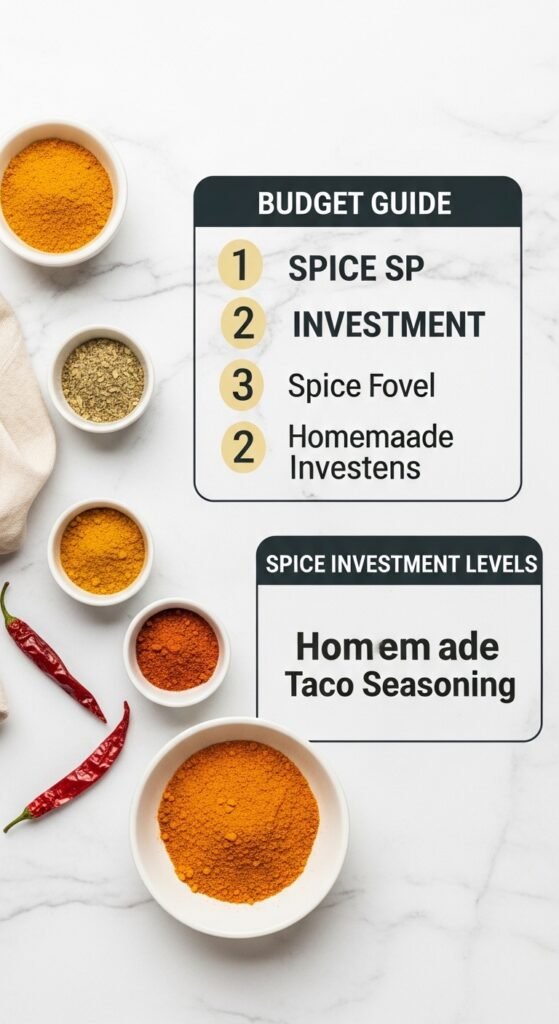
For this homemade taco seasoning recipe, I recommend investing in the best chili powder, cumin, and paprika you can afford. These three form the flavor backbone. For the supporting players (garlic powder, onion powder, oregano), mid‑range options work perfectly fine.
Here’s a realistic budget breakdown for a starter kit (allowing you to make about 10 batches of taco seasoning):
| Spice | Quality Level | Approximate Cost |
|---|---|---|
| Chili powder (4 oz) | Premium | $6 – $8 |
| Cumin (4 oz) | Premium | $5 – $7 |
| Paprika (4 oz) | Mid‑range | $4 – $5 |
| Garlic powder (3 oz) | Budget | $2 – $3 |
| Onion powder (3 oz) | Budget | $2 – $3 |
| Oregano (1.5 oz) | Budget | $2 – $3 |
| Salt & pepper | Any | $1 |
Total investment: $22 to $30. That’s roughly the cost of 15 store‑bought packets, but you’ll have enough spices to make over 50 packets’ worth of homemade taco seasoning. The savings are undeniable.
Common Mistakes to Avoid (I’ve Made Them All)
Let me save you some frustration by sharing the mistakes I’ve made over the years.
Mistake #1: Using Old Spices
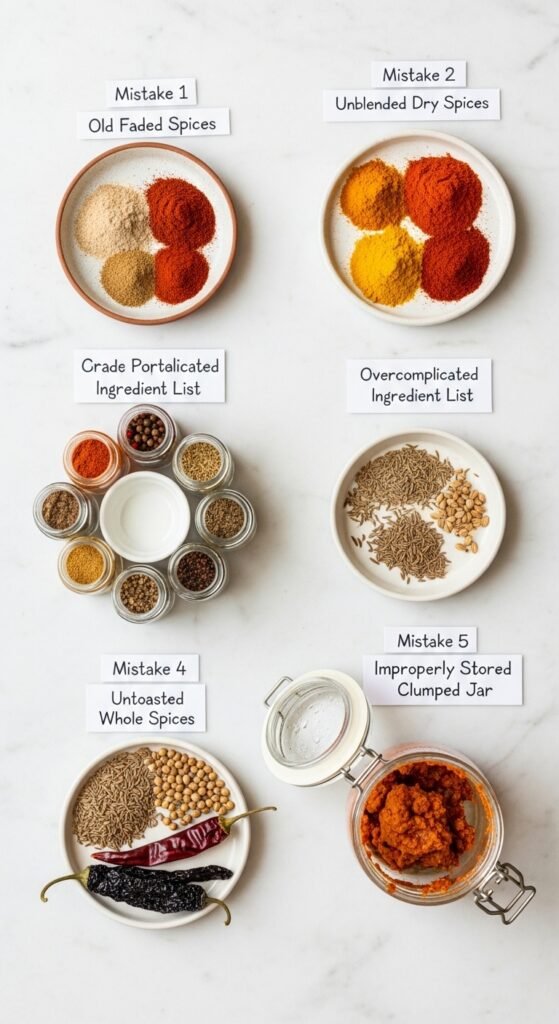
This is the number one culprit behind bland tacos. Spices don’t spoil like milk, but they absolutely lose potency. If your chili powder has been sitting in your cupboard for two years, throw it away. Fresh spices are non‑negotiable.
The fix: Write the purchase date on every spice jar. Replace ground spices every 6 months and whole spices every year.
Mistake #2: Skipping the Blooming Step
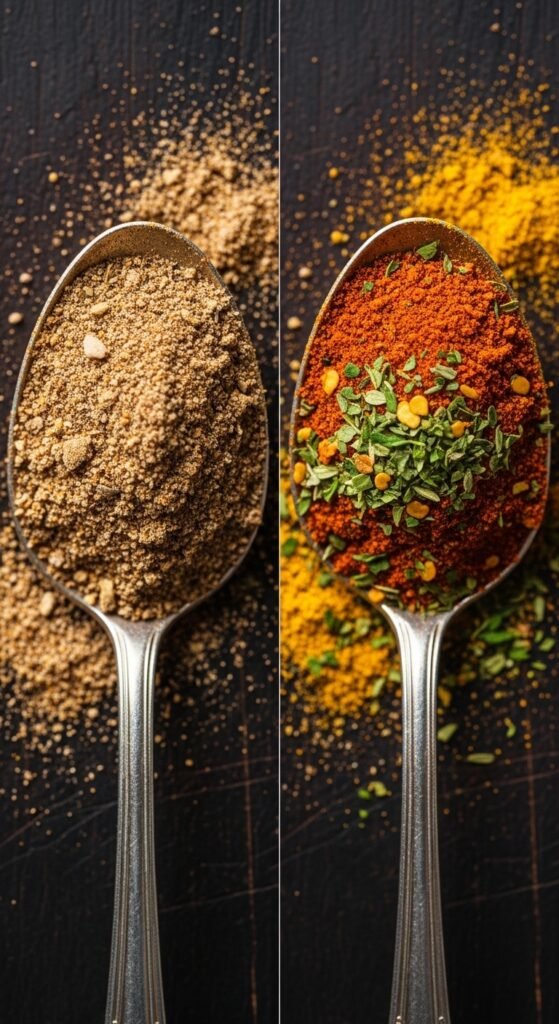
Many people sprinkle dry taco seasoning directly onto cooked meat and call it done. This results in gritty, raw‑tasting spices. You must add liquid and simmer to “bloom” the flavors.
The fix: Always add water or broth after the seasoning and let it simmer for at least 5 minutes.
Mistake #3: Overcomplicating the Recipe
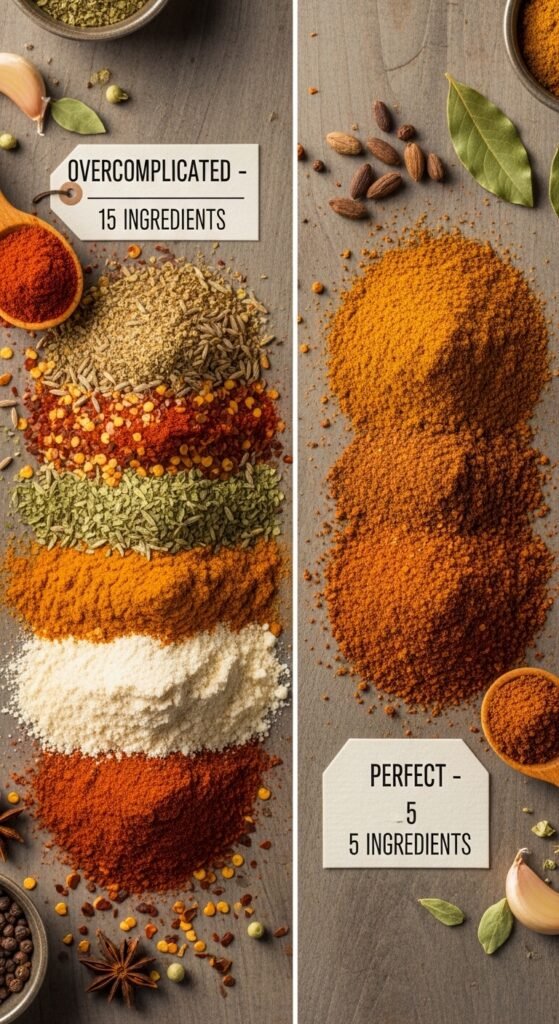
I’ve seen homemade taco seasoning recipes with 15+ ingredients including turmeric, ginger, and cloves. While those might be delicious in other contexts, they don’t belong here. Simplicity is your friend.
The fix: Stick to the core 8 ingredients. Master those first, then experiment one change at a time.
Mistake #4: Not Toasting Whole Spices
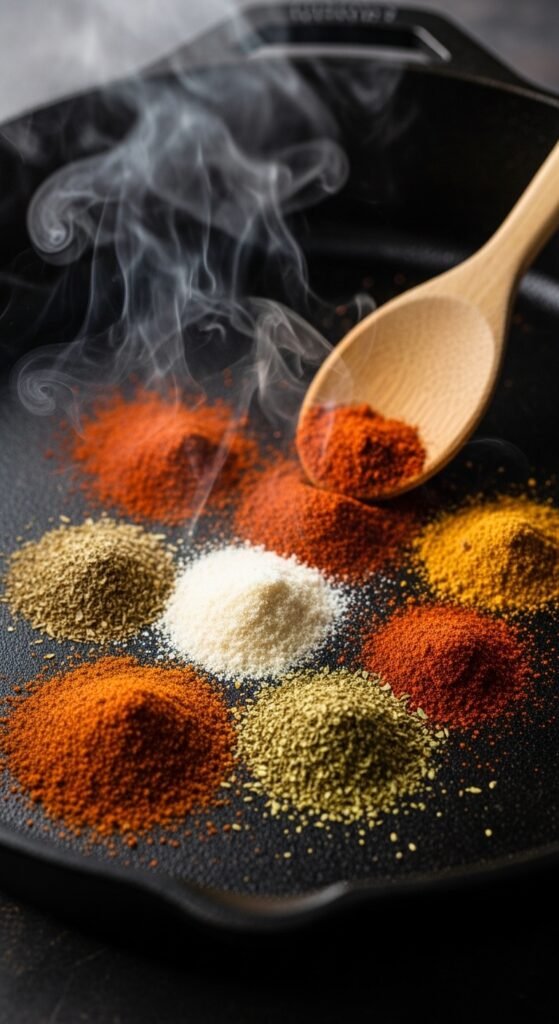
If you’re using whole cumin seeds or coriander seeds, toasting them before grinding transforms the flavor. However, many people skip this step or burn the spices.
The fix: Heat a dry skillet over medium‑low heat. Add whole spices and shake frequently for 1 to 2 minutes until fragrant. Immediately transfer to a plate to cool before grinding. Never leave them unattended – they go from toasted to burnt in seconds.
Mistake #5: Improper Storage
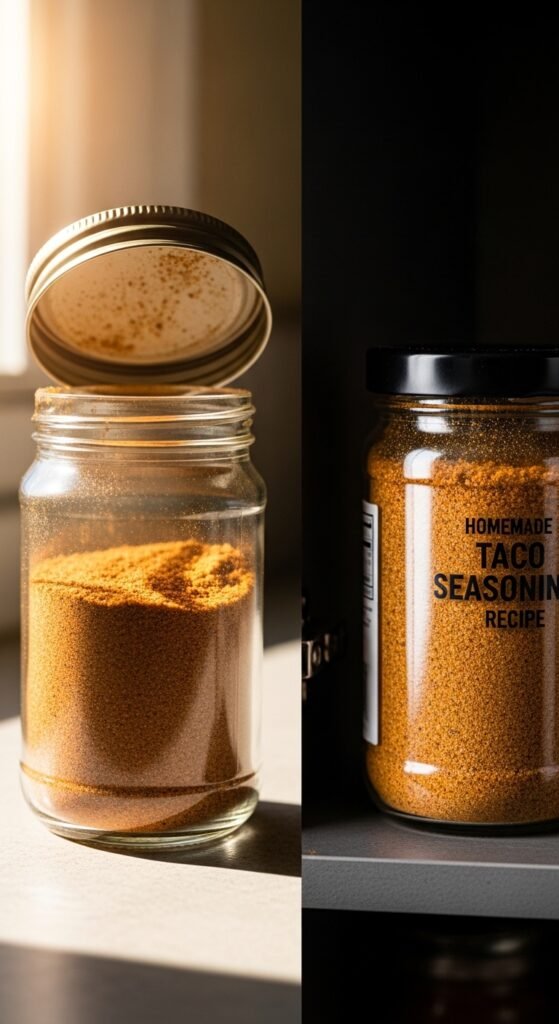
Leaving your homemade taco seasoning in a plastic baggie or open bowl invites disaster. Light, heat, air, and moisture are the enemies of spices.
The fix: Invest in a few glass jars with airtight lids. I love Weck jars or recycled small jelly jars. Keep them in a dark cabinet away from your stove.
Frequently Asked Questions
Can I make this homemade taco seasoning recipe without salt?
Absolutely. Omit the salt entirely and season your dish separately. This is perfect for low‑sodium diets. Just remember to add a pinch of salt to your meat or beans when cooking, or your tacos may taste flat.
Is homemade taco seasoning gluten‑free?
Yes! All the spices listed are naturally gluten‑free. However, if you’re highly sensitive, check that your chili powder and cumin are processed in a gluten‑free facility. Some brands share equipment with wheat products.
How much homemade taco seasoning equals one store‑bought packet?
One standard store‑bought packet (1 ounce or about 2 tablespoons) equals roughly 2 tablespoons of this homemade taco seasoning. However, my recipe is more concentrated since it lacks fillers. Start with 1.5 tablespoons per pound of meat and adjust upward.
Can I use this for chicken, fish, or vegetables?
Definitely! This spice blend works beautifully on any protein or vegetable. For fish, reduce the cayenne and use smoked paprika for a milder flavor. For vegetables, toss with oil and seasoning, then roast or grill.
How do I make a large batch for gift giving?
Multiply the recipe by 4 or 6. Mix everything in a large bowl, then divide into small Mason jars (4‑ounce jars work perfectly). Attach a label with the name and a suggested use: “Add 2 tablespoons per pound of meat with ½ cup water. Simmer 5 minutes. Enjoy!”
My homemade taco seasoning clumped together. Is it safe?
Clumping usually means moisture got into the jar. While not dangerous, clumpy seasoning won’t distribute evenly. Break up the clumps with a fork or spoon. To prevent future clumping, add a few grains of uncooked rice to the jar – they absorb excess moisture.
Putting It All Together: A Sample Taco Night Using Your Homemade Seasoning
Let me walk you through a complete taco night using your new homemade taco seasoning. This will show you exactly why making your own spice blend is worth every minute.
Ingredients for tacos:
- 1 pound ground beef (80/20 is best)
- 2 tablespoons homemade taco seasoning
- ½ cup water
- Taco shells (hard or soft)
- Toppings: shredded lettuce, diced tomatoes, cheddar cheese, sour cream, salsa, avocado, cilantro, lime wedges
Instructions:
- Heat a large skillet over medium‑high heat. Add the ground beef and cook until browned, about 6 to 8 minutes, breaking it up with a spatula.
- Drain excess fat, leaving about 1 tablespoon in the pan.
- Sprinkle 2 tablespoons of your homemade taco seasoning over the meat. Stir well to coat every piece.
- Pour in ½ cup of water. Stir, scraping up any browned bits from the bottom of the pan (that’s pure flavor).
- Reduce heat to medium‑low and simmer for 5 to 7 minutes until the liquid has thickened into a rich sauce.
- While the meat simmers, warm your taco shells according to package directions.
- Set up a taco bar with all your toppings.
- Assemble your tacos and serve immediately.
The result: Meat that’s juicy, deeply flavorful, and perfectly spiced. No gritty texture. No chemical aftertaste. Just honest, delicious tacos that your family will request again and again.
Conclusion: Your Journey to Better Tacos Starts Now
We’ve covered a lot of ground together. From the health hazards of store‑bought packets to the money‑saving magic of homemade taco seasoning. We’ve walked through each spice, explored optional additions, and created a step‑by‑step guide that even a beginner can follow. We’ve talked about where to buy quality spices with confidence and how to avoid common pitfalls.
Now it’s your turn. I want you to experience the joy of opening your cupboard, pulling out a jar of homemade taco seasoning that you made with your own hands, and smelling that incredible blend of chili, cumin, and paprika. I want you to taste the difference when you take that first bite of a taco seasoned with love, not preservatives.
Here’s my challenge to you: This week, skip the little orange packet. Instead, invest in quality spices from a trusted source. Spend 10 minutes mixing up a batch of this homemade taco seasoning recipe. Then make tacos for your family or friends. Watch their eyes light up. Listen to the compliments roll in. And smile, knowing you did something wonderful.
Remember, cooking is about more than just feeding people. It’s about creating memories, sharing love, and taking pride in what you put on the table. A simple spice blend might seem insignificant, but it’s often the smallest details that make the biggest difference.
So go ahead – buy those spices with confidence. Your taco seasoning awaits. And your perfect taco night is just around the corner.
Happy cooking, and even happier eating!