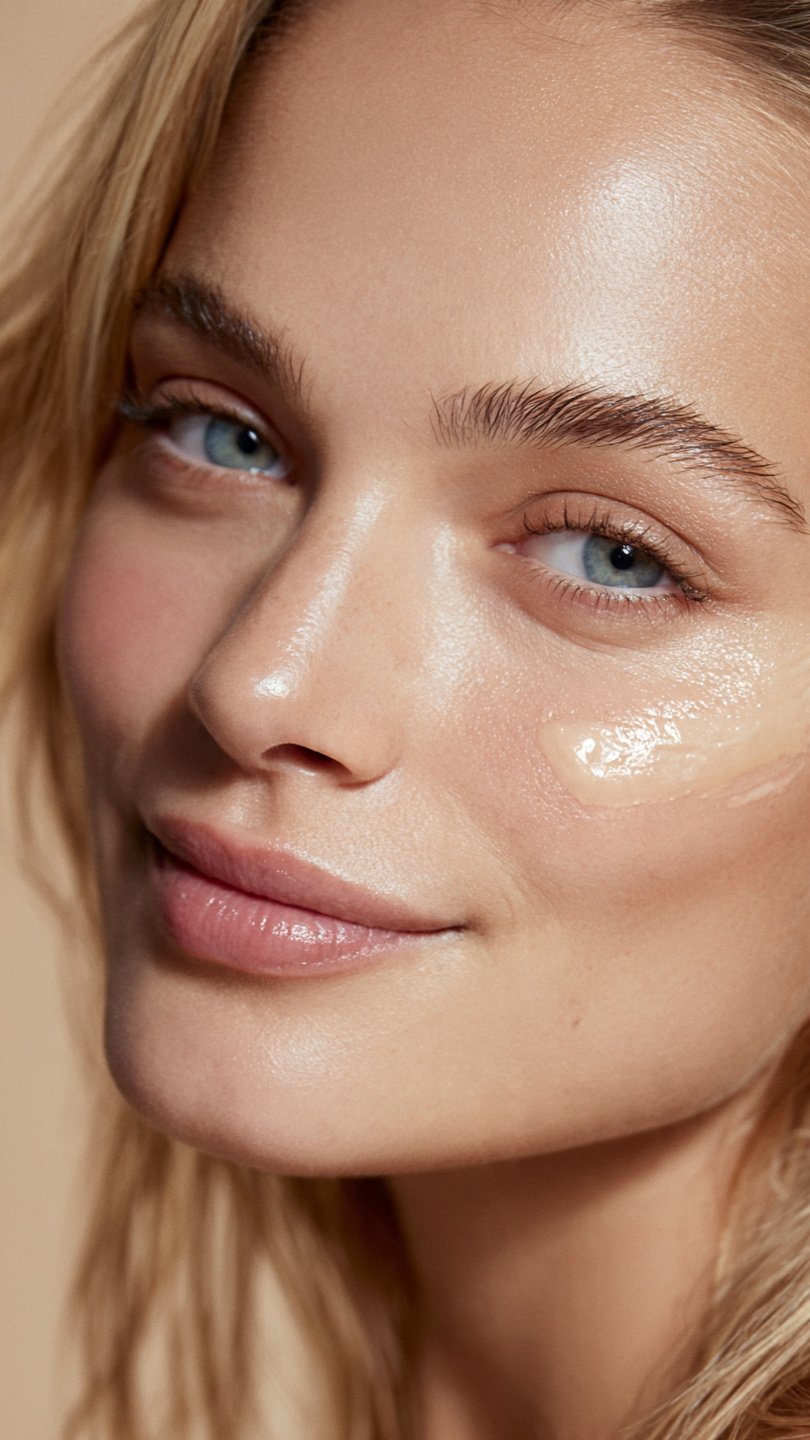
Tired of thick foundations that mask your natural features? Skin tint offers the perfect middle ground—light coverage that evens out your complexion while letting your real skin shine through. Whether you want a barely‑there wash of color or a lit‑from‑within glow, these 23 ideas will help you find your ideal match and application style. Say goodbye to cakey layers and hello to fresh, breathable beauty.
1. Sheer Dewy Finish for Dry Skin
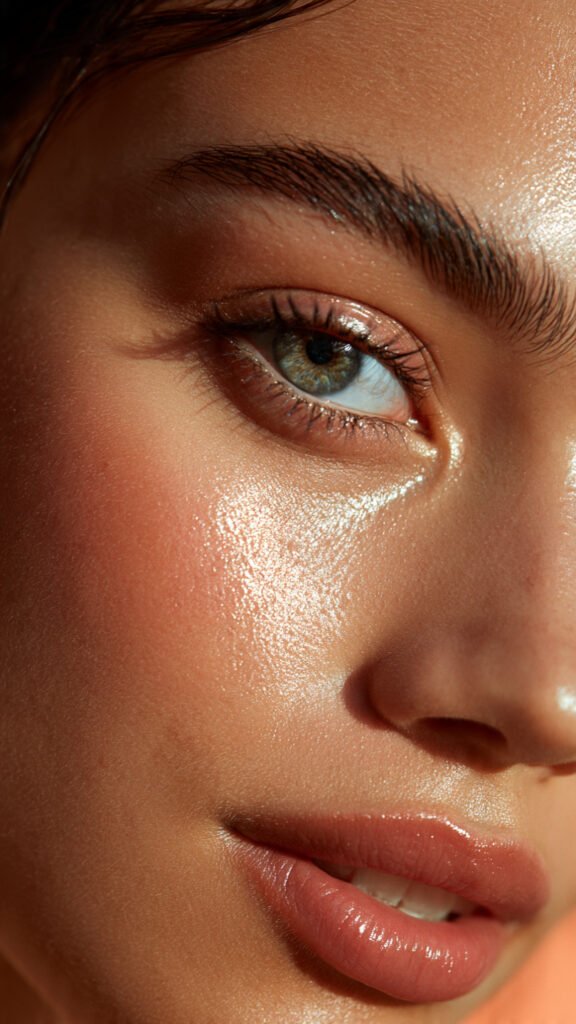
If your skin constantly feels tight or flaky, a dewy skin tint becomes your best friend. Formulations with hydrating ingredients like hyaluronic acid or squalane melt into dry patches instead of clinging to them. The result is a glossy, plump look that mimics healthy, well‑rested skin. Apply with warm fingers for the most natural melt‑into‑skin effect, focusing on the high points of your cheeks and forehead where light naturally hits.
Unlike matte products that can emphasize texture, a sheer dewy tint reflects light softly to blur imperfections. You won’t need a separate highlighter because your entire face will carry a gentle luminosity. This approach works beautifully for daytime errands or casual coffee dates, giving you that “just finished a skin cycling routine” radiance without any heavy feel.
2. Matte But Not Flat for Combination Skin
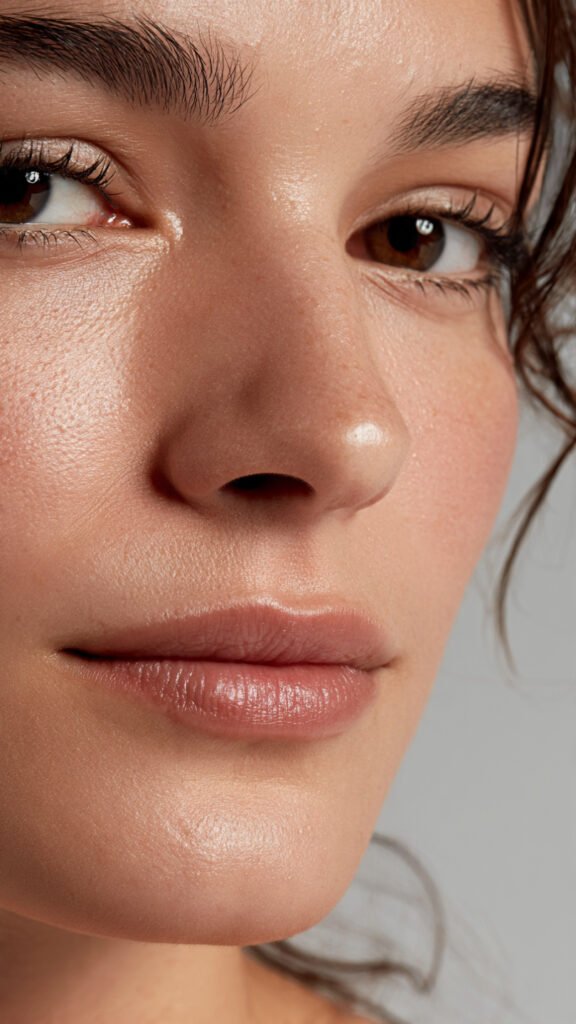
Combination skin often feels like a puzzle—oily in the T‑zone, dry on the cheeks. A matte‑finish skin tint that avoids a flat, lifeless look works wonders here. Look for oil‑free formulas with light‑diffusing powders that control shine without sucking the life out of your complexion. The magic happens when you apply a thin layer only where you need evening out, like the nose and chin, then blend outward with a damp sponge.
This approach keeps your natural texture visible while reducing unwanted grease. Unlike heavy matte foundations that crack by midday, a well‑formulated matte skin tint wears gracefully, fading evenly rather than breaking apart. You can still enjoy a soft, second‑skin finish that lets your forehead and cheeks breathe. It’s the ideal choice for humid summer days or long work shifts where you want reliability without a mask‑like feel.
3. Luminizing Tint for Mature Skin
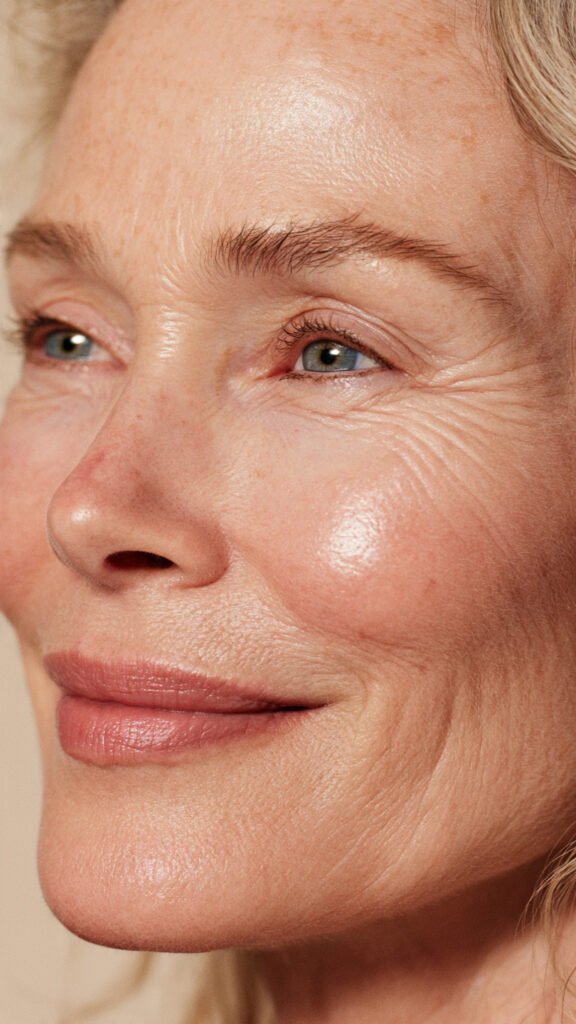
As skin ages, heavy foundation tends to settle into fine lines and accentuate crepey texture. A luminizing skin tint flips the script by adding a soft‑focus glow that blurs rather than fills. Formulations with micro‑pearls or light‑reflecting minerals scatter light away from wrinkles, making them less noticeable. The key is choosing a product that feels silky and never glittery—think candlelit radiance, not disco ball.
Apply with a stippling brush to avoid tugging at delicate skin. A luminizing tint also works beautifully on the back of the hands or décolletage for a seamless face‑and‑neck transition. Many brands now include peptides and ceramides that plump while you wear them, turning your daily routine into a subtle treatment. The result is skin that looks rested, hydrated, and naturally younger without the weight of traditional anti‑aging makeup.
Read Also:20 Colorful Makeup Looks Ideas: Unleash Your Creative Side with Vibrant, Joyful Beauty
4. Buildable Medium Coverage for Rosacea
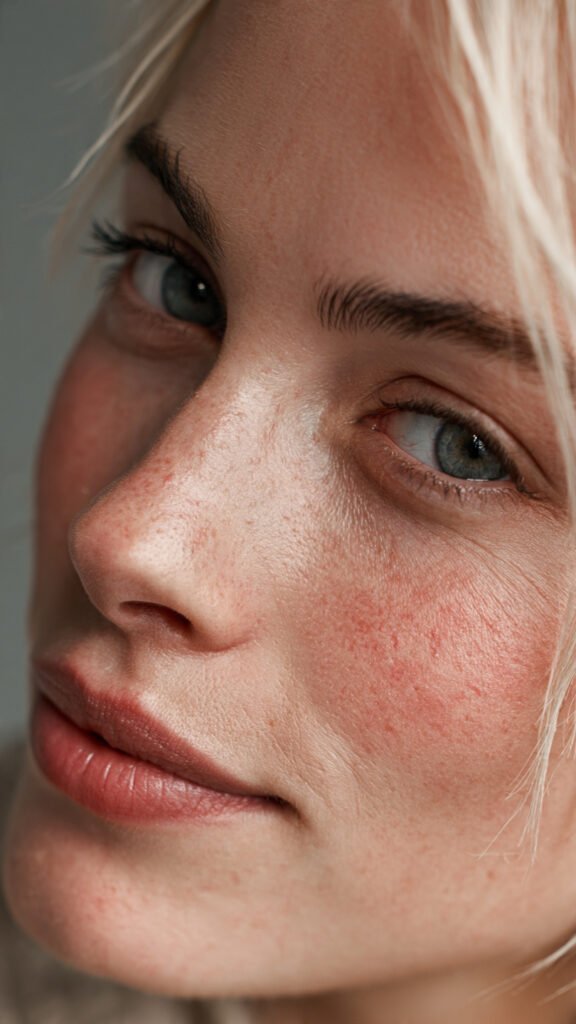
Rosacea brings redness and visible capillaries that a sheer tint may not fully disguise. A buildable skin tint with medium coverage becomes your secret weapon. Start with one thin layer that knocks down the worst of the flush, then add a tiny second layer only on the cheeks and nose where redness persists. Look for green‑tinted primers layered underneath, or choose a tint with subtle olive undertones that cancel red without looking ashy.
The beauty of a buildable formula is that you control the opacity precisely. You might wear just one layer for a casual lunch and two layers for a video call or dinner out. Unlike full‑coverage foundation, this never feels heavy or suffocating. Many options include soothing ingredients like niacinamide or centella asiatica, which calm irritation over time. Your skin stays breathable, and the finish remains natural—no mask‑like separation around the nostrils.
5. Tinted Sunscreen Hybrid for Lazy Mornings
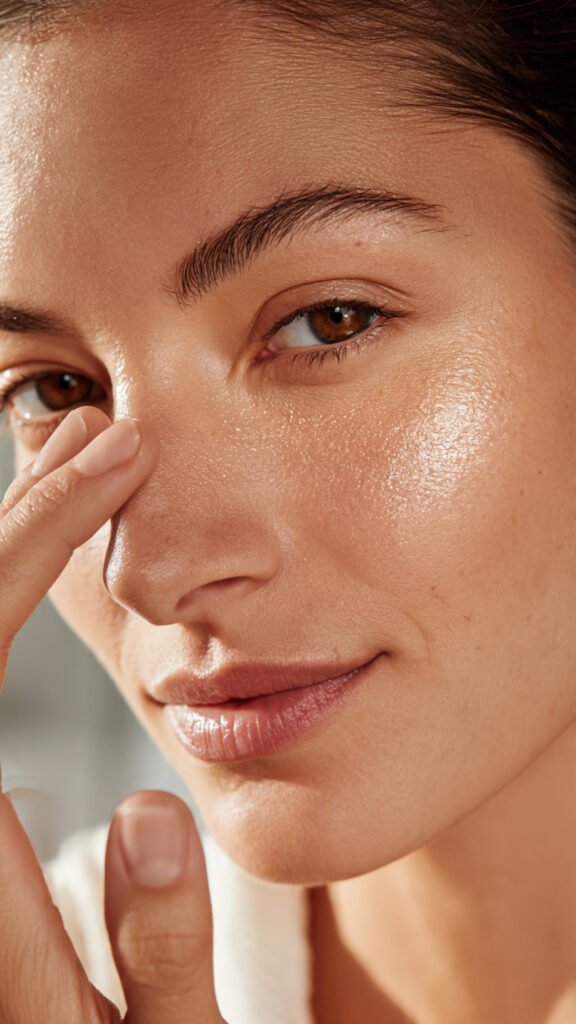
Some days you want protection and a hint of color in a single step. A tinted sunscreen skin tint merges SPF 30 or higher with sheer pigment, saving you time and layering. These hybrids work especially well for minimalists who hate the greasy feel of standalone sunscreens. The iron oxides in the tint also block blue light from screens, an added benefit for office workers and phone addicts alike.
Apply a generous amount—most people under‑apply sunscreen—and blend quickly. A tinted hybrid won’t leave a white cast, making it ideal for deeper skin tones that struggle with traditional mineral blocks. The finish can range from natural to slightly dewy, so if you prefer matte, dust a translucent powder over the T‑zone. This idea transforms your morning routine into a two‑bird, one‑stone situation: protection, correction, and a healthy glow in under sixty seconds.
6. Water‑Based Tint for Oily Acne‑Prone Skin
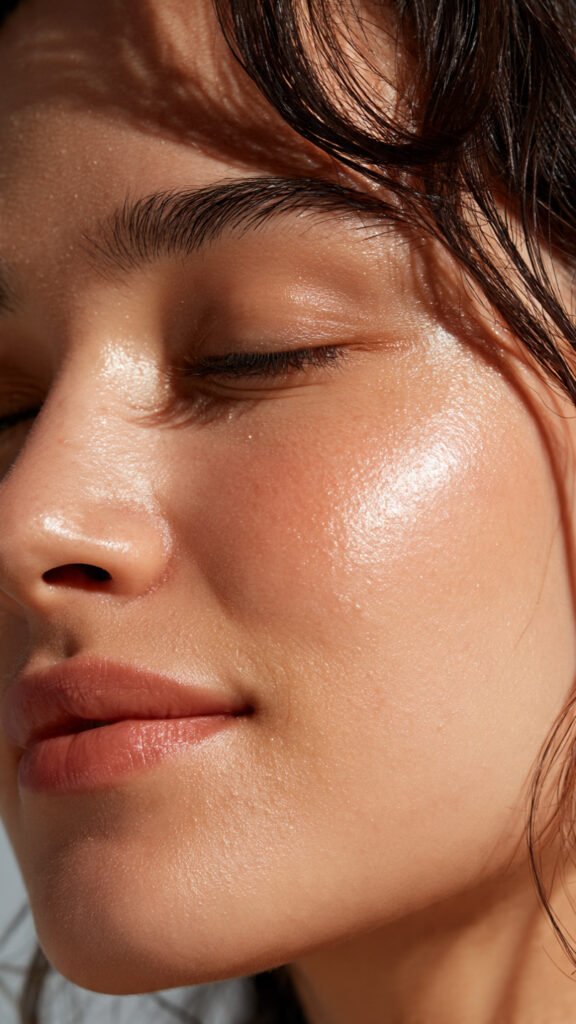
When you battle breakouts and excess oil, the wrong product can clog pores or trigger shine within hours. A water‑based skin tint feels like a splash of hydration without any heavy oils or silicones. These gels or serums sink in quickly, leaving almost no residue on the skin’s surface. They won’t slide off greasy noses by lunchtime, and they rarely contain pore‑blocking ingredients like coconut oil or lanolin.
Apply with clean fingers or a silicone‑free sponge to maintain the lightweight integrity. A water‑based tint often pairs beautifully with salicylic acid or niacinamide serums underneath. The coverage is sheer but surprisingly effective at muting post‑acne red marks. Because it’s so thin, you won’t feel tempted to cake on powder, which is a common trap for oily skin types. Expect your skin to look like itself, just slightly filtered—and far less angry by evening.
7. Pearl‑Infused Tint for Evening Events
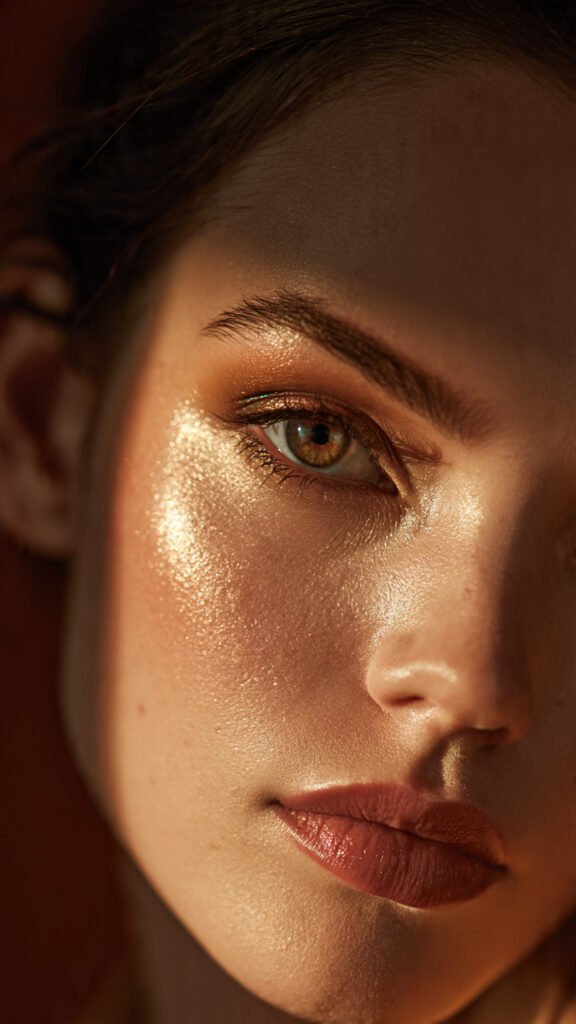
Heading out for dinner or a date? A pearl‑infused skin tint adds a celebratory shimmer that regular foundations can’t match. These products contain ultra‑fine mica or synthetic pearls that catch candlelight and flash photography beautifully. The trick is choosing a formula with microscopic particles rather than chunky glitter. When applied all over, it gives the illusion of naturally dewy, expensive skin.
Use a dense brush to buff the pearl tint into the skin, focusing on collarbones and shoulders for a cohesive look. Unlike highlighter that sits on top, this tint becomes one with your complexion. Pair it with a cream blush and a glossy lip for an effortless evening face. You’ll skip the powdery finishes and heavy contouring, letting the light do the work. The result is romantic, ethereal, and surprisingly low‑maintenance.
8. Color‑Adjusting Tint for Uneven Undertones
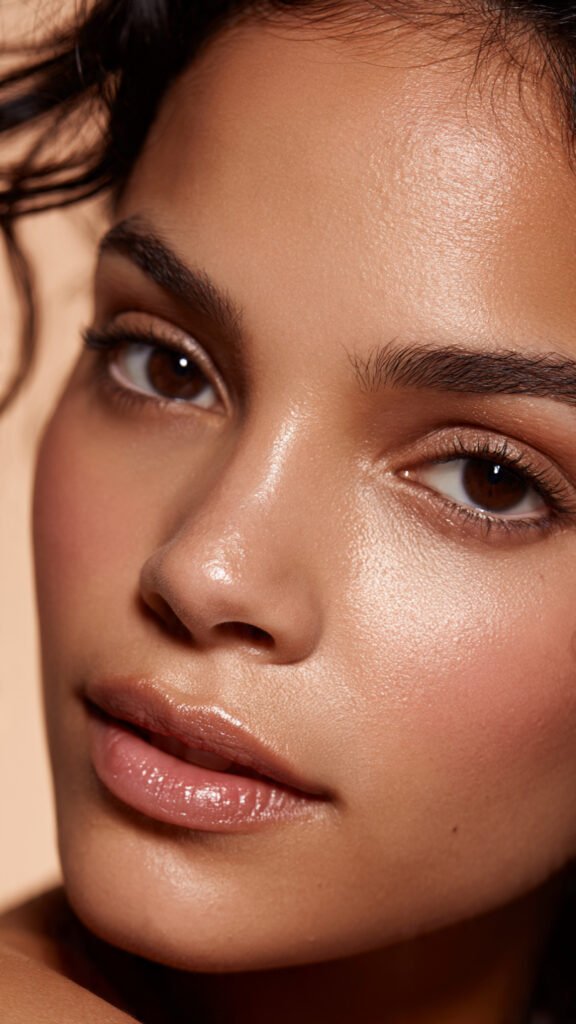
Ever bought a foundation that turned orange or gray? Color‑adjusting skin tints contain encapsulated pigments that react to your skin’s pH level, transforming into a personalized shade. These are fantastic for people whose undertones fall between cool and warm—neutral, olive, or even slightly muted. Apply a small amount, and within seconds, the white or greenish cream shifts to match your unique hue.
The coverage leans sheer to light, but the evenness it creates is remarkable. A color‑adjusting tint won’t perfectly cover dark spots, but it banishes that patchy, zebra‑stripe look that happens when your foundation is slightly wrong. Over time, you’ll notice you can blend down your neck seamlessly, something many struggle with. This idea is perfect for travel when you don’t want to pack three different foundation shades for different seasons.
9. Tinted Moisturizer with Thicker Texture for Dry Patches
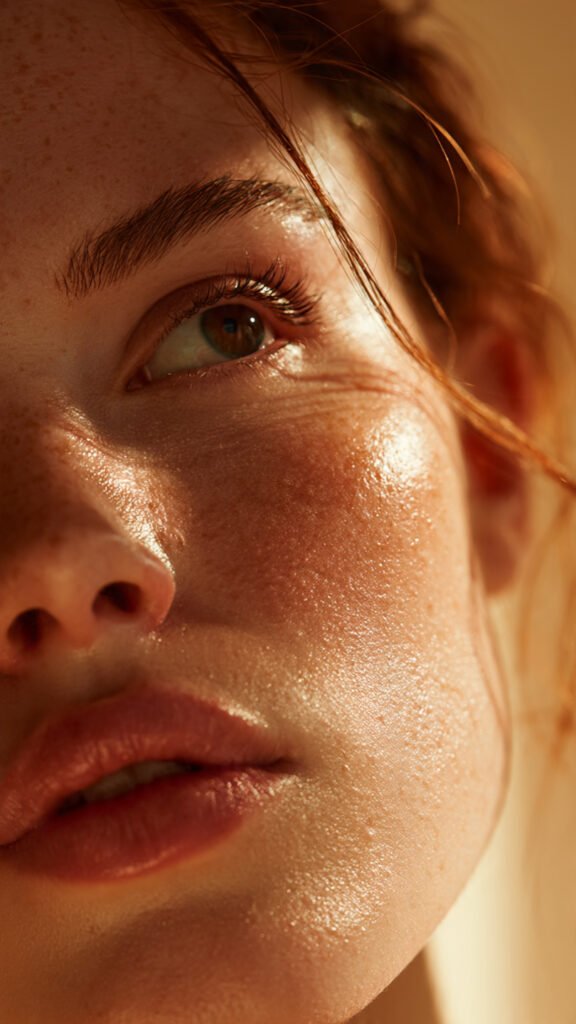
Sometimes a fluid tint isn’t enough for severely dry or eczema‑prone areas. A tinted moisturizer with a rich, balmy texture acts like skincare that happens to have color. Look for shea butter, ceramides, and oat extract in the ingredients list. The thicker consistency won’t seep into flaky edges; instead, it smooths over them like a comforting blanket. Apply generously to the driest zones—around the mouth, between eyebrows, and on the chin.
Let it sit for a minute before blending so the emollients can soften any rough texture. A thick tinted moisturizer can even be used as a spot concealer on stubborn dry patches. Because it’s so nourishing, you might skip your morning moisturizer entirely on lazy days. The finish is dewy but not greasy, and it stays comfortable for twelve hours without cracking or settling. Winter warriors and desert‑dwellers, this one is for you.
10. Serum Tint with Vitamin C for Dull Skin
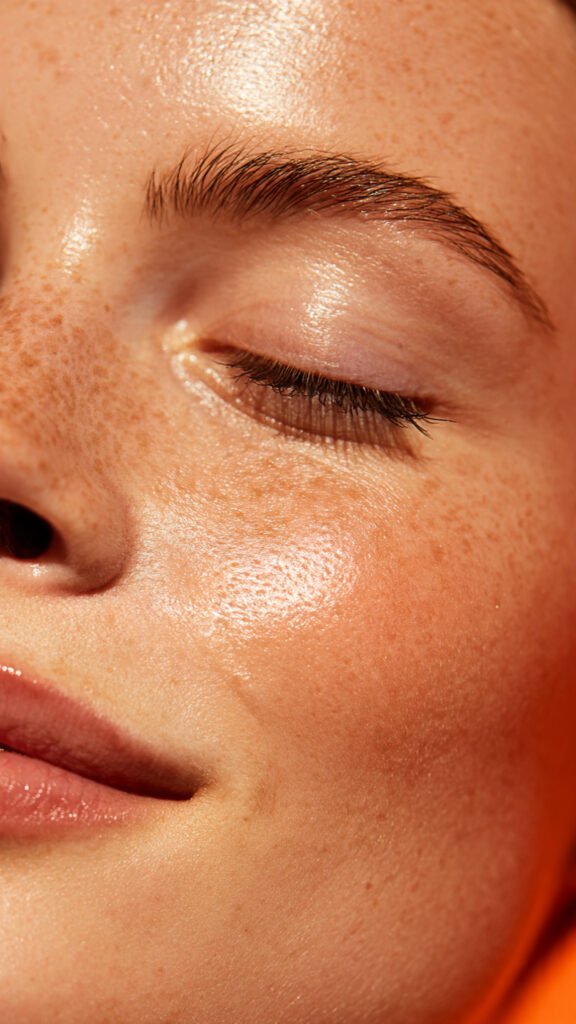
When your skin looks tired and gray, a serum‑based skin tint infused with vitamin C wakes it up instantly. These featherlight liquids combine brightening antioxidants with just enough pigment to blur unevenness. They come in dropper bottles, similar to facial serums, and spread like water. The immediate effect is a fresh, juicier version of your face, as if you just did a sheet mask.
Over weeks of daily use, the vitamin C tint also fades dark spots and boosts collagen. Apply three to four drops and press into skin with palms—no rubbing needed. Unlike traditional foundations that sit on top, this melts into your pores, making it undetectable even under harsh office lighting. It’s the ultimate solution for anyone who wants to look well‑rested without needing eight hours of sleep first.
11. Stick Skin Tint for On‑the‑Go Touch Ups
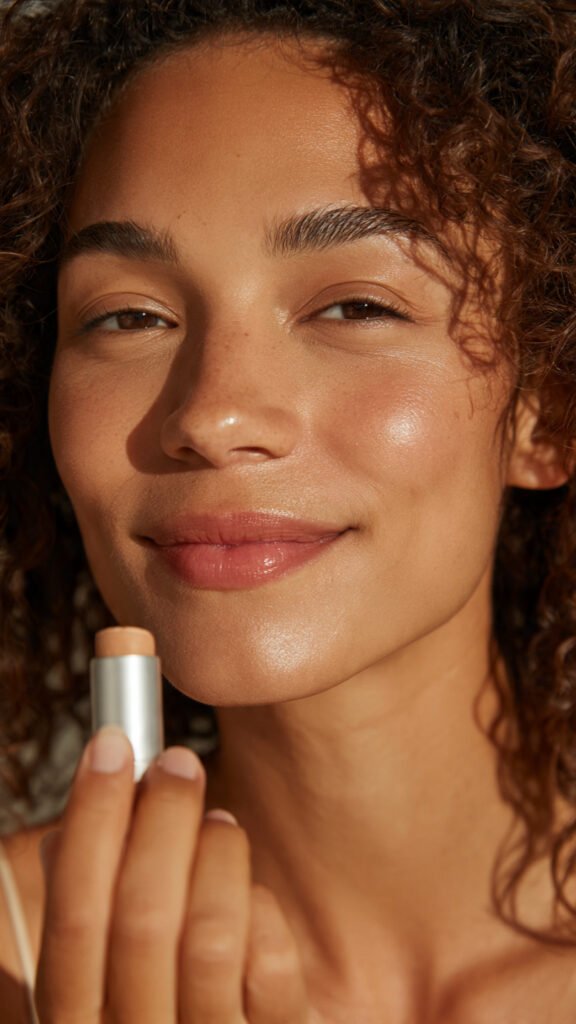
Liquid formulas can leak in your bag, and powder compacts shatter. A stick skin tint solves both problems with its solid, portable form. Swipe directly onto the high points of your face—cheeks, forehead, chin—then blend with a brush or your fingers. These sticks are usually waxier than liquid tints, providing light to medium coverage that stays put without setting powder. The compact shape also allows for precise application around the nose or under eyes.
Keep one in your desk or car for mid‑day refreshes. A stick skin tint works beautifully over sunscreen or alone, and it never spills. Many formulas include soothing ingredients like shea butter, so they double as a moisturizer in a pinch. Because the coverage is buildable, you can layer it on active acne or redness without looking cakey. It’s the lazy girl’s (or busy professional’s) dream product.
12. Cooling Gel Tint for Redness and Inflammation
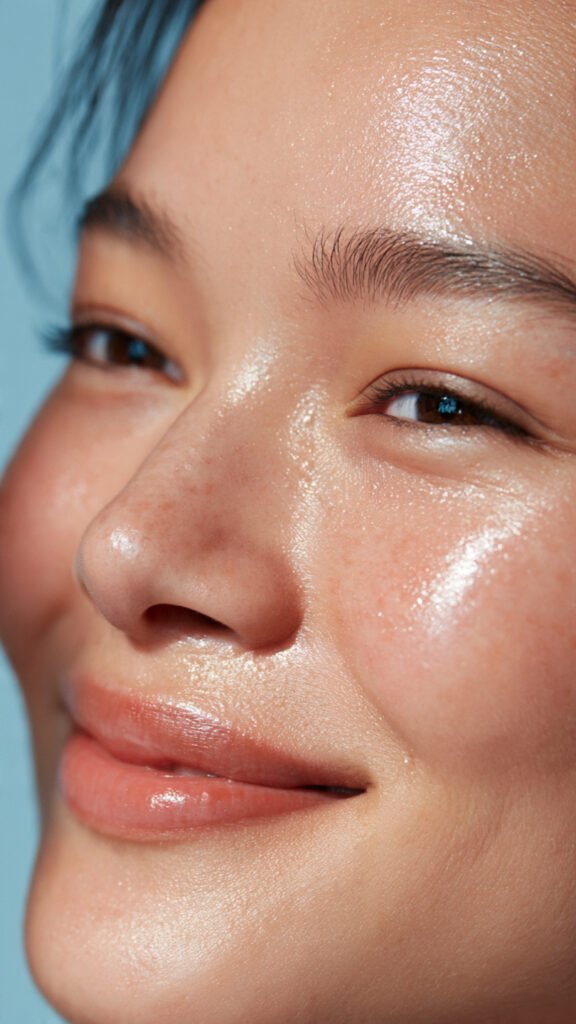
Hot flashes, post‑workout flush, or plain old irritation call for a cooling gel skin tint. These clear‑to‑slightly‑tinted gels contain aloe, cucumber, or menthol derivatives that lower skin temperature on contact. The pigment is suspended in a jelly base that doesn’t feel like makeup at all. As you spread it, you’ll feel an immediate soothing sensation, and the redness visibly diminishes within minutes.
Apply generously after a workout or during a summer heatwave. A cooling gel tint won’t clog sweaty pores, and it won’t run down your face when you perspire. The coverage is sheer but effective at neutralizing mild redness from rosacea or sensitivity. Think of it as a functional skincare‑makeup hybrid that prioritizes comfort. You can even store it in the fridge for an extra refreshing kick on sweltering days.
13. SPF 50 Tint for Outdoor Adventures

Beach days, hiking trips, or long walks demand serious sun protection. A high‑SPF skin tint (SPF 50 or higher) provides the coverage you need without the white cast of thick mineral lotions. These formulas use a mix of chemical and physical blockers, often tinted with iron oxides for a natural, sun‑kissed look. The tint itself is usually more opaque than standard tints because more pigment is needed to offset the chalkiness of zinc oxide.
Apply a full finger‑length amount to your face, ears, and the back of your neck. A high‑SPF tint is water‑resistant for up to 80 minutes, so you can swim or sweat without worry. Reapply every two hours by patting a second layer over dry skin—it won’t pill or cake. This idea is a game‑changer for anyone who hates the sticky, ghostly look of traditional sunscreen. You’ll return from vacation with protected, glow‑y skin instead of a sunburn or a clogged‑pore disaster.
14. Mousse Texture Tint for Pored Skin
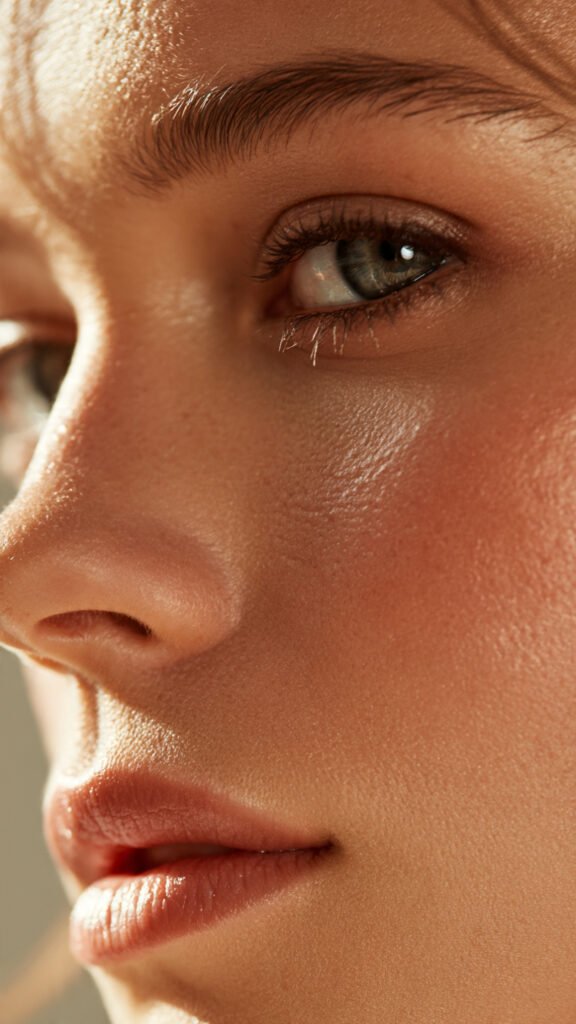
Large pores on the nose and inner cheeks can make any base product look dotted or uneven. A mousse‑texture skin tint has a whipped, airy consistency that sits on top of pores rather than sinking into them. The lightweight foam spreads into a soft‑focus finish that visually blurs indentations. Because it contains more air than liquid, it never looks thick—even when you build it to medium coverage.
Use a flat synthetic brush to press the mousse tint into the skin, using stippling motions. Avoid rubbing, which can push product into pores and emphasize them. The final effect is smooth, almost velvety, with zero shine in the T‑zone. Many mousse tints are also oil‑controlling, making them excellent for hot weather. You’ll finally understand how people achieve that filtered, poreless look in real life without Photoshop.
15. Oil‑Tint Drops for Dry, Flaky Skin
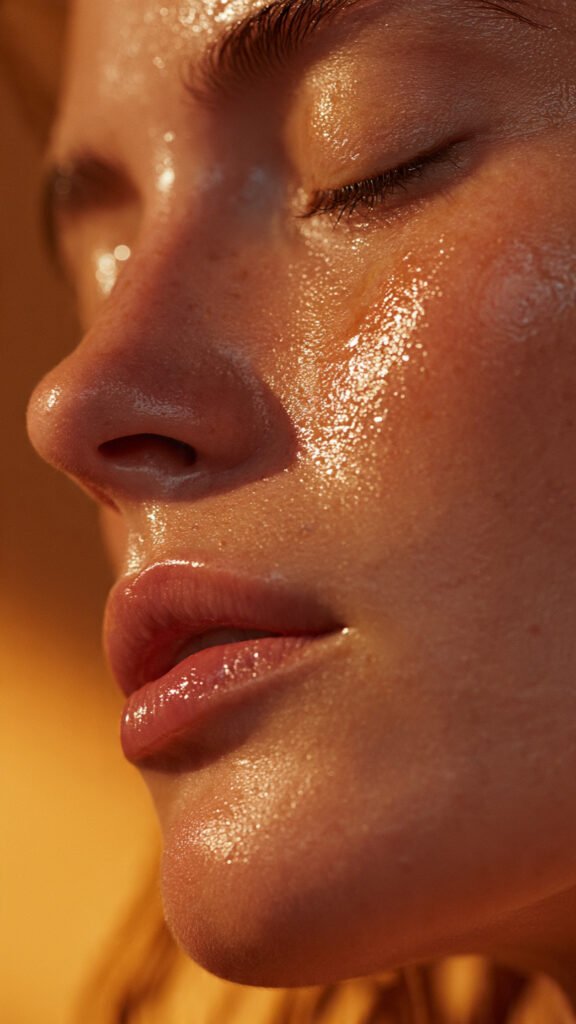
Sometimes your skin needs more than water‑based hydration; it needs oil. Oil‑based skin tint drops combine lightweight plant oils (jojoba, marula, rosehip) with sheer pigments. The result is a glossy, intensely nourishing formula that glides over flakes and seals in moisture. Shake the bottle well, then mix one to three drops into your regular moisturizer or apply directly to dry areas.
The finish is extremely dewy, bordering on wet‑looking, so those with oily skin should avoid this. An oil‑tint hybrid works best for mature, dry, or eczema‑prone complexions that crave lipid support. Because the oils are non‑comedogenic for most, you won’t break out. Apply with fingers only—brushes will absorb the precious oils. Your skin will look supple, bouncy, and deeply comfortable, like you just finished a facial.
16. Matte Powder Tint (Solid to Liquid) for Humid Climates
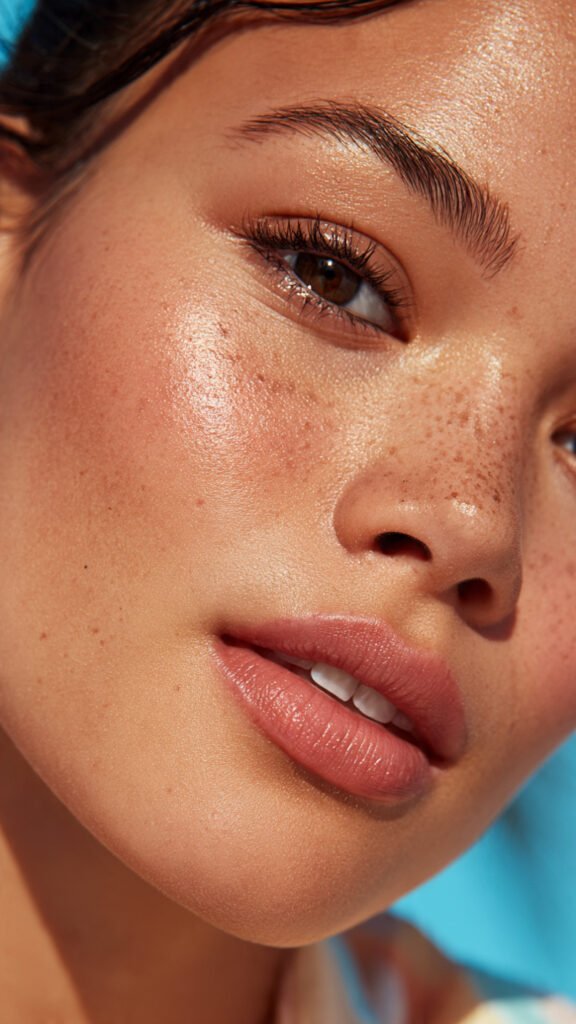
Powder foundations can look dusty, but a matte powder skin tint that transforms on contact with skin is different. These innovative compacts contain spherical powders and binders that melt into a cream‑to‑powder finish when warmed by body heat. Swirl a dense brush in the pan, then buff onto bare skin. The initial powder feel disappears into a soft, velvety matte that controls humidity‑induced shine for hours.
Because there’s no water in the formula, powder tints never sweat off or separate in tropical weather. They’re also fantastic for people who hate the sensation of liquid on their face. Build coverage from sheer to medium by layering more product. The finish is never flat—these powders often contain light‑refracting minerals that keep skin looking alive. Keep one in your beach bag for post‑swim touch‑ups when you don’t want to carry liquids.
17. Self‑Adjusting Tint with Micro‑Fine Pigments for All Skin Tones
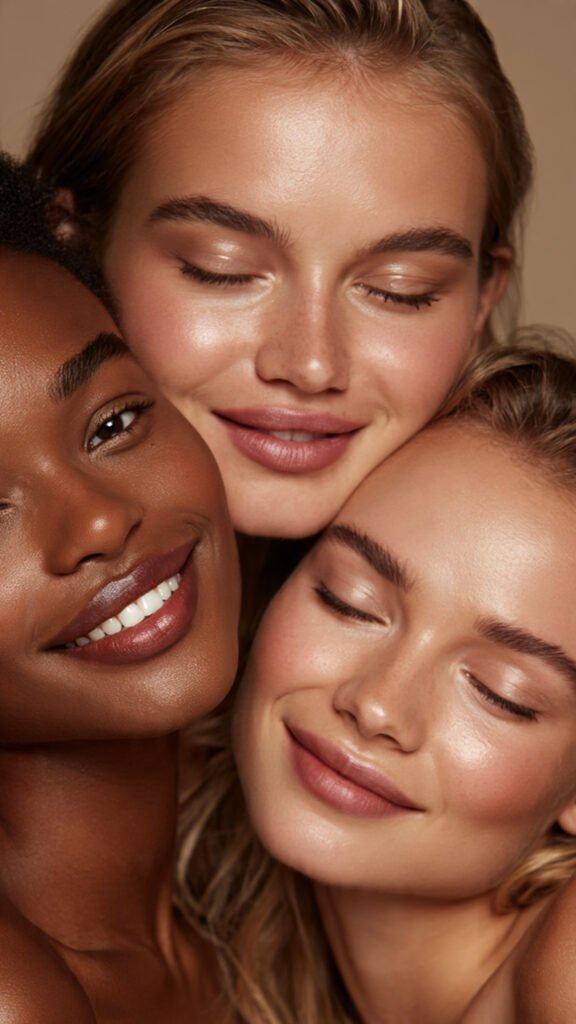
Finding your exact shade in a drugstore aisle can feel impossible. A self‑adjusting skin tint uses micro‑fine pigments that respond to your skin’s natural tone, blending seamlessly across Fitzpatrick types II to V. These are not the gimmicky pH‑changing products; instead, they rely on optical physics to match undertones. Apply a pearl‑sized amount, and the tint seems to disappear into your skin, leaving behind only a smoothing, color‑correcting veil.
The magic lies in the particle size—tiny enough to settle between skin cells rather than sitting on top. A self‑adjusting tint won’t give you full coverage, but it erases the “floating head” effect of mismatched foundation. It’s ideal for interracial families, travel, or anyone tired of buying three summer shades. The finish is natural skin, not makeup, and it wears down gracefully without turning orange or ashy.
18. Probiotic‑Infused Tint for Sensitive Skin
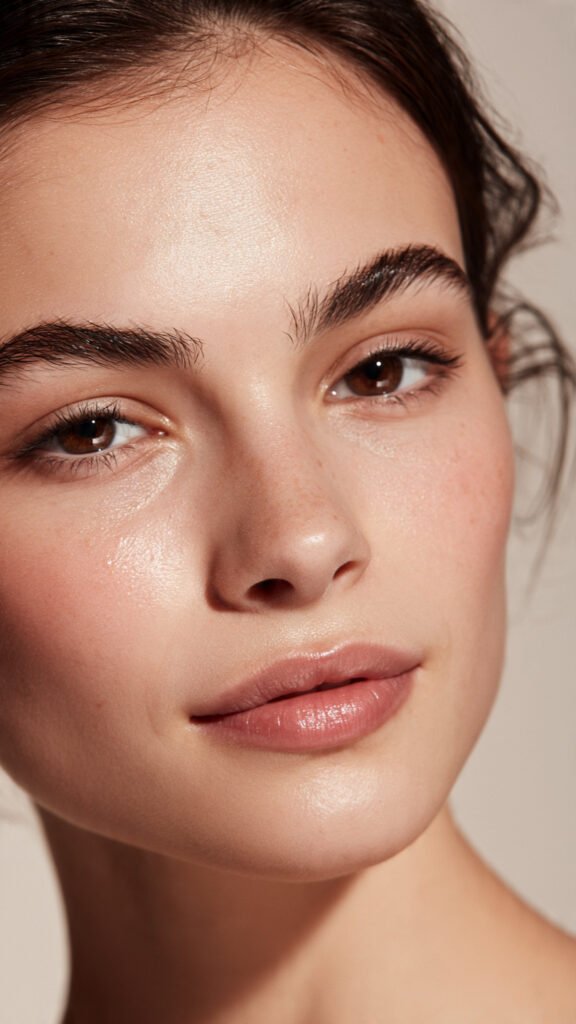
Redness, stinging, and reactivity often come from a disrupted skin barrier. A probiotic skin tint contains fermented ingredients or live lysates that support your skin’s healthy microbiome. These formulas are free of fragrance, alcohol, and essential oils, making them some of the gentlest options available. The tint itself is light but surprisingly effective at calming visible irritation, thanks to anti‑inflammatory postbiotics.
Apply with clean hands to avoid introducing bad bacteria. A probiotic‑infused tint also acts as a barrier against pollution and other environmental stressors. Over weeks of use, you may notice fewer random flare‑ups and less dryness. The coverage is sheer, but that’s a benefit—heavy makeup often aggravates sensitive skin. This idea turns your daily tint into a long‑term skin health investment.
19. Illuminating Cream Tint for Flat, Lifeless Skin
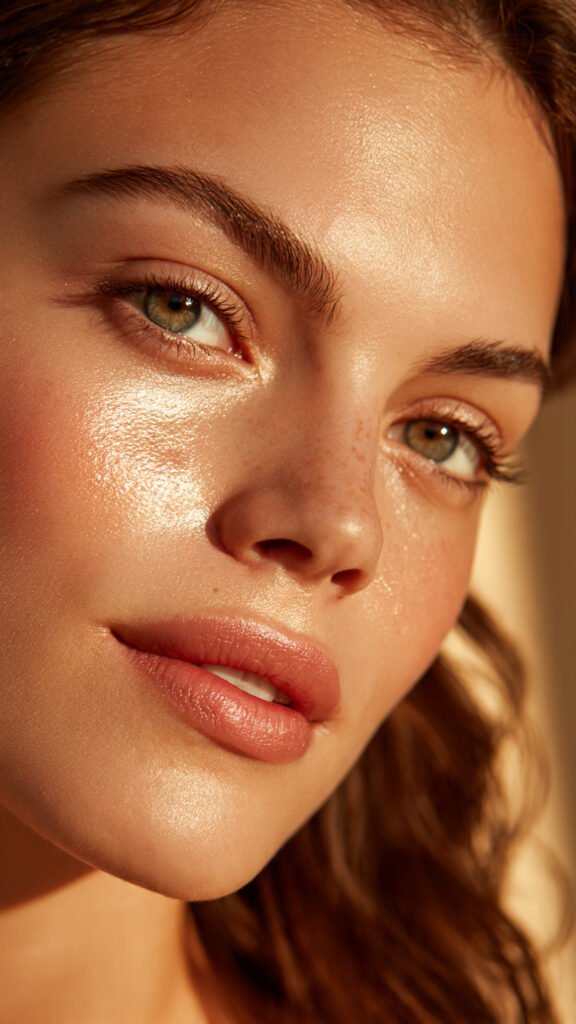
Some skin tints add radiance; an illuminating cream tint takes it further with a wet, glass‑skin effect. These products contain liquid light reflectors similar to those in expensive highlighters, but spread evenly across the whole face. The texture is a thick, bouncy cream that warms up between your fingers. When applied, it doesn’t just sit on top—it fuses with your skin to create a mirror‑like sheen that moves with your expressions.
Use a damp sponge to bounce the illuminating tint onto the high points of your face, then blend the remnants everywhere else. Avoid the nose if it gets oily. The result is editorial‑grade luminosity that photographs beautifully, especially in natural light. This is not for everyday desk jobs under fluorescent bulbs, but for date nights, weddings, or any event where you want to look lit from within.
20. Tint with Niacinamide for Texture and Bumpy Skin
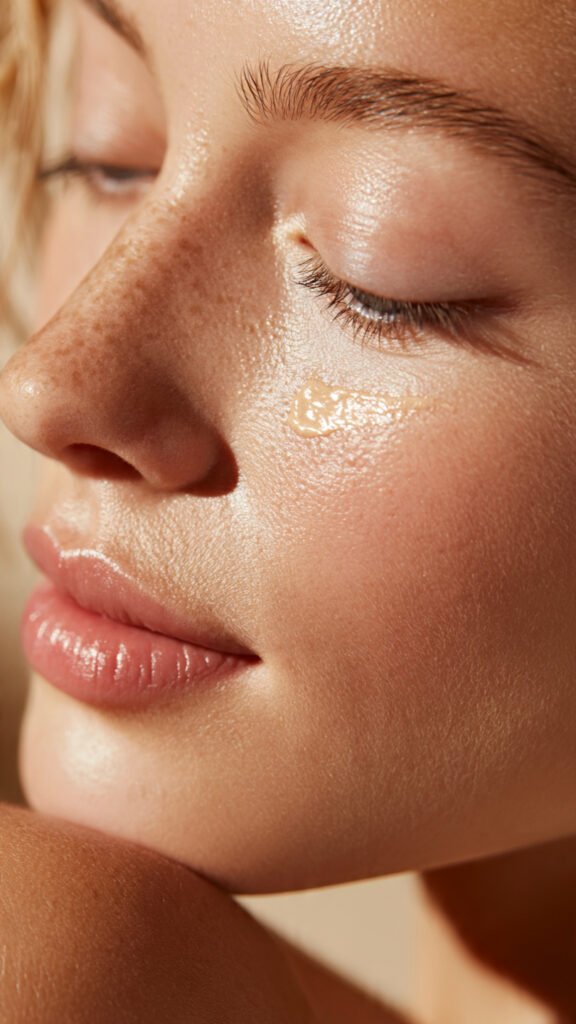
Keratosis pilaris on the cheeks or general rough texture makes makeup look patchy. A skin tint with niacinamide (vitamin B3) smooths bumps over time while providing immediate blurring effects. Niacinamide strengthens the skin barrier and regulates oil, so your tint wears better hour after hour. The formula is usually a lotion‑like fluid that never pills over dry patches or clogged pores.
Apply after exfoliating toner but before heavier creams. A niacinamide tint won’t cover deep scars, but it makes the surface feel velvety to the touch. Within two weeks of daily use, you’ll notice fewer textural irregularities. The coverage is light but buildable, and the finish leans natural‑to‑matte. This is the ultimate choice for anyone who has given up on foundation because it always looks bumpy and separated.
21. Two‑in‑One Lip and Cheek Tint for Monochromatic Looks
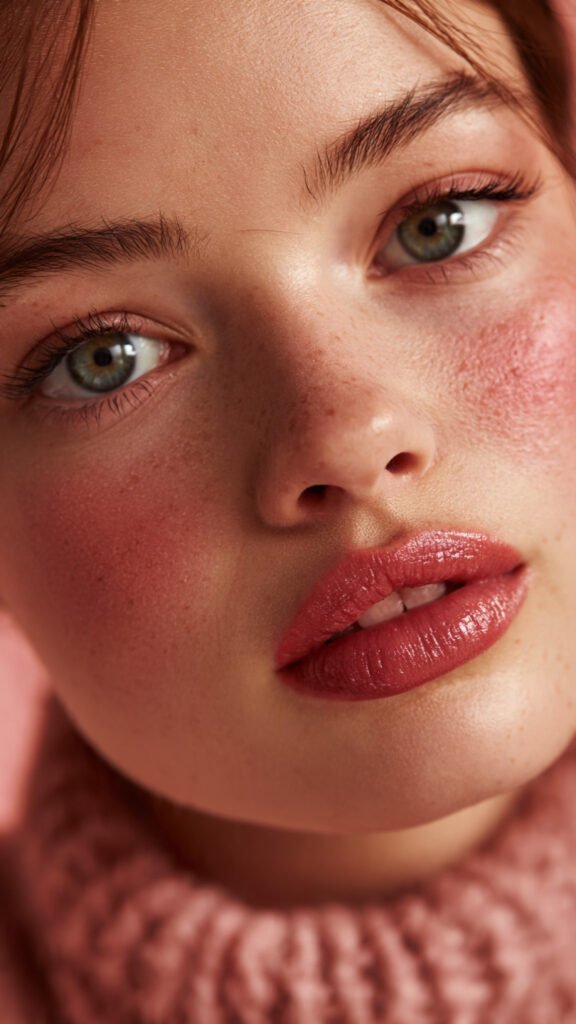
Why buy separate products when a lip and cheek skin tint does double duty? These gel or liquid stains come in small bottles or sticks, offering a sheer wash of color that works on both lips and cheeks. As a face tint, they blend into sheer nothingness, leaving behind a healthy flush that looks like your natural circulation. The consistency is watery or balmy, never thick or mask‑like.
Dab three dots on each cheekbone and blend quickly with fingers before it sets. On lips, apply a thin layer and let it dry for a blurred, just‑bitten effect. A two‑in‑one tint saves money, space, and decision fatigue. The colors are usually warm and universally flattering—think soft berries, rosy browns, and apricots. This idea gives you a cohesive, effortless monochromatic look in under a minute.
22. Tint with Caffeine for Puffy Morning Eyes
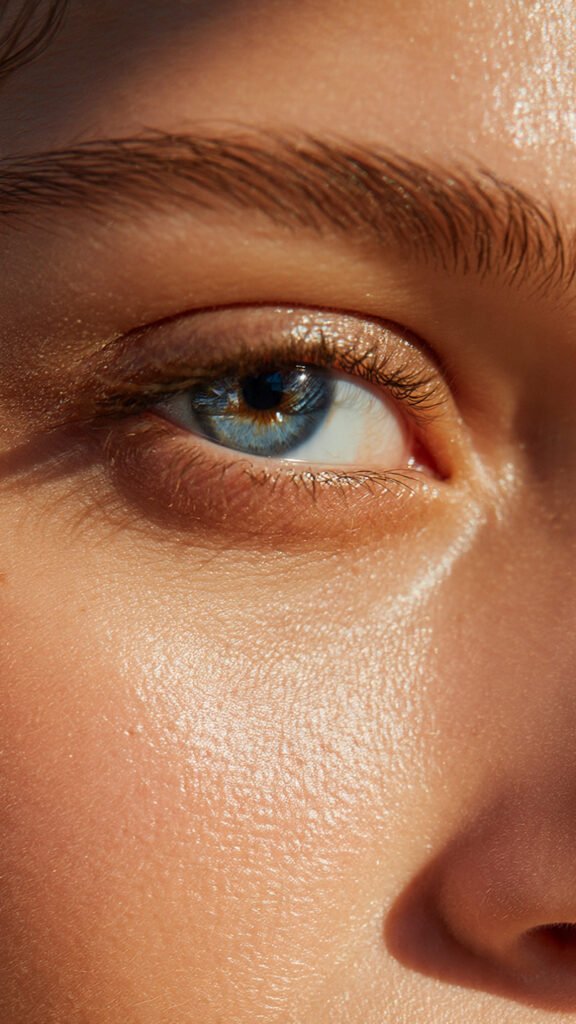
Waking up with swollen under‑eyes and a dull complexion is the worst. A caffeine‑infused skin tint addresses both issues simultaneously. Caffeine constricts blood vessels, reducing puffiness and dark circles, while the tint covers any residual discoloration. These formulas are usually thin, almost like an eye serum, but safe for the entire face. Apply a dot under each eye and blend outward, then use the remaining product on your lids and the center of your forehead.
The cooling metal applicator on some bottles enhances the de‑puffing effect. A caffeine tint won’t replace a dedicated concealer for severe bags, but it turns a tired, sluggish face into a rested one within minutes. It’s perfect for early flights, post‑party mornings, or any day you couldn’t get your full eight hours. Plus, the sheer coverage means you never look overdone—just awake.
23. Zero‑Coverage Tint for “My Skin But Better” Purists
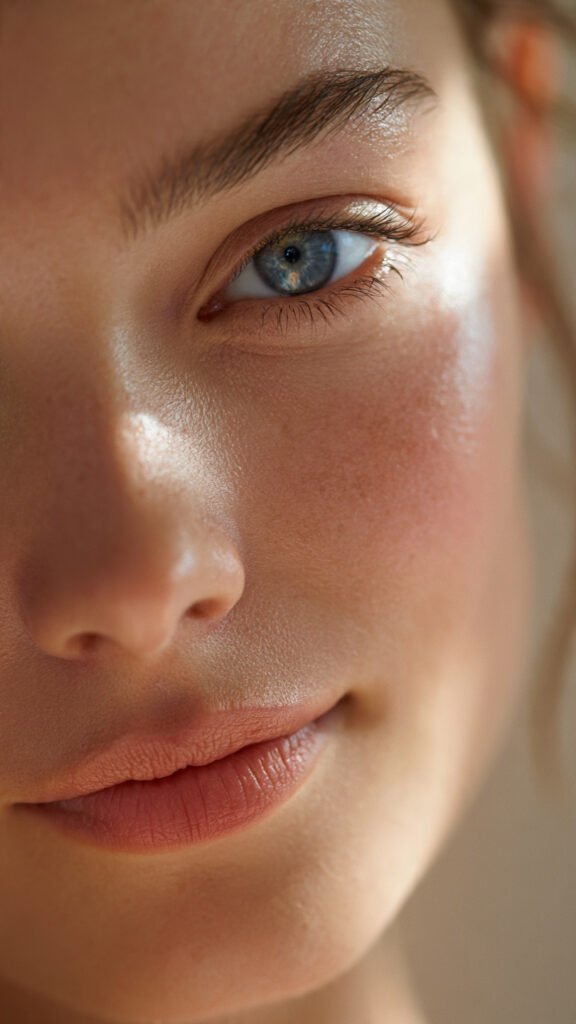
Some people don’t want coverage at all—just a blurring, smoothing effect with zero pigment. A zero‑coverage skin tint (sometimes called a blurring primer or skin perfector) contains no titanium dioxide or iron oxides. Instead, it uses optical diffusers and silicones to fill in fine lines and pores without changing your skin’s natural color. The result is invisible to the naked eye but obvious in how soft and even your skin appears.
Apply after skincare, let it dry for thirty seconds, and go. A zero‑coverage tint won’t hide freckles, acne, or birthmarks—it simply refines texture. This idea is for those who love their natural coloring but want that “filter in real life” effect. It also works beautifully over other skin tints as a finishing step to lock everything in place without powder. Purists, minimalists, and no‑makeup‑makeup lovers, this is your holy grail.
Conclusion
Finding the right skin tint isn’t about chasing trends—it’s about working with your unique skin type, texture, and daily needs. From dewy finishes for dry complexions to matte options for humid climates, and from pearl‑infused evening glows to zero‑coverage blurring formulas, there’s a tint for every moment of your life. The best part? You never have to sacrifice healthy, breathing skin for a polished look. Start with one or two ideas that speak to your biggest concerns, experiment with application, and enjoy the freedom of makeup that feels like nothing but looks like everything.