Homemade strawberry jam turns a basket of ripe berries into jars of sweet, spoonable joy you can enjoy all year. It tastes brighter than most store-bought jars, and you control the sweetness, the texture and the ingredients. This guide walks you through seven easy variations, from a classic cooked jam to a no-cook freezer version, so you can pick the one that fits your kitchen and your week.
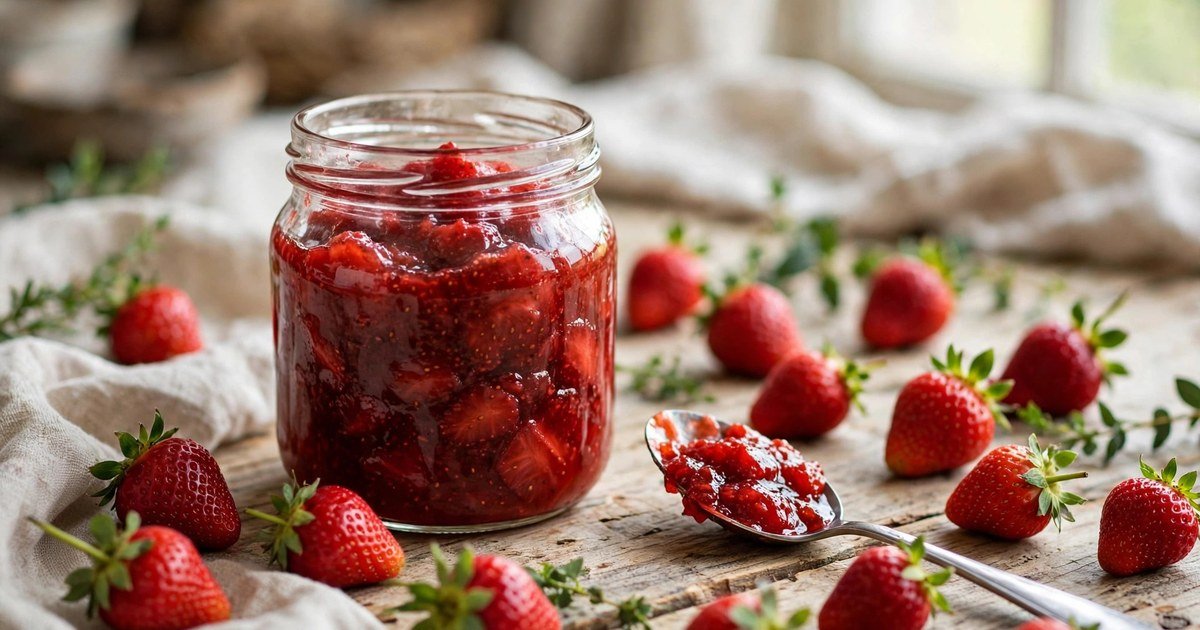
Jam making looks fussy from the outside, but most of the work is just washing berries, mashing them and stirring a pot. A single batch takes about an hour from start to finish, and the jars keep for weeks in the fridge. If you enjoy baking, these easy Christmas cookie recipes make a sweet partner for a fresh jar of jam.
Before the recipes, a short section covers the basics every jam maker should know, from choosing berries to understanding how jam sets. Then come the seven recipes, each with who it suits, how to make it, a pro tip and a mistake to avoid. Finish with storing and serving ideas, plus answers to the questions readers ask most.
Table of Contents
What to Know Before You Make Jam
Start with ripe, fragrant berries. Slightly soft berries make the sweetest jam, while underripe ones stay tart and need more sugar. Wash them gently, hull them, and taste one before you begin so you know how sweet your batch will run.
Jam is one of the oldest ways to keep fruit, and the basic idea behind fruit preserves has stayed the same for generations: cook fruit with sugar until it thickens and keeps. Sugar does more than sweeten; it helps the jam set and keeps it safe in the jar. That is why low-sugar versions need a different approach, which you will see in recipe two.
Pectin is the natural fiber that makes jam gel. Strawberries are naturally low in it, so many recipes add lemon juice or a little commercial pectin to help the set. You can learn more about how pectin works if you like the science, but you do not need it to succeed.
A simple plate test tells you when the jam is ready: chill a small plate, drop a spoonful on it, and push it with your finger. If it wrinkles, it is done.
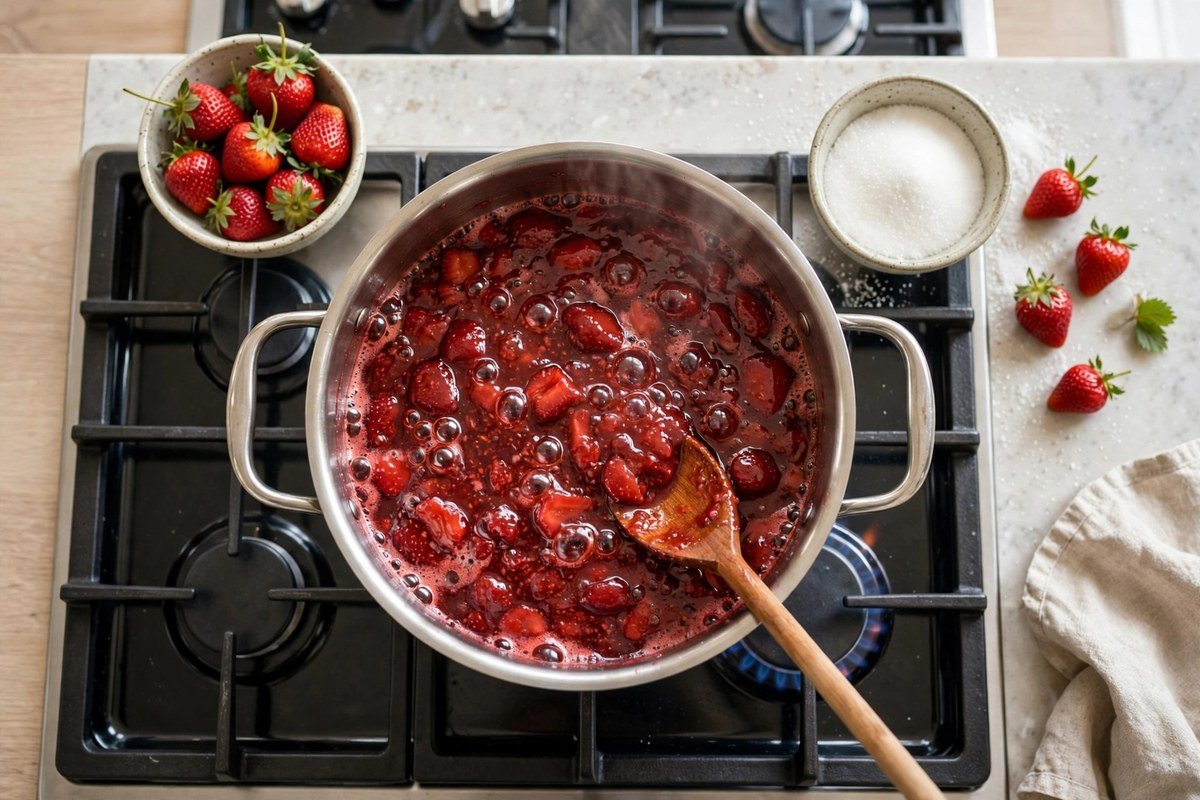
Use a wide, heavy pot so the jam cooks evenly and splashes less. Keep a wooden spoon, a ladle and clean jars ready before the berries hit the heat. Once the jam starts boiling, stay nearby and stir often so nothing sticks or scorches.
Homemade Strawberry Jam Recipes: 7 Easy Variations to Try
These seven homemade strawberry jam recipes cover the main styles home cooks reach for. Each one starts with the same fresh berries and ends with a jar worth sharing. Pick one to start, and try another when the next basket of berries comes home.
Classic Strawberry Jam
What it is: The traditional cooked jam most people picture: crushed strawberries, sugar and lemon juice simmered until thick and glossy. This homemade strawberry jam is the best place to start if you have never made jam before.
Who it suits: First-time jam makers and anyone who wants one reliable jar for toast, baking and gifts.
How to make it: Hull and crush about four cups of berries, then stir in sugar and a squeeze of lemon juice. Bring the pot to a rolling boil, then simmer and stir until the jam thickens and passes the plate test, usually in twenty to thirty minutes. Skim off any foam, ladle into clean jars and let them cool before lidding.
Pro tip: Mash the berries lightly for a chunky jam, or crush them well for a smoother spread.
Mistake to avoid: Walking away while the jam boils; it can scorch fast and the burnt taste cannot be fixed.
Low-Sugar Strawberry Jam
What it is: A lighter jam made with less sugar and a little added pectin, so it still sets without the full sweetness of the classic version.
Who it suits: Anyone who finds regular jam too sweet or wants a fresher, more berry-forward flavor.
How to make it: Crush the berries and stir in about half the sugar a classic recipe uses, plus lemon juice and pectin made for low-sugar recipes. Bring it to a boil, cook just until it sets, then jar it while hot. Because it has less sugar, it keeps for a shorter time, so make small batches.
Pro tip: Taste the berries first; very sweet berries need even less sugar than the recipe suggests.
Mistake to avoid: Using regular pectin in a low-sugar batch; it needs sugar to set and the jam may stay runny.
Strawberry Chia Jam
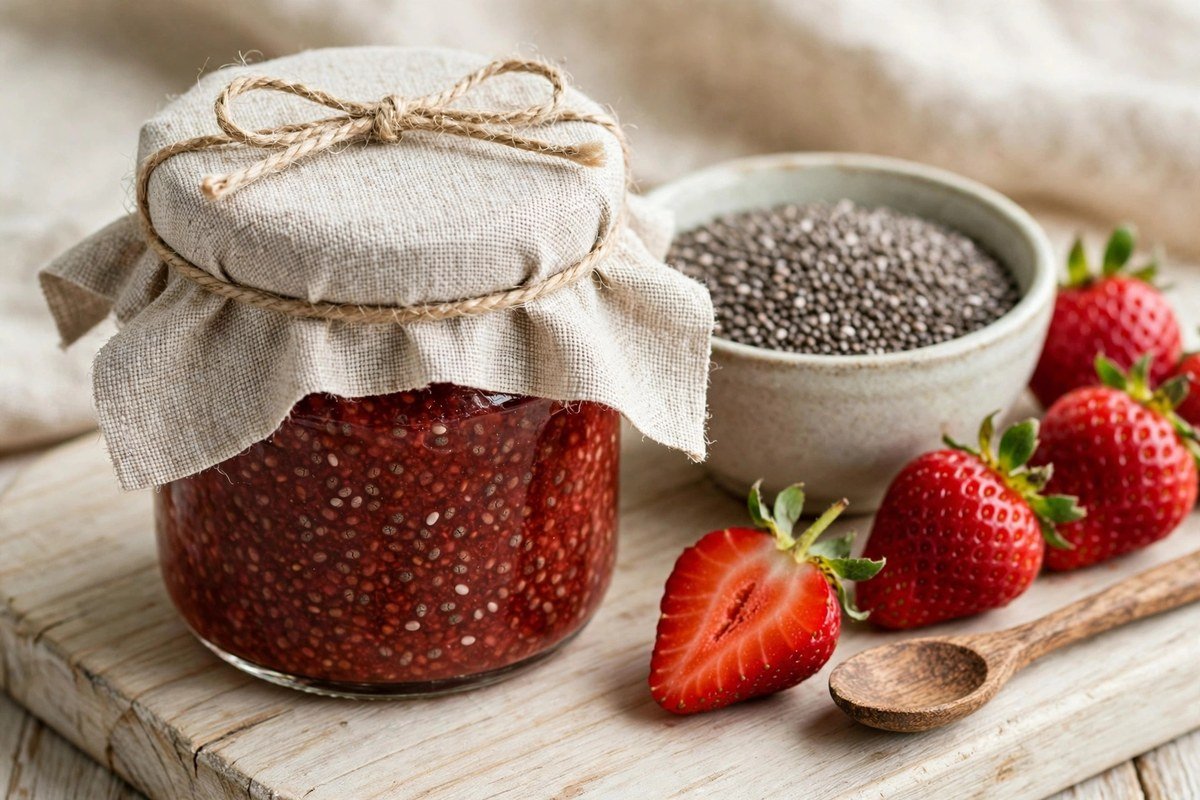
What it is: A quick, small-batch jam thickened with chia seeds instead of a long boil, made right in a saucepan in about fifteen minutes.
Who it suits: Busy cooks, small households and anyone who wants jam today without a big cooking project.
How to make it: Simmer crushed strawberries with a little maple syrup or honey until they soften, then stir in chia seeds and let the pot sit off the heat. The seeds swell and thicken the jam as it cools. Spoon it into a jar and keep it in the fridge, where it firms up even more.
Pro tip: Let the jam cool fully before you judge the thickness; chia keeps setting as it chills.
Mistake to avoid: Adding too many seeds at once, which can turn the jam stiff instead of spoonable.
Strawberry Freezer Jam
What it is: A no-cook jam that keeps the berries tasting fresh and bright, set with pectin and stored in the freezer instead of the pantry.
Who it suits: Anyone with a freezer and a glut of berries, and cooks who love the taste of raw, just-picked fruit.
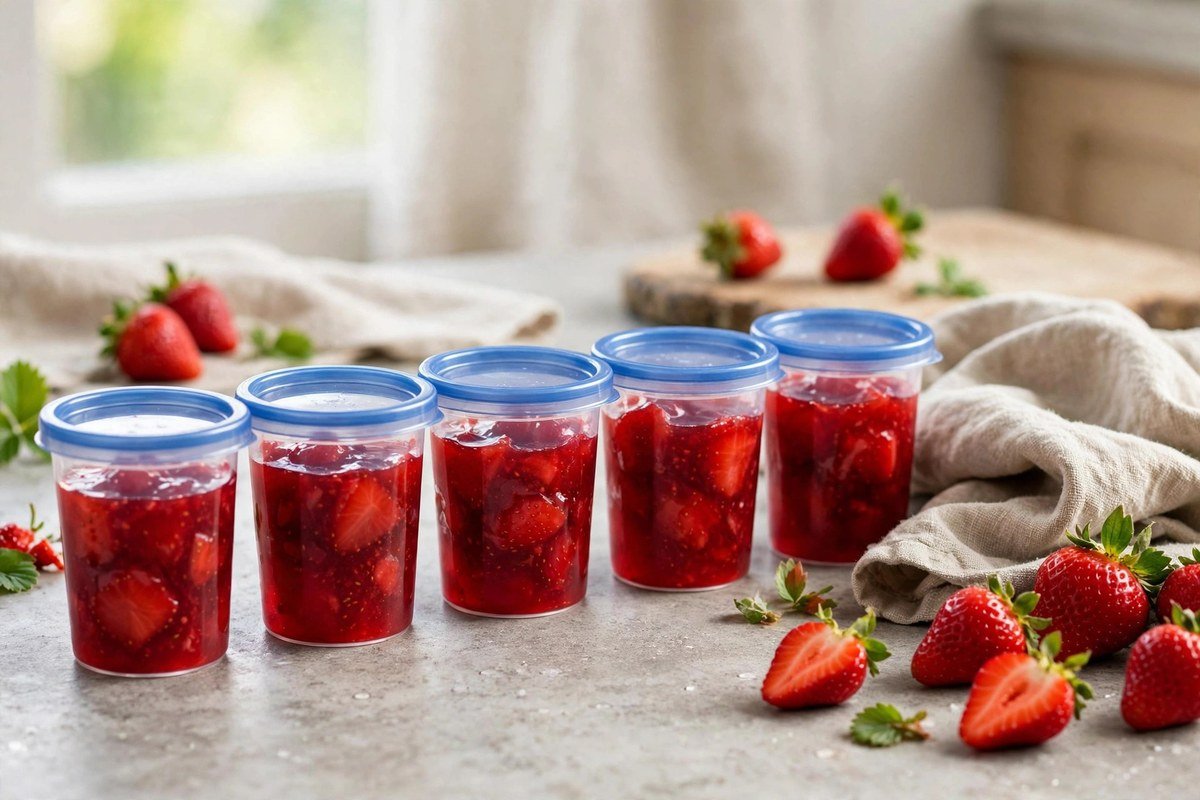
How to make it: Crush ripe berries and stir in sugar, lemon juice and freezer pectin until the sugar dissolves. Let the mixture rest for about half an hour, stirring now and then, then spoon it into freezer-safe containers. Leave a little headspace at the top, lid the containers and freeze them.
Pro tip: Thaw one container at a time in the fridge so the rest stays fresh for months.
Mistake to avoid: Filling containers to the brim; the jam expands as it freezes and can push the lids off.
Strawberry Vanilla Jam
What it is: A classic cooked jam with a split vanilla bean or a spoonful of vanilla stirred in, giving the berries a warm, rounded sweetness.
Who it suits: Bakers and anyone who likes a jam that tastes a little special without extra work.
How to make it: Cook crushed strawberries with sugar and lemon juice as you would a classic jam, adding the vanilla bean near the start so its flavor melts into the fruit. Simmer until thick, remove the bean, and jar the jam while hot. It tastes wonderful spooned over warm slices of homemade monkey bread variations for a slow weekend breakfast.
Pro tip: Scrape the seeds from the bean into the pot too; they add flavor and pretty dark flecks.
Mistake to avoid: Adding vanilla extract at the start of a long boil, since much of its flavor cooks away.
Strawberry Lemon Jam
What it is: A bright, zesty jam where lemon juice and a little zest lift the berries and help the jam set firmly.
Who it suits: Anyone who likes tart-sweet flavors, and cooks serving jam with rich foods like scones or cheese.
How to make it: Crush the berries and stir in sugar, lemon juice and a teaspoon of finely grated zest. Cook the mixture at a steady simmer, stirring often, until it thickens and passes the plate test. The lemon shortens the cooking time a little, so start testing early. Jar the jam while hot and let it cool before lidding.
Pro tip: Zest the lemon before you juice it, and use only the yellow part, not the bitter white pith.
Mistake to avoid: Adding too much zest, which can turn the jam bitter instead of bright.
Strawberry Rhubarb Jam
What it is: A sweet-tart jam that pairs strawberries with rhubarb, the classic spring combination that balances berry sweetness with a gentle tang.
Who it suits: Gardeners with rhubarb to use up, and anyone who finds plain strawberry jam a touch too sweet.
How to make it: Chop rhubarb and strawberries into small pieces and toss them with sugar, letting the fruit sit for half an hour until it turns juicy. Cook the mixture slowly, stirring often, until the rhubarb softens and the jam thickens. The rhubarb breaks down into the jam, so no mashing is needed. Jar it while hot and cool before lidding.
Pro tip: Cut the rhubarb small and even so it cooks down at the same pace as the berries.
Mistake to avoid: Using very old, woody rhubarb stalks, which stay stringy no matter how long they cook.
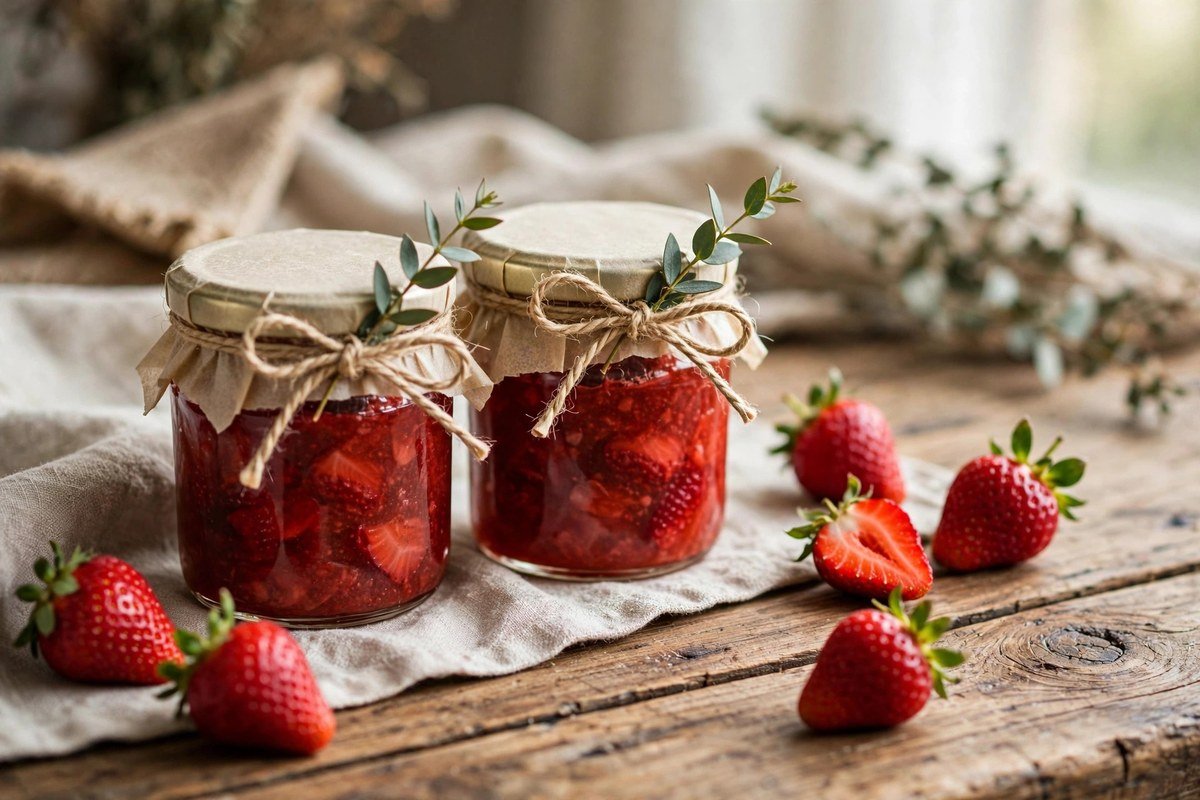
How to Store and Serve Your Jam
Let your homemade strawberry jam cool before you lid the jars, and store them in the fridge once they reach room temperature. Most cooked jams keep for three to four weeks refrigerated, while freezer jam keeps for months in the freezer. Label each jar with the date so you use the oldest first.
Serve jam on toast, swirled into yogurt, or spooned over pancakes on a slow weekend morning. It also makes a lovely filling for thumbprint cookies and a sweet layer in a trifle. For a cozy breakfast table, pair it with warm breakfast casserole recipes and let everyone help themselves.

For longer keeping, some cooks water-bath their jars, but that needs tested times and proper equipment. If you are new to canning, stick to fridge and freezer storage until you have read a trusted canning guide. Safe jam is happy jam, and the fridge versions taste just as good.
Frequently Asked Questions
Can I freeze homemade strawberry jam?
Yes, freezer jam is made for it, and cooked jam freezes well too. Spoon the cooled jam into freezer-safe containers, leave a little headspace for expansion, and thaw one container at a time in the fridge. Use thawed jam within a few weeks for the best flavor.
How long does strawberry jam last in the fridge?
Most cooked jams keep for three to four weeks in the fridge once opened, and unopened fridge jam lasts about the same. Low-sugar and chia jams keep for a shorter time, usually one to two weeks. If you see mold or smell anything off, throw the jar out.
Why is my jam runny?
Runny jam usually means it did not cook long enough, the berries were very juicy, or the recipe needed more pectin. You can recook it with a little lemon juice or pectin until it passes the plate test. Next time, test a spoonful on a chilled plate before you jar it.
Do I need pectin to make strawberry jam?
No, but it helps. Strawberries are low in natural pectin, so jam without added pectin needs a longer cook and plenty of lemon juice to set. Added pectin gives a firmer set with a shorter cooking time, which keeps the flavor fresher. Both ways work well.
Can I use frozen strawberries for jam?
Yes, frozen berries make good jam. Thaw them first and keep the juice they release, since it adds flavor and helps the jam cook evenly. You may need a slightly longer simmer to cook off the extra liquid, so test with the chilled plate method.
Conclusion
This homemade strawberry jam collection gives you seven ways to turn fresh berries into jars worth keeping, sharing and spooning over everything. Start with the classic, then try a freezer batch or a vanilla version when you are ready. For more sweet mornings, explore the other recipes here and keep your breakfast table full all season.


