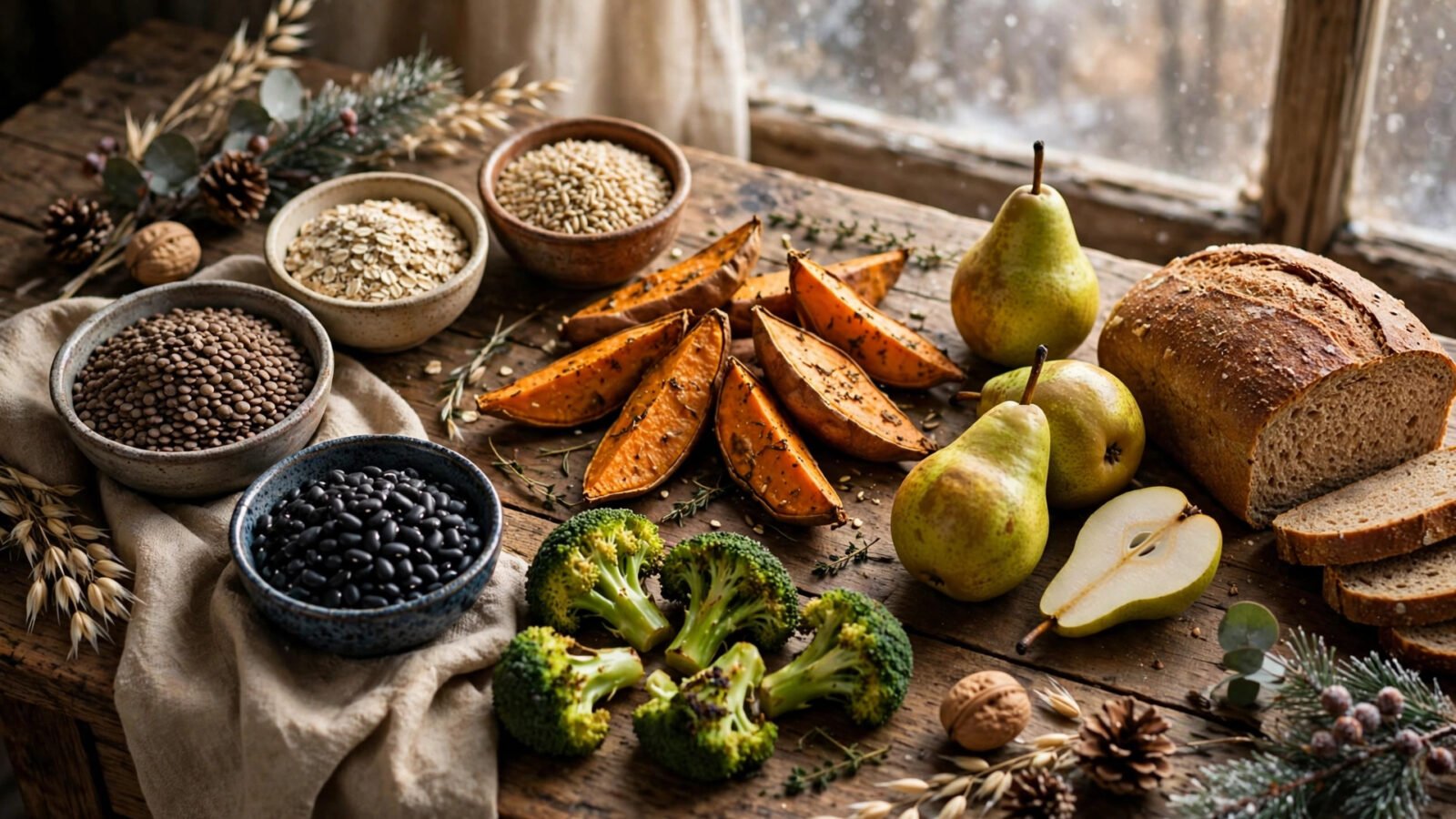
These 12 high fiber foods for winter meals make cold-weather cooking feel hearty and satisfying without much fuss. Each one is easy to find, simple to cook, and happy in soups, skillets, and slow weekend bakes. If winter dinners have started to feel a little samey, this list is a gentle place to begin.
Fiber is the part of plant food that your body does not fully break down, and it helps a meal feel filling for longer. A plain-language overview of dietary fiber covers the basics if you would like the background. The 12 high fiber foods for winter meals below lean on beans, whole grains, seeds, and sturdy winter produce.
You will find serving ideas for breakfasts, lunches, and dinners, so these 12 high fiber foods for winter meals work all day long. Everything here is ordinary grocery food, nothing specialty or hard to track down. For more seasonal cooking inspiration, browse our simple winter recipe ideas whenever you need a fresh plan.
Table of Contents
The 12 High Fiber Foods for Winter Meals
Start with the foods your household already likes, then add one new one each week. Every pick below includes a simple serving idea, a pro tip, and one mistake to skip. Together, these 12 high fiber foods for winter meals can carry breakfasts, lunches, and dinners all season.
1. Lentils
Lentils are small, quick-cooking legumes that need no soaking, which makes them an easy place to start. The humble lentil has fed families for centuries because it is sturdy, mild, and inexpensive. Lentils open this list of 12 high fiber foods for winter meals because they suit soups, stews, and warm salads alike.
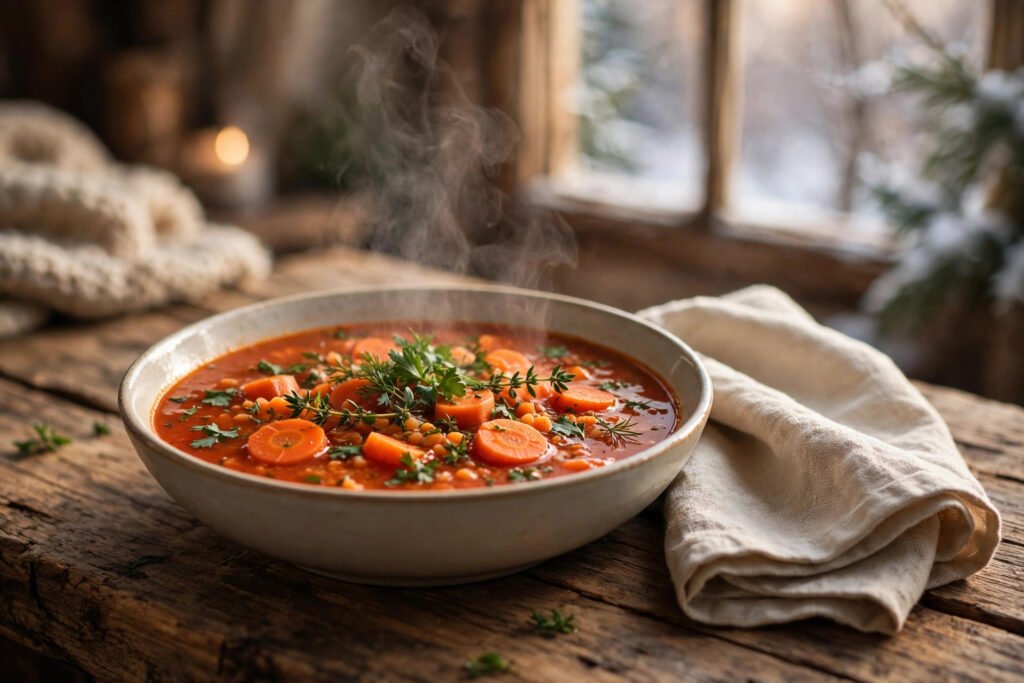
Simmer red lentils into a spiced tomato soup for about 25 minutes, or fold cooked green lentils into a warm grain bowl. Pro tip: red lentils melt down and thicken, while green and brown lentils stay whole. Mistake to avoid: adding acidic tomatoes at the very start, which can slow softening; stir them in near the end.
2. Black beans
Black beans are soft, earthy beans that come ready to use from a can or cook gently from dried. They suit busy cooks who want dinner to feel substantial without meat. As one of the 12 high fiber foods for winter meals, they bring a dark, pretty contrast to squash and corn.
Warm them into a smoky black bean chili, or mash them onto toast with a fried egg for an easy supper. Pro tip: rinse canned beans to soften their flavor and wash away starchy liquid. Mistake to avoid: boiling dried beans hard the whole time, which can split the skins; a gentle simmer keeps them tender.
3. Oats
Oats are a soft whole grain most people know from breakfast, but they earn their place at dinner too. They suit anyone who likes a gentle start to the day or a budget-friendly pantry staple. Among the 12 high fiber foods for winter meals, oats are the quiet all-rounder.
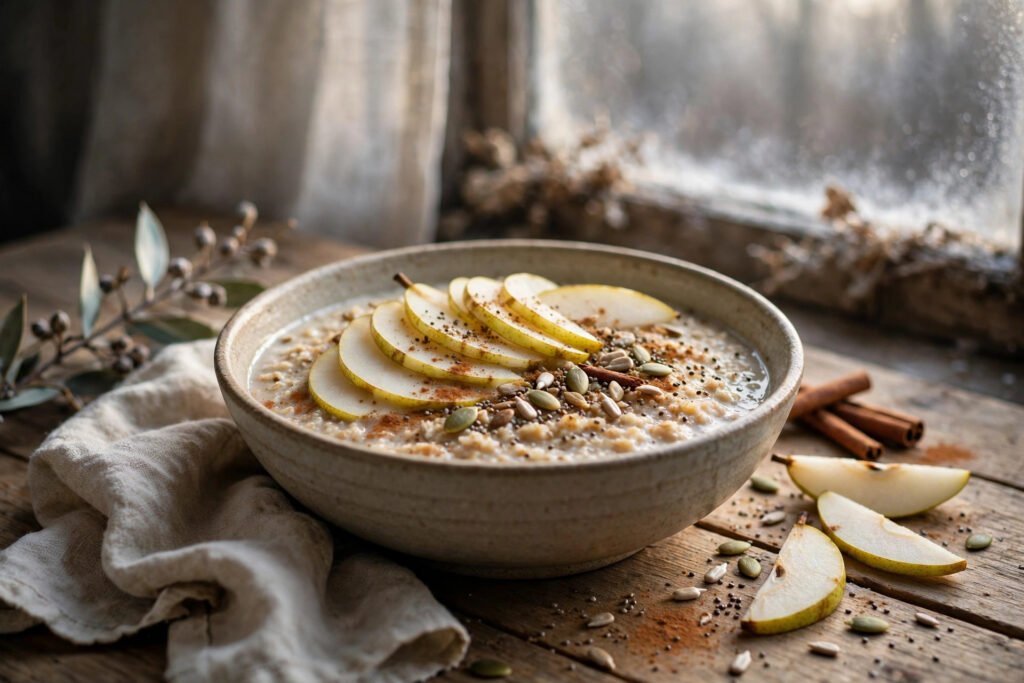
Cook a pot of oatmeal with pear and cinnamon, or use rolled oats to thicken meatballs and veggie burgers. Pro tip: toast oats in a dry pan for a few minutes before cooking for a warmer, nuttier taste. Mistake to avoid: walking away from the pot, since oats bubble up and can boil over quickly.
4. Pears
Pears are a sweet winter fruit with much of their fiber in the skin, so they are best eaten unpeeled. They suit snackers, salad makers, and anyone who wants a softer alternative to apples. Pears sweeten this list of 12 high fiber foods for winter meals without any cooking at all.
Slice pears over oatmeal, tuck them into a grilled cheese, or poach them in spiced water for a light dessert. Pro tip: buy pears a little firm and let them ripen on the counter for a few days. Mistake to avoid: peeling them out of habit, which throws away much of the fiber and some of the flavor.
5. Brussels sprouts
Brussels sprouts are small, leafy cabbages that turn sweet and crisp-edged when roasted at high heat. They suit cooks who want a sturdy side dish that stands up to rich mains. On a list of 12 high fiber foods for winter meals, sprouts bring the crunch.
Roast halved sprouts for about 25 minutes until the edges brown, or shave them raw into a crunchy slaw. Pro tip: cut a small cross in the base of large sprouts so the centers cook through. Mistake to avoid: crowding the pan, which steams the sprouts and keeps them from crisping.
6. Sweet potatoes
Sweet potatoes are dense, orange roots that bring color and gentle sweetness to winter plates. They suit almost everyone, from soup makers to sheet-pan fans. Few of the 12 high fiber foods for winter meals are as flexible, since the skins are edible and worth keeping.
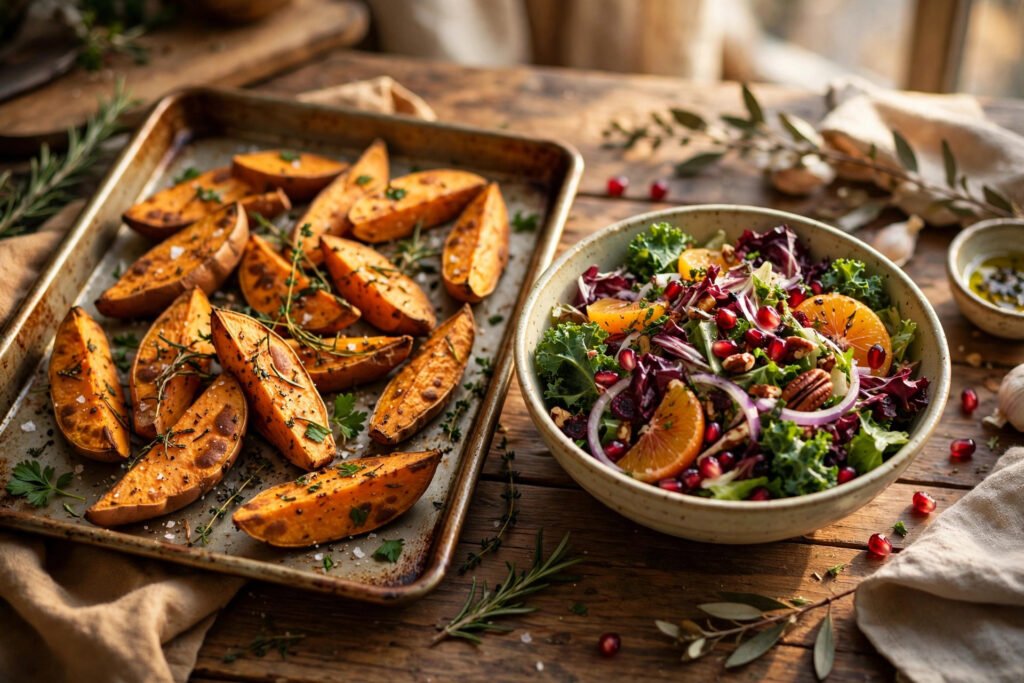
Bake them whole for about 45 minutes, cube them into curries, or roast wedges with smoked paprika. Pro tip: scrub the skins well and eat them for extra fiber and a pleasant chew. Mistake to avoid: storing raw sweet potatoes in the fridge, where the cold can change their texture and taste.
7. Quinoa
Quinoa is a small, quick-cooking seed that eats like a grain and carries a light, nutty flavor. It suits cooks who want a change from rice and need dinner on the table fast. Quinoa earns its spot among the 12 high fiber foods for winter meals in bowls, stuffings, and warm salads.
Simmer quinoa for about 15 minutes and use it under curries, inside stuffed peppers, or as a warm salad base. Pro tip: rinse it first in a fine sieve to wash away its natural bitter coating. Mistake to avoid: skipping the resting time; five quiet minutes off the heat makes it fluffy instead of wet.
8. Chickpeas
Chickpeas are round, golden legumes with a firm bite and a mild, nutty taste. They suit curry lovers, snack makers, and anyone who wants a plant-based staple on the plate. As one of the 12 high fiber foods for winter meals, canned chickpeas are a true weeknight shortcut.
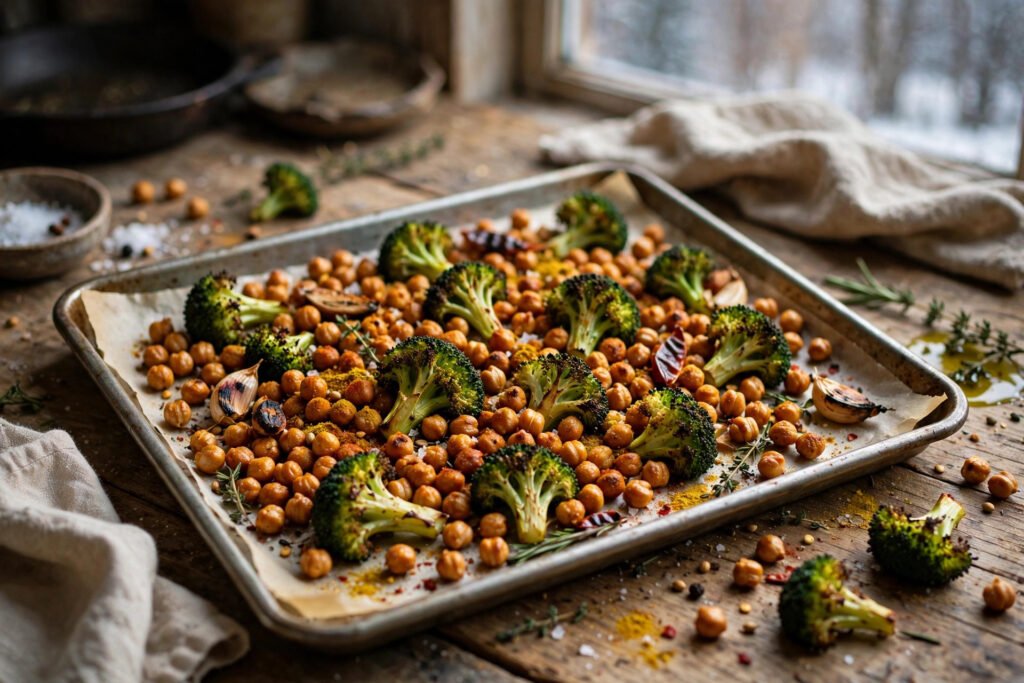
Simmer chickpeas into a tomato and spinach curry, or roast them with spices for about 30 minutes as a crunchy topper. Pro tip: dry canned chickpeas well before roasting so they crisp instead of steaming. Mistake to avoid: under-seasoning; chickpeas are mild and need a confident hand with spices, salt, and lemon.
9. Broccoli
Broccoli is a familiar green vegetable that stays affordable and available all winter. It suits families, stir-fry fans, and anyone who wants color on a beige winter plate. Broccoli keeps the 12 high fiber foods for winter meals feeling fresh, and its stems are as useful as the florets.
Roast florets until the tips char slightly, or stir broccoli into pasta bakes and cheesy rice. Pro tip: peel and slice the thick stems into coins; they cook sweet and tender. Mistake to avoid: boiling it for too long, which dulls the color and turns the texture soft.
10. Barley
Barley is a chewy, old-fashioned grain that makes soups feel like a full meal. It suits slow weekend cooking and anyone who loves a hearty, spoonable bowl. Of all the 12 high fiber foods for winter meals, barley may be the coziest.
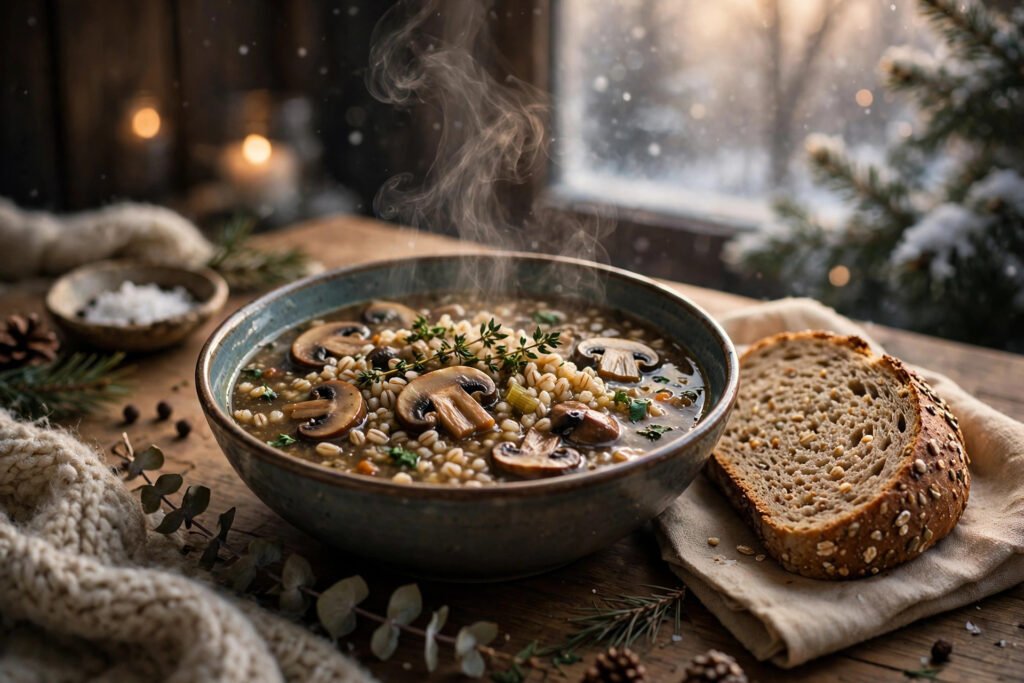
Stir pearl barley into a mushroom soup and simmer for about 35 minutes, or cook a batch for warm grain salads. Pro tip: barley keeps absorbing liquid, so add a splash of extra stock when reheating leftovers. Mistake to avoid: using it in a quick soup without checking the clock, since even pearl barley needs its simmer time.
11. Whole grain bread
Whole grain bread is the simplest swap on this list, turning toast and sandwiches into something more filling. It suits sandwich lovers, soup dunkers, and busy households alike. Bread belongs with the 12 high fiber foods for winter meals because it quietly upgrades meals you already make.
Use it for bean-topped toast, hearty grilled cheese, or croutons over winter soups and salads. Pro tip: stale whole grain bread makes excellent breadcrumbs for topping baked vegetables. Mistake to avoid: assuming brown-colored bread is whole grain; some loaves are simply colored, so check the label.
12. Chia and flax seeds
Chia and flax are tiny seeds that slip easily into food you already make. They suit smoothie drinkers, bakers, and anyone who prefers small changes over big ones. The smallest of the 12 high fiber foods for winter meals, they ask for nothing more than a spoon.
Stir chia into oatmeal, blend ground flax into smoothies, or whisk either into muffin and pancake batters. Pro tip: ground flax blends in more smoothly than whole seeds and stirs invisibly into porridge. Mistake to avoid: adding lots of dry seeds without liquid; they soak up water, so give them something to drink.
Simple Ways to Add More Fiber to Winter Meals
Add fiber gradually over a week or two rather than all at once, so your digestion has time to adjust. Drink enough water through the day as well, since fiber does its best work with fluid. Small steps, like beans twice a week, make the 12 high fiber foods for winter meals easy to keep up.
Pair these foods with the dinners you already cook, and let one new ingredient join your basket each week. Our healthy January dinner recipes show how several of them fit into real weeknight plates. If you have a digestive condition or personal dietary questions, ask your doctor what amount is right for you.
A simple shopping habit helps too: keep lentils, oats, barley, and canned beans on a standing pantry list. Add one fresh pick, like sprouts or sweet potatoes, each time you shop. With the basics always at home, a high-fiber winter meal is never more than a pot or a pan away.
Frequently Asked Questions
How can I use the 12 high fiber foods for winter meals through the week?
Pick two or three foods at a time and build around them, like lentils on Monday and chickpeas on Thursday. Keep oats and seeds for breakfasts, and let bread and barley carry lunches. Rotating a few favorites is easier than trying all twelve at once.
Do canned beans and chickpeas still count?
Yes, canned legumes keep their fiber and are a sensible shortcut for busy nights, which is why they appear among these 12 high fiber foods for winter meals. Rinse them before using to wash away extra salt and starchy liquid. Choose plain varieties when you can, and check the label if you are watching sodium.
What if my family is not used to eating much fiber?
Start small, with one bean-based dinner a week and a little extra vegetable at lunch. Increase slowly over a few weeks and keep water nearby at meals. Gentle changes tend to stick better than a sudden overhaul of the whole menu.
Can I use frozen vegetables and fruit instead of fresh?
Absolutely — frozen versions of several of the 12 high fiber foods for winter meals, like broccoli and peas, hold their fiber well and are picked at ripeness. They also save money and cut down on waste during the winter months. Keep a bag or two in the freezer for nights when the fresh box is empty.
Which foods from the list work best in soups?
Lentils, barley, black beans, and sweet potatoes all love a soup pot and make broth feel hearty. Add quicker items like broccoli near the end so they stay green and firm. A Sunday pot of soup built on the 12 high fiber foods for winter meals can cover lunches for days.
A Cozy Finish With 12 High Fiber Foods for Winter Meals
Winter cooking does not need a long list of rules; a few sturdy staples can carry the season. Keep beans, grains, and seeds in the pantry, and let winter produce do the rest. When you want another pot of something warm, our cozy winter soup recipes are a lovely next read.
Pick one of the 12 high fiber foods for winter meals to try this week, and build from there. Small, warm changes are the ones that last. Browse the rest of our guides whenever you need a little inspiration for your table.


1 comment