Let me tell you a secret that changed my life as a home cook. About three years ago, after a particularly brutal Tuesday that involved a mountain of work emails, a cranky toddler, and a sink full of dishes from the night before, I stood in front of my open refrigerator feeling utterly defeated. I had chicken thighs, broccoli, and a few sad-looking potatoes. I didn’t have the energy to wash three pots, a skillet, and a cutting board again.
In a moment of desperation, I tossed everything onto a single metal tray, drizzled it with olive oil and garlic powder, and slid it into the oven. Twenty-five minutes later, I pulled out a meal that looked like it belonged in a rustic Italian cookbook. My family ate in silence (the highest praise), and when dinner was over, I had exactly one thing to wash.
That night, I became a believer in sheet pan recipes.
Whether you are a busy parent, a college student living in a dorm, or a professional who wants to eat healthy without the hassle, sheet pan recipes are about to become your best friend. In this guide, we are going to explore everything you need to know. Furthermore, we will cover the specific tools that turn a good dinner into a great one. By the end of this article, you will be ready to throw away your non-stick pans and cook with confidence.
What Exactly Are Sheet Pan Recipes?
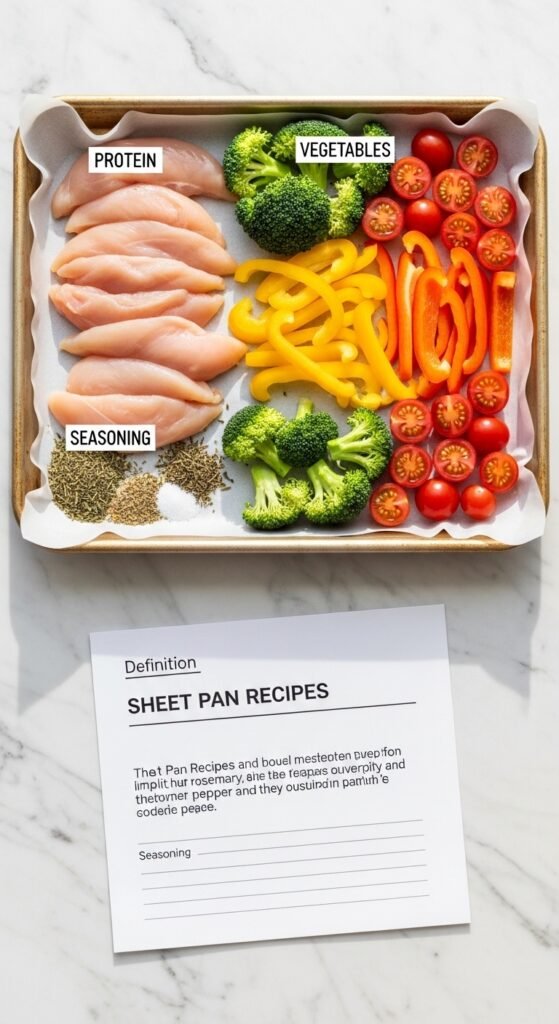
At its core, a sheet pan recipe is exactly what it sounds like: a complete meal cooked on a single, flat baking sheet. However, it is so much more than that. It is a philosophy of cooking that prioritizes efficiency, flavor, and texture.
Instead of boiling pasta in one pot, simmering sauce in another, and sautéing vegetables in a third, you arrange raw protein and veggies on a sheet pan and let the dry heat of the oven do the heavy lifting. Consequently, the heat caramelizes the natural sugars in your food. That brown, crispy edge on a Brussels sprout? That is caramelization. That golden, crackling skin on a chicken thigh? That is the magic of sheet pan cooking.
I remember explaining this to my friend Sarah, who swore she “couldn’t cook.” She always burned rice and hated stirring. I handed her a sheet pan, a bag of pre-cut green beans, some sausage links, and a timer. She looked at me like I was speaking a foreign language. Two days later, she sent me a photo of her dinner with a text that read: “I am never boiling water again.” That is the power of this method.
Why You Should Switch to Sheet Pan Recipes Tonight
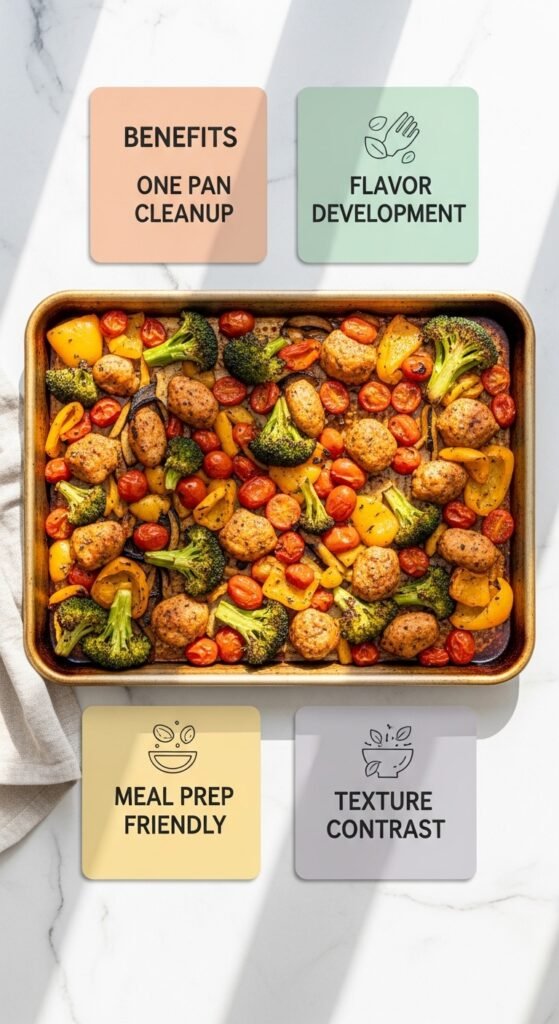
Before we dive into the step-by-step guide, let’s look at the tangible benefits. These reasons alone should convince you to invest in high-quality bakeware.
1. The One Pan Cleanup (No More Dishpan Hands)
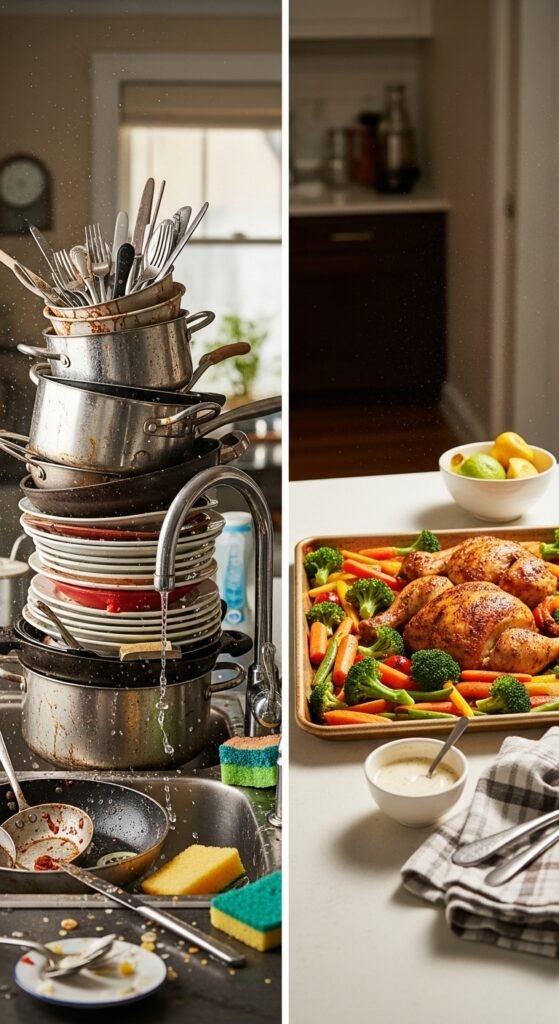
This is the obvious benefit, but it deserves repeating. Most sheet pan recipes require just the pan and the spatula. For a family of four, you might save 20 minutes of scrubbing per meal. Over a year, that is over 120 hours of your life back. You can spend that time watching a movie, reading a book, or simply relaxing.
Also Read: The Ultimate Best Avocado Toast Recipe (You’ll Make Every Morning)
2. Flavor Development via Roasting

Steaming and boiling leach flavor into water. Roasting on a sheet pan concentrates flavor. When vegetables roast, the water evaporates, leaving behind an intense, sweet, and nutty taste that you simply cannot get from a microwave or a stovetop.
3. Texture Contrast

A well-made sheet pan recipe offers a variety of textures. You get the crispy edges of the potatoes, the tender center of the salmon, and the slightly charred tips of the asparagus—all from the same pan.
4. Meal Prep Friendly
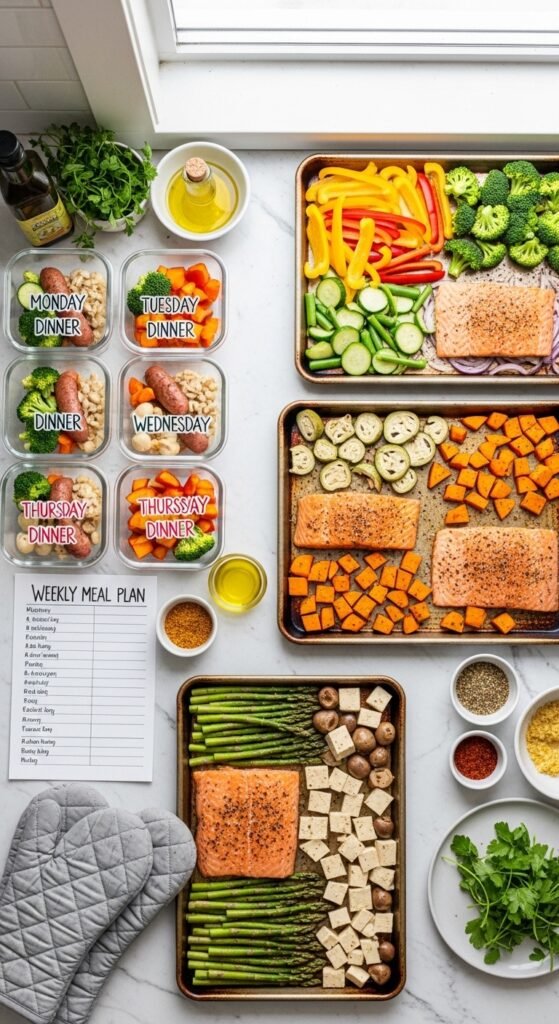
Are you a fan of Sunday meal prep? Sheet pan recipes are a lifesaver. You can roast a week’s worth of chicken and veggies in about 30 minutes. Just divide them into glass containers, and you have five healthy lunches ready to go.
The Essential Tool: What to Look for in a Sheet Pan

Here is where we need to get serious. You can have the freshest ingredients in the world, but if you use a flimsy, warped, or dark-colored pan, your sheet pan recipes will fail. I learned this the hard way when I bought a cheap, dollar-store tray. The chicken burned on the outside and was raw on the inside because the pan was too thin and conducted heat unevenly.
To cook with confidence, you need a heavy-duty aluminum sheet pan. Specifically, look for an 18×13 inch rimmed baking sheet (often called a half-sheet pan). Here are the specific features that matter:
- Gauge (Thickness): Look for 13-gauge or 18-gauge. Thicker metal prevents warping in the oven.
- Rimmed Edges: A rolled rim is essential. It prevents the pan from twisting when heated. Furthermore, the rim keeps juices and oil from dripping onto the oven floor (which causes smoke).
- Material: Aluminum is the gold standard. It heats up quickly and cools down quickly. Stainless steel is okay, but aluminum is better for browning.
- Non-Stick vs. Natural: Professional bakers prefer natural aluminum because it allows for better browning. However, if you are a beginner, a non-stick sheet pan is very forgiving.
Pro Tip: Buy two pans. Most sheet pan recipes for a family require one pan, but if you are cooking for a crowd or roasting two different temperatures, having a backup is vital.
Step-by-Step Guide: Mastering the Sheet Pan Recipe Method
Are you ready to cook? Let’s walk through the anatomy of a perfect sheet pan dinner. We will use a classic example: Lemon Herb Chicken with Potatoes and Green Beans.
Step 1: Preheat and Position

Always preheat your oven to a high temperature. For most sheet pan recipes, 400°F (200°C) to 425°F (220°C) is the sweet spot. This high heat ensures crispy edges without drying out the center.
- Action: Set your oven to 425°F. Place the rack in the middle position. If the rack is too high, the top burns; too low, the bottom burns.
Step 2: Prepare the Pan (Lining is Optional but Helpful)

While the oven heats, get your sheet pan ready. You have three options:
- Bare Pan: Best for browning, but hardest to clean.
- Parchment Paper: Makes cleanup effortless. However, it slightly reduces crispiness.
- Aluminum Foil: Great for protein that releases a lot of juice. Just crumple it slightly so the air flows.
For this recipe, I recommend parchment paper. It is the easiest for beginners.
Step 3: Cut for Uniformity

This is the most critical rule of sheet pan recipes: Size matters. If you cut your potatoes into large chunks and leave your green beans whole, the potatoes will take 40 minutes to cook, while the beans will turn to ash in 20.
- Action: Cut 4 chicken thighs (bone-in, skin-on) in half. Cut 3 medium potatoes into 1-inch cubes. Trim the green beans.
Step 4: The “Toss” Method

Do not just sprinkle spices on top of the food. You need to coat everything evenly.
- Action: In a large mixing bowl, combine the potatoes, green beans, and chicken. Drizzle with 3 tablespoons of olive oil. Add 1 teaspoon salt, ½ teaspoon pepper, 2 minced garlic cloves, and the zest of one lemon. Toss with your hands (or tongs) until every piece glistens.
Step 5: Arrange with Breathing Room

Here is where most people go wrong. They pile all the food into the center of the sheet pan. This creates steam, not roast. Your food will boil in its own juice.
- Action: Spread the mixture onto the sheet pan in a single, even layer. Leave a little space between each piece of chicken. If the pan is crowded, use two pans.
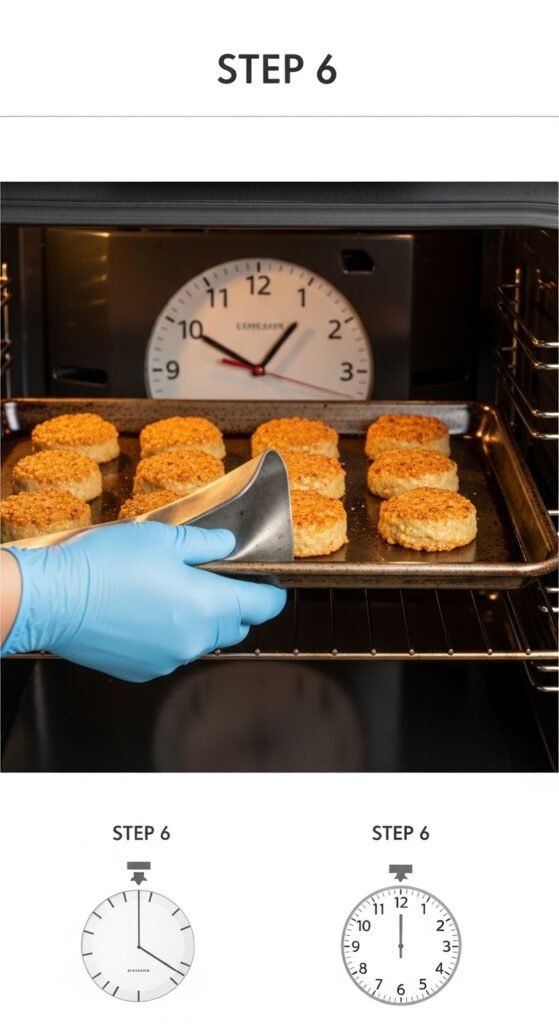
Step 6: Timing and Rotating

Place the pan in the oven. Set a timer for 15 minutes.
- Action: After 15 minutes, remove the pan. Use a spatula to flip the chicken and stir the vegetables. Rotate the pan 180 degrees (this ensures even cooking in ovens with hot spots).
- Action: Return to the oven for another 10–15 minutes, or until the chicken reaches 165°F internally and the potatoes are fork-tender.
Step 7: The Finishing Touch

Remove the pan from the oven. Squeeze the juice of half a fresh lemon over the entire pan. Sprinkle with fresh parsley.
- Result: A complete, restaurant-quality dinner with exactly one pan to wash.
Anecdote: The Sheet Pan Thanksgiving that Wasn’t a Disaster
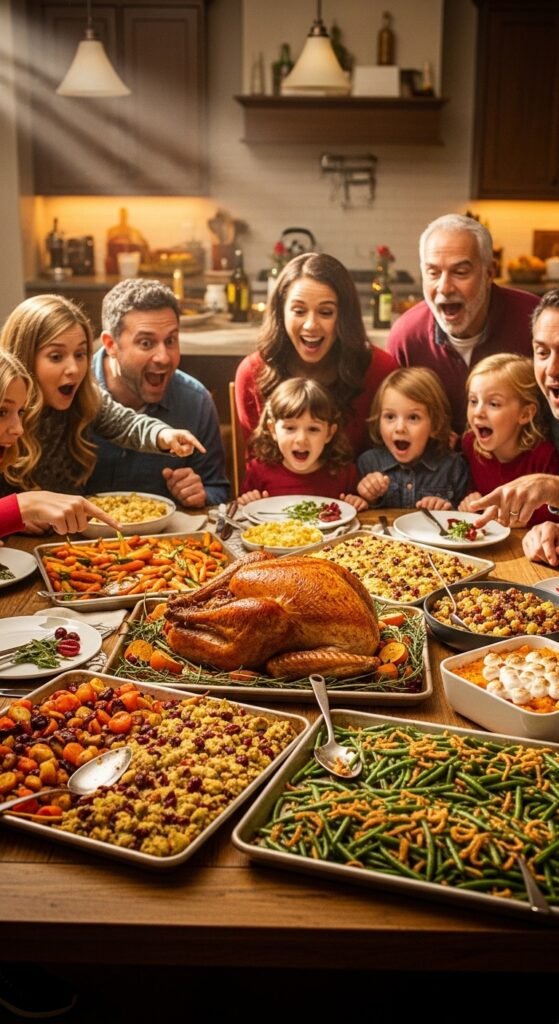
Last November, my oven broke. The heating element snapped in half, and the repairman couldn’t come until December. I had promised to host “Friendsgiving” for ten people. I panicked. I called my neighbor, who suggested I use my toaster oven and multiple sheet pans.
It sounded insane. But we got to work. We roasted the turkey breast on one sheet pan. We roasted the Brussels sprouts with bacon on a second. Sweet potatoes went on a third. Because everything cooks at roughly the same temperature (400°F), we simply rotated the pans every 20 minutes.
Three hours later, we had a full Thanksgiving dinner. The turkey was juicy. The vegetables were crispy. And the best part? When the meal was over, I tossed the parchment paper in the trash, rinsed the pans, and went back to the party. My guests asked how I was so calm. I just pointed to the sheet pan. That little metal tray saved the holiday.
5 Mouthwatering Sheet Pan Recipes to Try This Week

To help you get started, here are five foolproof combinations. Remember the rules above: cut evenly, don’t crowd the pan, and roast hot.
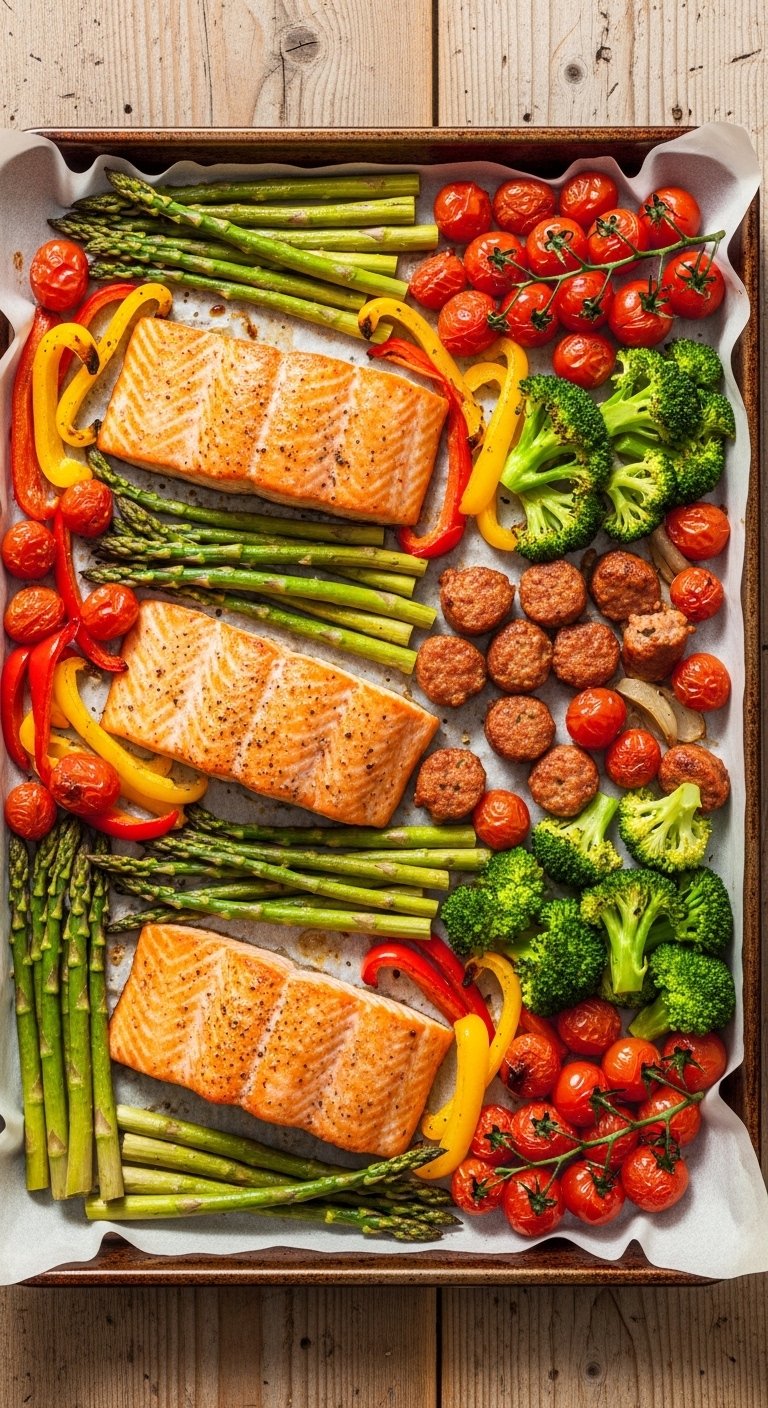
Recipe 1: Sheet Pan Salmon and Asparagus

- Ingredients: Salmon fillets, asparagus spears, cherry tomatoes, lemon slices.
- Method: Place salmon in the center. Arrange asparagus and tomatoes around it. Drizzle with honey, soy sauce, and ginger. Roast at 400°F for 12 minutes.
- Keyword Focus: This sheet pan recipe is perfect for a low-carb, high-protein dinner.
Recipe 2: Sausage and Peppers (The Classic)

- Ingredients: Italian sausage links, bell peppers (red, yellow, orange), red onion, baby potatoes.
- Method: Toss everything with balsamic vinegar and oregano. Roast at 425°F for 25 minutes, flipping once.
- Anecdote: I made this for a Super Bowl party, and the pan was scraped clean within 10 minutes. Nobody even touched the chips and dip.
Recipe 3: Vegetarian Tofu and Broccoli
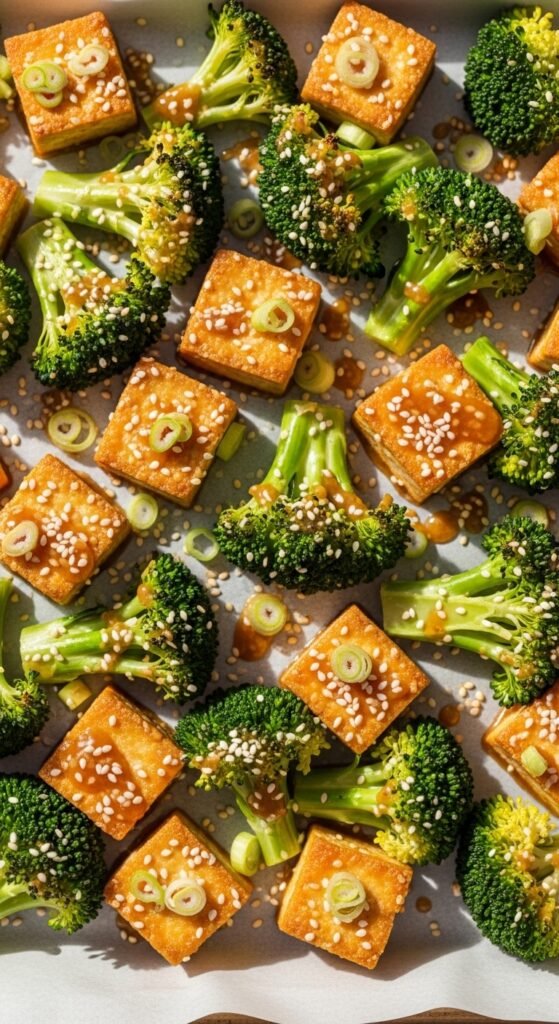
- Ingredients: Firm tofu (pressed and cubed), broccoli florets, sesame seeds.
- Method: Toss tofu and broccoli in sesame oil, soy sauce, and Sriracha. Roast at 400°F for 20 minutes.
- Tip: For crispy tofu, do not move it for the first 15 minutes. Let it stick to the pan; it will release naturally when it is ready to flip.
Recipe 4: Breakfast Sheet Pan (For Meal Prep)

- Ingredients: Frozen hash browns, bell peppers, onions, pre-cooked breakfast sausage, eggs.
- Method: Roast potatoes and veggies for 10 minutes. Make four wells in the mixture. Crack an egg into each well. Return to oven for 8–10 minutes.
- Why it works: You get sunny-side-up eggs and roasted veggies simultaneously without standing over a frying pan.
Recipe 5: Dessert – Sheet Pan S’mores

- Ingredients: Graham crackers, chocolate bars, marshmallows.
- Method: Line the sheet pan with graham crackers. Top with chocolate. Place marshmallows on top. Broil on high for 1–2 minutes (watch it closely!).
- Result: Gooey, melted perfection for a crowd.
Common Mistakes and How to Fix Them (Troubleshooting)
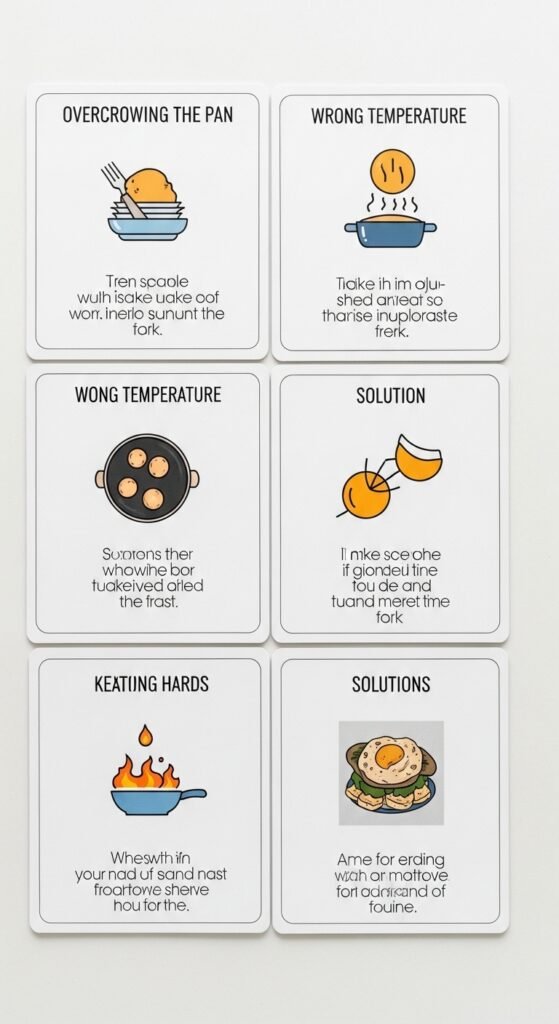
Even experienced cooks mess up sheet pan recipes sometimes. Here is how to diagnose problems.
| Problem | Likely Cause | The Fix |
|---|---|---|
| Food is steaming, not browning | Pan is overcrowded. | Use two sheet pans or cook in batches. |
| Meat is dry; veggies are raw | Temperature is too low. | Crank the heat to 425°F. Low heat dries meat out before veggies cook. |
| Bottom is burning; top is pale | Pan is on the bottom rack. | Move the pan to the middle or top rack. |
| Food sticks to the pan | Pan is low quality or you didn’t use enough oil. | Invest in a non-stick sheet pan or use parchment paper. |
| Uneven cooking (one side dark) | Your oven has a hot spot. | Rotate the pan halfway through cooking. |
Convincing You to Buy the Right Sheet Pan
By now, you are probably excited to try these recipes. But let me be brutally honest: If you go into your kitchen right now and grab that warped, dark, old cookie sheet that your roommate left behind, you will fail. You will get frustrated, and you will blame the method.
Do not do that to yourself.
To cook sheet pan recipes with confidence, you need a professional-grade, heavy-gauge aluminum sheet pan. Here is why you should add one to your kitchen right now:
- Durability: A good sheet pan will last 20 years. Cheap ones warp in 6 months.
- Health: Dark, non-stick coatings that are scratched leach chemicals. Natural aluminum or high-quality silicone-coated pans are safer.
- Versatility: Even if you never cook another meal, a good sheet pan is a fantastic roasting pan for vegetables.
- Safety: Many high-end sheet pans have rolled edges that are easier to grip with oven mitts.
Consider the cost. One delivery pizza for your family is $25. That buys you one meal. A high-quality sheet pan is also around $25, but it will give you hundreds of meals. Within two weeks of owning it, you will have saved enough money by not ordering takeout to pay for the pan twice over.
The Final Sheet Pan Hacks You Need to Know
Before we wrap up this guide, here are three advanced hacks to take your sheet pan recipes to the next level.
Hack 1: The Two-Pan System for Different Textures
Some foods cook at different rates. If you want steak (needs high heat fast) and potatoes (needs medium heat longer), preheat two sheet pans. Put the potatoes on the first pan 15 minutes early. Then, add the steak to the second hot pan. Both finish at the same time.
Hack 2: Deglaze the Pan for Sauce
After you remove the food, look at the sheet pan. See those brown bits stuck to the bottom? That is “fond” (pure flavor). Place the pan on a stovetop burner over medium heat. Pour in ¼ cup of chicken broth or white wine. Scrape the bottom with a wooden spoon. In 60 seconds, you have a gourmet pan sauce.
Hack 3: The Cooling Rack Trick
Place a wire cooling rack inside your sheet pan. Put chicken wings or bacon on the rack. The air circulates underneath the food. As a result, you get 360-degree crispiness without having to flip the food. This is a game-changer for sheet pan recipes involving bacon.
Conclusion: Your Oven is Waiting
We have covered a lot of ground. From the science of caramelization to the specific tools required, you now know everything necessary to master sheet pan recipes.
Remember my story from the beginning? The exhausted parent staring into the fridge? That person doesn’t exist anymore. Now, I look forward to Tuesday nights. I look forward to the smell of roasting garlic filling my kitchen. I look forward to the silence at the dinner table as my family eats food that tastes like love but took the effort of a lazy person.
Sheet pan recipes are not just a trend. They are a sustainable way of eating well without burning out. They are the bridge between “I have no time” and “I want real food.”
So, take the leap. Upgrade your bakeware. Buy the heavy-duty sheet pan. Buy the parchment paper. And tonight, instead of ordering that greasy takeout, open your fridge, toss whatever you find onto a tray, and roast it at 425°F.
Your future self—the one with fewer dishes, more free time, and a happy stomach—will thank you.
Ready to start? Your easiest dinners are just one sheet pan away.