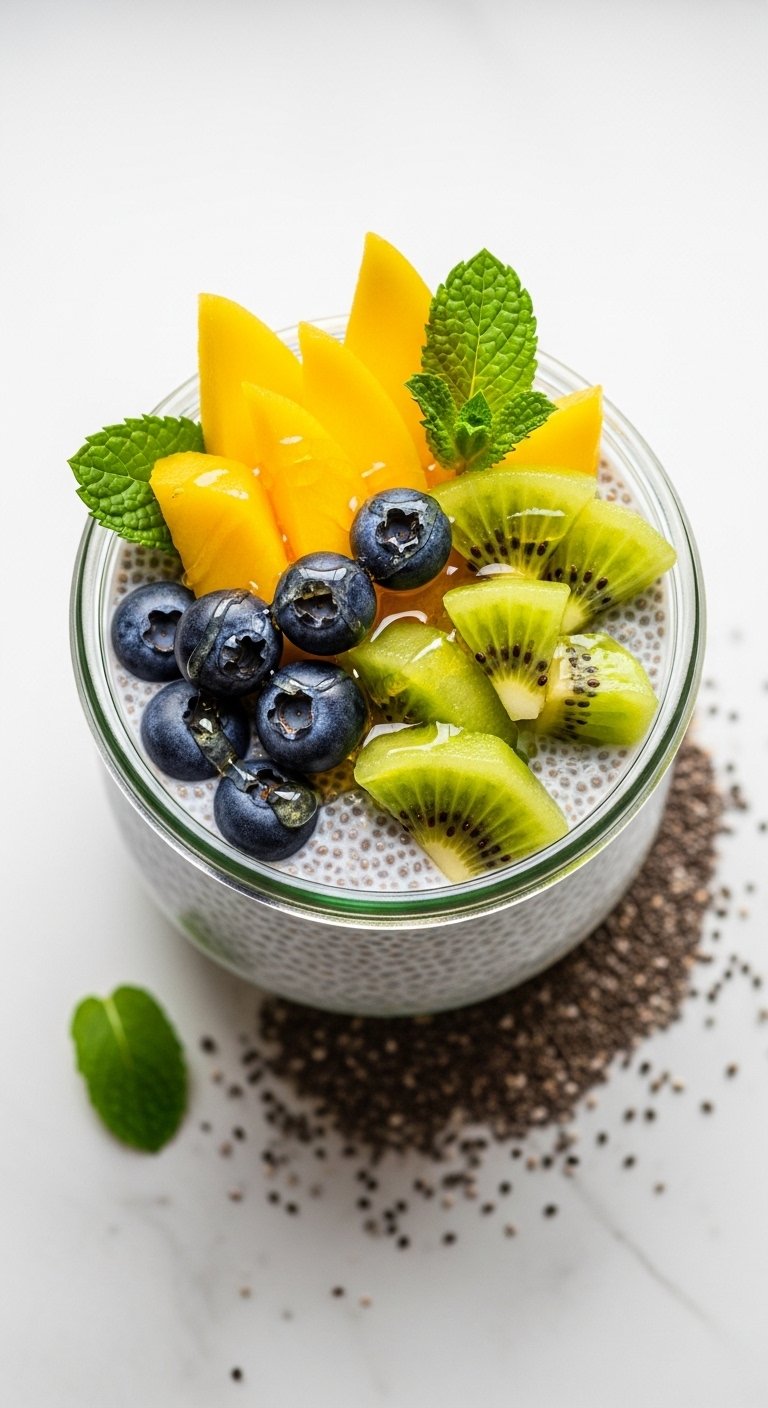
I still remember the first time I tried to make a chia recipe at home. It was a lazy Sunday morning, and I had just returned from the grocery store clutching a shiny bag of organic chia seeds, convinced I was about to whip up a Pinterest‑worthy breakfast in minutes. I dumped a few spoonfuls into a glass of almond milk, gave it a quick stir, and popped it into the fridge. “This is going to be amazing,” I thought, imagining the creamy pudding that awaited me.
A few hours later, I opened the fridge to find… a lumpy, clumpy, utterly unappetizing mess. The chia seeds had formed a giant blob at the bottom of the glass, leaving a watery liquid on top. My first attempt at a chia recipe was an absolute disaster.
That frustrating morning taught me something invaluable: making the perfect chia recipe isn’t complicated, but there are a few simple tricks that make all the difference between a gloopy failure and a velvety success. Over the years, I have experimented with dozens of chia recipes—from creamy puddings to fruity jams, from energizing smoothies to fudgy brownies—and I have learned exactly what works, what doesn’t, and why these tiny seeds deserve a permanent spot in your kitchen.
By the end of this guide, you will not only know how to create the perfect chia recipe every single time, but you will also understand why investing in high‑quality chia seeds is one of the best decisions you can make for your health and your taste buds. So grab a jar, and let’s dive into the wonderful world of chia!
What Exactly Are Chia Seeds?
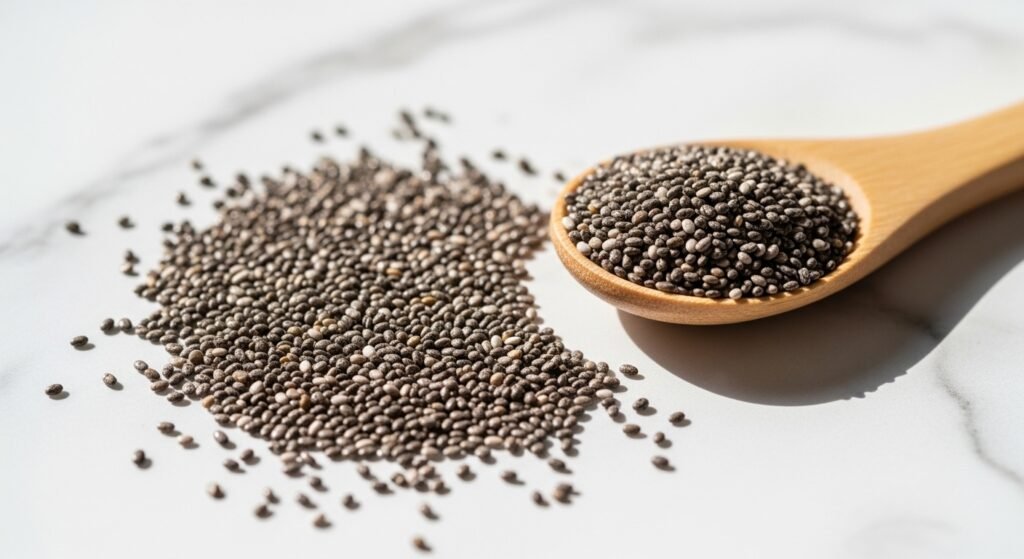
Before we jump into the recipes, let’s take a moment to appreciate the star of the show. Chia seeds are tiny black or white seeds derived from the Salvia hispanica plant, a member of the mint family native to Central America. These small but mighty seeds have been a part of human diets for over 5,000 years and were a staple food for the Aztecs and Mayans, who recognized their incredible energy‑boosting properties long before modern science caught up.
So, what makes these seeds so special? When chia seeds come into contact with liquid, they absorb up to 10–12 times their weight in water, forming a gel‑like substance that naturally thickens whatever you add them to. This unique property is what makes every chia recipe so versatile—whether you are making pudding, jam, or an egg replacement in baking.
Why You Need Chia Seeds in Your Life (The Health Benefits)
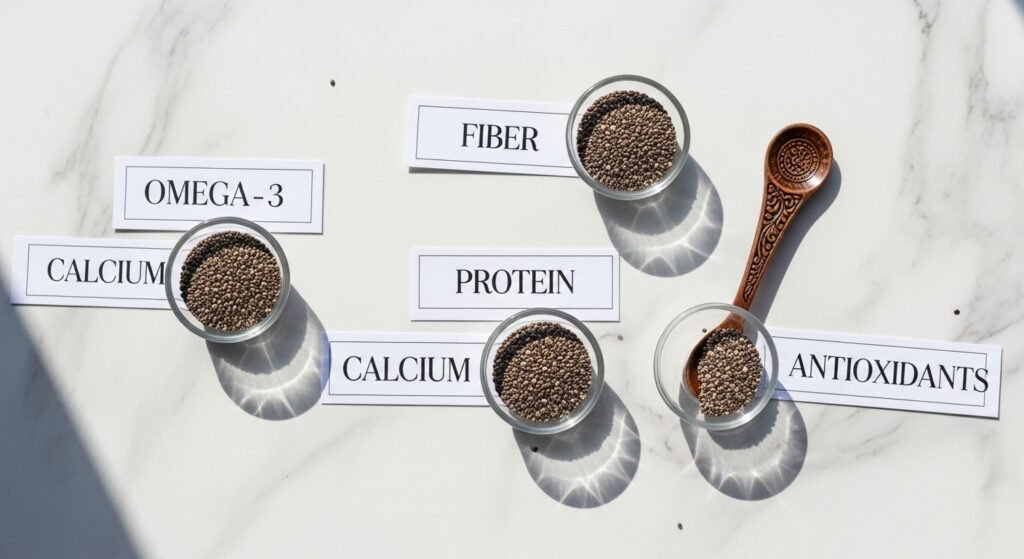
I used to think chia seeds were just another trendy “superfood” that would eventually fade away, like kale chips or açai bowls. But after diving into the research, I realized these seeds are the real deal. Chia seeds are absolutely packed with nutrients, including soluble and insoluble fiber, protein, healthy fats, antioxidants, and various minerals.
Let me share a quick story: a close friend of mine struggled with mid‑afternoon energy crashes for years. She would eat a healthy lunch, but by 3 PM, she would be reaching for sugary snacks just to stay awake. I suggested she try a simple chia recipe—just a few spoonfuls of chia seeds soaked in her morning smoothie. Within a week, she noticed a dramatic difference. The fiber and protein in the chia seeds kept her full and energized for hours, and those 3 PM cravings virtually disappeared.
Here is what the science says about the benefits of incorporating chia seeds into your daily routine:
- Heart Health Support: Chia seeds are rich in alpha‑linolenic acid (ALA) , a plant‑based omega‑3 fatty acid that may help reduce blood pressure and lower cholesterol levels.
- Digestive Regularity: Just one ounce (about two tablespoons) of chia seeds provides approximately 9.8 grams of dietary fiber—that is more than a third of your daily recommended intake. This fiber supports healthy digestion and helps prevent constipation.
- Weight Management: When consumed, chia seeds form a gel‑like substance in the stomach that increases feelings of fullness and helps control appetite.
- Bone Health: Chia seeds are a natural source of calcium, magnesium, and phosphorus—all crucial for maintaining strong bones. For those who do not consume dairy, chia seeds can contribute significantly to daily calcium intake.
- Blood Sugar Support: The high fiber content in chia seeds helps slow down the absorption of sugar into the bloodstream, promoting more stable blood sugar levels.
Now that you are convinced these tiny seeds are worth your attention, let’s get to the fun part: creating delicious chia recipes that will have you looking forward to every meal.
The Master Chia Recipe: Perfect Chia Pudding (Step‑by‑Step)
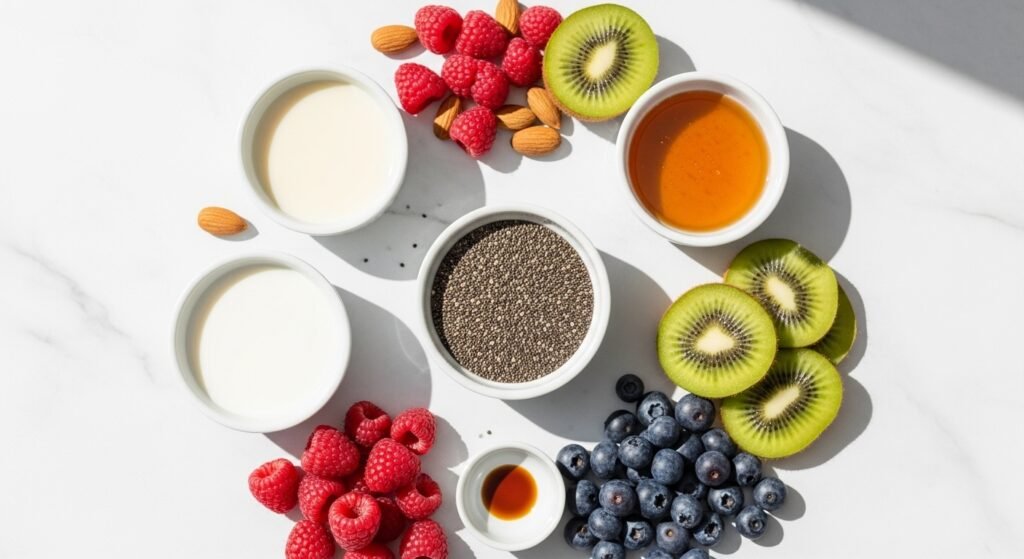
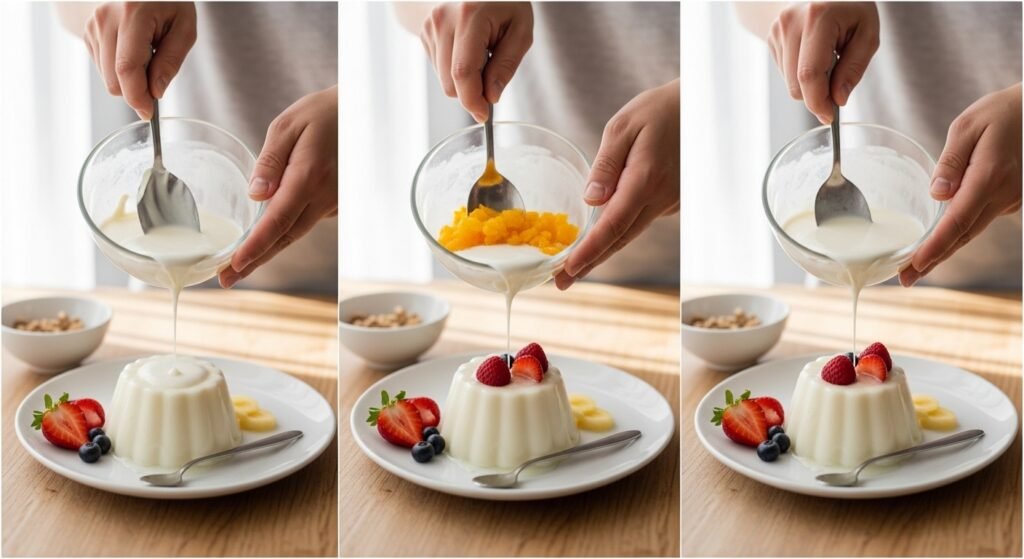
Let me start with the most popular chia recipe of all: chia pudding. This is the recipe that turned me from a chia failure into a chia fanatic. The beauty of this chia recipe lies in its simplicity—you can prepare it in under five minutes, and the refrigerator does all the hard work overnight.
What You’ll Need
- ½ cup chia seeds
- 2 cups milk of your choice (dairy milk, almond milk, oat milk, or coconut milk all work beautifully)
- 1–2 teaspoons maple syrup or honey (adjust to your sweetness preference)
- A pinch of salt (trust me on this—it enhances all the other flavors)
- Toppings: fresh fruit, nuts, granola, coconut flakes, or whatever your heart desires
Also Read: Unlock the Perfect Chill: The Ultimate Guide to Nescafe Gold Instant Iced Coffee Recipes
Step‑by‑Step Instructions
Step 1: Combine the ingredients.
In a large bowl or a mason jar, whisk together the chia seeds, milk, maple syrup, and a pinch of salt. This is the most critical step in any chia recipe—if you do not whisk thoroughly, your seeds will clump together and you will end up with the same disaster I experienced.
Step 2: Whisk again after 10 minutes.
Here is the secret that transformed my chia recipe game: after the mixture has sat for about 10 minutes, give it another good stir. This breaks up any seeds that have started to clump and ensures an even, creamy consistency throughout.
Step 3: Cover and refrigerate.
Let the mixture chill in the refrigerator for at least 4 hours, but overnight (8 hours) is ideal for the perfect texture. During this time, the chia seeds will absorb the liquid and swell, creating that signature pudding‑like consistency.
Step 4: Stir before serving.
Once the pudding has set, give it a final stir. If it is too thick for your liking, add a splash more milk and stir. If it is too thin, whisk in an additional tablespoon of chia seeds and let it sit for another 30 minutes.
Step 5: Add your toppings.
This is where you can get creative! I love topping my chia pudding with fresh berries, a sprinkle of granola for crunch, and a drizzle of nut butter. For a chocolate version, whisk in ⅓ cup of unsweetened cocoa powder along with the other ingredients—it transforms into a rich, dessert‑like treat that is still packed with nutrition.
Pro tip: This chia recipe is perfect for meal prep. Divide the finished pudding into individual jars on Sunday night, and you will have grab‑and‑go breakfasts ready for the entire week. Trust me, your future self will thank you when you are running late on a busy Tuesday morning!
More Amazing Chia Recipes to Try
Once you have mastered the basic chia pudding recipe, the possibilities are endless. Here are some of my favorite chia recipes that I have tested and perfected over the years.
Chia Recipe #2: Creamy Chia Smoothie Bowl
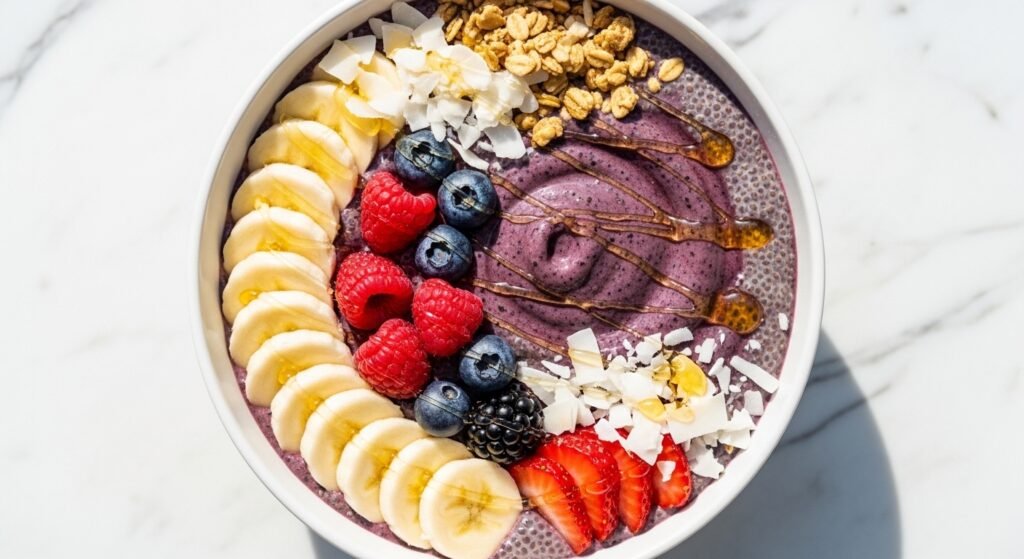
This chia recipe combines the best of both worlds—the thickness of chia pudding with the freshness of a fruit smoothie. I discovered this combination when I had leftover chia pudding in the fridge one morning and decided to blend it with some frozen fruit. The result was so good that it is now a staple in my kitchen.
Ingredients:
- 2 tablespoons chia seeds
- ½ cup almond milk
- ½ cup frozen raspberries
- ¼ cup frozen mango
- ½ banana
- 1 scoop vanilla protein powder (optional)
- Toppings: sliced fresh fruit, coconut flakes, granola
Instructions:
- First, prepare the chia pudding base by combining the chia seeds and ½ cup almond milk in a bowl. Stir well, let sit for 10 minutes, then stir again to prevent clumping.
- While the chia seeds are soaking, add the frozen raspberries, frozen mango, banana, protein powder (if using), and an additional ½ cup almond milk to a blender. Blend until smooth and creamy.
- Pour the blended smoothie into a serving bowl, then swirl in the prepared chia pudding.
- Top with your favorite fresh fruits, coconut flakes, or granola for added texture.
This chia recipe is my go‑to breakfast on days when I need sustained energy. The combination of chia seeds and protein powder keeps me full until lunch, and the natural sweetness from the fruit means I do not miss refined sugar at all.
Chia Recipe #3: 10‑Minute Chia Jam
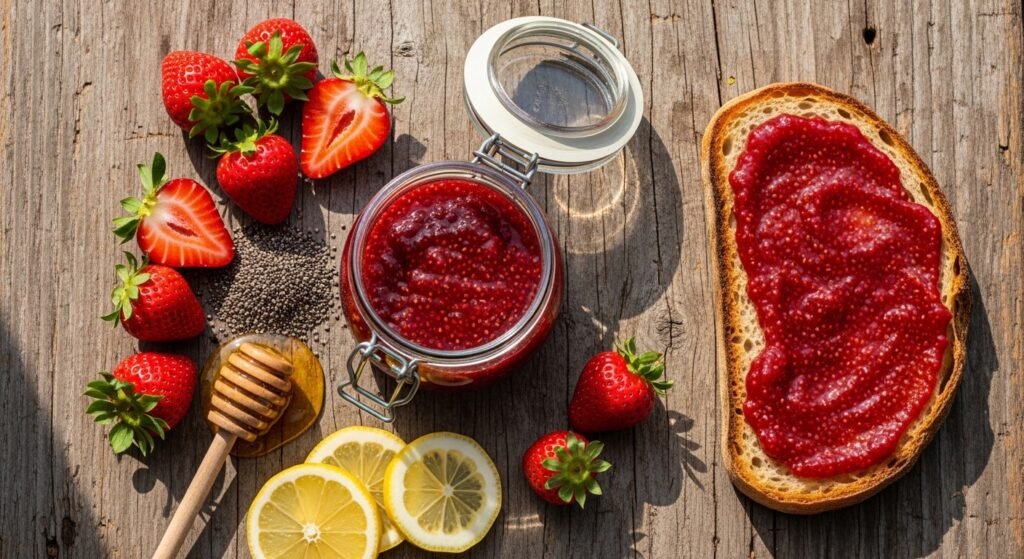
Here is a chia recipe that completely changed how I think about jam. Traditional jam recipes require pounds of sugar, hours of boiling, and special equipment. This chia recipe requires exactly one pot, about 10 minutes of your time, and zero pectin. The chia seeds act as a natural thickening agent, soaking up the liquid from the fruit and creating a spread that is every bit as satisfying as the store‑bought version—but without all the additives.
Ingredients:
- 2 cups fresh or frozen fruit (strawberries, blueberries, raspberries, or a mix)
- 2 tablespoons chia seeds
- 1–4 tablespoons maple syrup or honey (adjust based on the sweetness of your fruit)
- 1 tablespoon fresh lemon juice
Instructions:
- Add the fruit to a medium saucepan and heat over medium‑high heat, stirring occasionally, until the fruit softens and releases its juices (about 5–10 minutes).
- Use a spoon or potato masher to mash the fruit to your desired consistency. For chunky jam, mash lightly. For smooth jam, mash thoroughly.
- Remove the saucepan from heat and stir in the chia seeds, maple syrup, and lemon juice.
- Let the mixture cool at room temperature for 10–15 minutes. During this time, the chia seeds will absorb the liquid and the jam will thicken naturally.
- Transfer to an airtight container and refrigerate. This chia recipe yields jam that stays fresh in the fridge for 1–2 weeks or can be frozen for up to 8 months.
The first time I made this chia recipe, I spread it on a piece of warm toast and literally said “wow” out loud. The bright, fresh fruit flavor shines through in a way that commercial jam just cannot match. I have since made this chia jam with strawberries, blueberries, raspberries, peaches, and even a strawberry‑rhubarb combination—each version is delicious in its own way.
Chia Recipe #4: Chia Egg for Vegan Baking
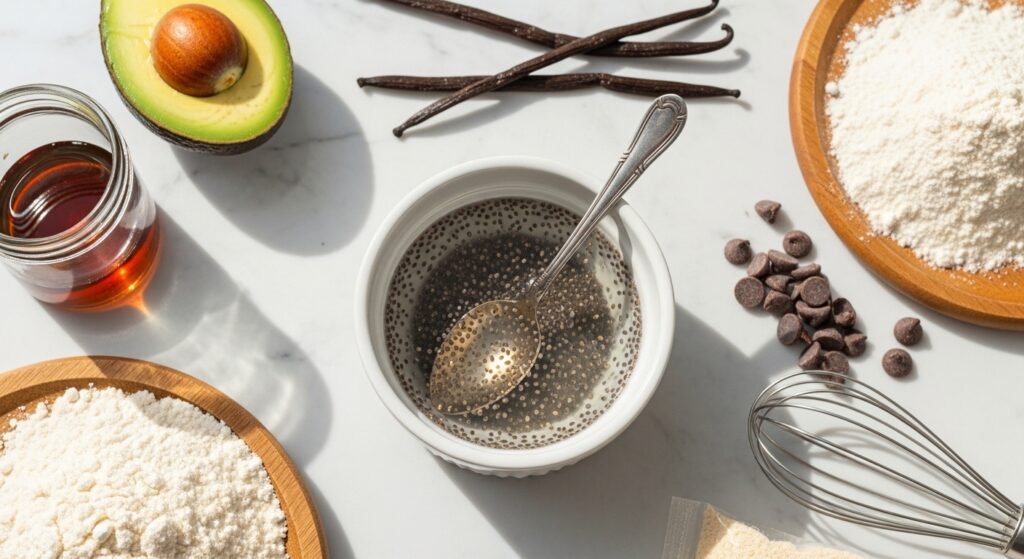
One of the most brilliant uses for chia seeds is as an egg replacement in baking. If you are vegan, have an egg allergy, or simply run out of eggs unexpectedly, this chia recipe is a lifesaver. When mixed with water, chia seeds form a gel‑like consistency that binds batters together just like a real egg would.
Ingredients:
- 1 tablespoon chia seeds (milled or whole—both work, though milled creates a smoother texture)
- 2½ tablespoons water
Instructions:
- Combine the chia seeds and water in a small bowl.
- Stir well and let the mixture sit for about 15 minutes, or until it becomes thick and gel‑like.
- Use this chia egg in any recipe that calls for one egg as a binder—think brownies, cookies, muffins, pancakes, and dense cakes.
I have used this chia recipe in countless baking projects, and I am always amazed at how well it works. The chia egg adds moisture and binding power without any of the cholesterol or saturated fat found in real eggs. For the best results, use this chia recipe in denser bakes like brownies or cookies rather than light, airy cakes that rely heavily on egg whites for structure.
Let me share a specific example: I once made chia seed brownies for a friend who has multiple food allergies. The recipe combined chia seeds with applesauce and plant milk to create a brownie that was fudgy, rich, and completely indistinguishable from traditional brownies. She ate three of them before asking if I was sure they were vegan.
Chia Recipe #5: Chia Fresca (The “Internal Shower” Drink)
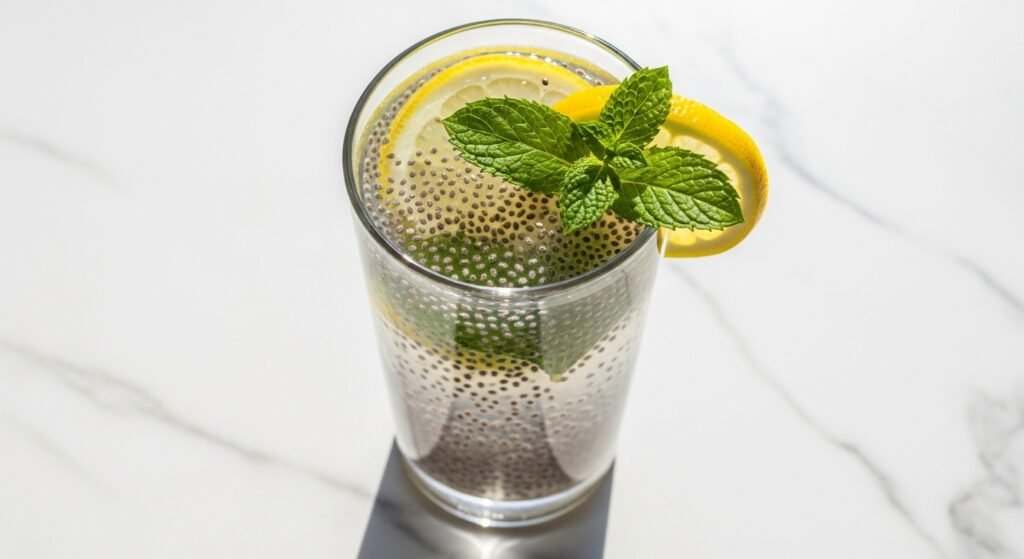
This chia recipe is less about flavor and more about function, but hear me out because it is genuinely life‑changing. Chia fresca—sometimes called “internal shower water”—is a simple beverage that supports digestion and hydration. I was skeptical the first time I heard about it, but after trying it for a week, I noticed a significant improvement in my digestive health.
Ingredients:
- 1 tablespoon chia seeds
- 1 cup water
- Juice of ½ lemon
- Optional: 1 teaspoon honey or maple syrup, fresh mint leaves
Instructions:
- Combine the chia seeds, water, and lemon juice in a glass or mason jar.
- Stir vigorously for 1–2 minutes to prevent the seeds from clumping together.
- Let the mixture sit for 10–15 minutes, allowing the chia seeds to expand and form a gel‑like consistency.
- Stir again (the seeds will settle over time), then drink immediately.
I like to prepare this chia recipe first thing in the morning and sip it slowly while I am getting ready for the day. The lemon provides a bright, refreshing flavor, and the chia seeds add a subtle textural element that is surprisingly pleasant. More importantly, the combination of water, fiber, and vitamin C supports healthy digestion and hydration right when your body needs it most.
How to Buy the Best Chia Seeds: A Buyer’s Guide
Now that you are excited to try these chia recipes, let’s talk about how to choose the best chia seeds for your kitchen. Not all chia seeds are created equal, and knowing what to look for will ensure your chia recipes turn out perfectly every time.
What to Look for When You Buy Chia Seeds
After years of experimenting with different brands, here is what I have learned about selecting high‑quality chia seeds:
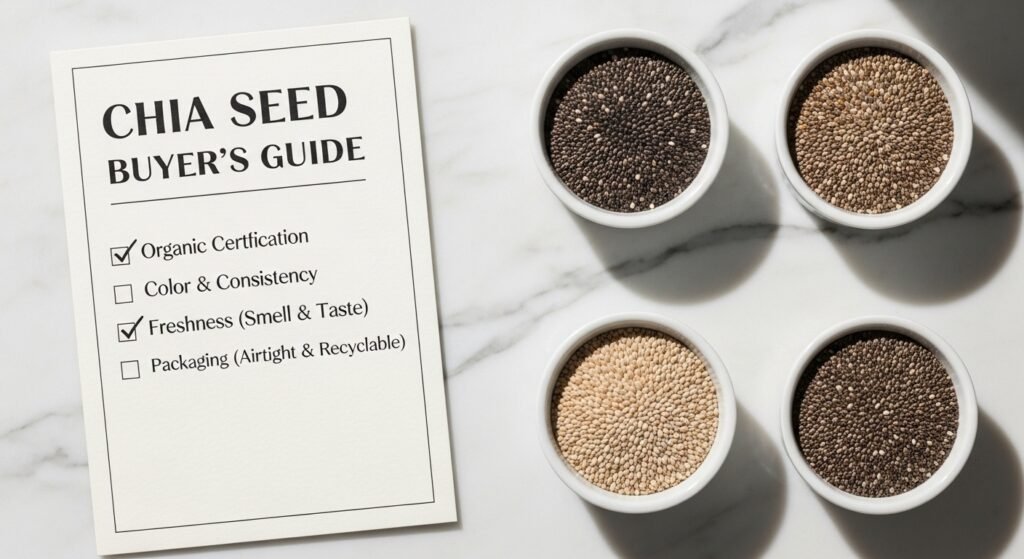
- Look for organic certification. Certified organic chia seeds are cultivated without synthetic pesticides or fertilizers, which means you are getting a cleaner, more natural product.
- Check the origin. Chia seeds from Mexico, Bolivia, and Argentina are widely recognized as being the highest quality due to optimal growing conditions in those regions.
- Inspect the packaging. The best chia seeds come in airtight, opaque packaging that protects the seeds from light, moisture, and air—all of which can degrade nutritional value over time.
- Check the expiration date. Freshness matters! Always check the best‑before date before purchasing chia seeds. Fresher seeds have a mild, earthy aroma and better nutritional retention.
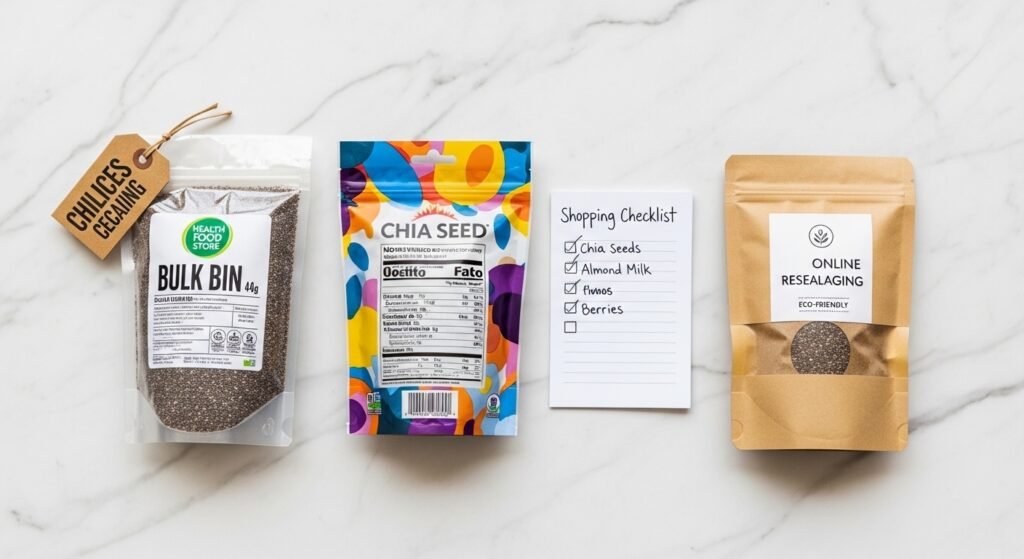
- Consider buying in bulk. If you plan to make chia recipes regularly, buying in bulk can save you significant money. A typical 12‑ounce retail pack costs $8–$12 ($1.07–$1.60 per ounce), while a 5‑pound bulk pack costs $30–$40 ($0.38–$0.50 per ounce)—that is a savings of up to 65%.
- Choose between black and white seeds. Black and white chia seeds are nutritionally identical—the color difference is purely aesthetic. Some people prefer black seeds for visual contrast in puddings, while others choose white seeds for a more subtle appearance.
Where to Buy Chia Seeds
You can find chia seeds at virtually any grocery store these days, but here are my recommended sources for the best quality:
- Health food stores and specialty grocers often stock organic, certified products with clear labeling about origin and expiration dates.
- Online retailers offer a wide selection at competitive prices, often with lower cost per ounce compared to supermarket shelves.
- Wholesale clubs provide warehouse‑sized bags at rates significantly lower than traditional grocery stores.
- Bulk food websites specialize in large‑quantity superfood sales and offer transparent certifications.
How to Store Chia Seeds Properly
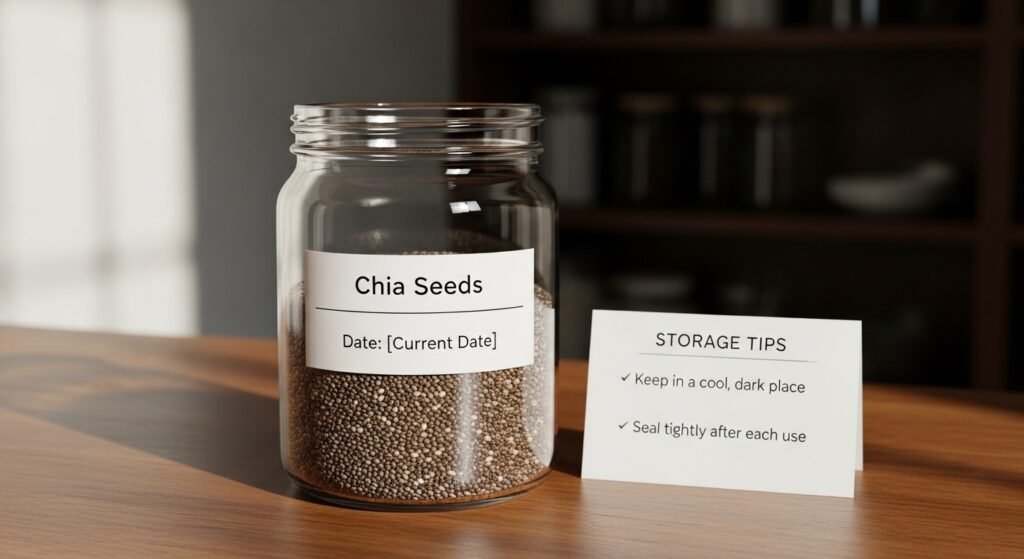
Once you have purchased your chia seeds, proper storage is essential for maintaining freshness. Transfer your seeds to an airtight, opaque container immediately upon opening—this protects them from moisture, light, and air. Store the container in a cool, dark place away from direct sunlight, such as a pantry or kitchen cupboard. If you live in a warm or humid climate, you can extend shelf life by storing your chia seeds in the refrigerator.
When stored properly, chia seeds can last for years without spoiling. Their natural antioxidants help prevent rancidity, making them one of the most shelf‑stable seeds you can buy. However, if your chia seeds develop a musty or rancid odor, it is time to replace them.
A Word of Caution: Potential Side Effects
While chia seeds are incredibly safe for most people, there are a few things to keep in mind. Because chia seeds absorb so much liquid, it is important to drink plenty of water when consuming them—otherwise, they could potentially cause digestive discomfort or constipation. If you are new to chia seeds, start with a small amount (1–2 tablespoons per day) and gradually increase your intake to allow your digestive system to adjust.
People with swallowing difficulties should be cautious with dry chia seeds, as their gel‑forming properties could pose a choking risk if not properly hydrated. Always soak chia seeds in liquid before consuming them, or add them to moist dishes like smoothies, oatmeal, or yogurt.
As with any dietary change, if you have specific health conditions or concerns, it is always a good idea to consult with your healthcare provider before making chia seeds a regular part of your diet.
Why You Should Buy Chia Seeds Today
If you have made it this far, you now know everything you need to create incredible chia recipes at home. But perhaps you are still wondering: is it really worth adding another item to your grocery list?
Let me answer that with another story. A few months ago, my sister‑in‑law was diagnosed with prediabetes. Her doctor recommended dietary changes, but she felt overwhelmed and did not know where to start. I gave her a bag of chia seeds and a printout of my favorite chia recipes. She started with the basic chia pudding for breakfast, then moved on to chia jam for her toast, and eventually incorporated chia seeds into her baking and smoothies.
When she went back for her three‑month checkup, her blood sugar levels had improved significantly. She told me that chia seeds were not a magic cure, but they played a meaningful role in helping her feel fuller for longer and reducing her cravings for sugary snacks. More importantly, she said that having easy, delicious chia recipes to rely on made healthy eating feel achievable rather than like a punishment.
That is the real power of chia seeds. They are not a miracle food—no single food is. But they are a versatile, nutrient‑dense ingredient that can genuinely improve your diet without requiring you to sacrifice flavor or convenience.
Final Thoughts: Your Chia Recipe Journey Starts Now
I will never forget that first failed chia recipe I made on that lazy Sunday morning. The clumpy mess in that glass taught me that even simple ingredients require a little know‑how to shine. But once I learned the tricks—whisk thoroughly, stir again after 10 minutes, be patient while the seeds do their magic—my chia recipes transformed from failures into triumphs.
Whether you are making a creamy chia pudding for breakfast, a vibrant chia jam for toast, a refreshing chia fresca for hydration, or using chia seeds as an egg replacement in your favorite brownie recipe, these tiny seeds have so much to offer. They are affordable, shelf‑stable, incredibly nutritious, and surprisingly fun to cook with.
So here is my challenge to you: buy a bag of high‑quality chia seeds today. Start with the basic chia pudding recipe—it is nearly impossible to mess up once you know the technique. Experiment with different milk types and toppings until you find your perfect combination. Then branch out into chia jam, chia smoothie bowls, or chia baking. Share your creations with friends and family. And most importantly, enjoy the process.
Because the best chia recipe is not the one that looks most beautiful on Instagram or the one that has the most exotic ingredients. The best chia recipe is the one that fits seamlessly into your life, makes you excited about eating well, and leaves you feeling energized and satisfied.
Now, if you will excuse me, I have a jar of chia pudding in the refrigerator that is calling my name. It is the strawberry mango version—my current favorite—and I cannot wait to dig in. Happy cooking, and welcome to the wonderful world of chia!
Disclaimer: The information in this article is for educational purposes only and is not intended as medical advice. Always consult with a qualified healthcare professional before making significant changes to your diet, especially if you have pre‑existing health conditions or concerns.