
Walking through the doors of Sephora can feel like stepping into a playground for skin care lovers. With endless shelves of serums, masks, and moisturizers, it’s easy to get overwhelmed and leave with products that don’t truly serve your complexion. That is why having a clear strategy before you browse makes all the difference between a smart purchase and a regretful splurge. These twenty-one insights will help you navigate Sephora’s offerings like a pro, saving you money while giving your skin exactly what it needs to thrive.
The beauty of shopping at Sephora is the access to both luxury and clean beauty brands under one roof. Yet without a plan, you might fall for attractive packaging or viral trends that have no place in your daily routine. Each of the following points focuses on a practical mindset shift or a product-specific habit that transforms how you treat your skin. Think of this guide as your personal coach whispering in your ear as you explore the aisles—guiding you toward a radiant, confident complexion without the guesswork.
1. Know Your Skin’s Real Needs Before Touching a Single Bottle
The most successful Sephora visits start at home, not in the store. Take a long look in the mirror and ask yourself what your skin actually struggles with. Is it persistent dryness that flakes under makeup, or an oily T-zone that shines by noon? Many shoppers grab products because a friend recommended them or because a TikTok influencer swore by a certain cream. That approach often leads to clogged pores or irritated patches. Instead, identify your primary concern—dehydration, dullness, acne, or sensitivity—and write it down before you even open the Sephora app or step inside the store.
Once you know your goal, everything else becomes clearer. A person fighting hormonal breakouts needs different ingredients than someone trying to fade sunspots. Sephora’s vast inventory works in your favor only when you have a filter. Think of your skin type as the foundation of a house; without a solid understanding of whether you are oily, dry, combination, or normal, any product you choose risks sitting on top of your skin instead of working with it. Spend a week observing your skin without changing your routine, noting how it feels morning and night, so you walk into Sephora armed with real data, not guesses.
2. Always Cross-Check Ingredient Lists Against Your Current Routine
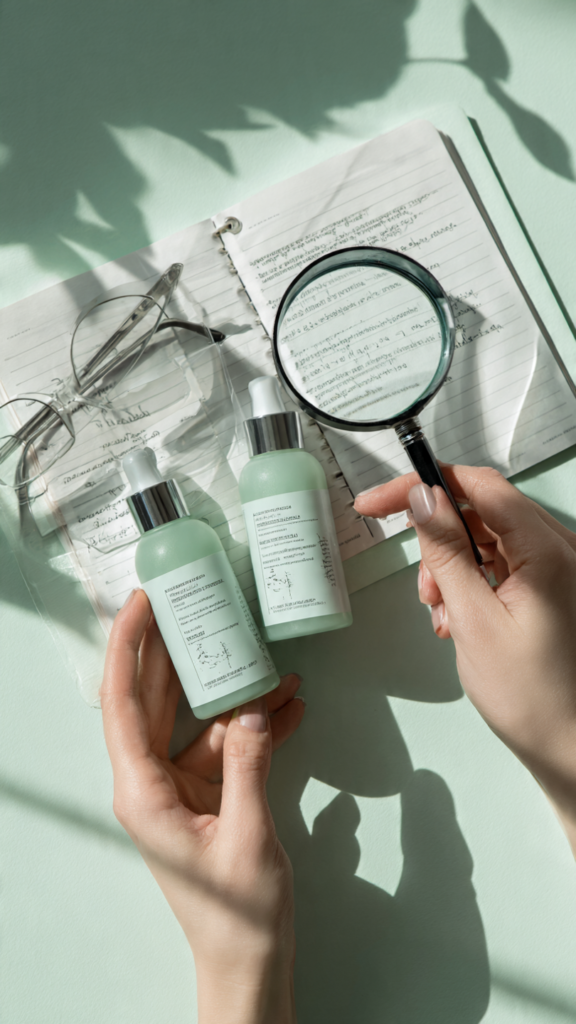
Sephora makes it easy to fall for beautiful marketing, but what lives inside the bottle matters more than the promises on the front label. Before you add anything to your basket, turn the box around or tap the “ingredients” tab on the product page. Look for known irritants like denatured alcohol, synthetic fragrances, or essential oils if your skin leans sensitive. Many people unknowingly layer products that cancel each other out—for example, using a retinol serum alongside a high-concentration vitamin C without proper spacing can lead to redness and peeling. Understanding these interactions saves your moisture barrier from unnecessary stress.
Your current routine is a team, and every new product should join as a teammate, not a troublemaker. Take a photo of the ingredient list on your phone before you shop, especially of your core cleanser, treatment, and moisturizer. Compare that to any potential new buy. Watch for overlapping active ingredients such as multiple acids or drying agents. Sephora’s website also lists “key ingredients” clearly, but do not stop there—scroll to the full list. This habit turns you from a reactive shopper into an informed curator of your own skin health.
3. Decode Samples as Mini Trials, Not Full Commitments
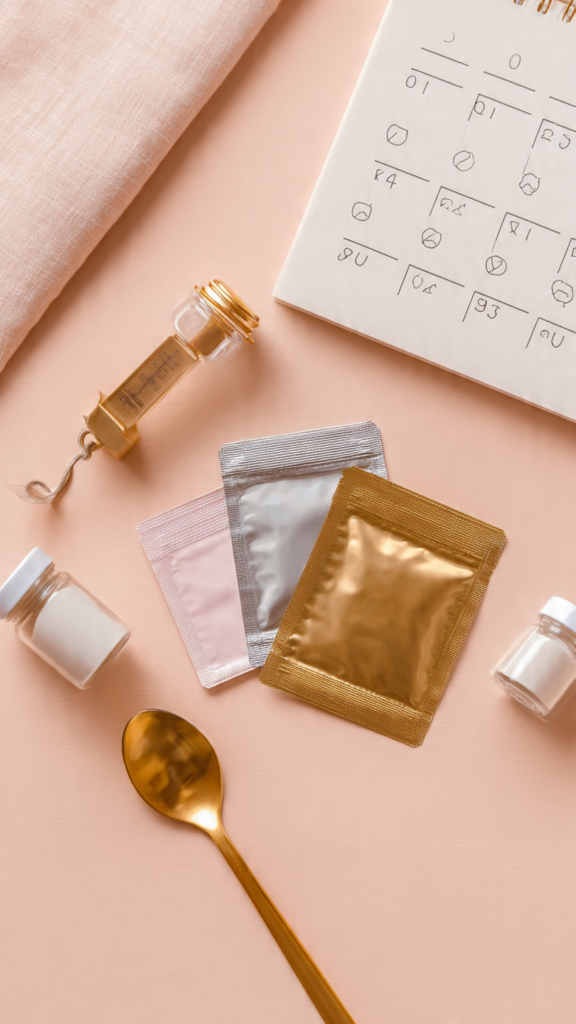
One of Sephora’s greatest strengths is the ability to ask for samples of almost any liquid or cream product. Yet many shoppers rush to buy full sizes without ever testing how a formula feels after four hours of wear. Use samples as your truth-teller—take home a small amount of that expensive serum or rich night cream and apply it for three consecutive nights. Skin reactions often take more than one application to appear, especially if you are prone to clogged pores or delayed redness. A quick wrist test in the store tells you nothing about how a product behaves with your moisturizer or under your sunscreen.
When you ask for a sample, be specific about what you need. A sales associate can decant enough for roughly three to five uses. Bring that sample home and replace one step in your evening routine with it while keeping everything else identical. Observe how your skin looks upon waking—is it plumper, calmer, or instead dotted with tiny bumps? If the sample delivers visible improvement without irritation, then you can confidently invest in the full size. This simple practice has saved countless shoppers from expensive breakouts and disappointing returns.
4. Layer Your Products According to Texture, Not Just Tradition
The classic rule “thinnest to thickest” exists for a reason, but many Sephora visitors ignore it when they get excited about a new gel cream or oil. Your skin can only absorb so much at once, and the order you apply determines effectiveness. Water-based serums and essences should always go first, followed by emulsions, then lotions, then creams, and finally oils. Why? Because oil repels water. If you slap on a facial oil right after cleansing, everything you add afterward—even a hydrating serum—will slide off instead of sinking in. Sephora’s shelves are full of incredible layering systems, but without the correct sequence, you waste both product and potential.
Think of each layer as building a sponge. Start with a damp face from a hydrating mist or toner (water phase). Next, apply a targeted treatment like a vitamin C or niacinamide serum (lightweight liquid). Then move to a medium-weight lotion or gel moisturizer. Finally, seal everything with a thicker cream or a few drops of facial oil if your skin is dry. This approach also prevents pilling—those annoying little balls of product that roll off your face when you touch it. Next time you shop at Sephora, practice building a “layer map” in your head before you buy, ensuring each product fits naturally into the sequence.
5. Respect the Power of Patch Testing on Your Jawline
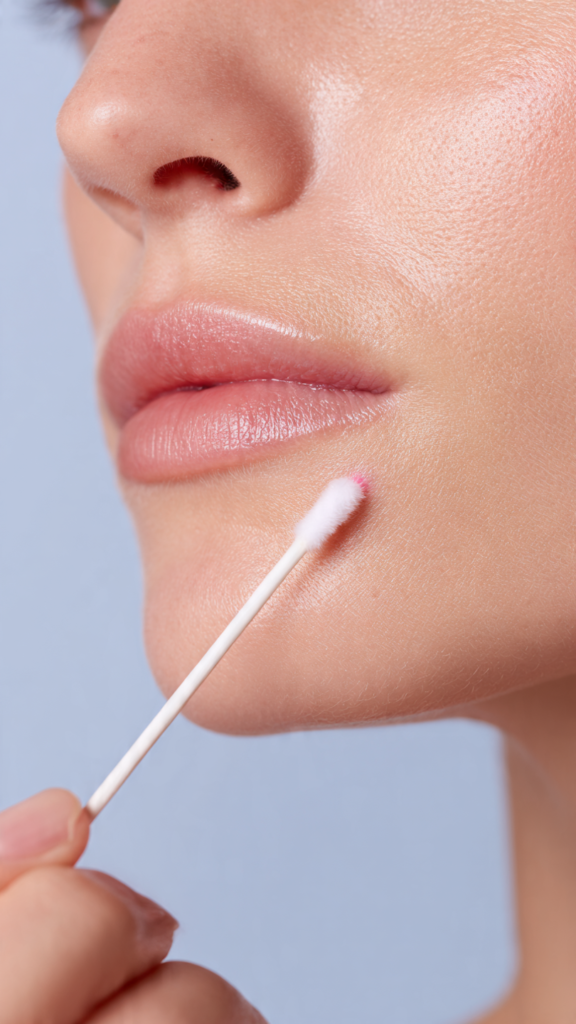
Even with careful ingredient checks, some formulas simply clash with your unique biology. The excitement of a fresh Sephora purchase often leads people to slather a new product all over their face the same night. That is a gamble. Instead, perform a focused patch test on a small area like your jawline or behind your ear for at least five days. This location is close enough to your regular skin environment to give accurate feedback but discreet enough to hide any reaction. Apply the new product only to that spot each morning or night while keeping the rest of your face on its usual routine.
What should you look for during this test? Beyond obvious burning or itching, watch for clusters of tiny whiteheads, rough texture, or unusual shine that differs from your norm. Sometimes a product causes “purging” if it contains exfoliating acids or retinoids, but purging typically looks like small, temporary breakouts in areas you already break out. Anything else—rashes, swelling, or breakouts in places you never see pimples—signals irritation. Sephora has a generous return policy, but a patch test saves you from the hassle of driving back, waiting in line, and explaining why that $65 cream did not work out.
6. Learn the Difference Between Hydrating and Moisturizing Products

Walk through Sephora’s skin care aisles and you will see “hydration” and “moisture” used almost interchangeably. They are not the same, and confusing them leads to skin that never feels quite right. Hydration refers to water content in the skin. Ingredients like hyaluronic acid, glycerin, and aloe vera pull water into the outer layers. Moisturizing refers to oil content—emollients and occlusives like shea butter, squalane, and ceramides that seal that water in and soften the skin barrier. A dehydrated but oily person needs water-based hydrators, not heavy creams that worsen shine. A dry person lacking oils needs rich moisturizers, not just a hydrating mist that evaporates.
When you shop at Sephora, train yourself to spot which function each product serves. A bottle labeled “hydrating serum” is not a standalone moisturizer unless you have very oily skin. A thick “moisturizing cream” may contain little to no hydrating ingredients. Check the texture and first five ingredients for clues. If you see water, propanediol, or hyaluronic acid early on, it is hydration-focused. If you see oils, butters, or fatty alcohols, it is moisture-focused. Many people need both, applied in the correct order. Understanding this split transforms your routine from guessing to precision.
7. Use Sephora’s Virtual Artist and Skin Care Quiz Honestly

Sephora offers digital tools that many walk right past because they assume the recommendations are generic. The Virtual Artist can show you how a foundation sits, but the Skin Care Quiz and “Find My Routine” feature actually ask targeted questions about your concerns, lifestyle, and current products. Do not rush through these quizzes with vague answers. Be specific about how often you experience tightness, whether your pores look larger in the afternoon, and if you spend time outdoors. The algorithm then suggests products that other users with similar profiles have rated highly.
That said, treat these results as a starting menu, not a prescription. Cross-reference the quiz recommendations with your own knowledge from previous headings. If the quiz suggests three different exfoliating products, that is a red flag. Use the tool to discover brands or ingredients you might have overlooked, then do your own patch testing and texture layering research. The digital assistant excels at narrowing down Sephora’s overwhelming catalog from thousands of options to maybe ten. Your real skin then makes the final call.
8. Never Buy a Full-Size Retinol or Vitamin C on Your First Visit
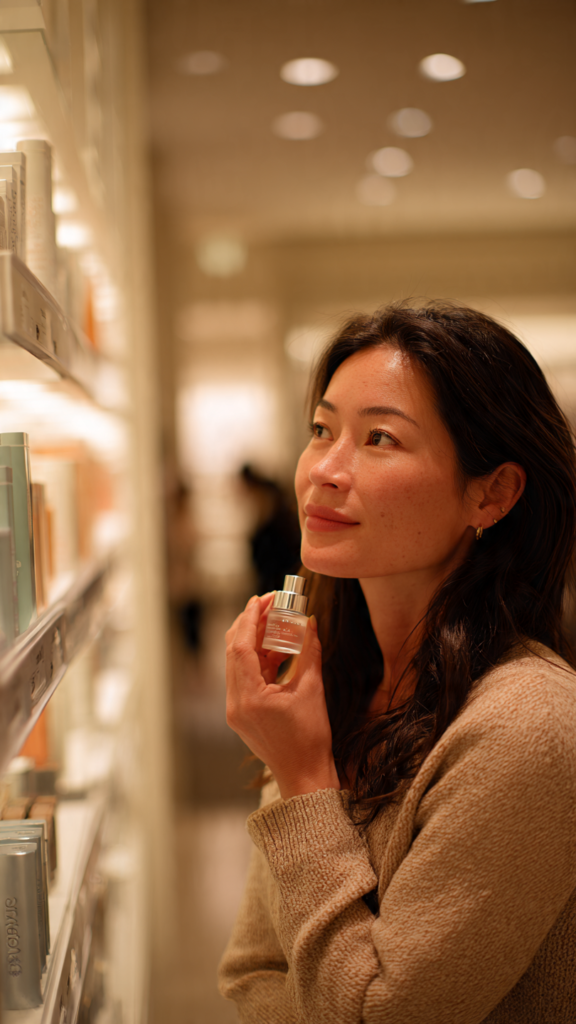
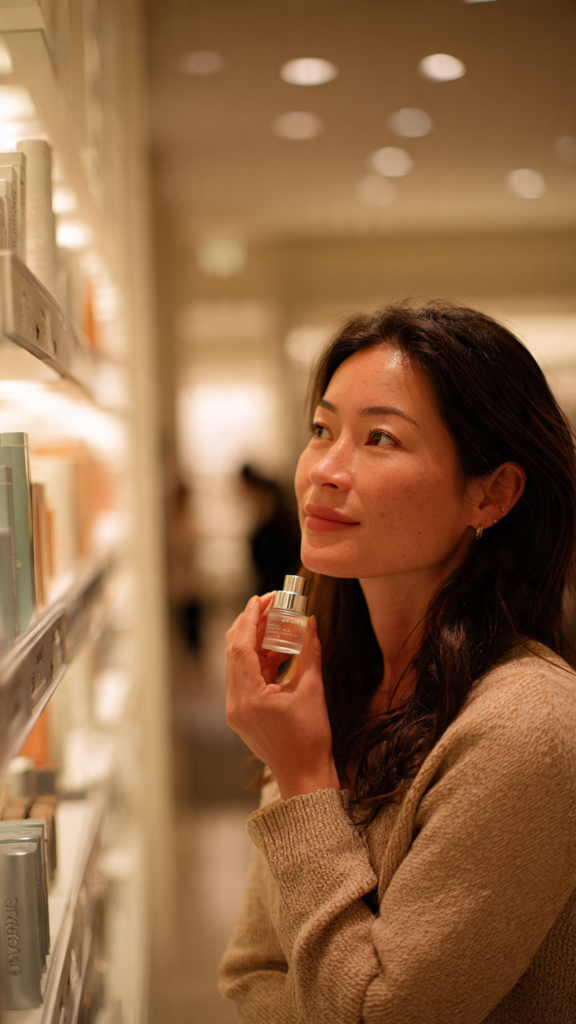
Some categories demand extra patience because they cause dramatic adjustments. Retinol and vitamin C are the two most common culprits for skin that gets worse before it gets better. Sephora carries these in many potencies—from gentle encapsulated retinol to prescription-strength formulas. Always start with a mini size or a travel version of any strong active ingredient. A full-size bottle of 1% retinol might seem like a smart investment, but if your skin peels and burns after three uses, that large bottle becomes a painful paperweight. Travel sizes let you test tolerance over two weeks.
Why are these two different from, say, a basic cleanser? Because they actively change how your skin turns over cells and defends against oxidative stress. Your skin builds a tolerance slowly. By purchasing a smaller volume first, you also force yourself to pace your usage—using retinol only two nights a week initially, then slowly increasing. By the time the travel size runs out, you will know exactly what concentration and formula texture works for you. Then you can confidently buy the jumbo size without fear. Sephora’s “Mini Size” filter is your best friend for these high-risk, high-reward products.
9. Apply Eye Cream With Your Ring Finger and Patience
The skin around your eyes is the thinnest on your entire face, roughly half the thickness of the rest of your facial skin. Yet many Sephora shoppers buy rich eye creams and then smear them on aggressively, tugging the area and causing more damage than good. Use your ring finger because it naturally applies the least pressure. Scoop a tiny pearl-sized amount—less than you think you need—and gently dab from the inner corner outward along your orbital bone. Do not drag. Do not rub. The motion should be a soft tapping or pressing, almost as if you are playing a miniature piano.
Why go through this care? Because prevention of fine lines starts with mechanical kindness. Even the most expensive eye cream filled with peptides and caffeine cannot undo damage from pulling and stretching the skin twice daily. Sephora sells many beautiful eye treatments, but none of them come with a disclaimer about application technique. Make this gentle tapping a non-negotiable habit. Also, apply eye cream after your moisturizer but before your sunscreen, allowing the thinner eye area to get its own dedicated layer of protection without interference from heavier face creams that might migrate.
10. Rotate Between Two Gentle Cleansers Instead of One Harsh Option
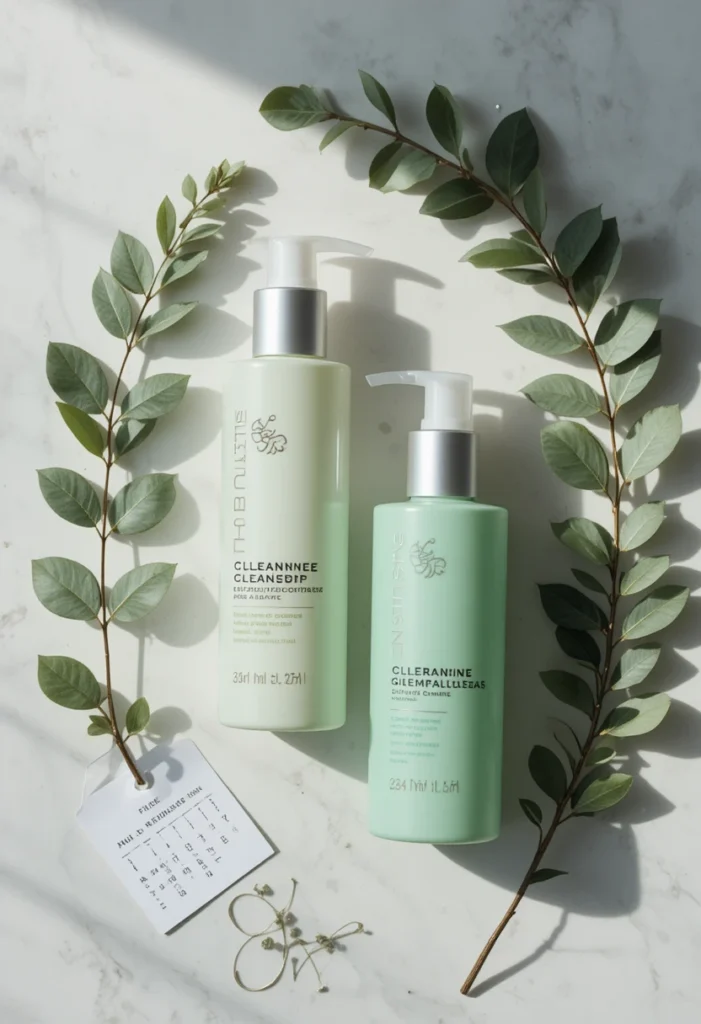
A common mistake spotted in Sephora baskets is the single “power cleanser” meant to do everything—remove makeup, exfoliate, and balance pH. That one-size-fits-all approach often strips the skin. Instead, consider having two different cleansers for different moments. Keep a balm or oil cleanser (like a cleansing balm from Farmacy or a cleansing oil from Dermalogica) for nights when you wear sunscreen or makeup. Use a milk or gel water-based cleanser (such as a gentle foaming cleanser from Laneige or a cream cleanser from Fresh) for mornings or no-makeup evenings.
Why two? Because oil breaks down oil. An oil-based cleanser dissolves sunscreen and sebum without harsh surfactants, but it leaves a slight residue that a second water-based cleanser then removes. This double-cleansing method, popularized by Korean skin care, prevents the over-stripping that leads to rebound oiliness or tightness. When shopping at Sephora, read the cleanser labels for sodium lauryl sulfate—that ingredient creates big bubbles but damages moisture barriers. Your goal is a clean face that still feels like skin, not squeaky rubber. With two gentle options, you adapt to what your skin actually needs each day.
11. Store Your Skincare Properly, Especially Vitamin C and Sunscreen
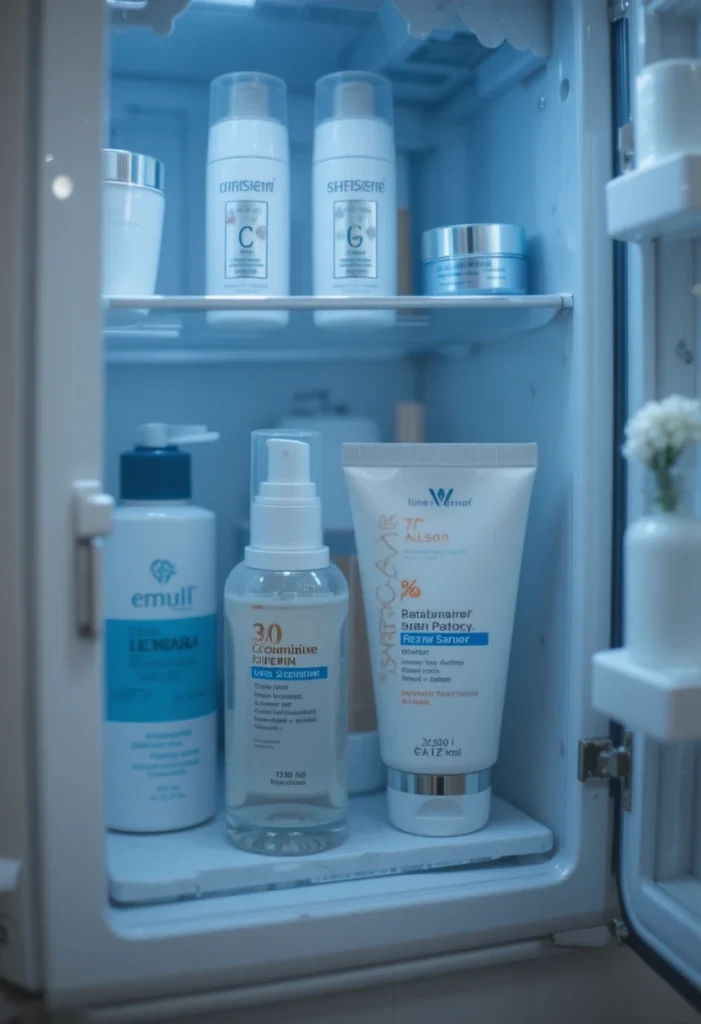
You brought home the perfect routine from Sephora, but where you place those bottles changes everything. Vitamin C serums degrade when exposed to light and air, turning from clear or slightly yellow to deep orange-brown. That color change means oxidation, and oxidized vitamin C not only stops working but can actually irritate your skin. Keep your vitamin C in its original opaque bottle, close the cap tightly after each use, and store it inside a cool, dark drawer—not on a sunny bathroom counter. The same goes for retinol and any product containing bakuchiol.
Sunscreen is another casualty of poor storage. Heat breaks down chemical sunscreen filters, making them useless against UV rays. Never leave your SPF in a hot car or a steamy bathroom. Store sunscreens at room temperature and check the texture periodically—if it separates or curdles, replace it. Sephora sells beautiful shelf organizers, but beauty is not just visual. Dedicate a corner of your bedroom closet or a medicine cabinet away from the shower’s humidity. These storage habits double the effective lifespan of your products, saving you money and ensuring each application actually benefits your skin.
12. Understand That “Clean” at Sephora Doesn’t Mean Better for Everyone
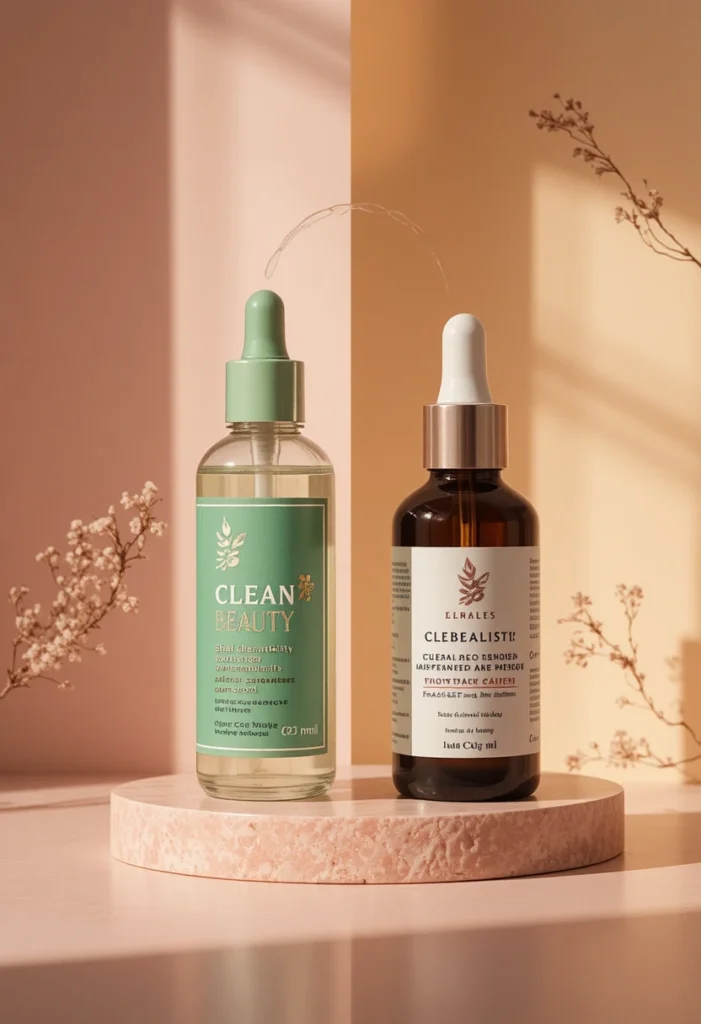
Sephora’s “Clean + Planet Positive” seal highlights products formulated without certain ingredients like parabens, phthalates, and sulfates. Many shoppers assume clean equals gentler or more effective. That is not always true. Natural preservatives can break down faster, leading to mold or bacteria growth. Some essential oils used as natural fragrances cause severe allergic reactions in sensitive skin. A synthetic preservative like phenoxyethanol, used in many non-clean products, is actually well-studied and safe for most people. Do not reject an effective product simply because it lacks a green badge.
Instead, read the full context. A clean moisturizer might be wonderful for someone who reacts to parabens, but a different person with reactive skin might find that same moisturizer’s lavender oil causes dermatitis. Focus on your personal triggers, not marketing seals. Sephora’s clean standard is a helpful filter if you have known sensitivities to specific preservatives, but do not assume every clean product is hypoallergenic or more potent. The best product for you is the one backed by a ingredient list that aligns with your skin’s actual history, not the one with the prettiest badge.
13. Give Each New Product at Least Two Weeks Before Judging
Instant gratification does not exist in skin care. Yet Sephora’s return policy is so generous that many people cycle through five different serums in a month, never letting any actually work. The skin’s renewal cycle takes roughly 28 days for younger adults and longer as you age. A new hyaluronic acid serum will hydrate immediately, but a peptide cream or a brightening product needs consistent use over weeks to change collagen or fade pigment. When you start something new, commit to using it every single day for a minimum of two weeks unless you experience burning or a rash.
During that two-week trial, keep a simple log—not a novel, just a note on your phone with observations: “Day 3: texture feels smoother” or “Day 7: no change yet.” Resist the urge to add another new product during this window. If you change two things at once, you will never know which one worked or which one caused a breakout. Sephora’s appeal is endless novelty, but your skin craves consistency. Patience is the invisible ingredient that transforms a shelf of expensive bottles into a routine that actually delivers lasting results.
14. Match Your Exfoliation Frequency to Your Skin’s Daily Mood
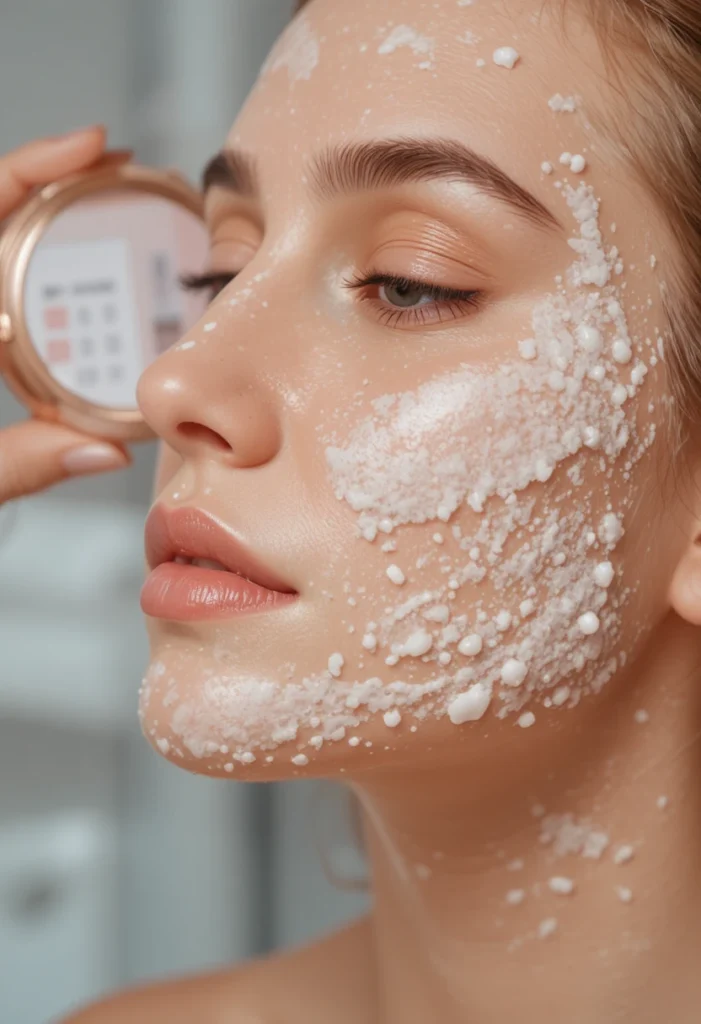
Walk down Sephora’s exfoliant aisle and you will see physical scrubs, chemical peels, and enzyme powders. The packaging encourages daily use for “radiant skin.” Ignore that. Over-exfoliation is the number one cause of compromised barriers seen in Sephora’s beauty advisors’ consultations. Your skin naturally sheds dead cells every 28 days. Exfoliants speed that up but too much speed leads to redness, stinging, and breakouts of tiny bumps. A good rule is to exfoliate no more than three times a week total, combining both physical and chemical forms.
What does “matching your mood” mean? Listen to your skin each morning. If it feels tight or looks shiny like plastic, skip exfoliation entirely that day and focus on hydration and barrier repair. If it feels rough or looks dull, choose one gentle exfoliant—perhaps a 5% lactic acid or a fine rice powder scrub. Never layer two different exfoliants unless a product is specifically formulated that way. Sephora carries fantastic options like the Drunk Elephant T.L.C. Framboos or the Dermalogica Daily Microfoliant, but rotate them wisely. Your goal is smooth, not raw.
15. Use Face Mists as a Glue, Not Just a Refresh

Face mists from Sephora often get relegated to midday refreshes or setting makeup. But their most powerful use happens during your actual routine. Spray a hydrating mist between each layer of your water-based products. For example, after cleansing and before your hyaluronic acid serum, mist your face until slightly damp. Then apply the serum. Then mist again before your moisturizer. Why? Hyaluronic acid binds to water; if your skin is dry, it pulls water from deeper layers instead of from the mist, leading to paradoxical dehydration. The mist supplies that external water.
Think of the mist as transparent glue that helps each layer spread evenly and sink faster. You also use less product because the slip from the mist lets a small amount cover more surface area. Sephora offers mists with added benefits—rose water for soothing, glycerin for hydration, or caffeine for depuffing. But even a simple thermal water spray works. The technique matters more than the fancy ingredients. Next time you build your Sephora cart, add a simple mist and change your application order. You will notice plumper, bouncier skin without buying any additional serums.
16. Do Not Fear Facial Oils—Learn How to Emulsify Them

Many shoppers with oily or acne-prone skin walk right past Sephora’s facial oil section, assuming oil will make breakouts worse. That is outdated thinking. Certain oils like squalane, jojoba, and grapeseed oil are non-comedogenic (they do not clog pores) and can actually regulate oil production. When you strip oil from your face, your glands panic and produce even more. Adding a few drops of a lightweight oil signals to your skin that it is already rich, calming overproduction. The key is how you apply it.
Never drip oil directly onto your face. Instead, place two to three drops into your palms, rub your hands together to warm the oil, then press gently into damp skin. Follow immediately with your moisturizer or mix the oil into your moisturizer. This emulsification creates a lighter feel. Also, use oils at night, not under makeup, unless you have very dry skin. Sephora’s selection of oils ranges from herbivore’s lapis oil for blemishes to biossance’s squalane for all types. Take home a mini and test for one week—you may be surprised that oil becomes your new balancing ally.
17. Rotate Your Sunscreen Formula With the Seasons
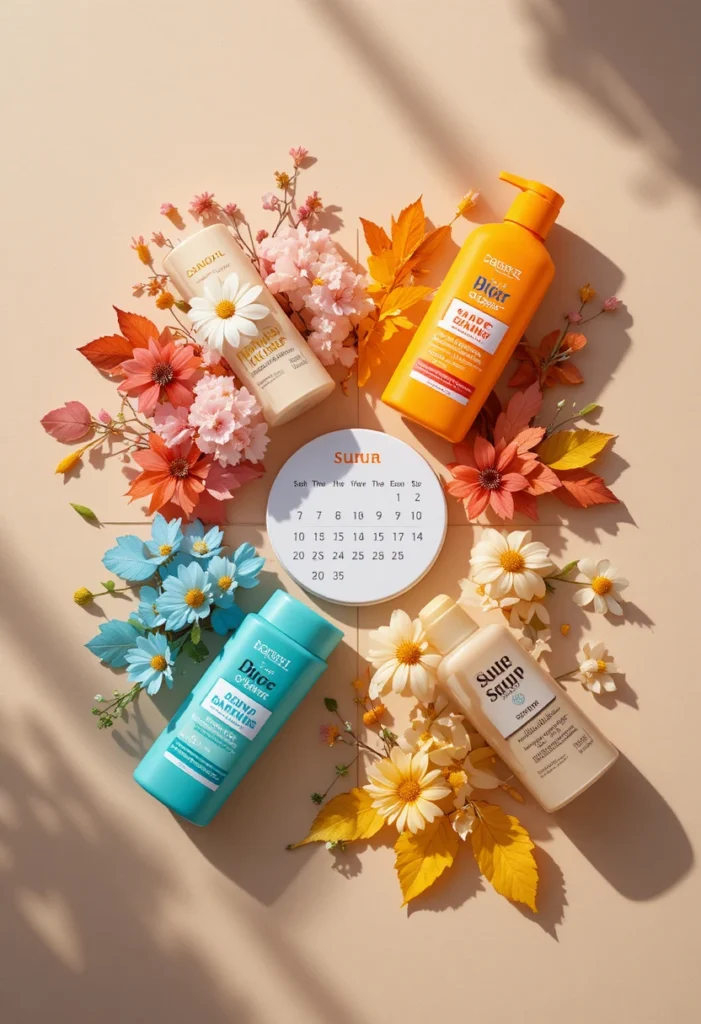
Sunscreen is non-negotiable, but the same SPF product that feels perfect in December can feel suffocating in July. Sephora stocks a wide range of textures, from rich Korean sun creams to gel-based powders. Keep at least two different sunscreens and switch based on humidity and your activity level. In winter or dry climates, choose a moisturizing sunscreen with ingredients like ceramides or hyaluronic acid. In summer or high humidity, choose a mattifying or gel formula that won’t slide off your face. Also have a water-resistant option for outdoor exercise.
The mistake many make is buying a single 3.4-ounce bottle and using it until it expires, ignoring how their skin’s oil production and sweat change with the weather. Apply the same reappearance habit year-round—every two hours of sun exposure—but let the texture adapt. When shopping at Sephora, ask for samples of two different sunscreen textures and try each for a week. Your future self will thank you because consistent SPF use, regardless of season, is the single most anti-aging step. A sunscreen you hate wearing is useless; a sunscreen you rotate based on mood you will actually use.
18. Book a Free Sephora Skin Care Consultation for Unbiased Feedback
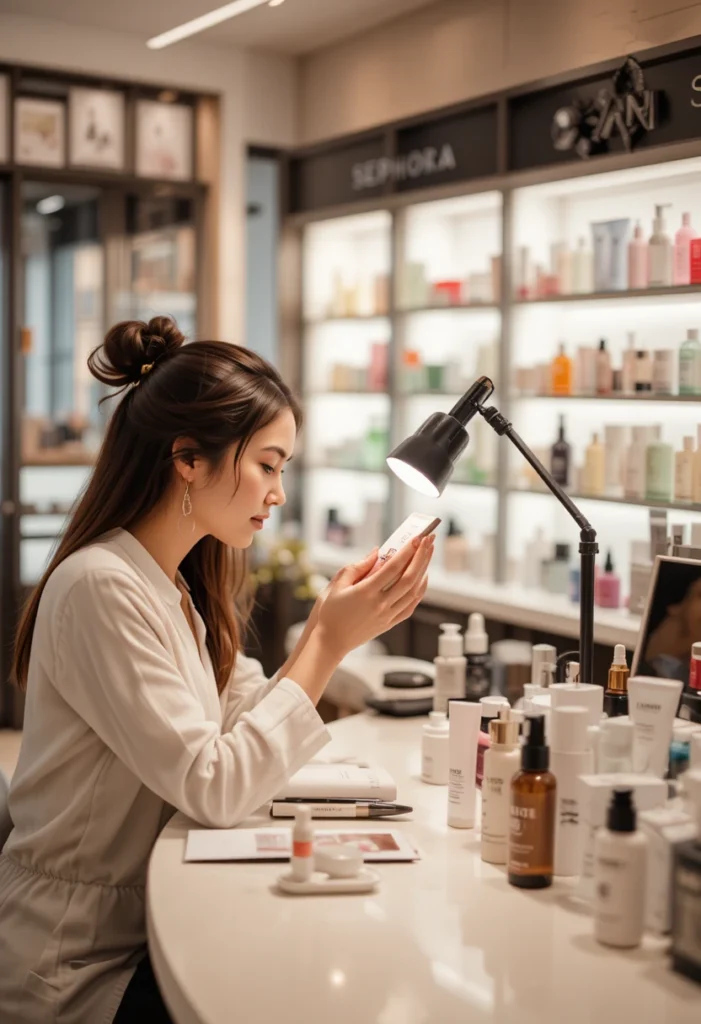
Sephora stores offer complimentary 15- to 30-minute skin care consultations, but most customers never take advantage because they feel shy or assume it leads to a hard sell. In reality, trained beauty advisors can use tools like the Moisture Meter or Skin Analysis to measure your hydration levels and pore congestion without any obligation to buy. These consultations give you objective data about whether your current routine is actually working. For instance, you might think your skin is oily, but the meter may show severe dehydration causing compensatory oil overproduction.
Go into the consultation with specific questions. “Is my moisturizer heavy enough for winter?” or “Does this redness look like barrier damage or sensitivity?” Bring your current products in a bag so the advisor can spot interactions. They can also decant samples of products they recommend, so you can test at home without purchase. The consultation is free, professional, and far more reliable than reading online reviews from strangers with completely different skin. Use this Sephora perk at least twice a year—once as seasons change—to recalibrate your routine.
19. Respect the Order of Your Sephora Sale Haul—Open One at a Time

The seasonal Sephora sales (Spring, Fall, and Holiday) tempt everyone to buy three new serums, a new moisturizer, and an exfoliating mask all at once. Opening every box on the same night is a recipe for confusion. Open and introduce only one new product every two weeks. Start with the product that addresses your biggest concern. Put the others away in a cool, dark drawer. Use the new thing consistently for 14 days, tracking any changes. Only after that period, add the next product. This slow roll-out protects you from a massive breakout that leaves you wondering which of the five products caused it.
Why does this matter beyond skin safety? It also preserves the return window. Sephora typically allows returns within 60 days for a full refund (or longer for store credit). If you wait two weeks per product, you still have time to return the unused ones if the first product causes issues or if you realize you bought a duplicate function. The excitement of a sale box fades fast, but the discipline of staggered introduction gives you actual results and financial flexibility.
20. Clean Your Tools and Brushes as Often as Your Face
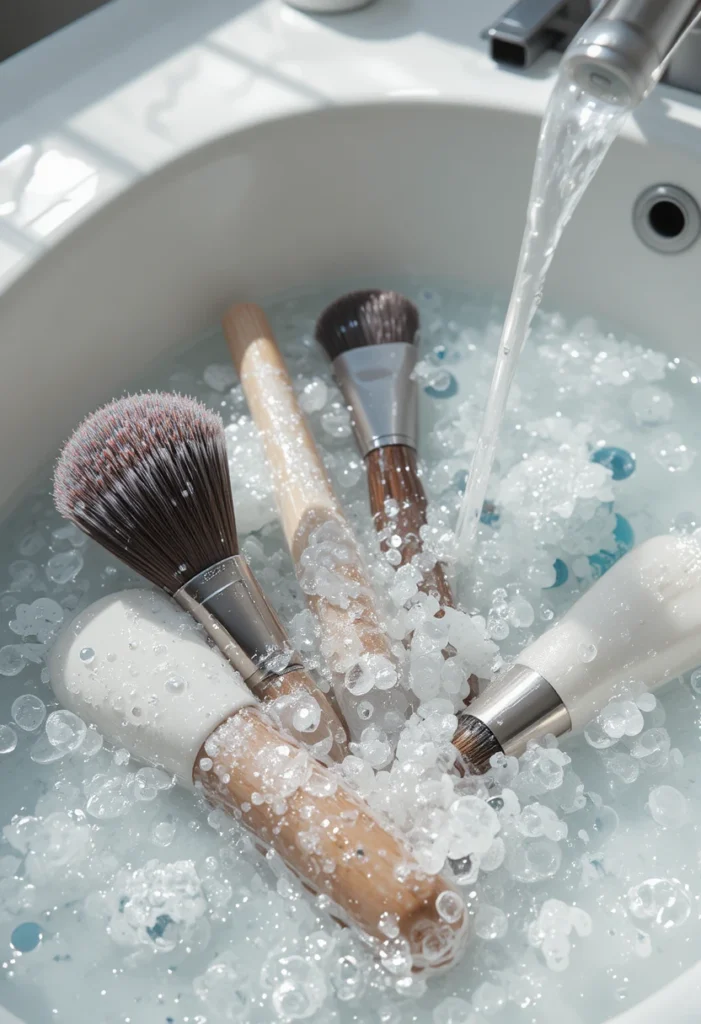
You can follow every single tip above, but if you apply your Sephora-bought serums with a dirty gua sha stone or a brush that has not been washed in three months, you are pushing bacteria, dead skin, and old oil directly into your freshly cleansed pores. Facial brushes, silicone scrubbers, and jade rollers should be washed after every use with gentle soap and warm water. Makeup brushes used for foundation or concealer need a deep clean weekly. Sephora sells专门的 cleaning sprays and solid soaps (like the Sephora Collection Solid Brush Cleanser), but dish soap and olive oil work too.
Think of your tools as extensions of your skin. A dirty roller can cause breakouts in the exact pattern you roll. Bacteria multiply rapidly in damp, dark brush bristles. Set a recurring phone alarm for every Sunday evening to wash everything. Let brushes dry completely on a towel with bristles hanging off the edge of your counter so air circulates. This simple hygiene habit multiplies the effectiveness of your expensive skincare because what you apply stays clean. Without it, you are sabotaging your own glow.
21. Reassess Your Entire Routine Every Six Months Using One Sephora Basket

Skin changes with hormones, seasons, stress, and age. The routine that worked last winter may leave you greasy this summer. Every six months, roughly around the spring and fall Sephora sales, take everything out of your medicine cabinet and lay it on a towel. Group by function: cleansers, treatments, moisturizers, SPF, masks. Ask yourself honestly which products you reach for daily versus which are collecting dust. The dust-collectors taught you something—they did not fit your life or your skin. Let them go.
Then, with that clear picture, build a “wishlist basket” on Sephora’s app with only the missing pieces. Do not buy duplicates. If you already have a perfectly good hyaluronic acid serum, you do not need another brand’s version because of pretty packaging. This six-month reassessment forces you to confront waste and refine your focus. Your skin is a living organ, not a museum display. Give it permission to change, and let your Sephora shopping habits change with it.
Conclusion
Navigating Sephora’s endless aisles doesn’t have to feel like a guessing game. By applying these twenty-one strategies—from honest patch testing and smart layering to seasonal sunscreen swaps and regular tool cleaning—you transform every shopping trip into a confident, informed investment in your skin’s long-term health. The goal isn’t a cabinet full of trendy bottles; it’s a customized, sustainable routine that makes you wake up feeling comfortable in your own glow. So next time you walk into that black-and-white striped store, remember: you are not just buying products. You are curating a relationship with your complexion, one thoughtful choice at a time.
Read Also: 23 Easy Up Dos for Thinner Hair Looks Tips: Effortlessly Add Fullness and Feel Gorgeous Every Day