
The best cold sandwich recipes turn a few fresh ingredients into a lunch that feels generous, crisp and ready the moment hunger shows up. There is no pan to wash and no oven to heat, just good bread, a well-seasoned filling and layers that stay neat until the first bite. When they are built with a little care, cold sandwiches taste bright and satisfying rather than plain.
A short list of reliable favorites makes weekday lunches calmer. You can shop once, mix two or three fillings on a quiet afternoon, and then assemble a different sandwich each day without much thought. The same recipes stretch to school lunch boxes, road trips, picnics and slow weekends at home.
For a relaxed weekend spread, set a platter of sandwiches next to a pitcher from these cozy winter mocktail recipes and let everyone help themselves. This guide walks through the simple building rules first, then shares ten fillings to rotate, plus calm meal prep and storage advice. By the end, you will have a small sandwich routine that works all year.
Table of Contents
What Makes a Cold Sandwich Taste Fresh, Not Sad
The basic structure of a sandwich is simple, with a filling held between slices of bread, so the details around that filling decide almost everything. Start with bread that has some character, such as a crusty roll, sturdy sourdough or soft whole grain slices. Very soft bread collapses under moist fillings, while bread that is too hard can squeeze the filling out.

Moisture control is the second rule. Spread butter, cream cheese or a thick sauce edge to edge so it forms a gentle barrier between the bread and wetter ingredients. Place dry lettuce leaves against the bread, keep tomatoes and pickles toward the center, and pat juicy vegetables dry with a paper towel before layering.
Seasoning is the quiet third rule. A pinch of salt and black pepper on tomatoes, a squeeze of lemon in a salad filling, or a swipe of mustard under the cheese wakes up the whole sandwich. Taste the filling on its own before you build, because cold fillings taste milder than warm ones and often need a touch more seasoning than you expect.
cold sandwich recipes
These cold sandwich recipes lean on familiar ingredients and short methods, so none of them asks for special equipment or hard-to-find items. Each one lists what it is, who it suits, how to make it, a pro tip and one mistake to skip. Mix and match the fillings with whatever bread you already enjoy.
Classic Chicken Salad Sandwich
What it is: A creamy chopped chicken salad with celery, a little red onion and a lemony mayonnaise dressing, piled onto soft bread with lettuce.
Who it suits: Anyone who wants a dependable make-ahead filling for work lunches, picnics and easy family meals.
How to make it: Fold diced cooked chicken with finely chopped celery, red onion, mayonnaise, lemon juice, salt and pepper. Chill for at least thirty minutes, then spoon onto bread over crisp lettuce leaves.
Pro tip: Cut the chicken into small, even pieces so every bite holds together and the salad spreads without tearing the bread.
Mistake to avoid: Dressing warm chicken. Warm chicken thins the mayonnaise and makes the salad loose, so chill the chicken fully before mixing.
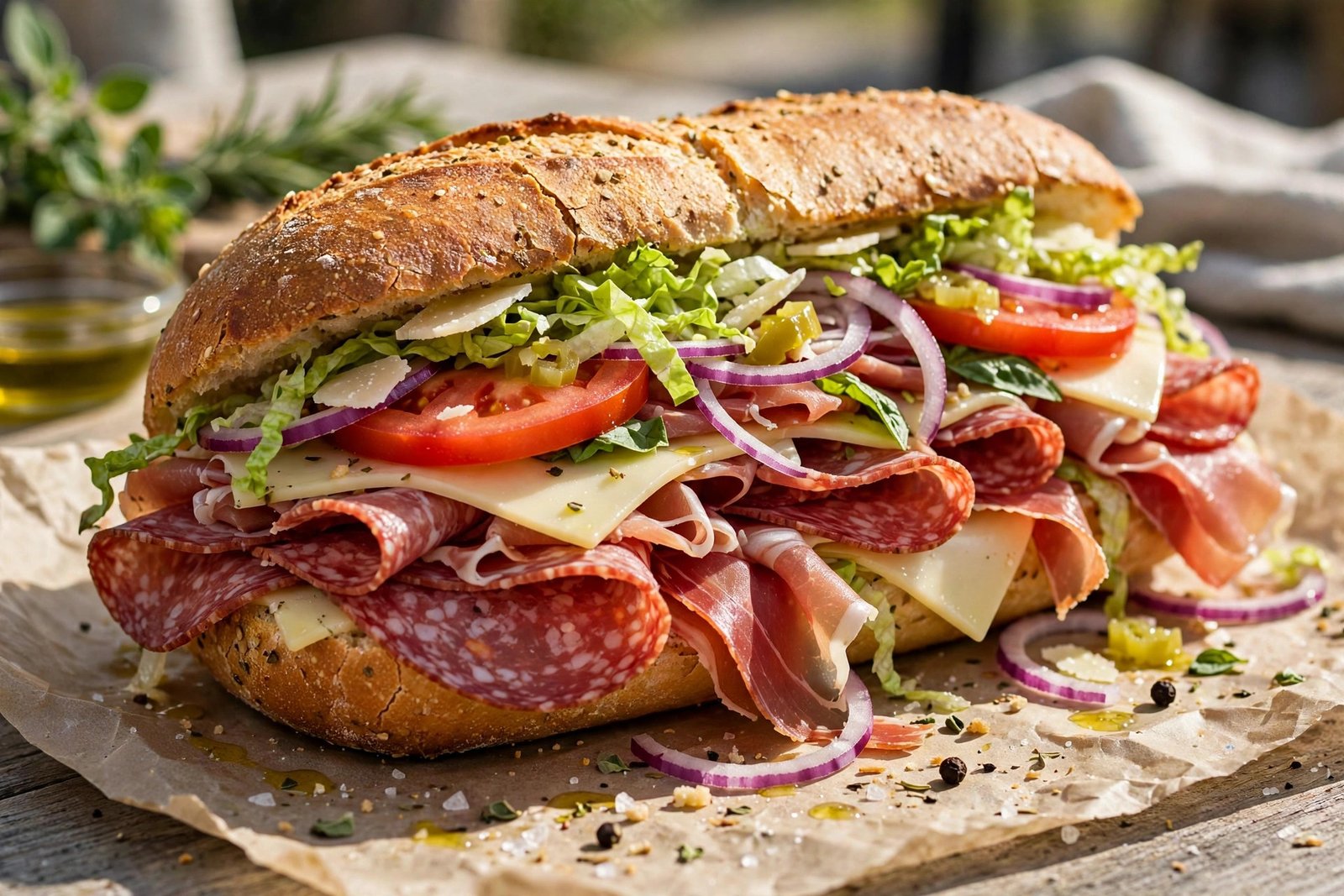
Italian Deli Sub
What it is: A crusty roll layered with salami, ham, provolone, shredded lettuce, tomato, red onion and a tangy oil and vinegar dressing.
Who it suits: Hearty appetites, game day spreads and anyone who likes a sandwich with plenty of contrast in every bite.
How to make it: Split a crusty roll and swipe both sides with a little mayonnaise. Layer the meats and cheese, add lettuce, tomato and onion, then drizzle with olive oil, red wine vinegar, dried oregano, salt and pepper.
Pro tip: Shred the lettuce finely and dress it lightly before adding it, so it stays in place instead of sliding out.
Mistake to avoid: Building the sub hours ahead with the vinegar already on. The dressing soaks the roll, so add it just before serving when you can.
Turkey Avocado Club
What it is: A triple-layer sandwich of sliced turkey, avocado, lettuce, tomato and a light herb mayonnaise on toasted bread.
Who it suits: Readers who want a cafe-style lunch at home that feels fresh, filling and a little bit special.
How to make it: Toast three slices of bread and spread them with mayonnaise mixed with chopped parsley or chives. Layer turkey, avocado slices, lettuce and tomato between the slices, season, then cut diagonally.
Pro tip: Mash half the avocado onto the bread and slice the rest, which keeps the layers from slipping apart.
Mistake to avoid: Using an underripe avocado. Hard avocado tastes bland and tears the bread, so choose one that gives slightly when pressed.
Tuna Salad Crunch Sandwich
What it is: A lemony tuna salad with chopped celery, cucumber and red onion for crunch, served on whole grain bread with greens.
Who it suits: Budget-friendly lunches, quick pantry meals and anyone who enjoys a bright, savory filling.
How to make it: Drain canned tuna well and flake it into a bowl. Stir in mayonnaise, lemon juice, chopped celery, cucumber and red onion, then season and chill briefly before building the sandwich.
Pro tip: Add a small spoonful of plain yogurt alongside the mayonnaise for a lighter, fresher taste.
Mistake to avoid: Skipping the draining step. Extra liquid from the can makes the salad watery and the bread soggy within the hour.
Egg Salad Sandwich
What it is: A soft, gentle sandwich of chopped hard-boiled eggs folded with mayonnaise, a little mustard and fresh chives.
Who it suits: Vegetarian lunches, tea-style spreads and anyone who likes mild, comforting flavors.
How to make it: Peel and chop hard-boiled eggs, then fold them with mayonnaise, a small amount of mustard, salt, pepper and snipped chives. Spread thickly on soft bread with the crusts on or off, as you prefer.
Pro tip: Chop the eggs while they are fully cold so the pieces stay neat instead of turning pasty.
Mistake to avoid: Overmixing. Stir just until combined, because heavy mixing breaks the eggs down and flattens the texture.
Caprese Sandwich
What it is: Thick slices of fresh mozzarella and ripe tomato layered with basil leaves and a drizzle of olive oil on crusty bread.
Who it suits: Summer lunches, vegetarian guests and anyone who loves simple Italian flavors.
How to make it: Salt the tomato slices lightly and let them rest on a paper towel for ten minutes. Layer mozzarella, tomato and basil on crusty bread, then finish with olive oil and black pepper.
Pro tip: Use the best tomatoes you can find, since the short ingredient list leaves nowhere for bland produce to hide.
Mistake to avoid: Assembling it far ahead. Caprese is at its best within the hour, before the tomato softens the bread.
Ham and Swiss Pinwheels
What it is: Soft tortillas spread with cream cheese, layered with ham and Swiss cheese, rolled tightly and sliced into neat rounds.
Who it suits: Party platters, school lunch boxes and anyone who needs a tidy finger food that travels well.
How to make it: Spread a tortilla edge to edge with softened cream cheese, then layer ham and cheese with a few spinach leaves. Roll firmly, wrap and chill for an hour, then slice into rounds.
Pro tip: Chill the roll before slicing and use a sharp knife with a gentle sawing motion for clean edges.
Mistake to avoid: Overfilling. Thick layers make the tortilla crack and the pinwheels unroll, so keep each layer thin and even.

Chickpea Salad Sandwich
What it is: A hearty plant-based filling of lightly mashed chickpeas with celery, red onion, lemon and a creamy dressing.
Who it suits: Vegetarian and vegan readers, meal preppers and anyone who enjoys a tuna-style salad without the fish.
How to make it: Mash canned chickpeas with a fork, leaving some pieces whole. Stir in chopped celery, red onion, lemon juice and mayonnaise or a plant-based spread, then season and serve on bread with greens.
Pro tip: A pinch of smoked paprika or a little chopped dill pickle gives the filling a deeper, deli-style flavor.
Mistake to avoid: Mashing the chickpeas completely smooth. A rough texture eats like a real sandwich filling, while a puree feels heavy.
Cucumber Tea Sandwiches
What it is: Delicate crustless sandwiches of thin cucumber slices on soft white bread spread with herbed cream cheese.
Who it suits: Afternoon tea, bridal or baby showers and anyone who enjoys a light, pretty bite.
How to make it: Stir chopped dill or chives into softened cream cheese and spread it on soft bread. Add cucumber slices in a single overlapping layer, season lightly, top with bread and trim the crusts before cutting into fingers.
Pro tip: Salt the cucumber slices briefly and pat them dry so they stay crisp and do not weep into the bread.
Mistake to avoid: Cutting the cucumber too thick. Thick slices push out when you bite, while thin slices stay politely in place.
BLT with Herb Mayo
What it is: Crisp bacon, lettuce and tomato on toasted bread with a mayonnaise stirred with basil, parsley or chives.
Who it suits: Tomato season, weekend lunches and anyone who believes a simple classic needs no improvement beyond good herbs.
How to make it: Toast sturdy bread and spread it generously with herb mayonnaise. Layer crisp bacon, thick tomato slices seasoned with salt and pepper, and plenty of lettuce, then press gently and slice.
Pro tip: Build the sandwich while the toast is still slightly warm so the herb mayonnaise softens into every corner.
Mistake to avoid: Using pale, watery tomatoes. The tomato is the main event here, so wait for ripe ones or choose a different sandwich that day.
Meal Prep and Food Safety Basics
A calm routine makes these lunches easy all week. Mix sturdy fillings such as chicken salad, tuna salad and chickpea salad on Sunday, store them in sealed containers in the fridge, and build sandwiches fresh each morning. Most mixed fillings taste best within about three days, so plan smaller batches twice a week if you prefer.
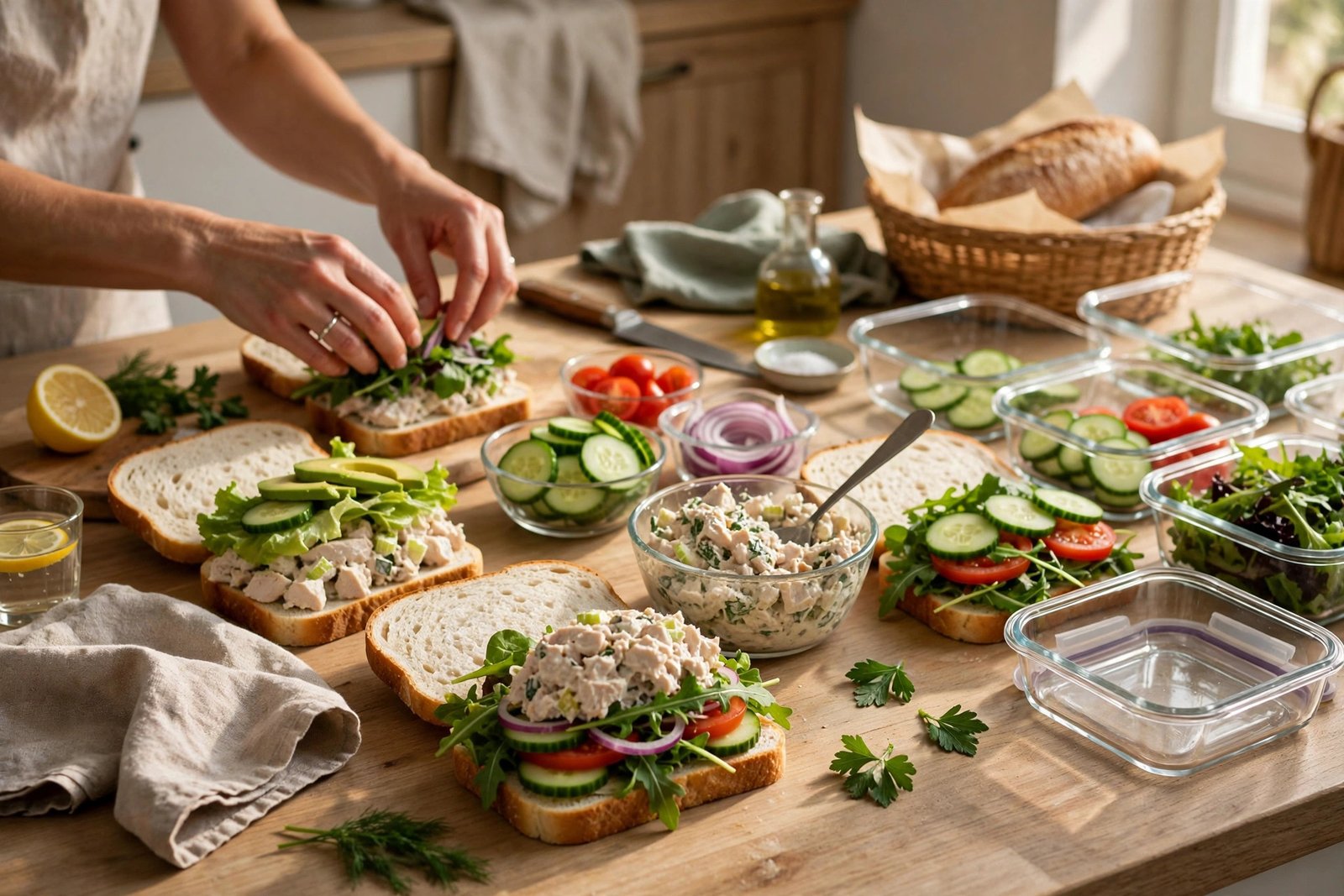
General food safety guidance for packed lunches is simple and worth following every time. Keep perishable fillings cold in a fridge set at or below 40°F (4°C), carry sandwiches with an ice pack in an insulated bag, and avoid leaving them at room temperature for long stretches, especially on warm days.
Some parts keep better than others. Sliced cheese, cured meats and sturdy greens hold up well for days, while avocado, tomato and cucumber are happiest added on the day you eat. Wrapping assembled sandwiches in parchment and then foil keeps them neat without trapping too much moisture against the bread.
If you enjoy this kind of gentle prep, the same approach works for mornings too, and these easy breakfast casserole recipes follow the same make-ahead spirit. Ten quiet minutes of prep the night before can turn both breakfast and lunch into decisions you have already made. That is the real gift of cold sandwich recipes: calm, ready food with almost no day-of effort.
Easy Ways to Serve Them for Work, School and Weekends
For work lunches, these cold sandwich recipes travel best in a snug container with the crispiest elements protected. A small handful of cherry tomatoes, cucumber sticks or fruit on the side keeps the meal feeling complete. If your workplace fridge is crowded, an insulated bag with an ice pack keeps everything safely cold at your desk.
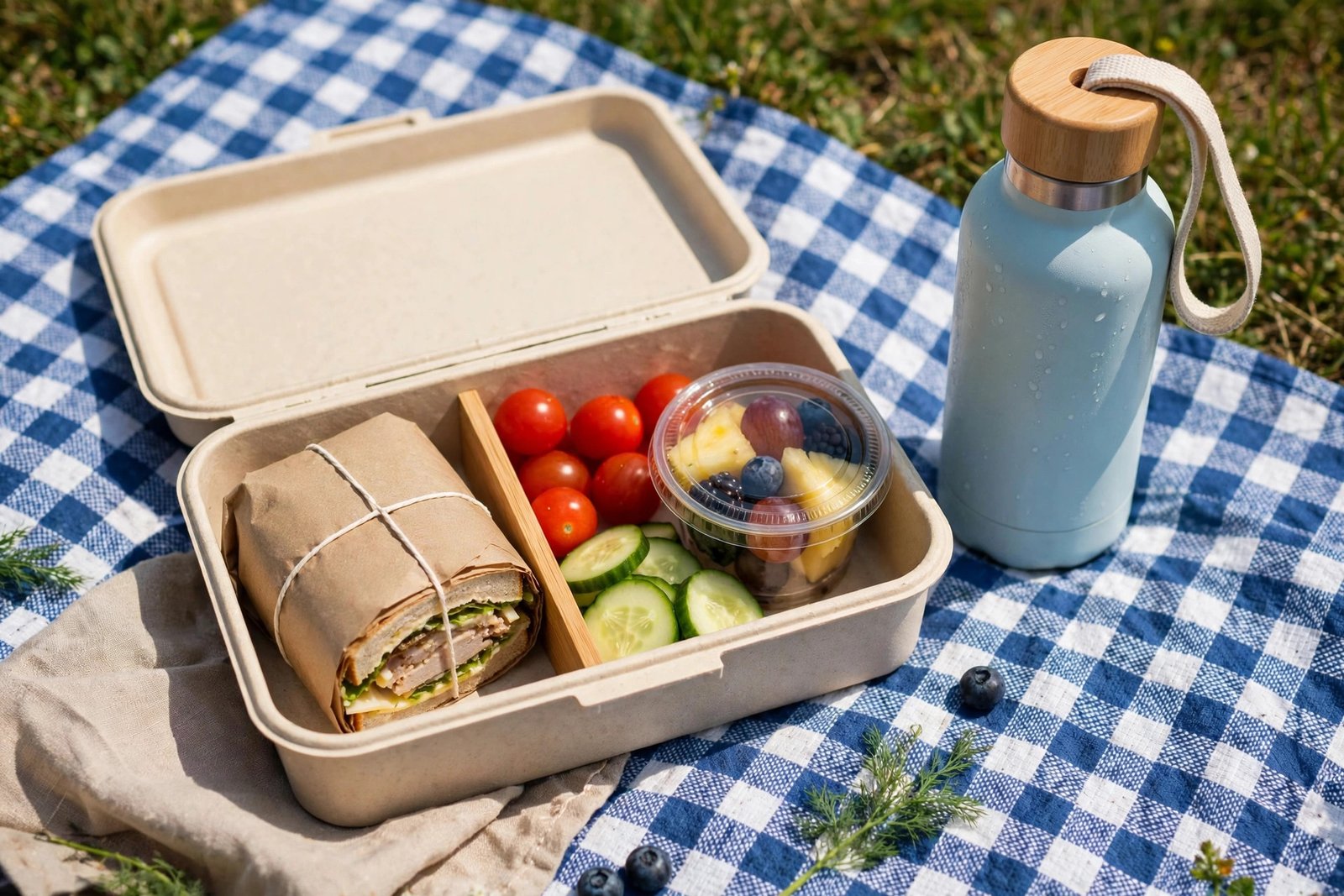
For school lunches, pinwheels, egg salad and chickpea salad travel especially well and are easy for small hands to manage. Cut sandwiches into halves or quarters, skip any ingredients your school asks families to avoid, and add a little note or a favorite fruit to make the box feel personal.
For weekends and guests, arrange two or three varieties on one big board so everyone can mix and match. Round out the plate with cozy Christmas side dish recipes during the festive season, or simple salads and pickles the rest of the year. A shared board turns an ordinary lunch into a small occasion without any cooking at all.
Frequently Asked Questions
How long do cold sandwich recipes keep in the fridge?
Mixed fillings such as chicken, tuna, egg and chickpea salad generally keep well for about three days in a sealed container in the fridge. Assembled sandwiches are best eaten the same day or the next day. When in doubt, trust your senses and discard anything that smells off or feels slimy.
How do I keep cold sandwiches from getting soggy?
Use a spread barrier on both slices of bread, keep wet ingredients in the center, and add tomatoes and pickles at the last moment when you can. Dry greens placed against the bread also help a great deal. Wrapping in parchment rather than plastic keeps the surface drier.
What bread works best for make-ahead sandwiches?
Sturdy breads such as sourdough, crusty rolls, ciabatta and firm whole grain slices hold up best. Very soft sandwich bread works for same-day eating but softens quickly under moist fillings. Lightly toasting bread adds a little extra protection for packed lunches.
Can I freeze cold sandwiches?
Plain cheese or cured meat sandwiches freeze reasonably well, but salad fillings, lettuce, tomato, cucumber and avocado do not. Freeze only simple builds, thaw them overnight in the fridge, and add fresh vegetables after thawing. For most fillings, the fridge is the better home.
What are the best options here for school lunches?
Pinwheels, egg salad and chickpea salad are gentle, tidy and easy to eat, and they hold up well until midday with an ice pack. Chicken salad is another favorite when your school allows it. Always follow your school’s own guidance about ingredients to avoid.
Conclusion
Good cold sandwich recipes ask for very little: decent bread, a seasoned filling, dry layers where they matter and a few minutes of calm assembly. Rotate the ten ideas in this guide and lunch quietly takes care of itself, at home, at work and at school. Start with the filling that sounds best today, then try another next week.
When you are ready to build a fuller table, explore the other recipe guides here for warm dishes, sweet finishes and festive drinks to serve alongside. A well-made sandwich, a simple side and good company are often all a meal really needs.


