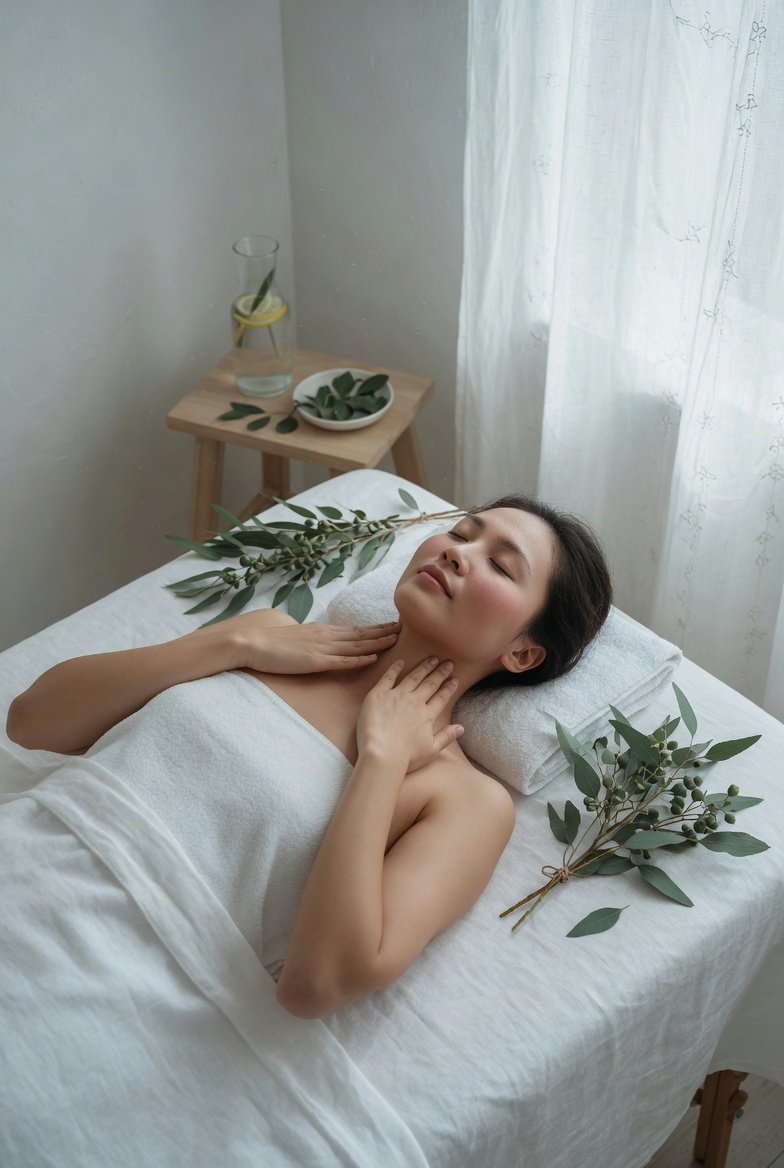
Have you ever woken up with puffy eyes, felt that heavy tiredness in your legs after a long flight, or noticed your skin looking dull no matter how much water you drink? Your lymphatic system might be quietly struggling to keep up. Unlike your heart, which has a pump, your lymphatic network relies on muscle movement, breathing, and gentle external stimulus to do its job. This self lymph drainage massage guide introduces you to a simple, drug-free technique that works with your body’s natural rhythm to flush stagnant fluid, calm inflammation, and restore a sense of lightness from head to toe.
The beauty of learning this approach is that you don’t need expensive spa appointments or special equipment. Using just your hands and a few minutes each day, you can stimulate lymph flow, support your immune defenses, and even soften facial tension that leads to puffiness. Throughout this guide, you’ll discover eight practical ways to make self lymph drainage massage a rewarding part of your routine—no complicated steps, no intimidating medical jargon, just real results that help you feel more energized and less bloated.
1. Recognizing the Signs Your Lymphatic Flow Needs a Boost
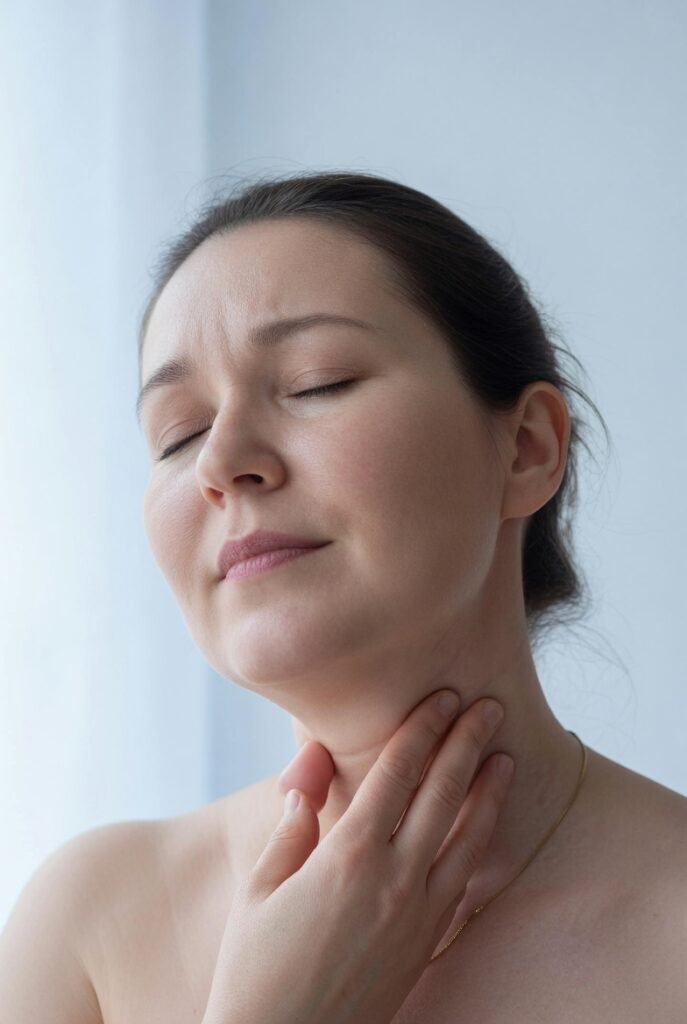
Your body speaks to you in subtle signals long before a major issue arises. Chronic fatigue that isn’t solved by sleep, frequent colds, stiff joints in the morning, or a general sense of “heaviness” can all point to sluggish lymph circulation. Unlike blood, which moves in a closed loop, lymph fluid travels through a one-way system of vessels and nodes that rely entirely on manual stimulation and movement. When this system slows down, metabolic waste products accumulate in your tissues, creating an environment where swelling, brain fog, and even skin breakouts become more common.
Many people mistakenly believe that drinking more water or exercising harder is the only answer, but self lymph drainage massage targets the root cause directly—mechanical stagnation. By applying very light, rhythmic pressure (about the weight of a nickel) along specific pathways, you help coax lymph back toward collecting ducts near your collarbones, where it eventually rejoins your bloodstream for elimination. Once you learn to listen for those tight, tender, or puffy areas on your body, you’ll understand exactly where to focus your massage for maximum relief without guesswork.
2. Preparing Your Body and Mind for a Gentle Lymphatic Session
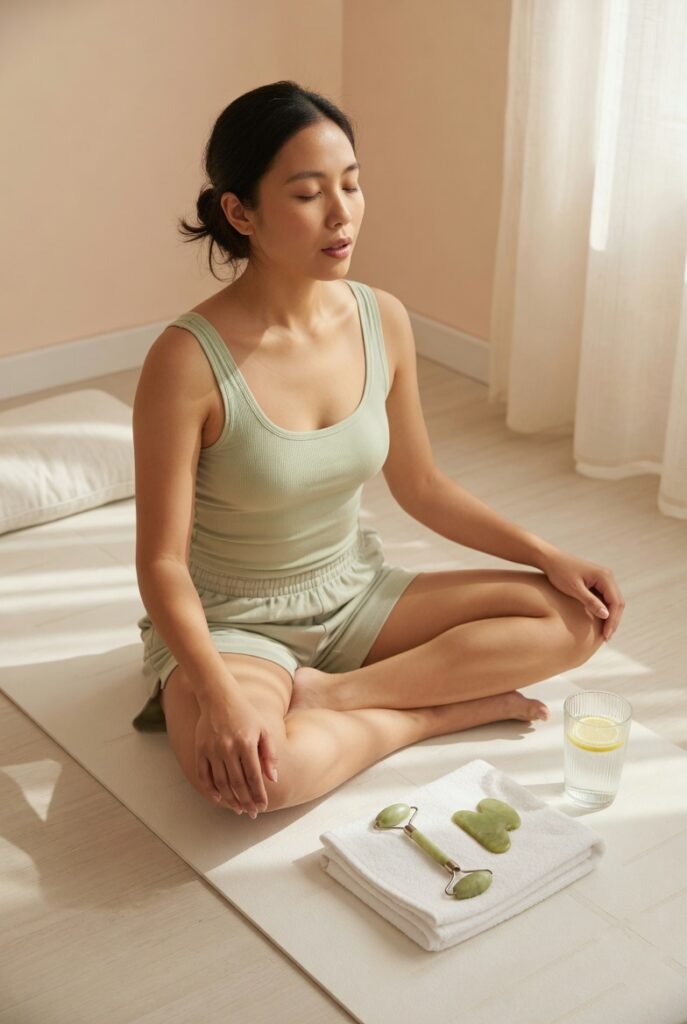
Before you place your hands on your skin, take a moment to create a calm environment. The lymphatic system responds best to slow, deliberate touch, not deep pressure or hurried movements. Find a warm, quiet space where you can sit or lie down without interruptions. Wear loose clothing if you plan to work on your torso or limbs, or simply remove any tight accessories like watches, bracelets, or high-collared tops that might restrict natural flow. Hydration matters here—drinking a glass of warm water about twenty minutes beforehand helps thin the lymph fluid slightly, making it easier to move.
Your emotional state also plays a surprisingly large role in lymphatic health. Stress hormones like cortisol can cause vessels to constrict, exactly the opposite of what you want. Take three slow belly breaths, letting your shoulders drop away from your ears. Remind yourself that self lymph drainage massage is not about forcing or fixing; it’s about inviting your body to release what no longer serves it. Many beginners rush through the motions, but the real magic happens when you slow down to the pace of a lazy river. Set an intention—perhaps “I soften,” or “I release puffiness”—and let that gentle mindset guide every stroke.
3. Mastering the Basic Hand Positions That Work Every Time
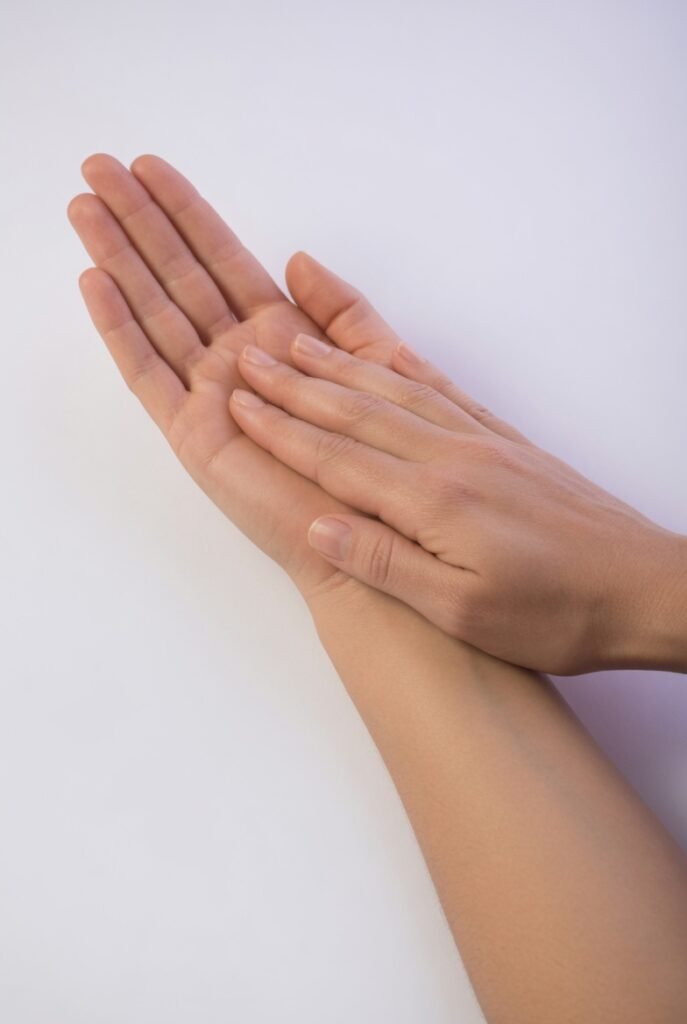
Your hands become your primary tools, so understanding the correct placement and movement is crucial. The most common and effective technique is called the “stationary circle.” Place the pads of your index, middle, and ring fingers flat against your skin without dragging or sliding roughly. Using light pressure—imagine stroking a ripe tomato without breaking its skin—trace small, slow circles about the size of a dime. Each circle should stretch the skin gently in one direction, then relax back. This pumping action opens tiny lymphatic capillaries, allowing trapped fluid to enter the drainage channels.
There are two essential hand positions to practice first. For the neck and jawline, use your fingertips with your palms relaxed, never squeezing. For the armpits (axillary nodes) and groin (inguinal nodes), use a broader palm contact or a cupped hand. Always move from the outermost part of a limb or face toward the center of your body, because lymph flows in one direction—toward your collarbone area. A common mistake is working against this natural pathway, which can temporarily worsen swelling. By mastering these two simple hand placements, you gain the confidence to address puffiness anywhere, from your fingers to your ankles, without needing complex charts or professional supervision.
Also Read: 20 Pale Brunette Makeup Ideas: Embrace Your Unique Beauty with Confidence
4. Effortless Facial Drainage to Depuff Eyes, Cheeks, and Jawline
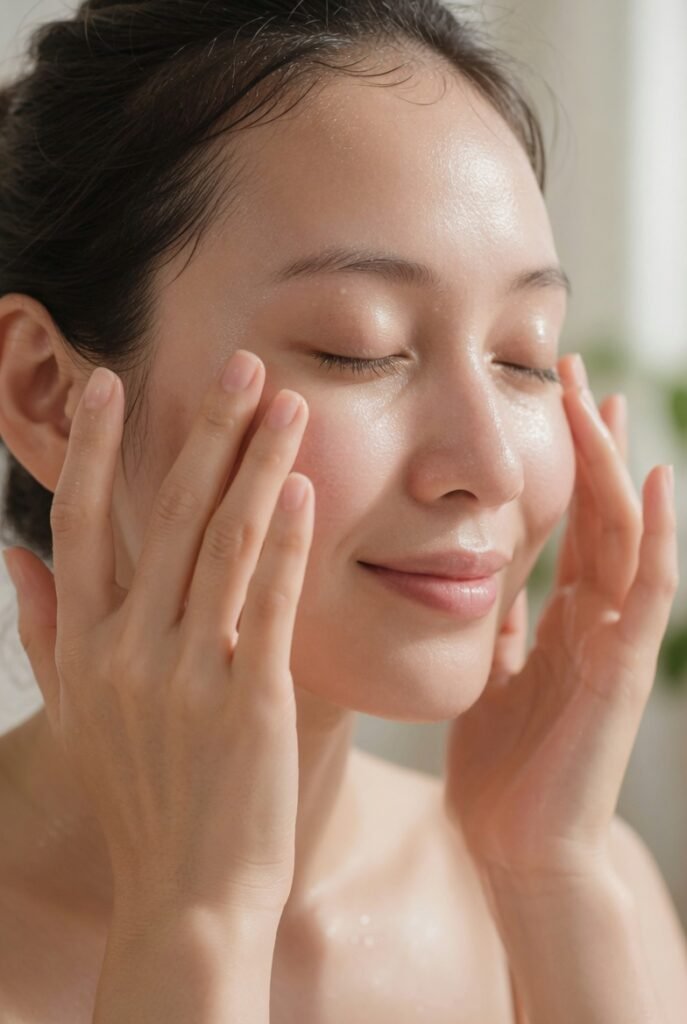
Your face has an incredibly dense network of lymphatic vessels, which is why sleepless nights, salty meals, or allergies show up so quickly as under-eye bags or a bloated look. Begin at your collarbones (the supraclavicular fossa) with ten gentle, slow circles using your middle fingers to “open the exit door” before moving upward. Then, using both hands, start at the center of your chin and make tiny outward circles along your jawbone toward your ears. Repeat three to four times on each side. The pressure should be so light that you barely feel it—heavy touch actually compresses lymph vessels shut.
Next, address the eye area without any pulling or tugging. Place your ring fingers (the weakest fingers, perfect for delicate skin) at the inner corners of your eyes near your nose bridge. Make those same small circles moving outward along your lower eye socket toward your temples. Then switch to the upper eyelid, gliding from the inner brow outward. Finish by stroking from your temples downward along the sides of your neck to your collarbones. Many people notice their face looks more sculpted and awake after just three minutes of this routine. Because facial skin absorbs oil quickly, you can apply a lightweight non-comedogenic oil or aloe vera gel to help your fingers glide, but avoid heavy creams that clog pores.
5. Reducing Heavy Legs and Ankle Swelling Without Aggressive Pressure
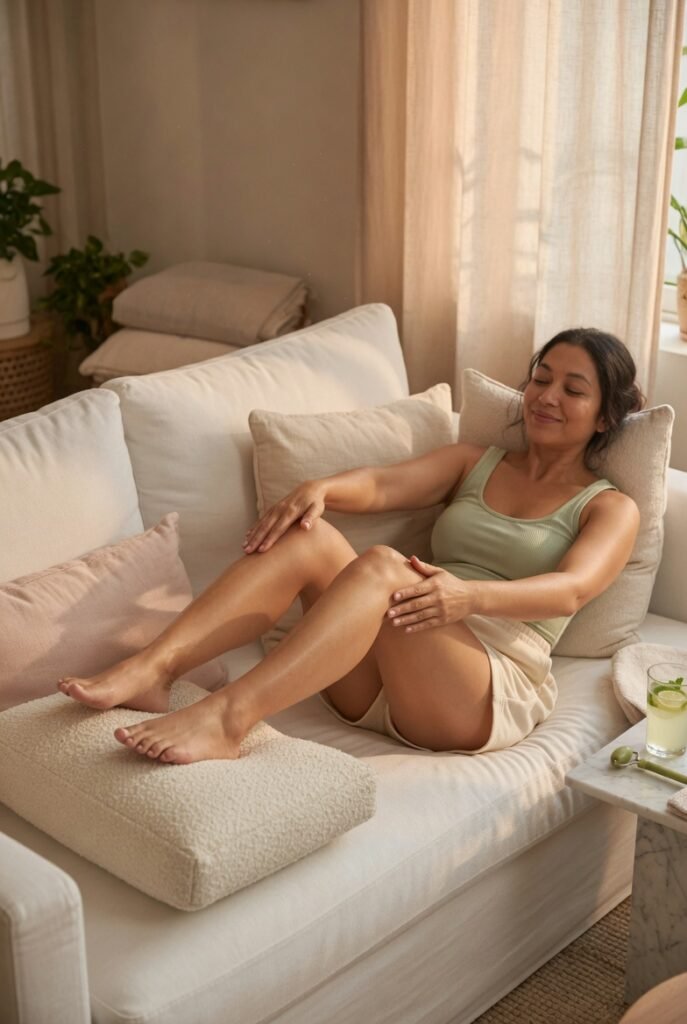
Leg swelling, medically known as peripheral edema, often worsens after sitting at a desk, standing for hours, or traveling by plane. Gravity pulls lymph downward, but without muscle contractions to push it back up, fluid accumulates around your ankles and calves. The good news is that self lymph drainage massage can reverse this surprisingly fast. Lie on your back with your legs slightly elevated on a pillow. Begin at your groin (inguinal nodes) using light, circular palm movements for about thirty seconds per side. This step is non-negotiable because it clears the “drain” before you send more fluid toward it.
Now work from your feet upward. Using both hands, encircle your ankle and perform slow, skin-stretching circles around the bony prominences. Move up to your calf, then your knee, then your thigh, always directing strokes toward the groin. Never apply deep kneading or vigorous rubbing—that type of massage targets muscles, not lymph. Instead, imagine coaxing a sleepy cat to move; gentle persistence works far better than force. Repeat the entire leg sequence two to three times. Many people with mild to moderate edema report visible reduction in ankle circumference after a single session. For best results, combine this massage with simple ankle pumps and walking, as muscle movement acts as a natural secondary pump for your lymphatic system.
6. Relieving Torso Congestion and Supporting Digestive Comfort
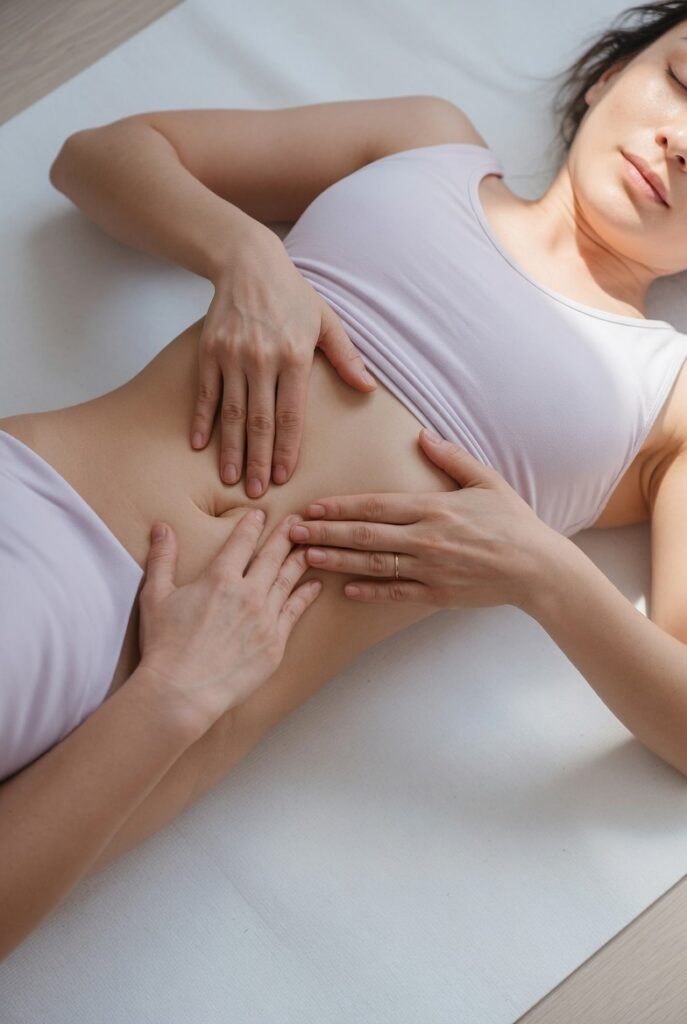
Your abdomen and chest house hundreds of lymph nodes that filter fluid from your entire lower body and internal organs. When this area becomes sluggish, you might experience bloating, shallow breathing, or a feeling of fullness that isn’t related to food. Start by sitting or lying comfortably with your knees bent to relax your abdominal wall. Place one palm on your lower right belly (just above your hip bone) and the other palm on your upper left belly. Make large, slow, clockwise circles—this follows the natural direction of your colon and lymphatic channels. Keep your touch featherlight, barely moving the skin over the underlying muscle.
For the chest and underarm region, cup one hand into your opposite armpit and perform those dime-sized stationary circles for thirty seconds, then switch sides. Many women find this particularly helpful for premenstrual breast tenderness, as lymph stagnation often contributes to that heavy, sore sensation. Continue by gently stroking from your sternum outward toward your armpits, then down the side of your ribs. Breathe deeply throughout; each exhalation helps move lymphatic fluid through the thoracic duct, the body’s largest lymphatic vessel. Never massage directly over a recent surgical incision, infection, or blood clot without medical clearance. For everyday digestive discomfort or chest tightness caused by fluid retention, this gentle approach can bring noticeable relief within a week of consistent practice.
7. Combining Breath and Movement to Amplify Your Massage Results
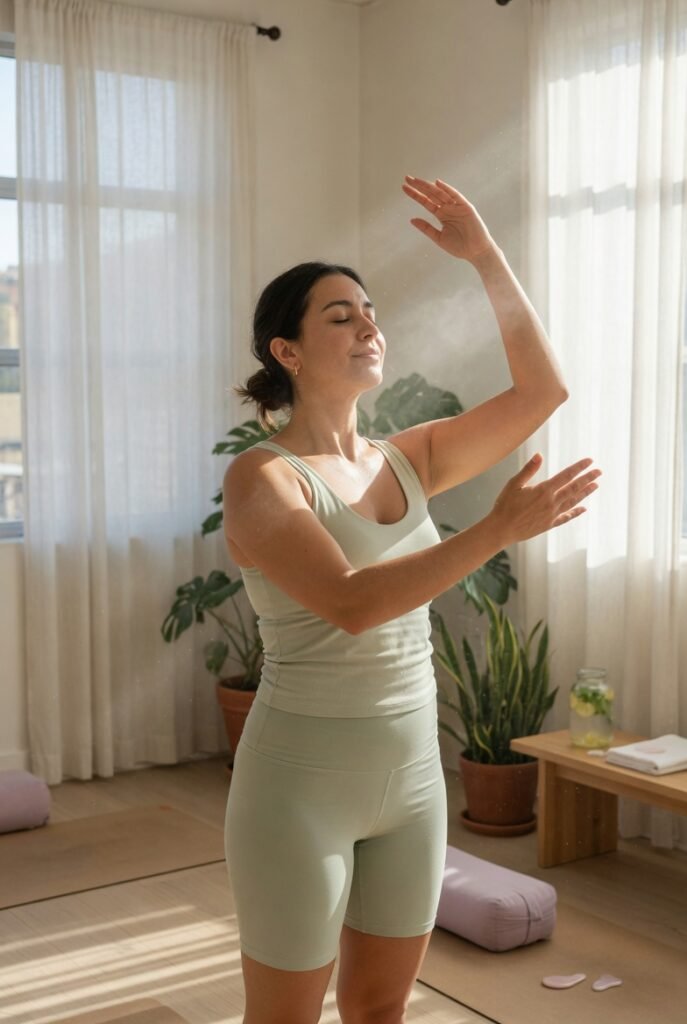
Self lymph drainage massage becomes exponentially more effective when paired with conscious breathing. The diaphragm acts as a powerful pump: each inhalation creates negative pressure in your chest, drawing lymph upward from your abdomen and legs. Practice “diaphragmatic breathing” while you massage—place one hand on your belly and feel it rise as you inhale for four counts, then exhale for six counts. The longer exhale relaxes your nervous system and increases lymph flow velocity. Time your massage strokes with your breath; for example, during a stationary circle, inhale as your fingers stretch the skin, then exhale as you release.
Small, non-strenuous movements also supercharge the process. After you finish a self massage session, take two minutes to gently roll your head side to side, shrug your shoulders, rotate your ankles, and twist your torso. These motions create natural muscle contractions that squeeze lymph vessels without any extra effort. You don’t need to jump into a high intensity workout. In fact, vigorous exercise after lymphatic work can overwhelm the newly mobilized fluid, leading to temporary discomfort. Instead, think of your massage as the first domino—it loosens stagnant lymph, then your everyday gentle movements (walking to the kitchen, stretching, even yawning) keep it flowing. Over time, your body learns this new rhythm and requires less manual stimulation to stay clear.
8. Creating a Sustainable Weekly Routine That Fits Any Lifestyle
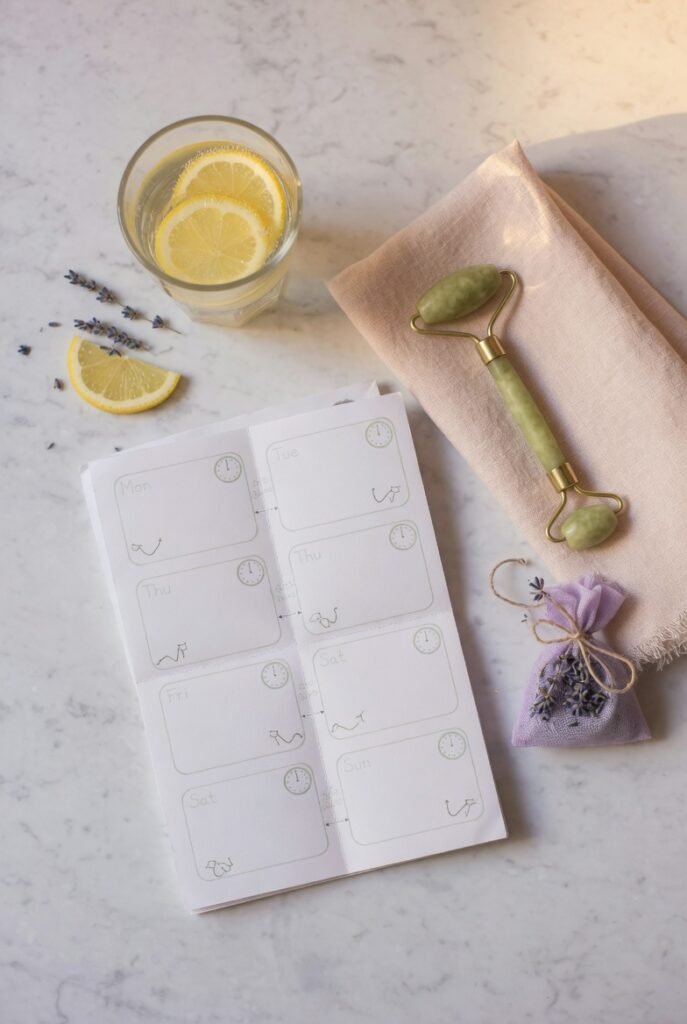
Consistency matters far more than duration when it comes to lymphatic health. A five minute session every day produces better results than an hour long session once a week. The ideal frequency depends on your specific concerns: if you manage chronic post-surgical swelling or lymphedema, twice daily is often recommended under a therapist’s guidance. For general puffiness, fatigue, or seasonal allergies, once daily in the morning or before bed works beautifully. Choose a trigger, such as right after brushing your teeth or while waiting for your morning coffee to brew, to anchor the habit. You are far more likely to stick with self lymph drainage massage when it requires zero willpower to remember.
Pay attention to how your body responds over the first two weeks. Many people notice less morning facial swelling, softer skin texture, fewer colds, and a surprising lift in their mood. That’s because clearing stagnant lymph also reduces inflammatory chemicals that can affect brain function. If you ever feel dizzy, nauseous, or unusually tired after a session, you may have worked too aggressively or need to drink more water. Simply back off the pressure and shorten your routine. Keep a simple journal noting puffiness levels, energy, and any changes in digestion. Over time, you will develop an intuitive sense of exactly which strokes your body craves. This guide gives you the foundation; your own daily practice will turn it into a lifelong ally for natural detox and vibrant ease.
Conclusion
Learning to work with your lymphatic system is one of the most empowering forms of self-care you can adopt. Unlike harsh detoxes or quick fixes, self lymph drainage massage honors your body’s innate intelligence and rewards patient, gentle attention with lasting changes in how you look, feel, and heal. Start small, stay curious, and let each light circle remind you that even the quietest rhythms can create profound shifts. Your refreshed, lighter, more resilient self is only a few minutes of mindful touch away every single day.