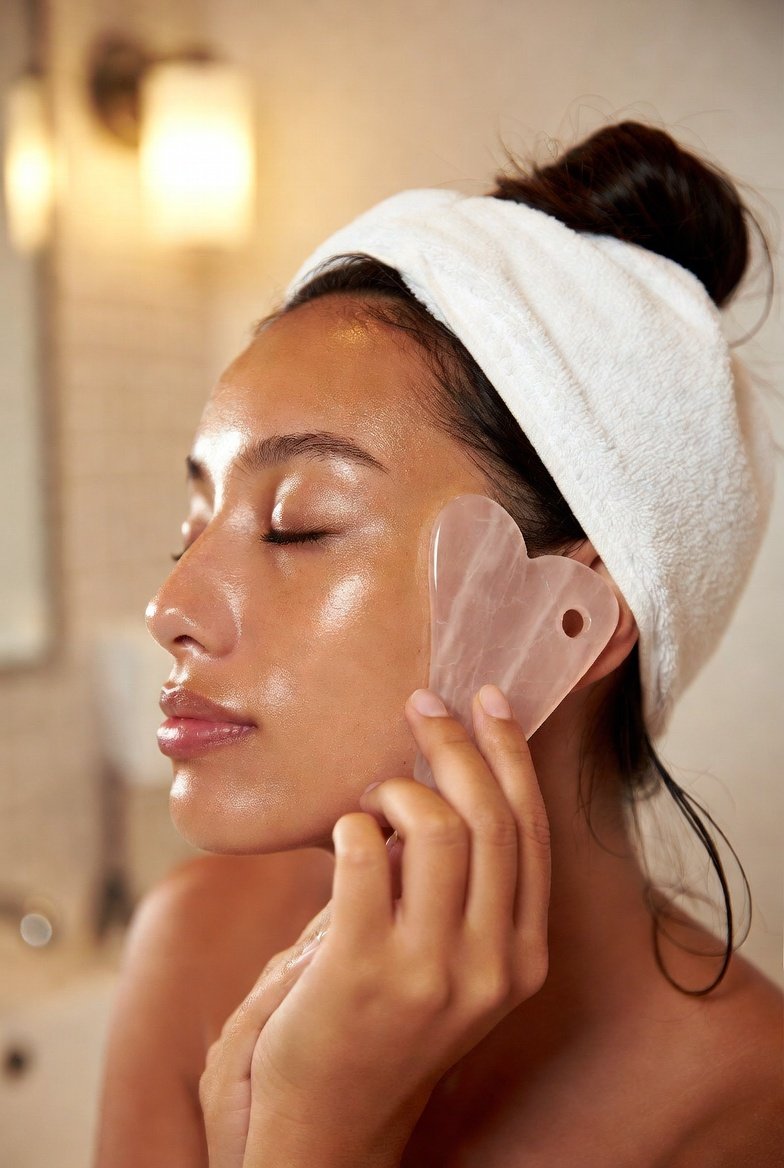
Getting the most out of your gua sha tool isn’t about following a rigid checklist. It’s about understanding how gentle, consistent movements work with your skin’s natural rhythms to reduce puffiness, encourage lymphatic drainage, and restore a youthful contour. When you approach your gua sha routine as a form of self‑care rather than another task, the results become visible much faster. Many people give up too soon because they expect instant miracles, but the real transformation happens when you tune into the subtle shifts in your skin’s texture and tone over a few weeks.
The secret to an effective practice lies in small, intentional adjustments that feel good, not forced. Instead of obsessing over perfect angles or expensive tools, focus on how your skin responds to pressure and direction. A successful gua sha routine feels like a relaxing facial massage, not a scraping session. By softening your approach and listening to your face’s feedback—like reduced sinus tension or a warm, dewy glow afterward—you naturally enhance both the experience and the outcome. Let’s explore five foundational aspects that turn a simple stone into a true complexion ally.
1. Work With Your Skin’s Natural Moisture Barrier
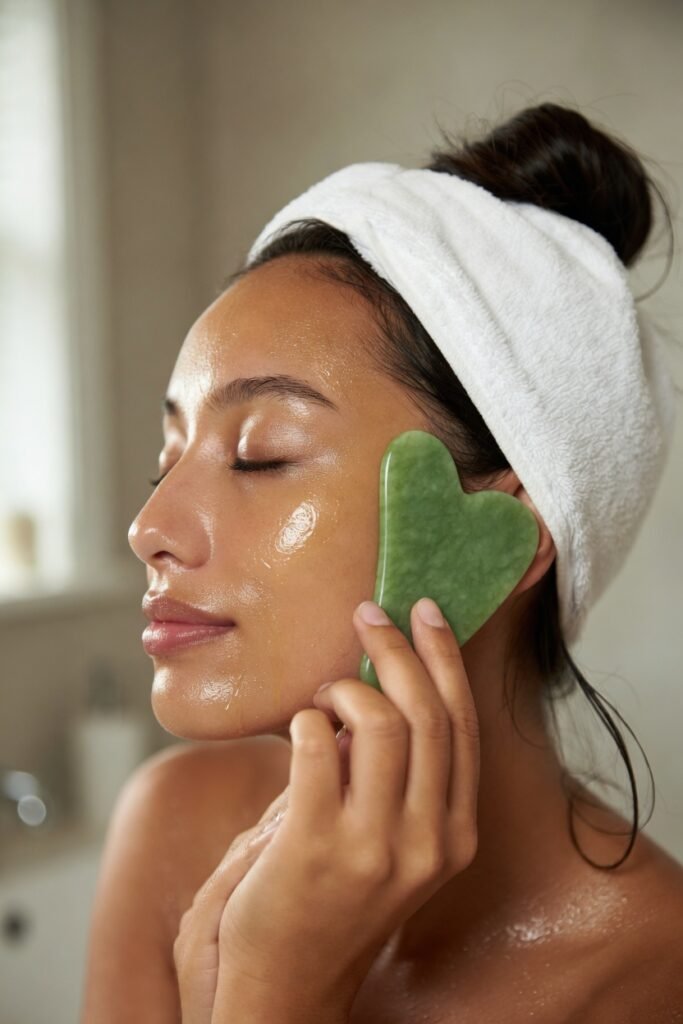
Applying a gua sha stone on dry or barely damp skin creates unnecessary friction that can lead to redness, irritation, and even broken capillaries. Your skin’s moisture barrier needs a slick, hydrated surface so the tool glides without tugging. This is why a gua sha routine should always begin with a generous layer of facial oil, a water‑based serum, or even a lightweight gel moisturizer. The slip reduces drag while allowing the stone to reach deeper layers without causing micro‑tears. Think of it as creating a tiny liquid cushion between the jade or quartz and your face.
Beyond preventing damage, the right base product amplifies your results. When you use a nourishing oil rich in antioxidants or calming botanicals, the gentle pressure of gua sha helps those ingredients penetrate more effectively. Your skin becomes plumper and more resilient as the massage boosts circulation and carries active compounds into the dermis. Over time, a gua sha routine performed on properly prepared skin feels noticeably smoother and leaves behind a luminous, bouncy finish rather than temporary redness. The moisture layer isn’t just a step—it’s the foundation that determines whether the practice refreshes or stresses your complexion.
2. Respect the Direction of Lymphatic Flow
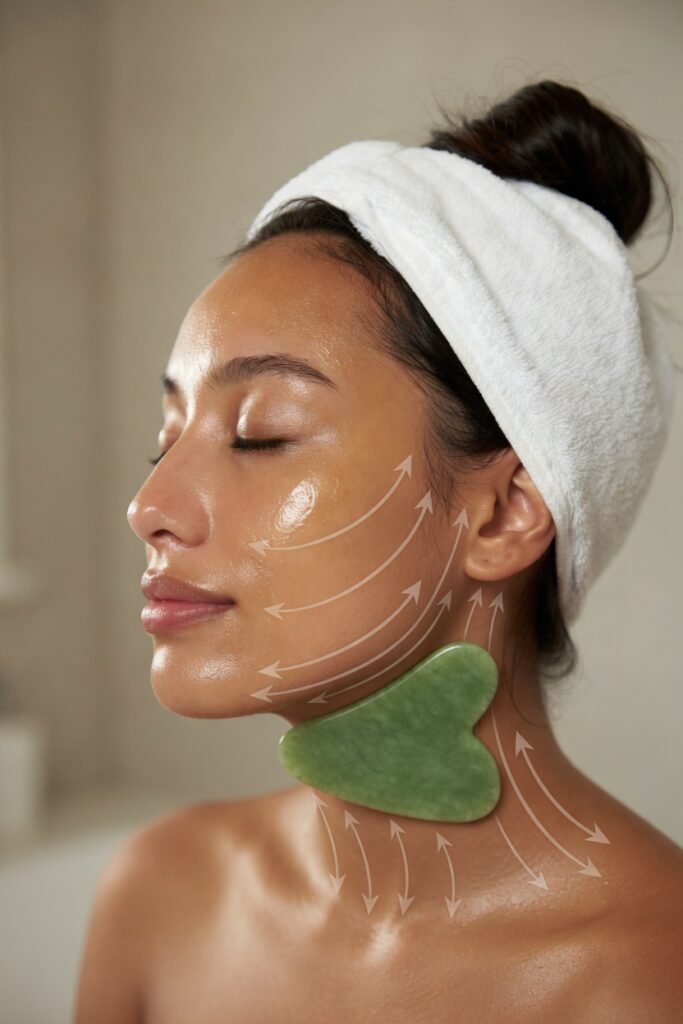
Your face holds onto fluid and metabolic waste more easily than you might think, especially around the eyes and jawline. A gua sha routine that moves randomly or only upward misses the entire purpose of lymphatic drainage. The lymphatic system follows a predictable path: fluid naturally flows toward the major lymph nodes located near your collarbones, behind the ears, and along the neck. When you sweep the stone gently from the center of your face outward and then downward toward those nodes, you help stagnant fluid exit the area. This is why morning puffiness can visibly reduce within minutes when you follow the correct map of drainage.
Ignoring direction doesn’t just waste effort—it can trap fluid in already congested zones. Many people mistakenly think scraping hard in any upward motion lifts the face, but gua sha routine science shows that light, directional stroking is far more effective for decongestion. Start at the chin, glide along the jawline toward the earlobe, then continue down the side of the neck to the collarbone. For the cheeks, move from the nose outward to the ear, then again down the neck. Each stroke should end at a node. Within a week of practicing proper direction, you’ll notice less under‑eye bags, a sharper jawline, and a general sense of facial lightness that makeup alone cannot achieve.
3. Match Pressure to Skin Thickness and Sensitivity
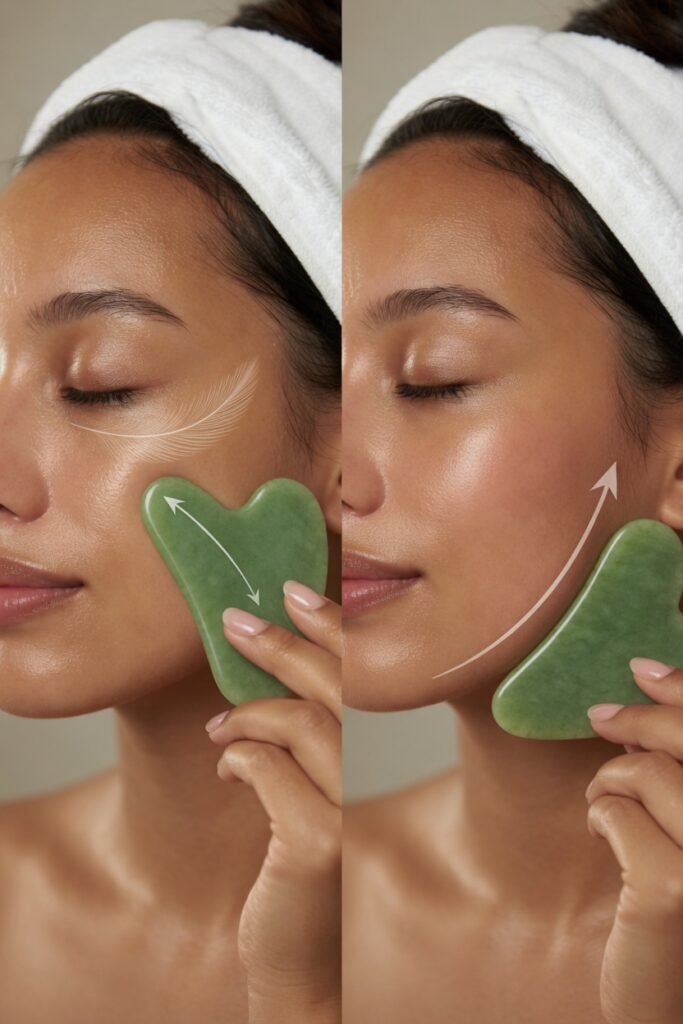
A common mistake in any gua sha routine is using the same pressure on every part of the face. Your forehead and cheeks can tolerate a medium, comfortable drag, but the thin skin around your eyes and the delicate area above your lips needs barely‑there contact. Hard pressure on fragile zones leads to bruising, irritation, and even long‑term laxity. Instead, learn to read your skin’s feedback. If you see more than a fleeting pink flush, or if the stone leaves temporary dents, you are pressing too hard. The ideal sensation is a pleasant, deep‑tissue release without sharpness or pain.
On thicker areas like the jaw angle and brow bone, you can apply slightly firmer pressure to release muscle knots from clenching or screen strain. This variation turns a gua sha routine into a customized therapy rather than a one‑size‑fits‑all ritual. Keep a lighter touch along the orbital bone, using the smaller curved edge of the tool for precision. Over time, your hands will remember which zones need featherweight strokes and which welcome deeper work. The result is a uniformly calm, non‑irritated complexion that glows because the skin was never stressed into defense mode. Pressure isn’t about force—it’s about intelligent touch.
Also Read: 19 Sakura Nails Design Ideas: Embrace Spring’s Delicate Beauty with These Stunning Floral Manicures
4. Consistency Beats Duration Every Time
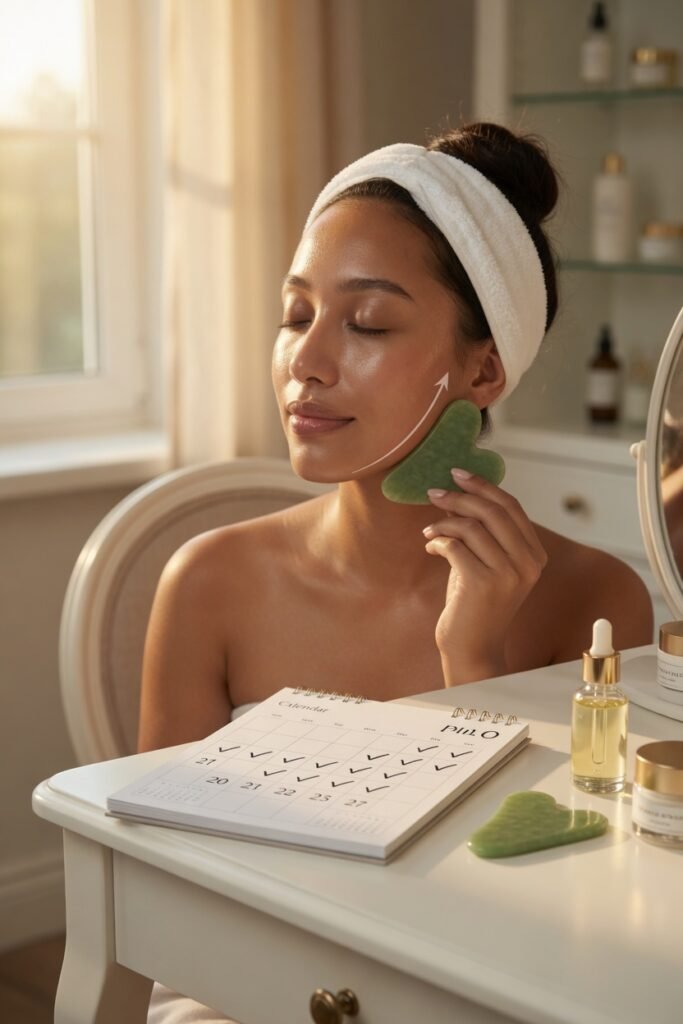
You do not need twenty minutes of daily scraping to see real change. In fact, most people abandon their gua sha routine because they aim for marathon sessions that feel tedious. What actually works is five minutes each evening while you wait for your serum to absorb. Short, regular visits with your stone train the skin’s circulation and lymphatic response far better than sporadic hour‑long treatments. Think of it like watering a plant: a little every day keeps it thriving, while flooding it once a week leads to withering. Your facial tissues respond to frequency, not intensity.
The visible lift and glow come from cumulative micro‑movements that encourage collagen production and fluid balance over weeks. A gua sha routine performed for just 60 seconds per area—jaw, cheeks, forehead, neck—is enough to maintain results once you have achieved them. The key is attaching the practice to an existing habit, such as right after cleansing or while listening to a podcast. When you stop treating gua sha as a chore and start seeing it as a micro‑moment of restoration, you will naturally stick with it. And consistency is what finally erases morning puffiness, softens fine lines, and gives you that “well‑rested” look even after a short night’s sleep.
5. Cleanse and Store Your Tool Like Sacred Equipment
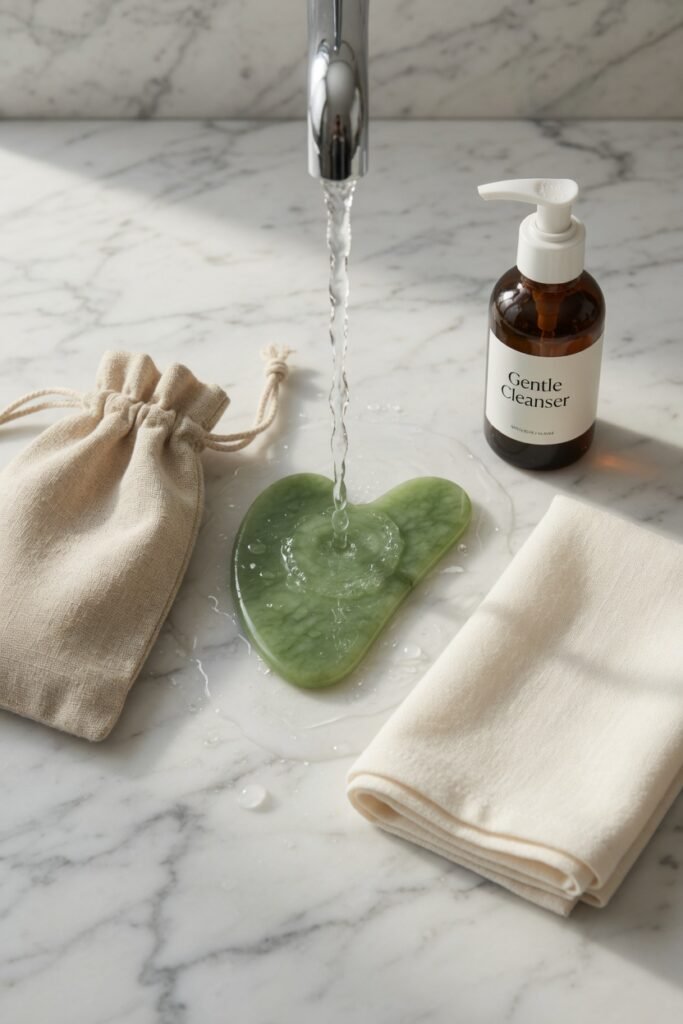
Your beautifully glowing skin after a gua sha routine can quickly backfire if you neglect tool hygiene. The stone picks up oil, dead skin cells, and bacteria from your face. If you set it down on a dusty bathroom counter or simply wipe it with a dry cloth, you will reintroduce all that buildup the next morning. Acne, clogged pores, and even mild infections become real risks. After every single use, wash the gua sha tool with mild soap and warm water, then dry it completely. A drop of rubbing alcohol once a week provides extra disinfection without damaging the stone’s surface.
Storage matters just as much. Leaving your gua sha in a steamy shower or loose in a drawer invites mold and scratches. A gua sha routine deserves a clean, dry home—a soft pouch or a dedicated spot on a shelf away from humidity. Jade and quartz are porous materials to some degree, so prolonged moisture can degrade their finish. When you treat your tool with care, it remains smooth and safe for delicate facial skin. This simple habit protects your investment and ensures that every stroke feels as pristine as the first. After all, the most effective routine is one that heals rather than harms, and cleanliness is the quiet guardian of that promise.
Conclusion
A thoughtful gua sha routine doesn’t require expensive products or hours of effort. It asks for a slick, prepped surface, respectful direction toward your lymph nodes, adaptable pressure, short daily consistency, and a clean tool. Each of these five pillars works alone, but together they transform a simple stone into a lifelong companion for a lifted, glowing complexion. Start slowly, listen to your skin, and let the gentle ritual become a quiet moment of connection with yourself. In just a few weeks, the face that looks back from the mirror will tell you everything you need to know.