A master room should feel like the calmest corner of the house, and the twelve ideas below show how to get there without a full renovation. The room you sleep in sets the tone for your mornings and your evenings, so small choices — softer light, calmer color, one honest layer of texture — add up fast. This guide walks through each idea in plain language, with who it suits, how to style it, and the mistake to skip.
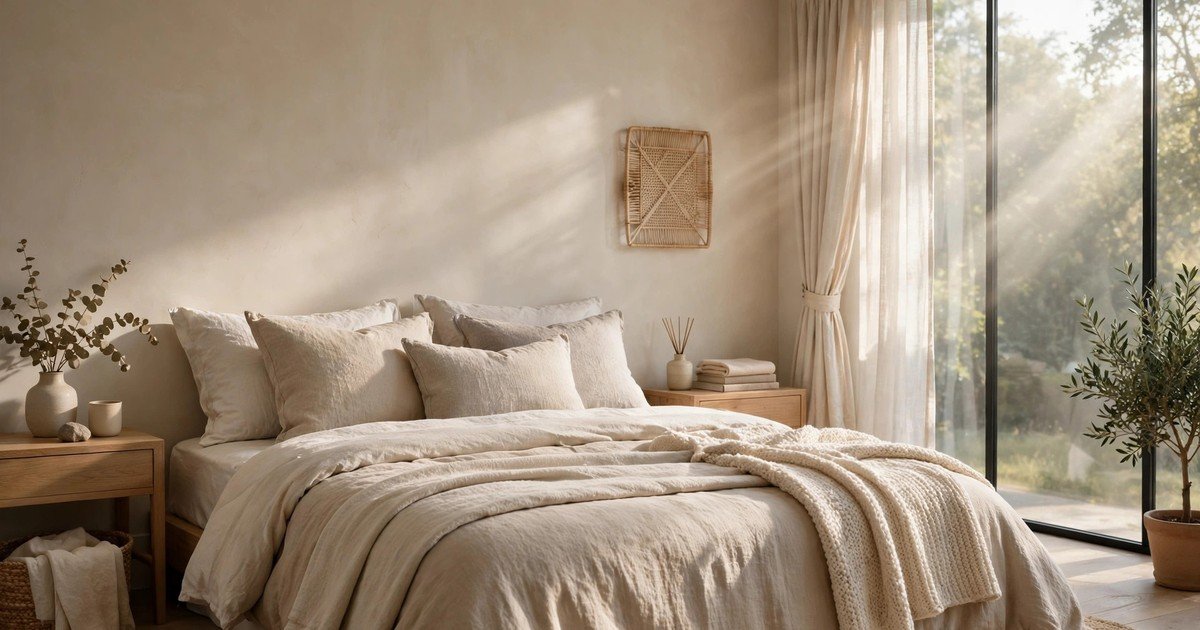
Start by deciding how the room should feel at the end of the day. Some people want a hotel-quiet master room with crisp sheets and nothing on the walls; others want books, plants and warm lamplight. Neither is wrong, and most of the ideas below work in either direction.
If you are still shaping the room around the bed, these bedroom ideas for women offer more ways to dress the space. Then come the twelve ideas, each with who it suits, how to style it, a pro tip and one mistake to avoid.
Table of Contents
What to Check Before You Design a Master Room
Measure the room before you buy anything. A bed that leaves no walking space on one side will annoy you every single day, while a bed that is too small for the wall behind it can make the room feel unfinished. The bed is the anchor of the room, and the bedroom design basics explain how its placement shapes the rest of the layout.
Light comes next. Note where morning sun lands and where the room goes dark in the evening, because that decides where the reading chair goes and how warm the lamps should be. A master room that relies on one ceiling light will always feel flat, so plan at least two softer sources.
Color sets the mood faster than furniture does. Soft neutrals, warm whites and dusty greens calm a room, while one deeper accent — a navy throw, a walnut bench — keeps it from feeling washed out. Keep the palette to three main tones and repeat them across bedding, curtains and art. If a tone feels too strong once the room is painted, soften it with paler bedding before you repaint anything.
Finally, check what you already own. A good headboard, a sturdy nightstand or a lamp you love can anchor the whole master room, and building around one piece you already like saves money and keeps the room personal.
12 master room
This list runs from layered bedding to a cozy winter finish, kept tight so you can scan fast. Each entry says what the idea is, who it suits, how to style it, a pro tip and one mistake to avoid. Note the two or three that match how you sleep and live, then check their details against your room.
Keep a tape measure beside you as you read. The best room is always the one that fits both your body and your habits, so read with your own mornings and evenings in mind.
Layered Bedding Master Room
What it is: A bed dressed in layers — a fitted sheet, a flat sheet, a light quilt and a folded throw — so the bed looks soft and can be adjusted through the night.
Who it suits: Light sleepers and anyone who runs warm or cold at different hours.
How to style it: Mix two textures, such as crisp cotton with a knit throw, and keep the palette in one calm family.
Pro tip: Fold the top sheet back over the quilt for a hotel finish that takes seconds.
Mistake to avoid: Piling on so many cushions that making the bed feels like a chore.
Hotel-Style Master Room
What it is: A calm, uncluttered look borrowed from good hotels: crisp white bedding, matched lamps and clear surfaces.
Who it suits: Busy people who want the room to feel restful the moment they walk in.
How to style it: Choose white or ivory bedding, matching nightstands and lamps, and keep the top of the dresser nearly empty.
Pro tip: A single carafe and glass on the nightstand adds the hotel touch for almost nothing.
Mistake to avoid: Adding patterned cushions that fight the clean look.
Calm Neutral Master Room
What it is: A palette of warm whites, soft greys and sandy tones with no loud color anywhere.
Who it suits: Anyone who finds bright color tiring at the end of the day.
How to style it: Layer three neutrals across the bed, rug and curtains, then add one natural texture, such as wood or linen.
Pro tip: Vary the shade slightly between wall, bedding and rug so the room reads calm, not flat.
Mistake to avoid: Using only one shade of white, which can feel cold and unfinished.
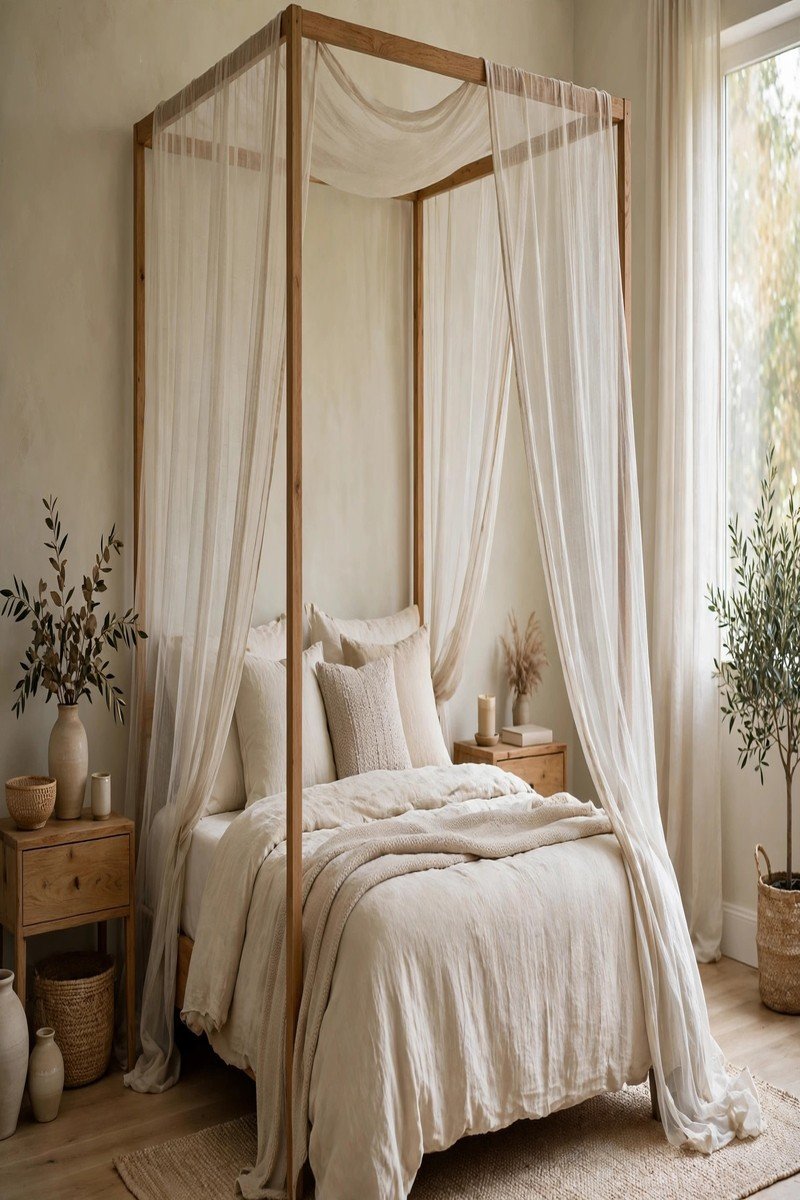
Canopy Bed Master Room
What it is: A four-post bed with a light frame, sometimes dressed with sheer drapes, that gives the bed its own quiet shelter.
Who it suits: Romantics and anyone with a high ceiling who wants the bed to feel like a destination.
How to style it: Keep the frame light in wood or metal, drape sheer fabric only on two sides, and leave the bedding simple.
Pro tip: Sheer drapes soften the frame without blocking light, so the bed never feels boxed in.
Mistake to avoid: Choosing heavy velvet drapes in a small room, where they can swallow the light.
Reading Corner Master Room
What it is: A small chair, a lamp and a shelf or basket of books tucked into a corner of the master room.
Who it suits: Readers who like ten quiet pages before sleep.
How to style it: Place an armchair near a window or a wall, add a warm lamp at shoulder height and a small table for tea.
Pro tip: A basket beside the chair keeps books tidy and the corner looking calm.
Mistake to avoid: Putting the chair where the light falls behind you, which strains your eyes.
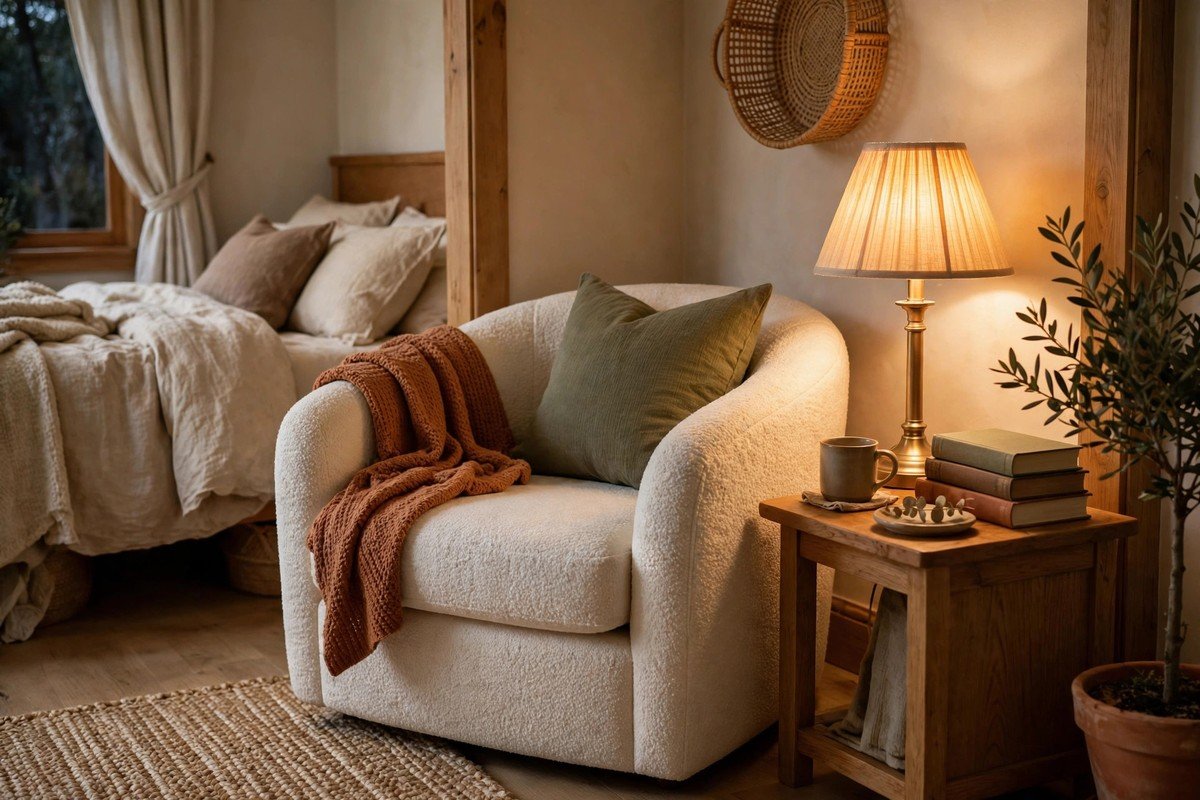
Soft Lighting Master Room
What it is: Warm, layered light from bedside lamps, a dimmer or a soft wall light instead of one bright ceiling bulb.
Who it suits: Evening readers and anyone whose room feels harsh after dark.
How to style it: Use two bedside lamps with warm bulbs, add a dimmer if you can, and keep the overhead light off in the evening.
Pro tip: Warm-toned bulbs feel softer than cool white, so check the box before you buy.
Mistake to avoid: Mixing warm and cool bulbs in the same room, which makes the light feel uneven.
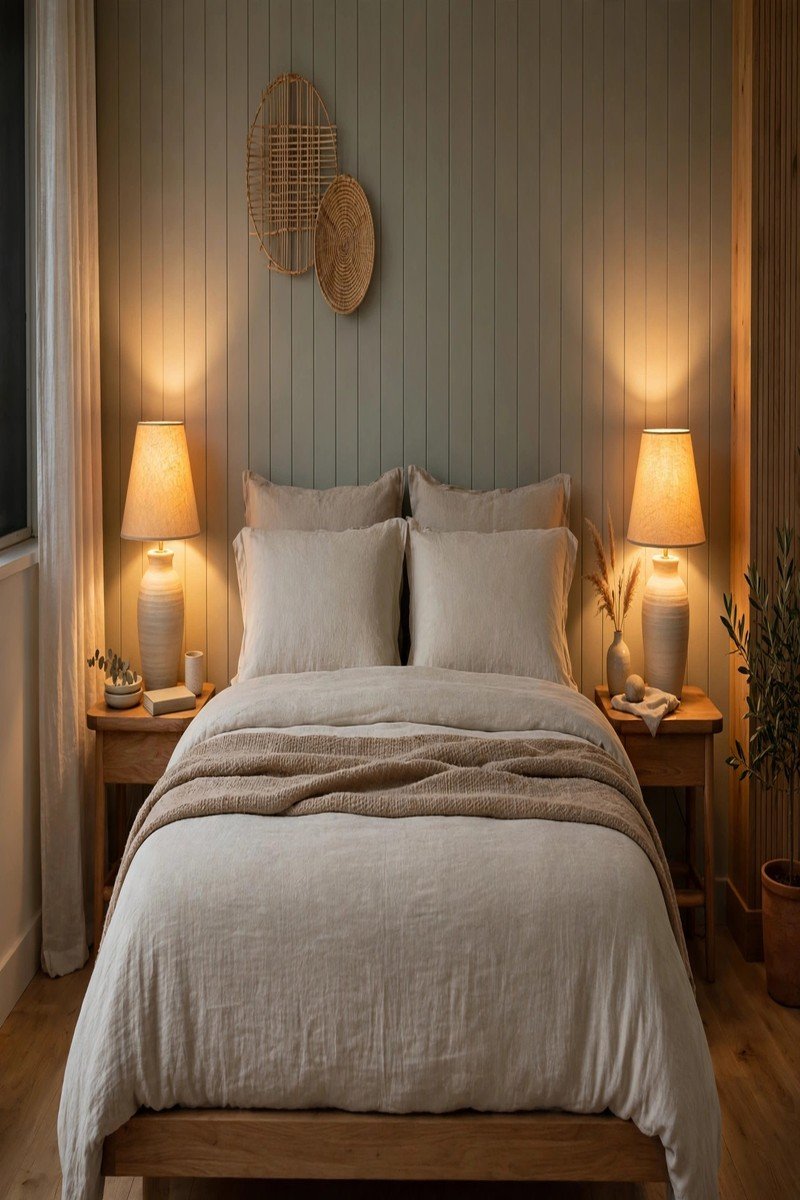
Storage-Smart Master Room
What it is: Hidden storage — under-bed boxes, a bench with a lift-up seat, nightstands with drawers — that keeps clutter out of sight.
Who it suits: Small rooms and anyone whose surfaces collect things.
How to style it: Give every daily item a home, from chargers to spare blankets, and clear one surface completely each evening. For tighter spaces, these small bedroom ideas show more ways to fit storage without crowding the bed.
Pro tip: Under-bed boxes on wheels slide out easily and keep seasonal bedding close at hand.
Mistake to avoid: Buying open baskets for everything, which still reads as clutter.
Textured Master Room
What it is: A room built on touch: linen, wool, rattan and wood layered so the eye and the hand both find something soft.
Who it suits: Anyone whose neutral room feels flat even though the colors are right.
How to style it: Add one rough texture, one soft texture and one smooth surface, and repeat each at least twice.
Pro tip: The interior design principles behind texture explain why mixing materials makes a plain palette feel rich.
Mistake to avoid: Using only smooth, shiny surfaces, which can make a calm room feel cold.
Botanical Master Room
What it is: Leafy plants on the floor, the nightstand and the windowsill that bring life and soft green into the room.
Who it suits: Plant lovers and anyone whose room needs color without paint.
How to style it: Start with one large floor plant, add a small one on the nightstand, and keep pots in matching materials.
Pro tip: Choose plants that suit your light — low light near the bed, bright light by the window.
Mistake to avoid: Filling every surface with plants until the room feels like a greenhouse.
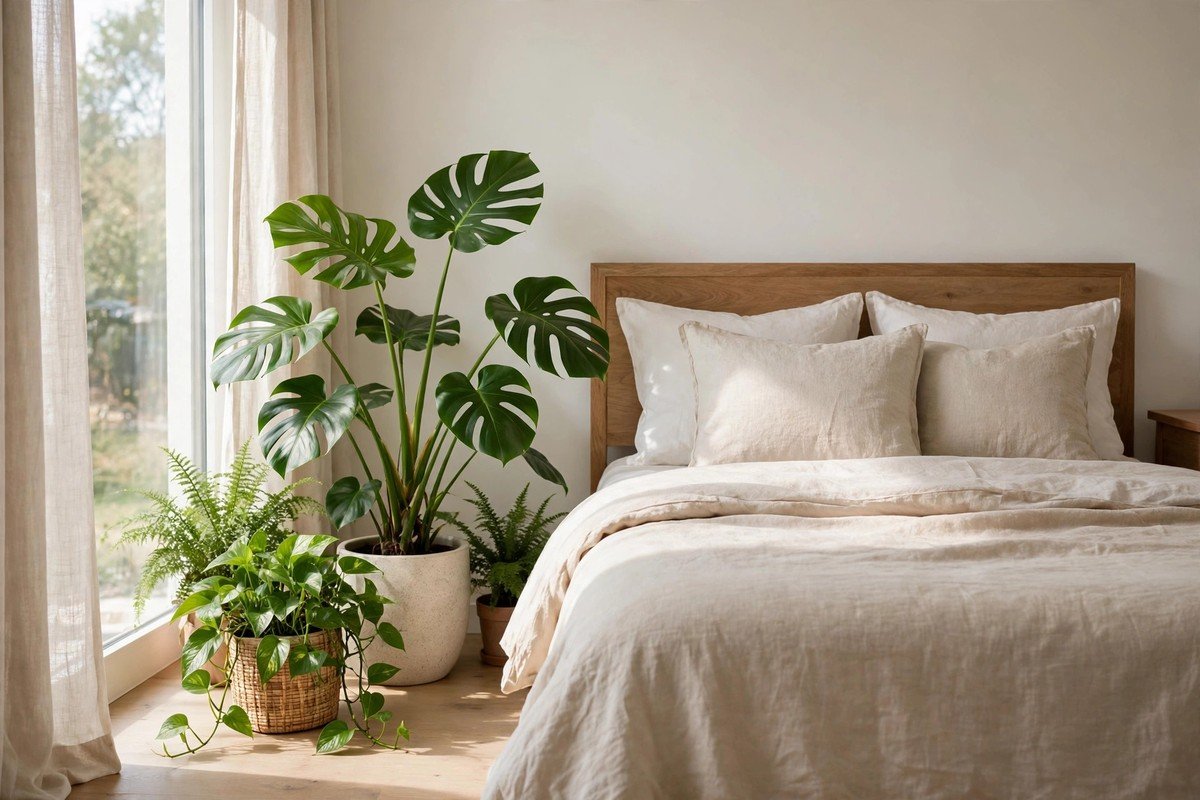
Minimal Master Room
What it is: A pared-back room with a bed, two nightstands and almost nothing else, where every piece earns its place.
Who it suits: Anyone who relaxes best in empty space and tidy surfaces.
How to style it: Remove one thing at a time until the master room feels calm, then stop — minimal means restful, not bare.
Pro tip: One piece of art above the bed is enough to anchor the wall.
Mistake to avoid: Removing the lamp or the rug too, which leaves the room feeling unfinished.
Gallery Wall Master Room
What it is: A grouped set of framed prints or photos above the bed or on one wall, hung as a single composition.
Who it suits: Collectors and anyone who wants the room to feel personal.
How to style it: Lay the frames on the floor first, keep gaps even, and start hanging from the center outward.
Pro tip: Matching frames in one finish make mixed art feel calm and intentional.
Mistake to avoid: Hanging frames too high, where they lose their connection to the bed.
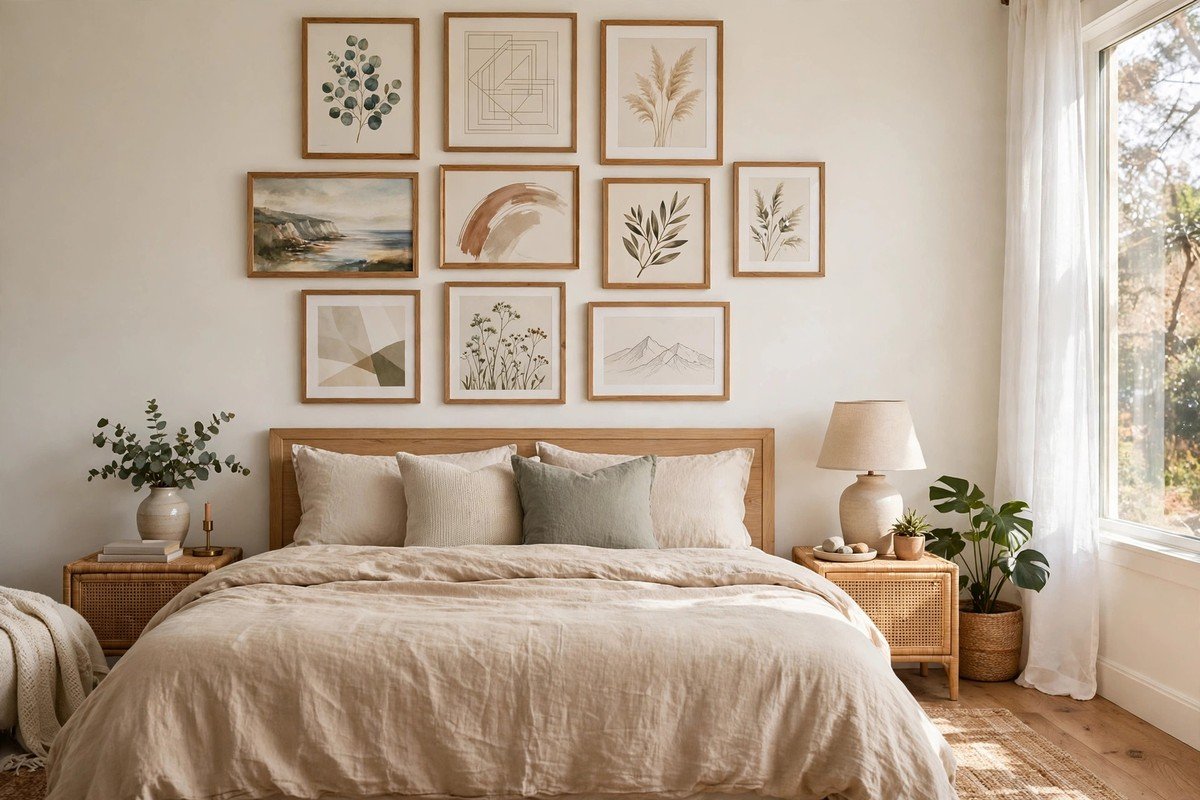
Cozy Winter Master Room
What it is: A winter-ready room with heavier bedding, a thick rug and warm light that makes cold evenings feel welcome.
Who it suits: Cold sleepers and anyone who wants the room to feel like a retreat in winter.
How to style it: Swap in a heavier duvet, add a wool throw at the foot of the bed, and layer a rug beside it. These cozy winter bedroom ideas offer more cold-weather touches for the rest of the house.
Pro tip: A rug that runs under the bed and out both sides keeps bare feet warm on winter mornings.
Mistake to avoid: Overheating the room with too many layers, which makes sleep harder, not easier.
How to Style a Master Room for Calm Evenings
Start with light. A lamp that lands over your shoulder turns any chair into a reading chair, and a small table keeps books and tea off the floor. Add one soft layer, either a throw on the bed or a rug beside it, and the room already feels finished.
Then give the room a reason to be used. A chair beside a window, a plant that catches the morning sun, or a bench at the foot of the bed all invite daily use, while a room arranged only for show stays empty. If the room is small, keep the furniture light and the palette calm so it never feels crowded.
In short, choose the feeling first and the furniture second. The right mood makes any piece feel made for the room. A master room that feels calm at night will feel calm in the morning too.
Finally, keep the styling loose. One cushion, one throw and one plant are enough for most rooms. The bed itself is the decoration, and a calm room invites rest far more than a styled display does, so leave a little empty space on every surface.
Frequently Asked Questions
What makes a good master room?
A good master room feels calm, fits the bed with walking space on both sides, and has soft light and one or two personal touches. Start with the bed, the light and the palette, then add texture and plants only where they help you rest.
What colors work best in a master room?
Warm whites, soft greys, sandy tones and dusty greens calm a room, while one deeper accent keeps it from feeling washed out. Keep the palette to three main tones and repeat them across bedding, curtains and art.
How do I make a small master room feel bigger?
Keep the furniture low and light, use one calm palette, and let in as much daylight as the window allows. A mirror opposite the window and storage under the bed both free up floor space.
Do I need a rug beside the bed?
A rug is not required, but one beside the bed softens the first step of the morning and ties the furniture together. Choose a size that runs under the bed and out on both sides.
How often should I refresh the bedding?
Swap the throw and the cushion covers with the seasons, and change the duvet weight when the weather turns. A fresh layer or two is usually enough to make the room feel new again.
Conclusion
From layered bedding to a cozy winter finish, this master room list shows there is an idea for every way of sleeping and every kind of room. Pick the two or three that match your habits, measure your space honestly, and let one good change do the quiet work of rest. For more master room ideas, explore the other home decor guides here and build your space one kind piece at a time.