Every parent wants to see their child’s skin glow with health, yet from diaper rash to playground scrapes, little ones face constant challenges. Building a gentle, effective routine does not have to feel overwhelming. The following 25 kids skin care ideas focus on prevention, comfort, and age‑appropriate products. Whether your child has eczema, dry patches, or simply needs daily protection, these strategies will help you create a loving, practical skin care habit that grows with them.
1. Start with a Tear‑Free, Sulfate‑Free Cleanser
Choosing the right wash is the foundation of any good skin care routine for children. Many standard soaps strip natural oils, leaving young skin tight and prone to irritation. Look for a tear‑free, sulfate‑free cleanser that uses mild surfactants derived from coconut or glucose. These formulas clean away dirt and bacteria without disrupting the delicate moisture barrier. When you bathe your child, use lukewarm water—hot water worsens dryness—and limit bath time to ten minutes. Gently pat the skin dry with a soft towel instead of rubbing, which can cause micro‑tears and redness.
For children with existing conditions like eczema or keratosis pilaris, a cleanser with added ceramides or oatmeal can be especially soothing. Apply the cleanser with your hands, not a rough washcloth, to avoid over‑exfoliating. Rinse thoroughly, because leftover product residue can trigger itchiness. After the bath, do not wait more than three minutes before applying moisturizer; this locks in the hydration from the water. Teaching your child this simple “cleanse and seal” habit early makes skin care feel as natural as brushing teeth. Remember that even the gentlest cleanser should only be used on the face and body once daily, unless your pediatrician advises otherwise for specific medical needs.
2. Lock in Moisture with a Fragrance‑Free Emollient Cream
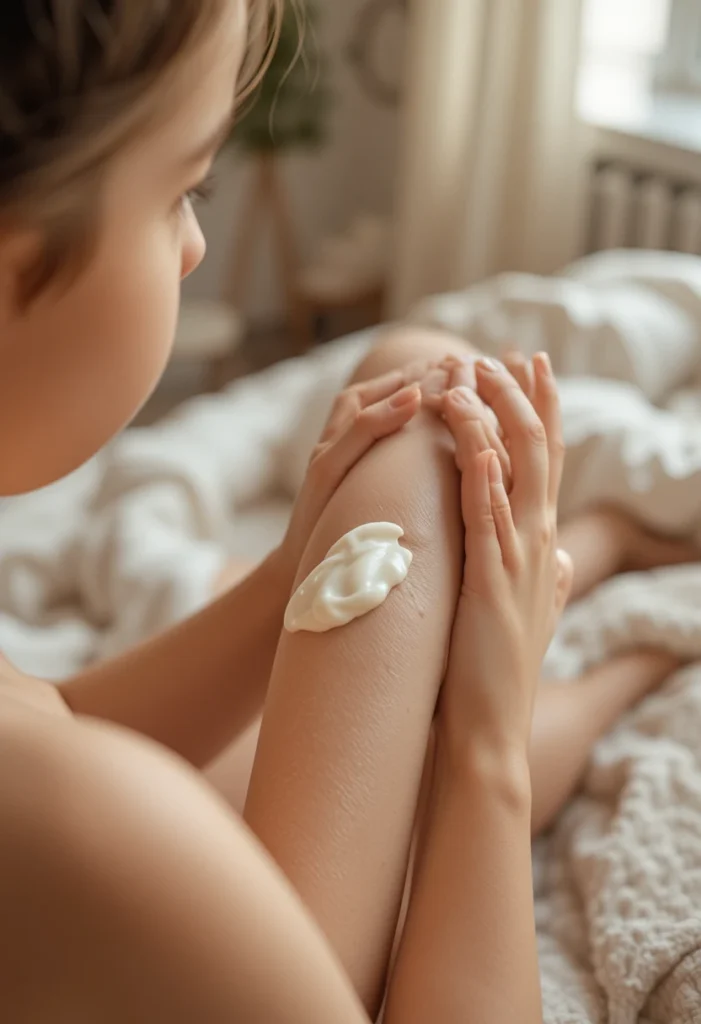
Immediately after every bath or handwashing, a good moisturizer seals the deal. Many lotions marketed for kids are full of synthetic fragrances and dyes that actually trigger allergic reactions on sensitive skin. Choose a fragrance‑free emollient cream with ingredients like shea butter, petrolatum, or ceramides. Creams are thicker than lotions and provide a protective layer that lasts for hours. Apply a generous amount to your child’s entire body, paying special attention to elbows, knees, and cheeks where dryness shows up first.
For daytime touch‑ups, keep a small tube of the same cream in your diaper bag or backpack. Teach older children to rub the cream between their palms before smoothing it onto their own arms and legs. This simple habit reduces the chances of eczema flares during dry winter months or after swimming in chlorinated pools. If your child complains of a sticky feeling, warm the cream slightly by rubbing it longer. Over time, their skin will become more resilient, and you will notice fewer rough patches. Consistency matters more than the brand name, so find one cream that works and stick with it for at least a month before trying something new.
3. Choose Mineral Sunscreen Over Chemical Versions
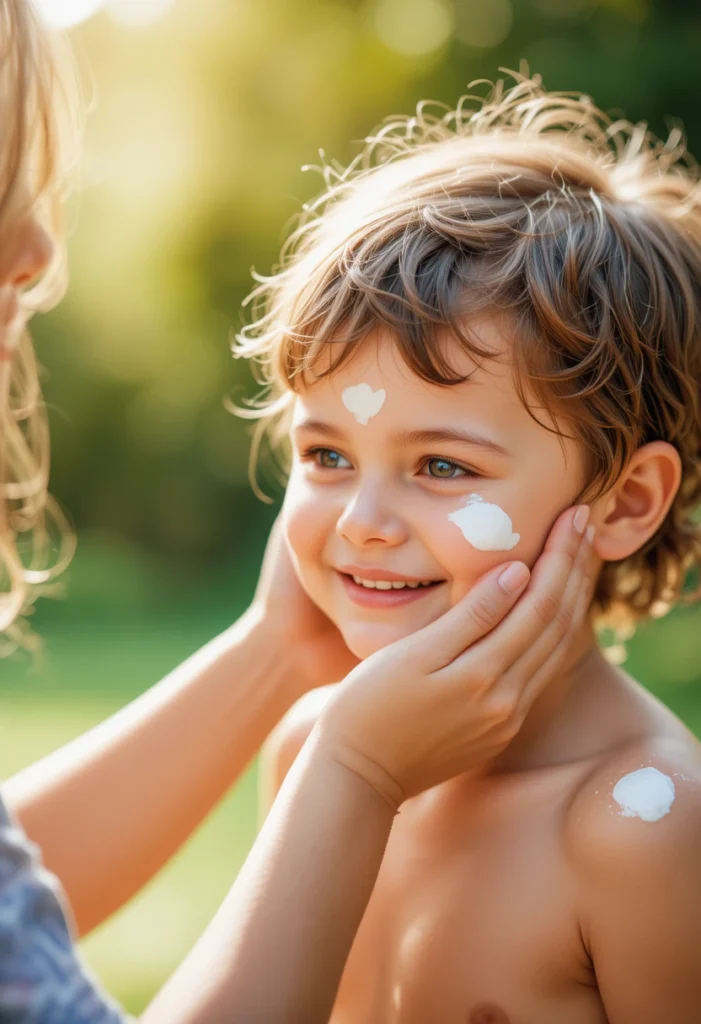
Sun protection for kids goes beyond summer beach days. Their skin absorbs chemicals more readily than adult skin, making mineral sunscreens with zinc oxide or titanium dioxide the safest choice. These ingredients sit on top of the skin and reflect UV rays rather than soaking in. They start working immediately after application and rarely cause stinging or rashes, even around the eyes. Look for a broad‑spectrum SPF 30 or higher, and avoid sprays that can be inhaled; lotions or sticks give you better control.
Apply sunscreen fifteen minutes before going outside, and reapply every two hours or right after swimming or heavy sweating. Many parents forget the tops of ears, backs of necks, and the part line in a child’s hair. Make it a game by drawing shapes with the white zinc lotion before rubbing it in. For children under six months, keep them out of direct sunlight entirely and use protective clothing instead. When you model good sun habits yourself, your child learns that sunscreen is just a normal part of getting dressed for the day, not a punishment or a chore.
Read Also:23 Easy Up Dos for Thinner Hair Looks Tips: Effortlessly Add Fullness and Feel Gorgeous Every Day
4. Dress Kids in Breathable, Natural Fabrics

What touches your child’s skin all day matters as much as what you put on it. Synthetic fabrics like polyester and nylon trap heat and moisture, creating a breeding ground for heat rash and bacterial infections. Breathable natural fabrics such as organic cotton, bamboo, or merino wool allow air to circulate and wick sweat away from the body. Cotton is especially gentle for everyday wear, while bamboo offers natural antibacterial properties. Wash all new clothes before the first wear to remove manufacturing residues that can irritate.
Pay close attention to tags, seams, and elastic bands. Children with sensory sensitivities or eczema often react to rough stitching or tight waistbands. Look for flat seams or tagless designs, and choose loose‑fitting pajamas without chemical flame retardants. On hot days, light‑colored clothing reflects heat better than dark shades. When your child plays outside, long sleeves and pants made of breathable fabric actually provide better protection against sun and insect bites than short sleeves, without making them overheat. Changing out of sweaty clothes as soon as playtime ends also prevents fungal infections in skin folds.
5. Use a Humidifier in the Bedroom During Dry Months
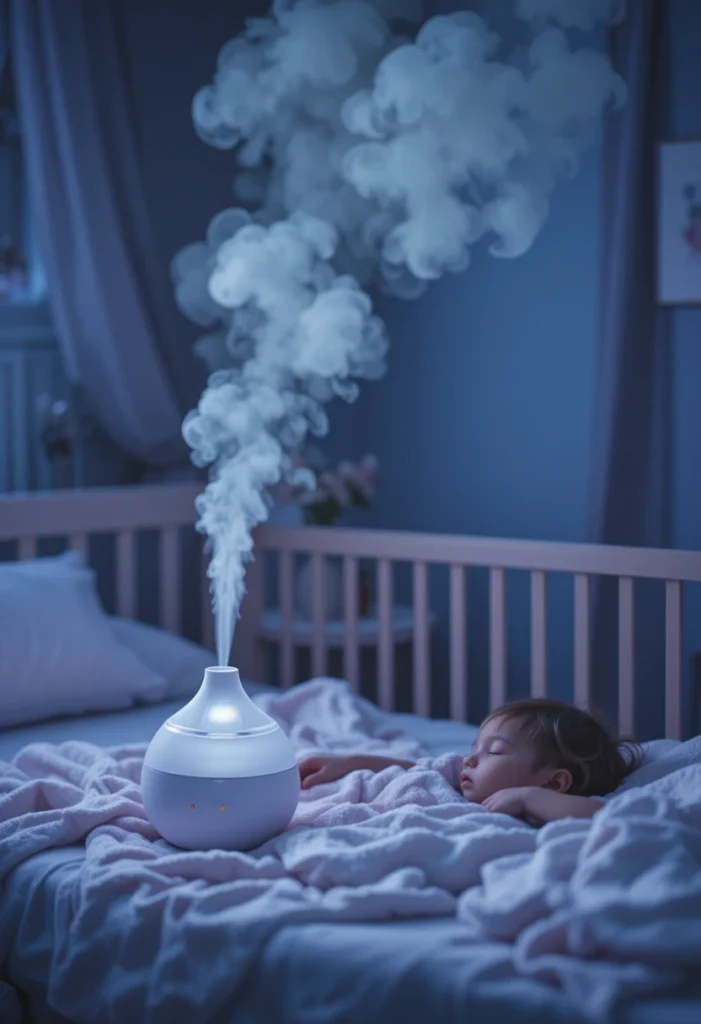
Dry indoor air pulls moisture from your child’s skin overnight, leading to morning itchiness and cracked lips. Running a cool‑mist humidifier in the bedroom restores humidity to a comfortable 40‑60% range. This simple device can make a dramatic difference for children prone to eczema, croup, or nosebleeds. Place the humidifier several feet away from the bed to avoid direct mist on the face, which can encourage mold growth in bedding. Clean the tank daily with white vinegar to prevent bacteria and pink slime from building up.
Monitor the humidity level with a small hygrometer; too much moisture encourages dust mites and mold, which are also allergens. In winter, when heaters run constantly, you may need to refill the humidifier each morning. For added benefits, you can add a few drops of lavender hydrosol (never essential oils directly, as they can be respiratory irritants for young children). Your child will wake up with softer skin and fewer scratch marks. Many parents also notice that humid air reduces the need for midnight moisturizer reapplications, allowing everyone to sleep more peacefully through the night.
6. Trim Fingernails Short and File Edges Smooth
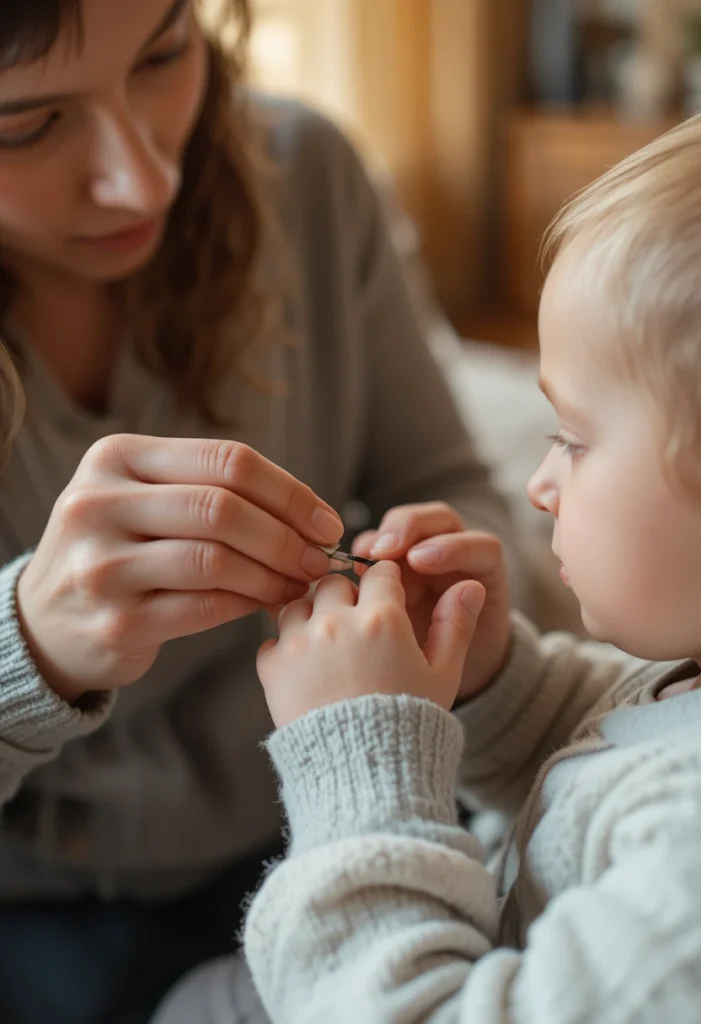
Long or jagged fingernails are one of the biggest threats to healthy skin, especially for children with itchy conditions. Even a gentle scratch can break the skin, introduce bacteria, and start an itch‑scratch cycle that is hard to break. Trim fingernails short every three to four days using baby nail scissors or a rotary file. After cutting, always file the edges to remove any sharp corners. For infants and toddlers who resist, try trimming while they nap or nurse, or use a soft nail buffer that sands down edges without cutting.
Older children can learn to file their own nails as part of their evening routine. Explain that short nails not only keep skin safe but also look clean and neat. When a child does scratch a patch of eczema or a mosquito bite, the damage will be far less severe if the nails are short. In severe cases, some parents also use cotton gloves or mittens during sleep, but this should be a temporary measure while you address the underlying itch with proper moisturizing and allergy management. Keep a nail file in the car or your purse for unexpected rough edges after a busy day at the playground.
7. Bathe Less Frequently with Lukewarm Water

The old habit of a daily long, hot bath can actually harm young skin by stripping its natural protective oils. Most children do not need a full bath more than two to three times per week, unless they are visibly dirty or have been swimming. Bathe less frequently using lukewarm water—around 98°F to 100°F feels warm but not hot to the touch. Between baths, a quick sponge bath for face, hands, and diaper area is sufficient. When you do bathe, keep the session under ten minutes and add a fragrance‑free bath oil or colloidal oatmeal to the water for extra soothing.
After swimming in a chlorinated pool, a rinse with fresh water is essential, but you can skip soap unless there is visible grime. Soap only goes on the armpits, groin, and feet; the rest of the body just needs a gentle water rinse. This approach preserves beneficial bacteria on the skin that help fight off pathogens. Many parents find that reducing bath frequency actually improves skin conditions like eczema within two weeks. If your child loves playing in water, let them enjoy a lukewarm “soak” without soap, and save the full bathing routine for days when they truly need it.
8. Apply a Barrier Ointment Before Diaper Changes

Diaper rash is almost inevitable at some point, but you can dramatically reduce its severity and duration with the right preventive care. Apply a barrier ointment containing zinc oxide or petroleum jelly at every diaper change, even when the skin looks clear. This creates a physical shield between wetness, stool enzymes, and the delicate skin underneath. Do not wait for redness to appear; prevention is far easier than treatment. Spread a thick, visible layer—think frosting on a cake—because thin smears wear off within one wetting.
When changing a soiled diaper, clean gently with water and a soft cloth instead of disposable wipes, which can sting raw skin. Pat the area completely dry before applying the new barrier. For stubborn rashes, look for ointments with 40% zinc oxide, and consider a few minutes of bare bottom time on a towel to let air do its work. If the rash lasts more than three days or develops bright red bumps that spread, it may be a yeast infection requiring an antifungal cream from your pediatrician. Remember that barrier ointment is not just for babies; toilet‑training toddlers who have occasional accidents also benefit from a light layer before long car rides or overnight sleep.
9. Wash Hands with Lukewarm Water and Mild Soap Only
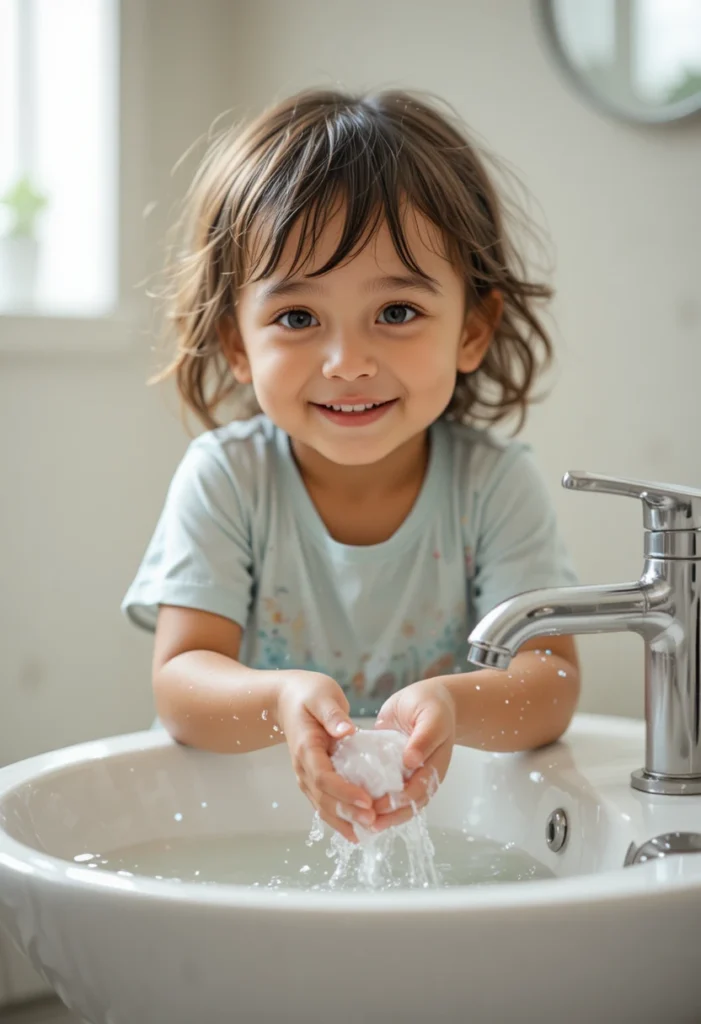
Frequent handwashing is essential for preventing colds and stomach bugs, but it can wreak havoc on young skin. The combination of hot water and harsh antibacterial soaps breaks down the skin barrier, leading to red, cracked, painful hands. Wash hands with lukewarm water and a mild, moisturizing soap. Antibacterial soaps are no more effective than regular soap for healthy children and contribute to bacterial resistance. Teach your child to sing the “Happy Birthday” song twice while scrubbing all surfaces, then rinse thoroughly.
After washing, always apply a small amount of hand cream or the same body moisturizer you use elsewhere. Keep a travel‑size cream attached to their backpack so they can use it at school. For children who wash hands compulsively or have dyshidrotic eczema between their fingers, switch to a soap‑free cleanser like a gentle syndet bar. In winter, have them wear cotton gloves under waterproof gloves when playing outside to protect against wind and cold. Modeling good hand care yourself shows them that washing does not have to hurt; it just requires a few extra seconds of follow‑up.
10. Avoid Harsh Laundry Detergents and Fabric Softeners

Clothing and bedding are in constant contact with your child’s skin, making laundry products a hidden source of irritation. Many popular detergents contain optical brighteners, enzymes, and synthetic fragrances that leave residues triggering contact dermatitis. Avoid harsh laundry detergents and instead use a free & clear formula designed for sensitive skin. Liquid detergents rinse out more completely than powders. Add an extra rinse cycle to every load to ensure no soap remains in the fibers.
Fabric softeners and dryer sheets are especially problematic because they coat fibers with a waxy film that can feel soft but actually traps allergens and irritants. Skip them entirely. For static cling, a half cup of white vinegar in the rinse cycle works beautifully and leaves no smell once dry. Wash new clothes, pajamas, and even stuffed animals before your child uses them. When washing cloth diapers or training pants, use a specific cloth diaper detergent to avoid buildup that causes ammonia burns. If your child’s eczema improves within two weeks of switching detergents, you have likely found the culprit.
11. Keep Bath Products Simple and Minimal
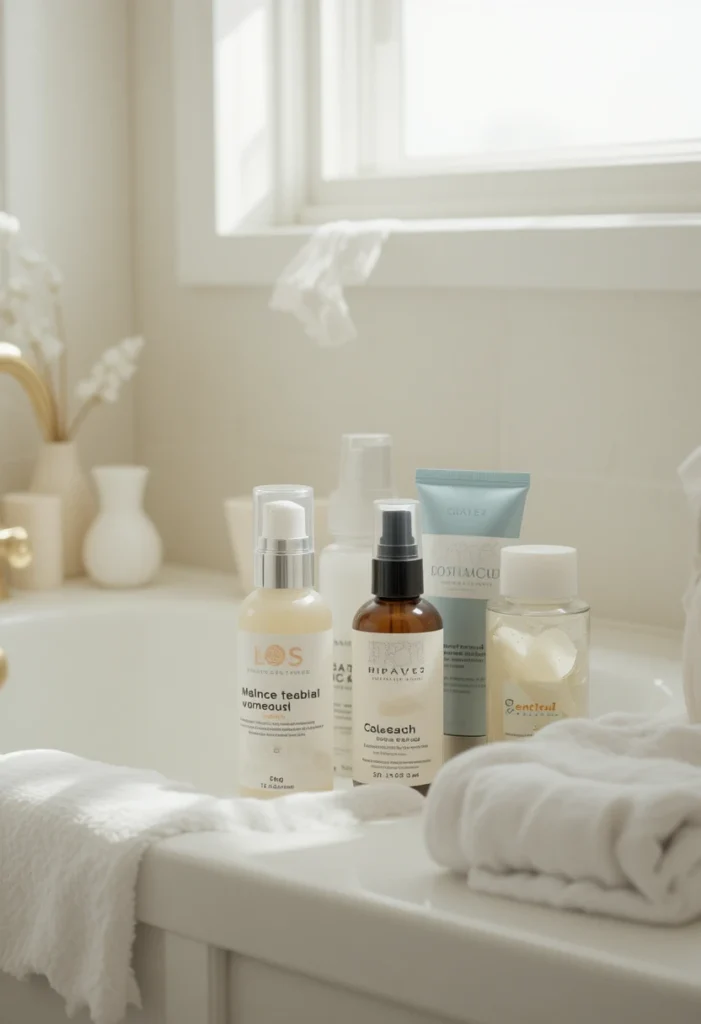
Walking down the baby aisle, you see dozens of scented bubble baths, fizzies, and colored gels that look like fun. Most of these are skin disasters waiting to happen. Keep bath products simple and minimal: one gentle cleanser, one moisturizer, and possibly one treatment for specific issues like cradle cap. Bubble baths are particularly harsh because the surfactants that create bubbles also strip oils and can cause urinary tract irritation in girls. Even “natural” fragrances like lavender or citrus oils can cause photoallergic reactions.
Instead of commercial bubble bath, add a cup of plain rolled oats wrapped in a cheesecloth to the running water. This creates a milky, soothing soak without any chemicals. For a fun experience, use silicone bath toys that do not harbor mold, or let your child play with plain water and a few stainless steel cups. Reserve any exfoliating or acne products for older kids facing puberty, and even then, start with the mildest formulas. By keeping the bath simple, you reduce the risk of accidental overexposure to multiple chemicals and make it easier to identify what product is causing a reaction when one occurs.
12. Protect Skin from Saliva and Food Acids
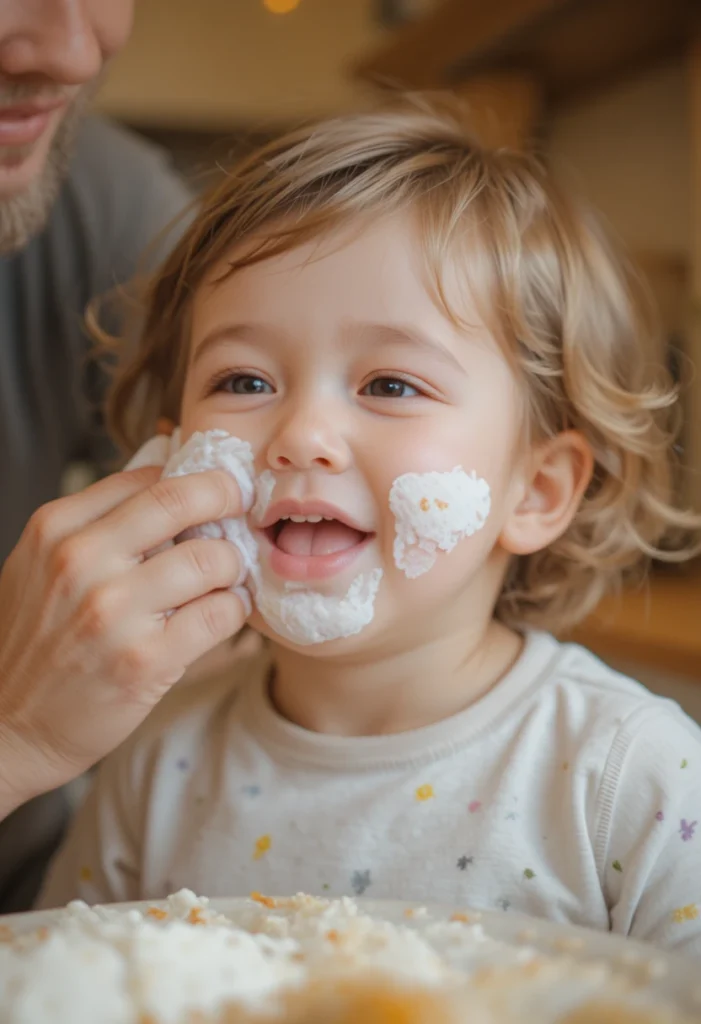
Toddlers and babies frequently develop red, chapped rashes around their mouths from constant drooling or acidic foods like tomatoes, oranges, and strawberries. Protect skin from saliva by applying a thin layer of plain petroleum jelly around the lips, chin, and cheeks before meals or during teething. This acts as a temporary barrier that prevents moisture from sitting on the skin. After eating, gently wipe with a soft, damp cloth and reapply the jelly. For children who use pacifiers or bottle nipples, keep a few spare silicone nipples and wash them daily.
Drool rashes on the neck and chest can be prevented by using a soft cotton bib and changing it whenever it becomes wet. At night, an absorbent drool pad on the pillowcase helps, or you can dress your child in a terry cloth bib style pajama top. If the skin becomes cracked or smells yeasty, a pediatrician may recommend a mild antifungal cream mixed with hydrocortisone. Encourage older children to rinse their mouth with water after eating acidic foods and to use a lip balm with beeswax. These small habits turn a common irritation into a non‑issue without complicated treatments.
13. Recognize and Avoid Common Contact Allergens

Many children develop mysterious rashes that turn out to be allergic reactions to everyday items. Common contact allergens include nickel in snaps and belt buckles, lanolin in some “natural” diaper creams, and preservatives like methylisothiazolinone in wet wipes. Pay attention to where the rash appears: nickel allergies often show up on the belly from jean buttons, while reactions to shampoos tend to appear on the face and scalp first. Keep a simple diary for two weeks, noting any new products, clothes, or activities before a rash starts.
Once you identify a trigger, avoidance is the only reliable treatment. Choose plastic or coated metal snaps, and seal the back of jean buttons with clear nail polish. Switch to wipes labeled “preservative‑free” or use plain water and cloth. For children allergic to wool or lanolin, read lip balm and lotion labels carefully because lanolin hides in surprising places. Patch testing by a pediatric dermatologist can be helpful for persistent, unexplained rashes. The good news is that most contact allergies are not lifelong; many children outgrow them. But while they are sensitive, vigilance with ingredients pays off in clear, comfortable skin.
14. Use Cool Compresses for Acute Itching
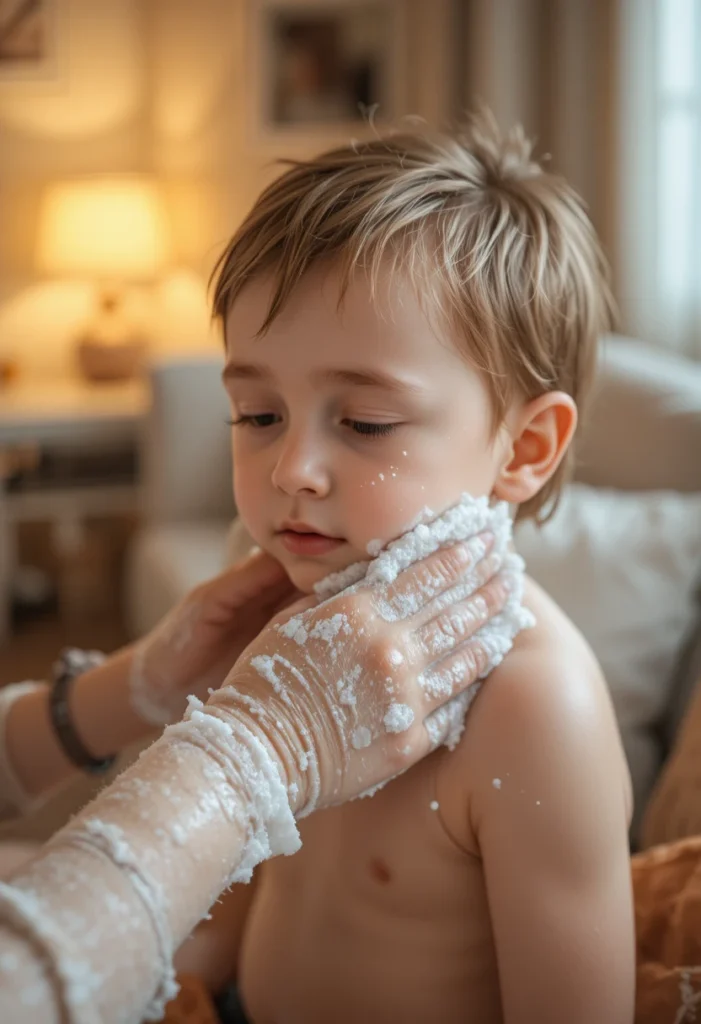
When your child wakes up scratching a bug bite or an eczema flare, waiting for a cream to work can feel like torture. Use cool compresses immediately to calm the itch and reduce inflammation. Soak a clean washcloth in cool tap water (not ice cold, which can damage skin) and wring it out so it does not drip. Press it gently against the itchy area for five to ten minutes. The cooling sensation overrides the itch signal in nerve endings, providing almost instant relief. Repeat as needed every hour.
For larger areas like the entire back or legs, a cool bath with a cup of colloidal oatmeal works even better. After the compress, pat the skin dry and apply a thick layer of moisturizer. Avoid using direct ice cubes because extreme cold can cause an ice burn, especially on young, thin skin. Cool compresses are also wonderful for poison ivy, hives, and healing scrapes that itch during the scabbing phase. Teach older children to recognize the urge to scratch and to ask for a compress instead. Over time, this breaks the vicious cycle of scratching, bleeding, infection, and more itching.
15. Keep Antihistamines on Hand for Allergic Flares

Sometimes itching is not just dry skin; it is a full allergic reaction to pollen, pet dander, or a new food. Keep antihistamines specifically formulated for children on hand, such as liquid cetirizine or loratadine. These medications block histamine, the chemical that causes hives, swelling, and intense itch. They work best when given at the first sign of a reaction. For nighttime itching that disrupts sleep, a sedating antihistamine like diphenhydramine (Benadryl) can help, but it should be used sparingly due to side effects like drowsiness the next day.
Always check the dosage by weight, not age, and consult your pediatrician before giving any antihistamine to a child under two years old. Antihistamines do not treat the underlying skin barrier problem in eczema; they only address the allergic itch component. For chronic conditions, you need moisturizers and prescription treatments as well. Keep a single‑dose syringe or cup in the same drawer as the bottle to avoid measuring errors. If hives come with wheezing, lip swelling, or vomiting, that is a sign of anaphylaxis and requires immediate emergency care. For garden‑variety mosquito bite clusters or seasonal allergies, an antihistamine can turn a miserable night into peaceful sleep.
16. Change Bedding Weekly and Use Dust Mite Covers

Your child spends eight to twelve hours each night with their face pressed against a pillowcase that collects dead skin cells, sweat, and dust mites. Change bedding weekly in hot water (130°F or higher) to kill dust mites and remove allergens. Use zippered, allergen‑proof covers for the mattress, box spring, and pillows. These covers are made of tightly woven fabric that prevents mites from colonizing the inner stuffing. Wash the covers themselves every two months. For children with atopic dermatitis, dust mite reduction can be as effective as a mild steroid cream.
Choose 100% cotton sheets and wash them separately from towels to avoid lint transfer. Avoid wool blankets or feather comforters, which are common allergen reservoirs. If your child has a favorite stuffed animal that cannot be washed weekly, place it in the freezer for 24 hours every month to kill mites, then vacuum it. Keep humidity in the bedroom below 50% using a dehumidifier in summer, because dust mites thrive in damp air. Many parents are surprised to see their child’s chronic “nighttime eczema” vanish simply by updating their bedding routine.
17. Apply Wet Wrap Therapy for Severe Eczema Flares
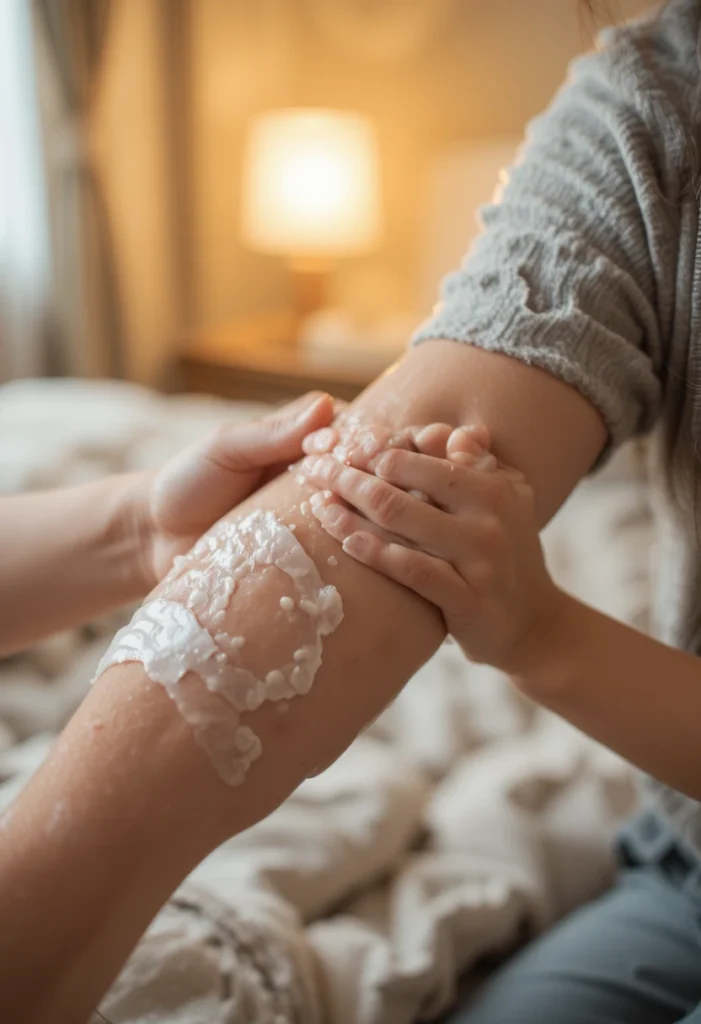
When dry skin and regular creams are not enough to stop a severe flare, wet wrap therapy can provide dramatic overnight improvement. Apply wet wrap therapy by first bathing your child and gently patting dry. Then apply prescription topical steroids or a thick emollient to the affected areas. Soak a pair of cotton pajamas or gauze bandages in warm water, wring them out so they are damp but not dripping, and put them over the moisturized skin. Finally, add a dry layer of cotton pajamas or a dry bandage over the top. Leave the wraps on for eight to twelve hours or overnight.
This technique increases absorption of moisturizers and steroids by hydrating the outer skin layer. It also physically prevents scratching during sleep. Many children see redness and oozing improve within one night. However, wet wraps should not be used continuously for more than a week without a doctor’s supervision, because they can increase steroid absorption and lead to skin thinning. For non‑steroid wraps, you can use them more frequently. Always use clean, washed fabric each time to avoid bacterial overgrowth. Your pediatric dermatologist can show you exactly how to apply wraps for your child’s specific pattern of eczema.
18. Teach Kids to Pat Dry Instead of Rubbing
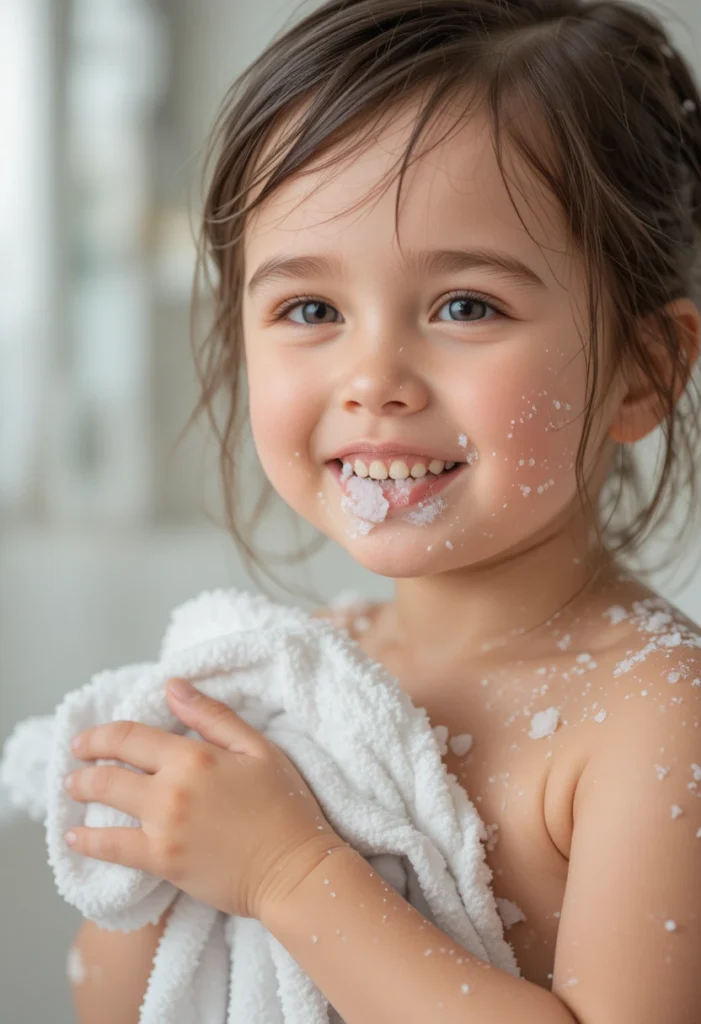
Children naturally rub themselves vigorously with a towel after a bath, but this friction damages the skin barrier and triggers irritation. Teach kids to pat dry gently with a soft towel, pressing the towel against the skin to absorb water without dragging. This preserves the natural oils and leaves some moisture behind for the moisturizer to seal in. For toddlers, model the behavior by patting your own arms dry and saying, “We are gentle with our skin.” Older kids can learn that rubbing feels good temporarily but leads to more itchiness later.
Use a microfiber or bamboo towel that is highly absorbent without being rough. Avoid terry cloth towels with large loops, which can snag on dry patches or healing scabs. After patting, do not put on pajamas immediately; let the skin air dry for thirty seconds while you get the moisturizer ready. This short pause allows the skin to cool down from the warm bath water. If you see your child rubbing their skin out of habit, gently remind them with a hand‑over‑hand guide. Within a few weeks, patting becomes automatic and you will notice fewer red streaks after bathing.
19. Use a Soft Washcloth for Face Cleaning Only
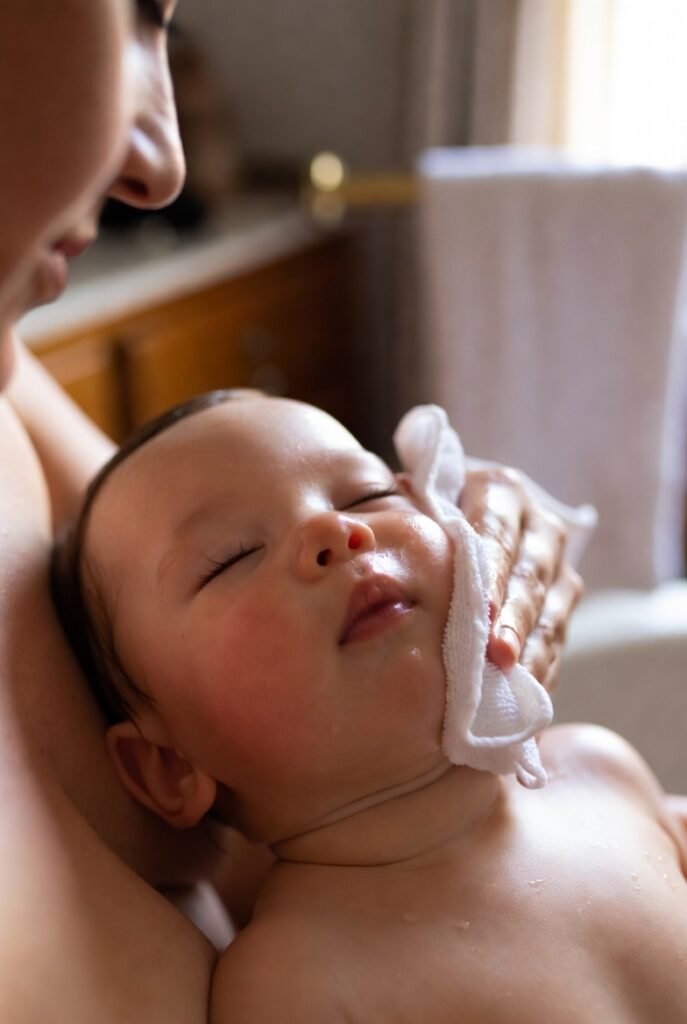
The face has more oil glands and thinner skin than the rest of the body, requiring special care. Use a soft washcloth designated only for the face, and change it every two days. Wet it with lukewarm water and gently wipe in small circles without scrubbing. For children with acne, this mild physical exfoliation helps unclog pores better than harsh scrubs. For those with dry or sensitive skin, you may even skip the washcloth and use only your fingertips. Rinse the washcloth thoroughly after each use and hang it to dry completely to prevent bacterial growth.
Do not use the same washcloth for the face that you used for the diaper area or feet. Keep separate colors for different body parts to avoid mix‑ups. For toddlers who resist face washing, turn it into a game by pretending the washcloth is a “magic eraser” that removes invisible dirt. After cleaning, apply a lightweight, oil‑free moisturizer to the face if your child is over age two. Never use adult acne washes containing salicylic acid or benzoyl peroxide on young children without a doctor’s guidance. A simple water and soft cloth routine is all most kids need until puberty brings hormonal changes.
20. Monitor Public Play Areas for Skin Hazards

Playgrounds, ball pits, and communal water tables are hotspots for skin infections like impetigo, molluscum, and ringworm. Monitor public play areas by doing a quick visual check before your child dives in. Look for visible dirt, standing water, or worn surfaces that can scrape skin. Bring your own sanitizing wipes to clean hands after leaving the play area, and check your child’s knees and elbows for any new cuts or bumps when you get home. Avoid ball pits altogether—studies have found hundreds of bacteria and fungi per ball.
After visiting a public pool or splash pad, rinse your child with fresh water and mild soap as soon as possible. Chlorine kills many germs but not all, and the warm, wet environment of locker rooms breeds athlete’s foot and plantar warts. Have your child wear waterproof sandals in public showers. For children with open eczema, consider skipping indoor playgrounds during a flare because broken skin is much more vulnerable to staph and strep infections. If you notice a cluster of small, pearly bumps with a dimple in the center two to six weeks after a play date, that is likely molluscum contagiosum, which is harmless but contagious and can last months.
21. Introduce One New Skin Product at a Time
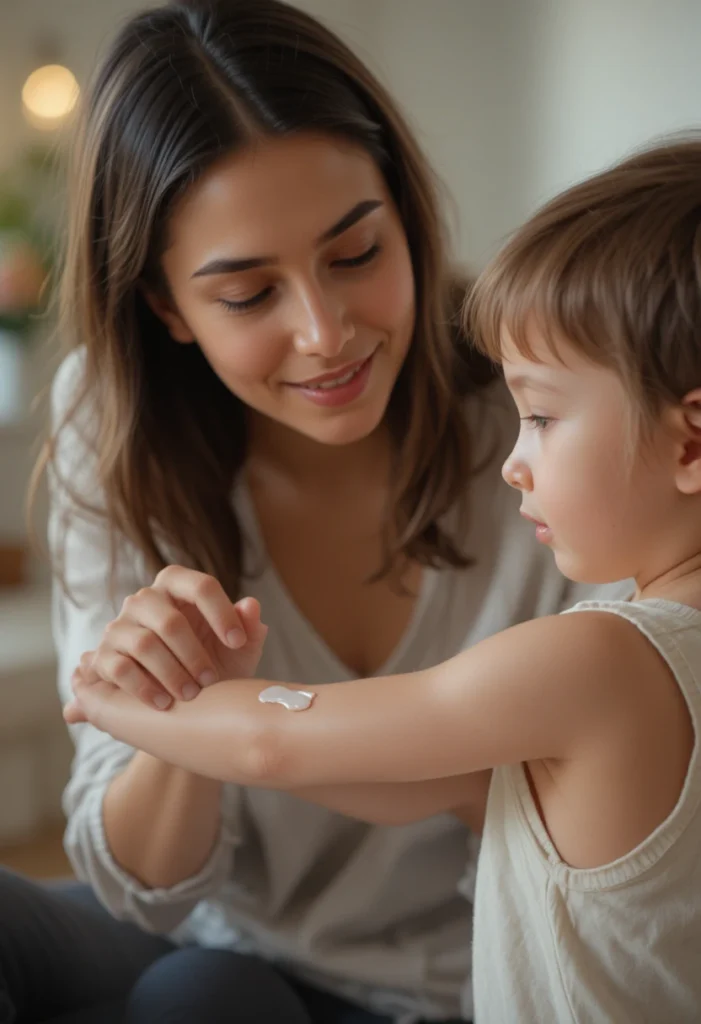
When you are eager to solve a skin problem, it is tempting to buy several new creams and cleansers at once. This approach almost always backfires because you cannot tell which product is helping and which is causing a reaction. Introduce one new skin product at a time and use it for at least two weeks before adding another. Apply it to a small patch of skin on the inner arm for three days first, checking for redness or bumps. If that test goes well, use it on the affected area exclusively. Keep a simple notebook or a note on your phone recording start dates and any changes.
If a rash appears within hours or days after starting a new product, stop using it immediately and return to your previous routine. The culprit might be a preservative, a botanical extract, or even the base oil. Many children can tolerate a product for a week before a delayed allergic reaction shows up, which is why the two‑week trial is crucial. When your child’s skin is calm and healthy, resist the urge to experiment with trendy new “clean” brands. Stick with what works. Over time, you will build a reliable shortlist of products you trust, saving money and stress.
22. Keep an Emergency Skin Care Kit for Travel
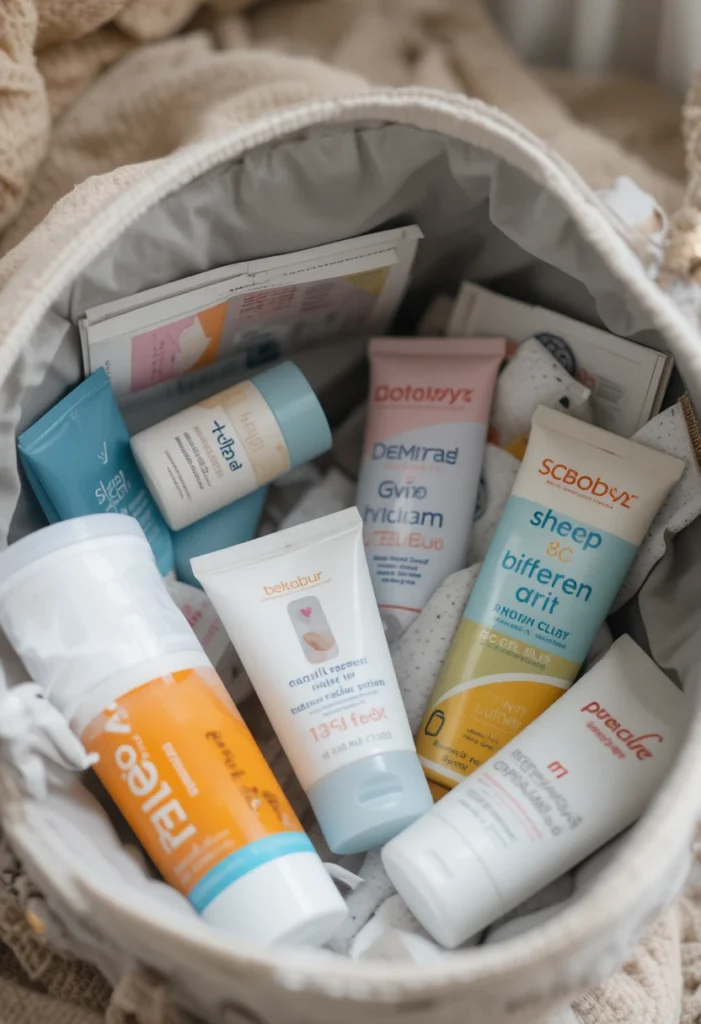
A change in water hardness, climate, or diet while traveling can trigger unexpected skin flares. Keep an emergency skin care kit packed in your carry‑on at all times. Include a small tube of your child’s regular moisturizer, a barrier ointment, a mini bottle of gentle cleanser, a travel pack of free & clear wet wipes, a pair of cotton gloves or socks, and a single dose of child’s antihistamine. Also pack a few bandages and a sample size of hydrocortisone cream (1% over‑the‑counter) for sudden bug bites or contact rashes. Put everything in a clear, quart‑sized bag for easy airport security.
At the hotel, run the bathroom shower on hot for a few minutes to create steam before you bathe your child; this softens the water slightly. If the local water is very hard (high mineral content), consider buying distilled water for face washing. Many parents also bring a small humidifier for the hotel room, especially in dry climates. After returning home, wash all travel clothes and bedding immediately to avoid bringing back any environmental allergens. Having this kit means you can enjoy vacations without emergency pharmacy runs or sleepless nights managing a flare.
23. Recognize When to See a Pediatric Dermatologist

Many common childhood skin issues resolve with home care, but some signs warrant specialist attention. Recognize when to see a pediatric dermatologist if your child’s rash covers more than 20% of their body, if over‑the‑counter treatments fail after two weeks, or if the skin becomes painful, oozing, or crusted with yellow discharge (signs of infection). Also seek help for birthmarks that change rapidly, for moles with irregular borders or multiple colors, or for any hair loss patches. A specialist can perform patch testing, prescribe stronger topical medications safely, and rule out rare conditions like mastocytosis or psoriasis.
Do not assume that all dry skin is eczema; conditions like ichthyosis or Netherton syndrome require different management. A pediatric dermatologist can also guide you on the safe use of topical steroids, which many parents fear unnecessarily. When used correctly under supervision, steroids are highly effective and carry minimal risk. You should also seek a referral if your child’s skin condition is affecting sleep, school attendance, or self‑esteem. Early specialist intervention often prevents a mild problem from becoming a chronic, frustrating battle. Your pediatrician can help you find a board‑certified pediatric dermatologist in your area.
24. Gently Remove Cradle Cap with Oil and a Soft Brush

Cradle cap (seborrheic dermatitis) looks alarming with thick, yellow, greasy scales on the scalp, but it is harmless and very common in infants. Gently remove cradle cap by applying a small amount of mineral oil, coconut oil, or baby oil to the scalp. Let it sit for fifteen minutes to soften the scales. Then, using a soft silicone brush or a fine‑toothed comb, make small circular motions to loosen the flakes. Wash the scalp with a mild baby shampoo and rinse well. You may need to repeat this process two to three times per week for a few weeks.
Do not pick or scratch the scales with your fingernails, as this can cause bleeding and secondary infection. For stubborn cases, a pediatrician might recommend a low‑strength ketoconazole shampoo or a hydrocortisone lotion. Cradle cap usually resolves on its own by six to twelve months of age. On the eyebrows, behind the ears, or in skin folds, the same oil‑and‑wash approach works. Many parents worry that cradle cap indicates poor hygiene, but it is actually caused by overactive oil glands and a yeast called Malassezia. Gentle, consistent removal prevents buildup without harsh treatments.
25. Model Healthy Skin Habits as a Parent

Children learn skin care by watching you far more than by listening to instructions. Model healthy skin habits by letting them see you apply sunscreen, moisturize after a shower, and pat your face dry with a soft towel. Verbalize what you are doing: “Mommy is putting on cream so her skin stays soft.” When you get a mosquito bite, show them how you use a cool compress instead of scratching. Avoid criticizing your own skin in front of them, such as calling a pimple “gross” or picking at a dry patch. Your attitude shapes their relationship with their own body.
Make skin care a shared, positive activity. Do a “family face wash” together before bed, or have a race to see who can apply lotion the fastest (with accuracy). For teenage children, discuss how hormones change skin and that breakouts are normal, not shameful. If you have a chronic skin condition like psoriasis or eczema, explain it simply: “My skin gets extra dry sometimes, so I use special medicine. Yours might be different, and that is okay.” By creating a home environment where skin care is routine, not stressful, your child will carry these habits into adulthood with confidence and ease.
Conclusion
Raising a child with healthy, comfortable skin does not require a medicine cabinet full of expensive products or complicated rituals. Instead, it grows from small, consistent choices: a gentle cleanser, a reliable moisturizer, breathable fabrics, and a watchful eye for triggers. These 25 kids skin care ideas give you a practical roadmap, but you do not need to follow them all at once. Pick two or three that address your child’s most pressing needs today, then layer in more as those become habits. Every child’s skin is unique, so trust your observations and do not hesitate to ask your pediatrician or a dermatologist for guidance. With patience and a gentle touch, you will help your little one build a lifetime of healthy skin and the confidence that comes with feeling good in their own body.