Let me start with a quick story. A few years ago, my sister called me in a panic. Her two kids, ages 6 and 9, shared a tiny 10×10 bedroom. There were toys on every surface, clothes spilling out of drawers, and absolutely no floor space to play. “We’re tripping over everything,” she sighed. “The room feels like a closet.” I asked if she had considered bunk bed ideas that do more than just stack mattresses. She paused. “You mean… there are other options besides the basic metal frame from college?”
That question changed everything.
After helping her redesign the room with a space-saving bunk bed that included drawers, a desk, and even a small bookshelf, the difference was night and day. The kids had their own zones, the floor reappeared, and bedtime arguments dropped by half. So, believe me when I say: the right bunk bed can be a life-changer.
In this guide, I will walk you through 16 creative bunk bed ideas for every budget, room size, and personality. Furthermore, I will share a step-by-step plan to help you choose the perfect one. By the end, you will feel confident enough to buy the right product for your family. Let’s dive in.
Why Bunk Beds Are Smarter Than Ever Before
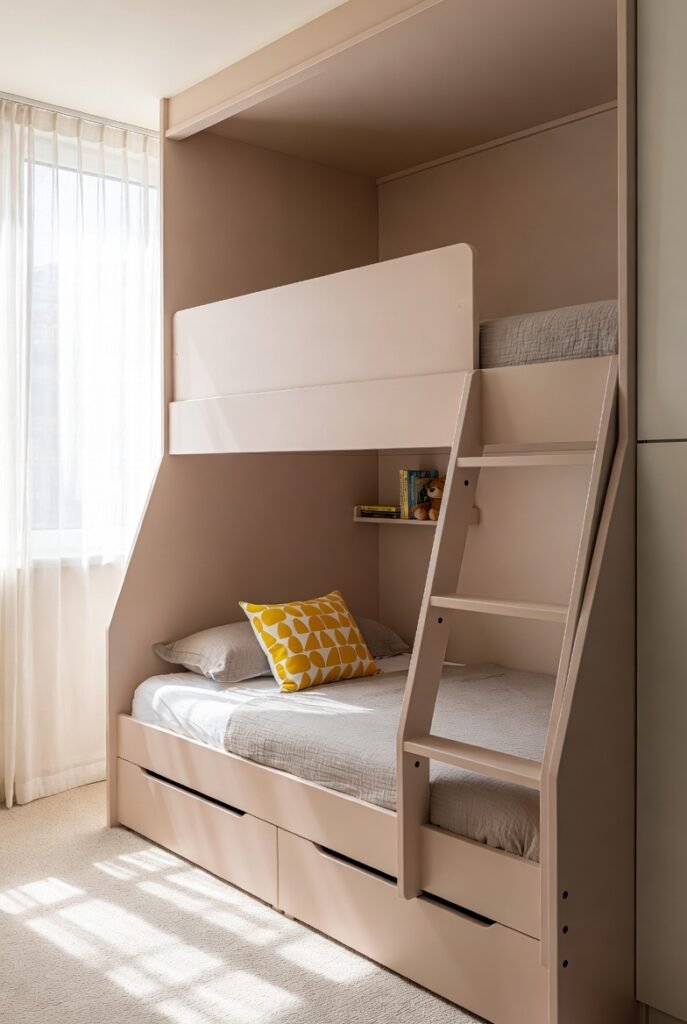
Before we explore the ideas, let’s address the elephant in the room. Many people think bunk beds are only for summer camps or cramped dorms. However, modern designs have evolved dramatically. Today, you can find bunk bed ideas that include storage solutions, study areas, play tents, and even trundle beds for sleepovers.
Consequently, a well-chosen bunk bed does three things:
- It saves floor space (up to 50% compared to two twin beds).
- It adds functionality (desks, shelves, or extra drawers).
- It creates a fun environment for kids (and sometimes adults).
For instance, my neighbor recently installed a loft bunk bed in his home office. Why? Because it allowed him to have a guest sleeping area above his desk. That’s the beauty of smart bunk bed ideas—they adapt to your life.
Now, let’s get into the juicy part: the 16 ideas.
1. The Classic Twin-Over-Twin Bunk Bed
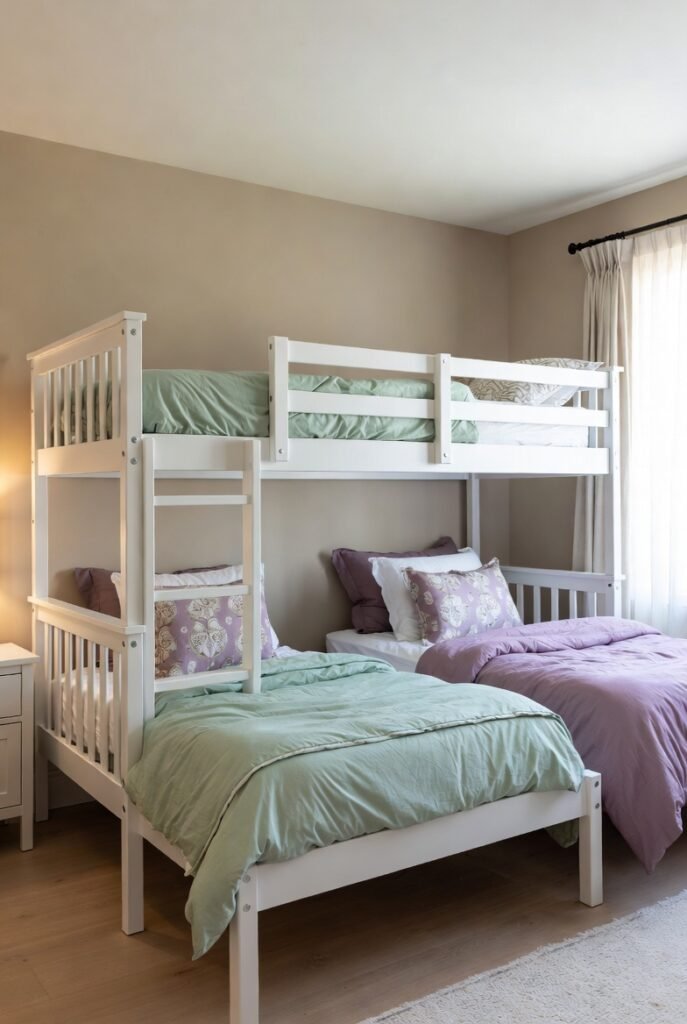
Let’s start with the timeless favorite. The twin-over-twin bunk bed is what most people picture when they hear “bunk bed.” Two standard twin mattresses stacked vertically. Simple, affordable, and reliable.
Why it works:
This design is perfect for young siblings or shared vacation homes. Furthermore, it fits in rooms with standard 8-foot ceilings. Many models now include ladder safety features like rounded rungs and anti-slip treads.
Anecdote:
My cousin bought a basic twin-over-twin for her boys. After three years, she upgraded to a model with built-in drawers underneath. She told me, “I wish I had spent the extra $100 upfront. The storage alone saved my sanity.”
Pro tip: Look for versions with metal slats instead of plywood. They last longer and improve airflow for the mattress.
2. Twin-Over-Full Bunk Bed (The Guest Room Hero)
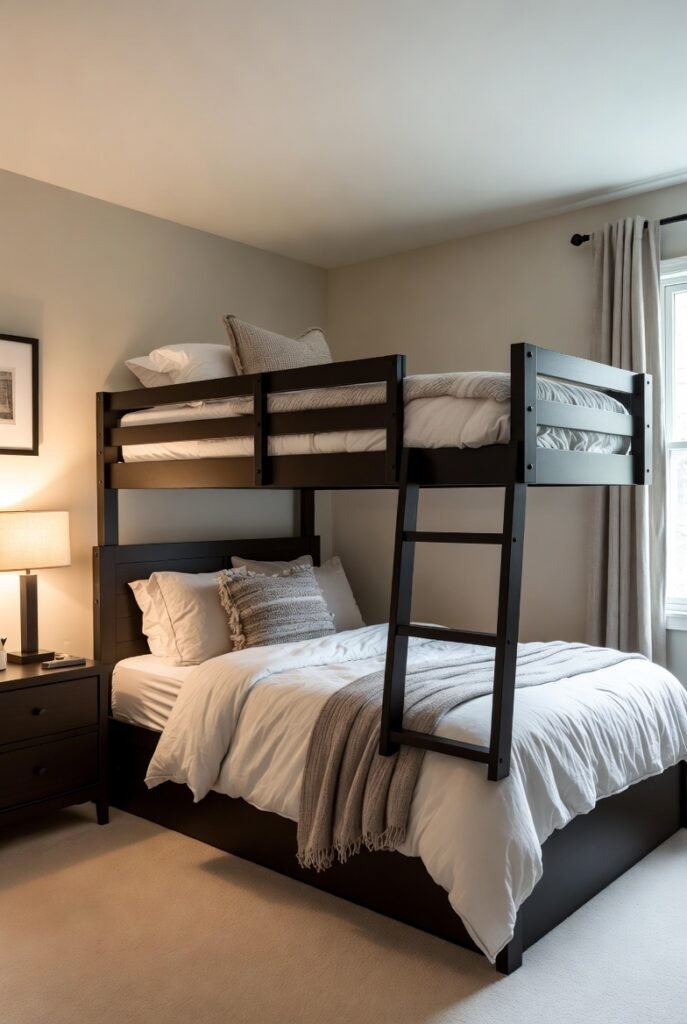
Do you have an older child or frequent guests? Then the twin-over-full bunk bed is your best friend. The top bunk fits a twin mattress, while the bottom bunk fits a full (double) mattress.
Why it works:
The larger bottom bed comfortably sleeps an adult or a teenager. Consequently, this design works beautifully for shared kids’ rooms where one child is older, or for vacation homes where couples might use the bottom bunk.
Step-by-step guide to choosing one:
Read Also: From Drab to Dreamy: The Ultimate Guide to LED Lights Bedroom Makeovers
- Measure your ceiling height (minimum 8.5 feet recommended).
- Check the weight limit (most support 200-250 lbs per bunk).
- Decide between a straight ladder or an angled ladder (angled is easier for kids).
- Look for guardrails that are at least 5 inches above the mattress.
Many twin-over-full bunk beds also come with trundle options—a third pull-out bed for sleepovers. That’s three sleeping surfaces in one footprint!
3. Loft Bunk Bed with Desk (For Studious Kids)
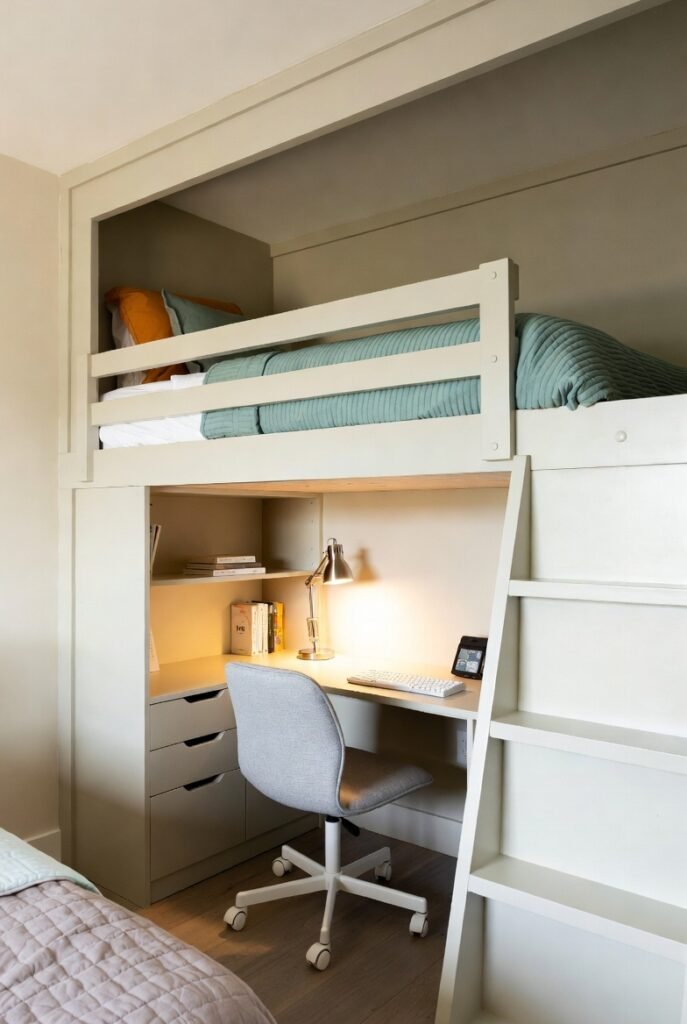
A loft bunk bed is essentially a raised bed with nothing underneath except open space. When you add a desk, you create a study loft that maximizes every inch.
Why it works:
The open area below becomes a homework station, craft area, or even a small reading nook. For example, a loft bed with desk is a game-changer in a 10×10 bedroom. Instead of squeezing a separate desk, the bed provides both sleep and study zones.
Real-life example:
My friend’s son struggled with distractions during online school. She bought a loft bunk bed with a built-in desk and shelves. Suddenly, he had a “dedicated classroom” under his bed. His grades improved, and she stopped nagging him to clean his room.
Important terms to search for:
- Loft bed with storage
- Study loft bunk bed
- Desk underneath bunk bed
4. Triple Bunk Bed (For Large Families)
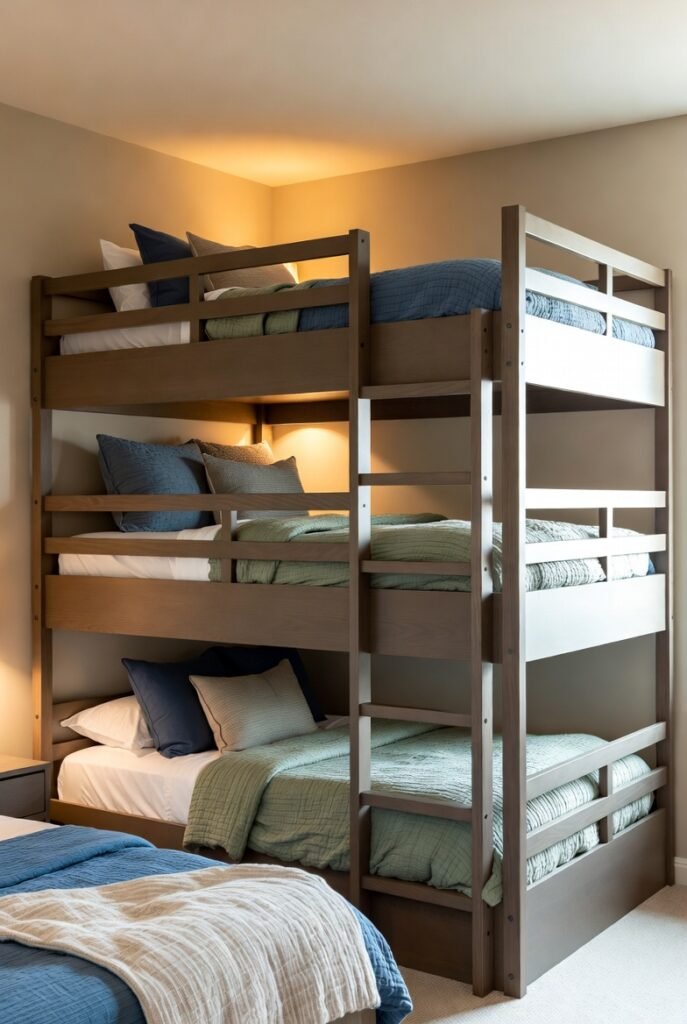
Three kids in one room? No problem. A triple bunk bed stacks three sleeping surfaces vertically or in an L-shape. Some designs use twin-over-twin-over-twin, while others mix twin and full sizes.
Why it works:
These are lifesavers for large families or rental properties. Moreover, many triple bunk beds include ladder options on both sides for easy access.
Safety note:
Always place the youngest child on the bottom bunk. Additionally, ensure the top bunk has extra-tall guardrails (at least 7 inches).
Anecdote:
A family of six I know converted a small attic into a kids’ dormitory using a triple bunk bed plus a separate twin bed. They now host cousins and friends without anyone sleeping on the floor. “Best investment we ever made, ” the dad told me.
5. L-Shaped Bunk Bed (Corner Efficiency)
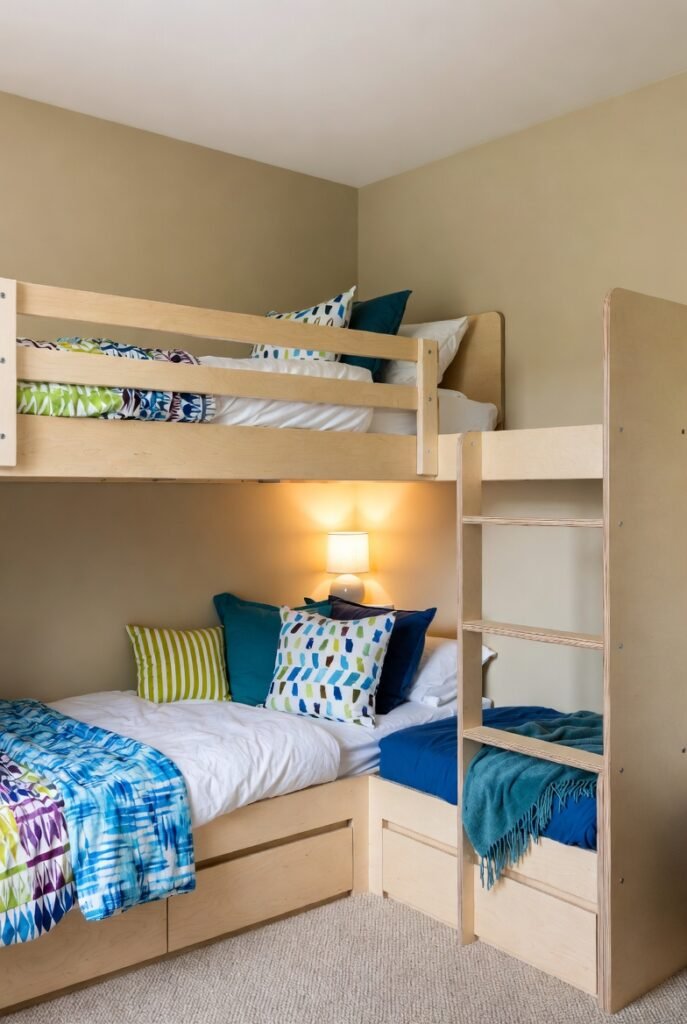
If you have a corner to spare, an L-shaped bunk bed is a brilliant choice. The top bunk sits over a bottom bunk that’s perpendicular, creating an “L” shape. The remaining space often becomes a built-in desk or storage cubes.
Why it works:
The L-shaped design leaves the center of the room open for play. Additionally, it creates a cozy nook for the bottom sleeper. Many parents love this for shared rooms because each child gets a sense of privacy.
Pro tip:
Some L-shaped bunk beds are reversible. You can position the long leg on the left or right side depending on your room layout.
6. Bunk Bed with Stairs (Not a Ladder)
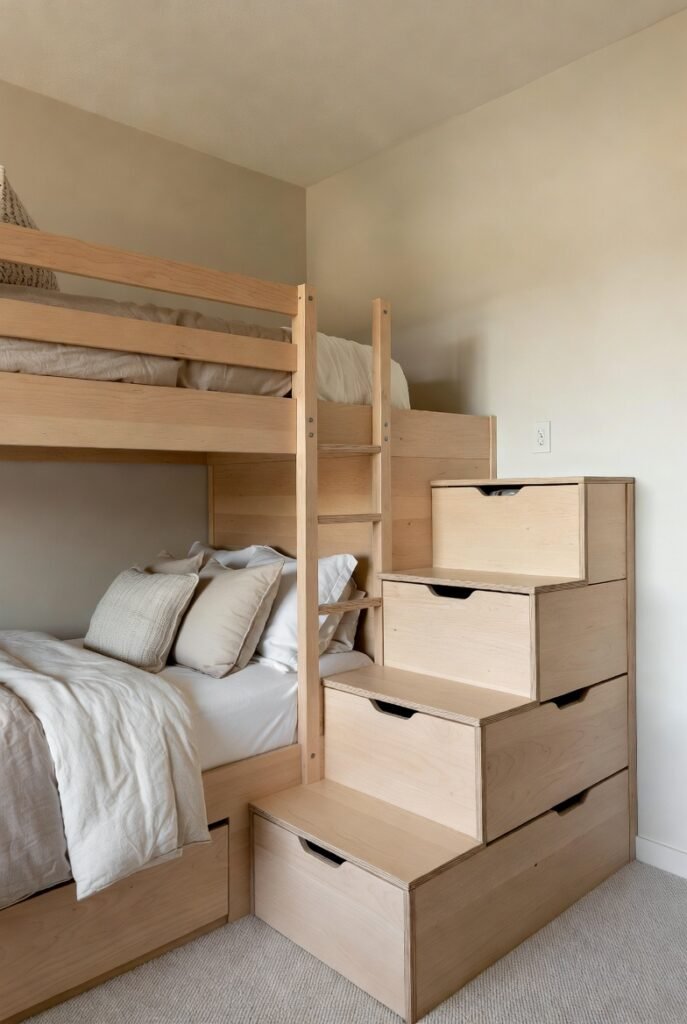
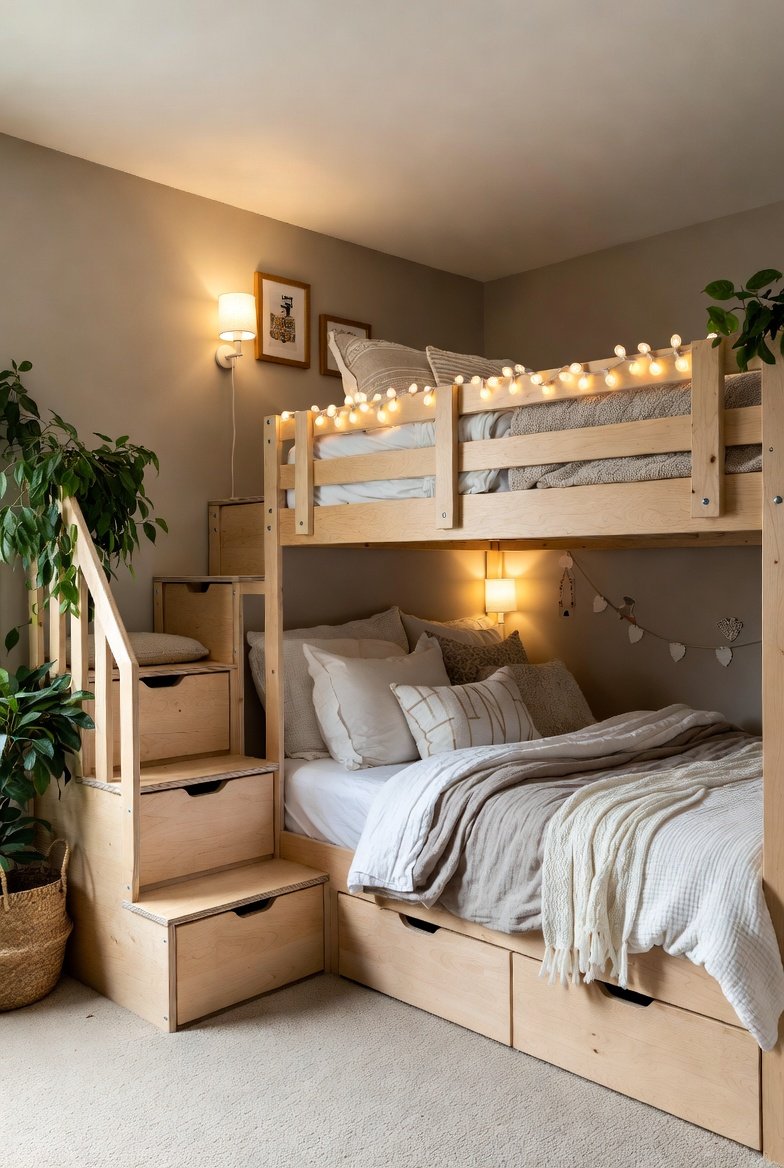
Ladders can be tricky for toddlers or grandparents. That’s why bunk beds with stairs are becoming incredibly popular. Instead of a vertical ladder, you get a small staircase-style step system.
Why it works:
The stairs are safer and easier to climb. But here’s the real magic: each stair doubles as a storage drawer. You can store toys, clothes, or books inside the stairs themselves. This is one of the most space-saving bunk bed designs available.
Step-by-step guide to using stair drawers:
- Label each drawer (e.g., “pajamas,” “legos,” “art supplies”).
- Use drawer dividers for small items.
- Rotate seasonal toys to lower drawers.
- Teach kids to close one drawer before opening another.
Many bunk beds with stairs also include handrails and anti-slip treads on each step. For families with young children or elderly guests, this is the safest option.
7. Futon Bunk Bed (Twin Over Futon)
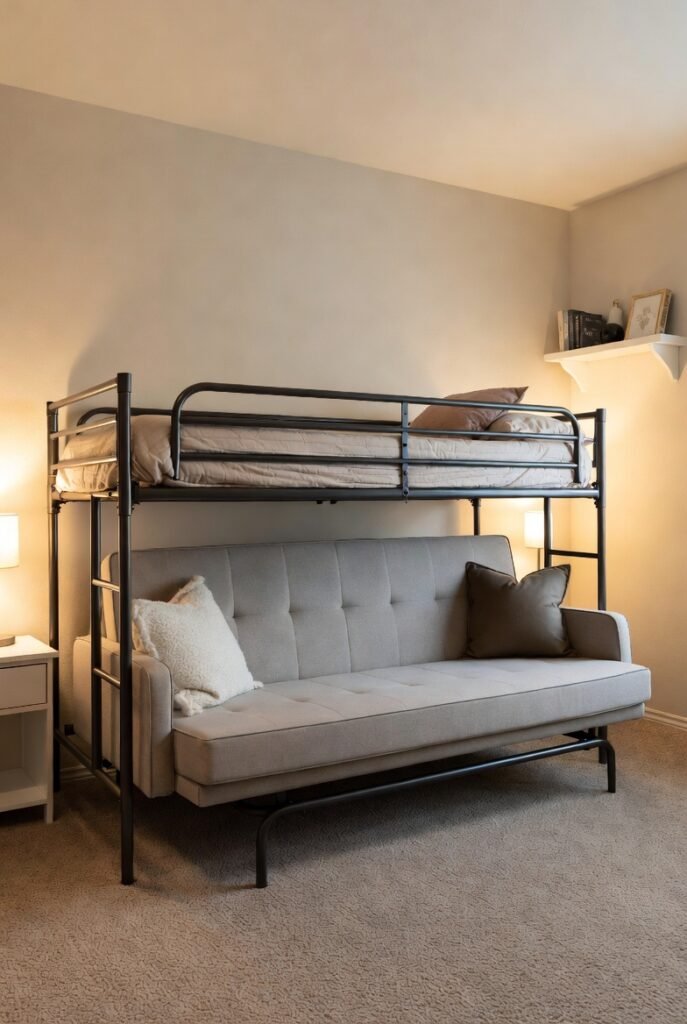
What if you need a bed by day and a couch by night? Enter the futon bunk bed. The top bunk is a standard twin, but the bottom bunk is a futon that converts from a sofa to a bed.
Why it works:
This is perfect for teen rooms, home offices, or basement hangouts. During the day, the bottom is a seating area for gaming or reading. At night, it folds flat into a full-size bed.
Anecdote:
My nephew is 14 and loves having friends over. His futon bunk bed lets him host movie nights on the futon while still having his own bed above. His mom loves that there’s no “extra mattress” taking up floor space.
Important terms:
- Bunk bed with futon
- Convertible bunk bed
- Sofa bunk bed
8. Bunk Bed with Slide (For the Fun Factor)
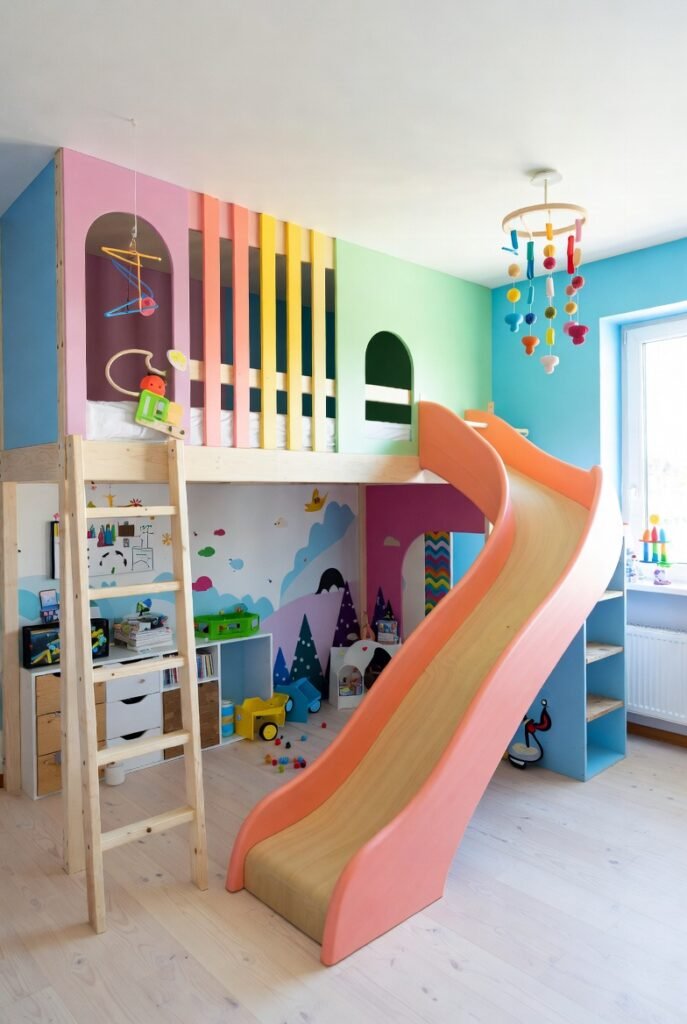
Yes, you read that correctly. A bunk bed with a slide turns bedtime into an adventure. Typically, the top bunk connects to a plastic or wooden slide that ends on the floor or a soft mat.
Why it works:
For preschoolers and early elementary kids, the slide makes getting down from the top bunk exciting. Consequently, children are more willing to climb up for sleep. Many parents report that bunk beds with slides reduce bedtime resistance.
Important safety tip:
Always place a thick play mat or carpet at the bottom of the slide. Additionally, teach children to slide one at a time and never climb up the slide.
These are often called kids bunk beds with slide or play bunk beds. They are worth every penny for the smiles alone.
9. Treehouse Bunk Bed (A Themed Wonder)
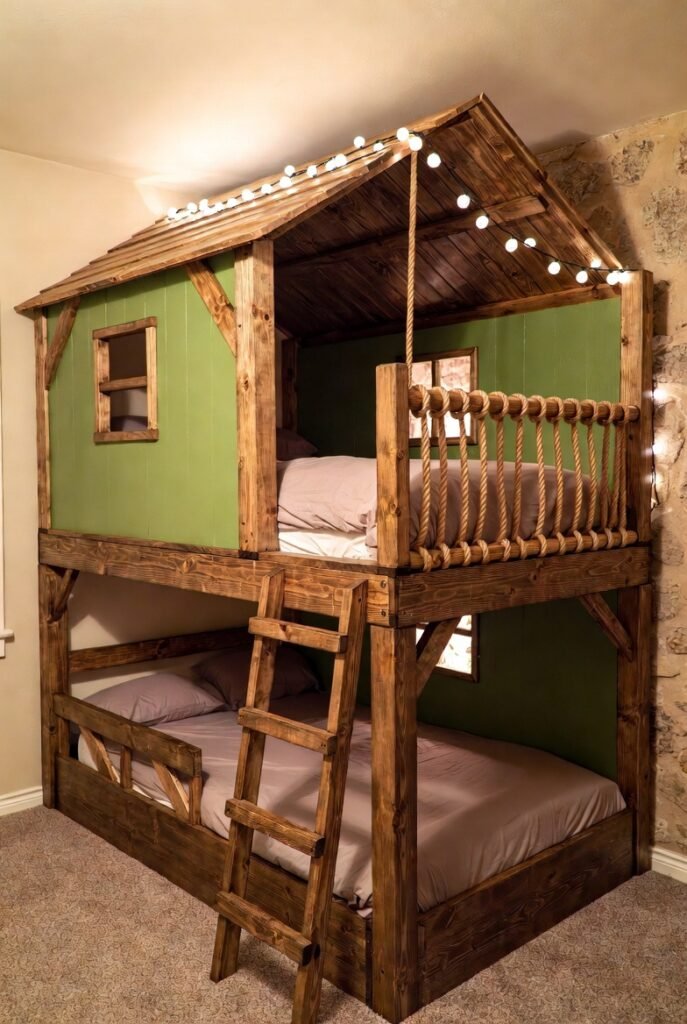
Do your kids dream of sleeping in a fort? A treehouse bunk bed typically features a top bunk designed like a tiny house, complete with windows, a roof, and sometimes a curtain for privacy. The bottom bunk often looks like a cozy cave or second house.
Why it works:
Themed bunk bed ideas like this one encourage imaginative play. Kids will read, draw, and even nap inside their “treehouse.” Furthermore, these beds are usually made from solid wood, so they’re durable.
Real-life example:
One of my readers converted a plain white bunk bed into a treehouse by adding fabric leaves, string lights, and a faux branch ladder. Her kids named it “Camp Bedtime. ” She told me, “They actually ask to go to sleep now.”
Search for:
- Treehouse loft bed
- Playhouse bunk bed
- Themed bunk beds
10. Low Profile Bunk Bed (For Low Ceilings)
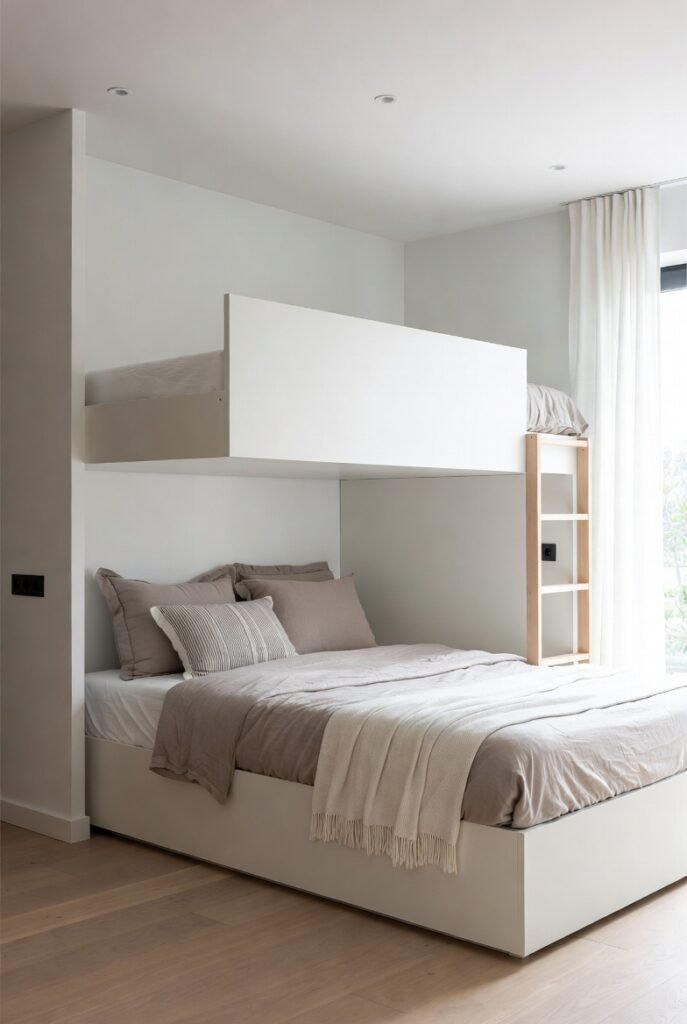
Not every room has 9-foot ceilings. In basements, attics, or modern apartments, you might have only 7 or 7.5 feet of height. A low profile bunk bed solves this problem.
Why it works:
These bunk beds have shorter posts and less space between bunks (typically 30-33 inches of headroom per level). While an adult can’t sit up fully on the top bunk, a child or teen fits comfortably.
Step-by-step guide to measuring for a low bunk:
- Measure floor to ceiling.
- Subtract 6 inches for mattress thickness.
- Divide the remaining height by 2.
- If each section is at least 30 inches, a low profile bunk works.
Many low profile bunk beds are also trundle-ready, meaning you can pull out a third bed from underneath. This is a fantastic space-saving bunk bed trick for tight spaces.
11. Bunk Bed with Storage Drawers (The Organizer’s Dream)
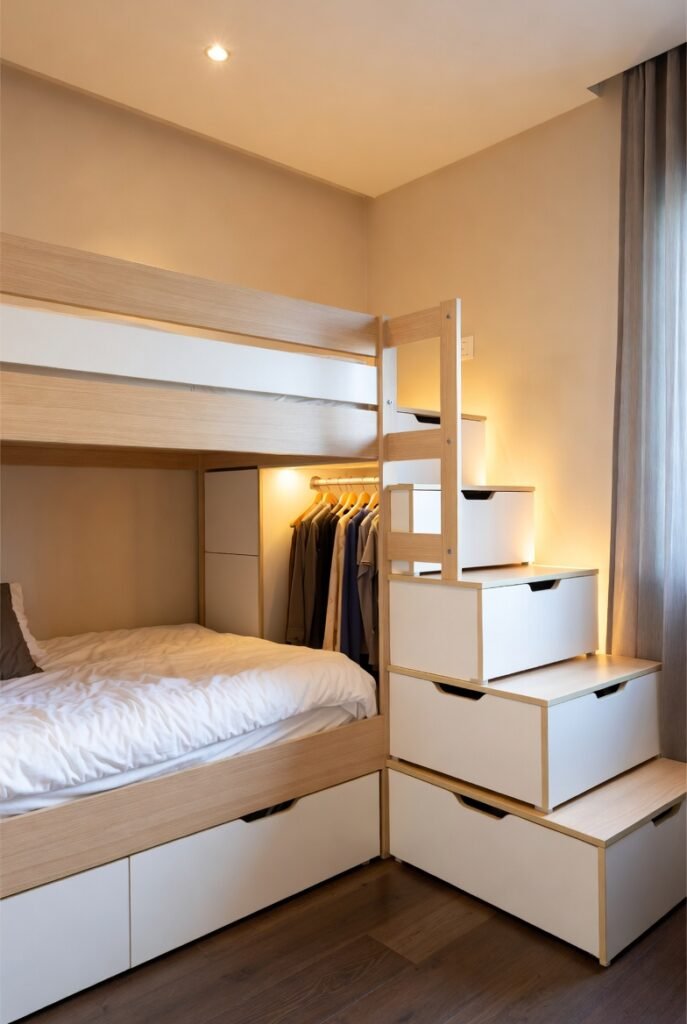
One of the most practical bunk bed ideas is simply adding storage drawers underneath the bottom bunk. These drawers can be large (for out-of-season clothes) or small (for toys and shoes).
Why it works:
You eliminate the need for a separate dresser or toy chest. Consequently, the room feels twice as large. Some bunk beds with storage feature pull-out drawers on heavy-duty casters, while others have built-in cabinets with doors.
Anecdote:
My sister (from the opening story) chose a bunk bed with four large drawers. She stores winter clothes in two and board games in the other two. “I reclaimed 12 square feet of floor space, ” she said. “That’s a whole play area.”
Pro tip:
Look for drawers with soft-close glides so little fingers don’t get pinched.
12. Trundle Bunk Bed (For Sleepover Central)
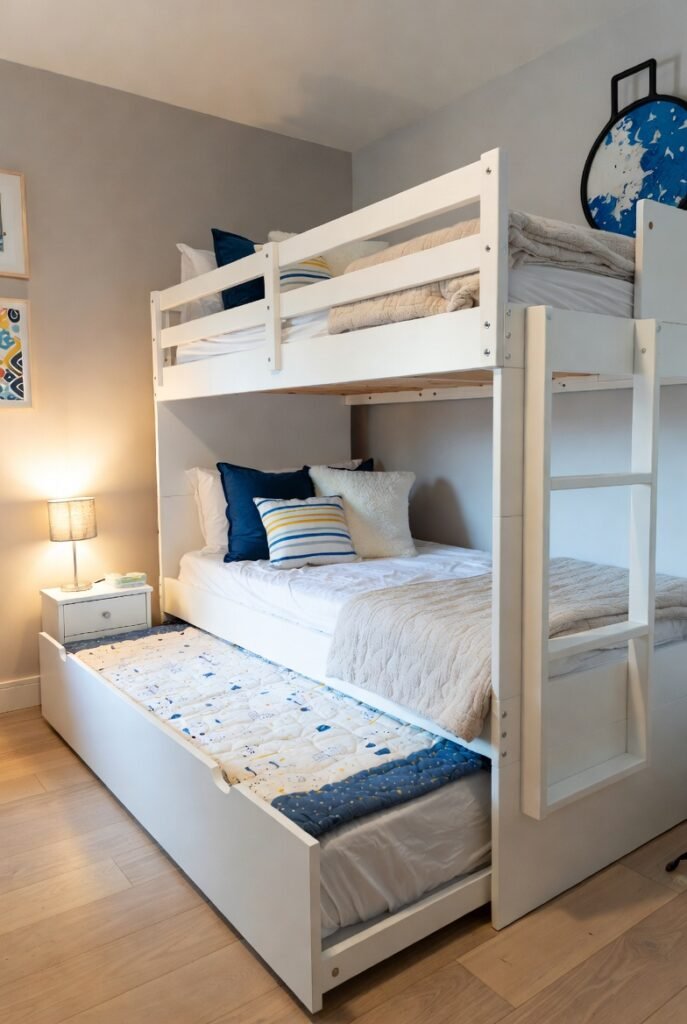
A trundle bunk bed includes a third mattress on wheels that slides out from under the bottom bunk. During the day, the trundle hides away. At night, it rolls out to create an extra sleeping spot.
Why it works:
If your child loves having friends over, a trundle bed is essential. Furthermore, some trundle bunk beds use pop-up trundles that raise to the same height as the bottom bunk, creating one giant king-sized sleeping surface.
Important terms when shopping:
- Bunk bed with trundle
- Triple bunk with trundle
- Pop-up trundle bunk bed
Pro tip:
Choose a trundle that fits a standard twin mattress. Avoid odd sizes, as replacement sheets will be hard to find.
13. Industrial Pipe Bunk Bed (For Modern Aesthetics)
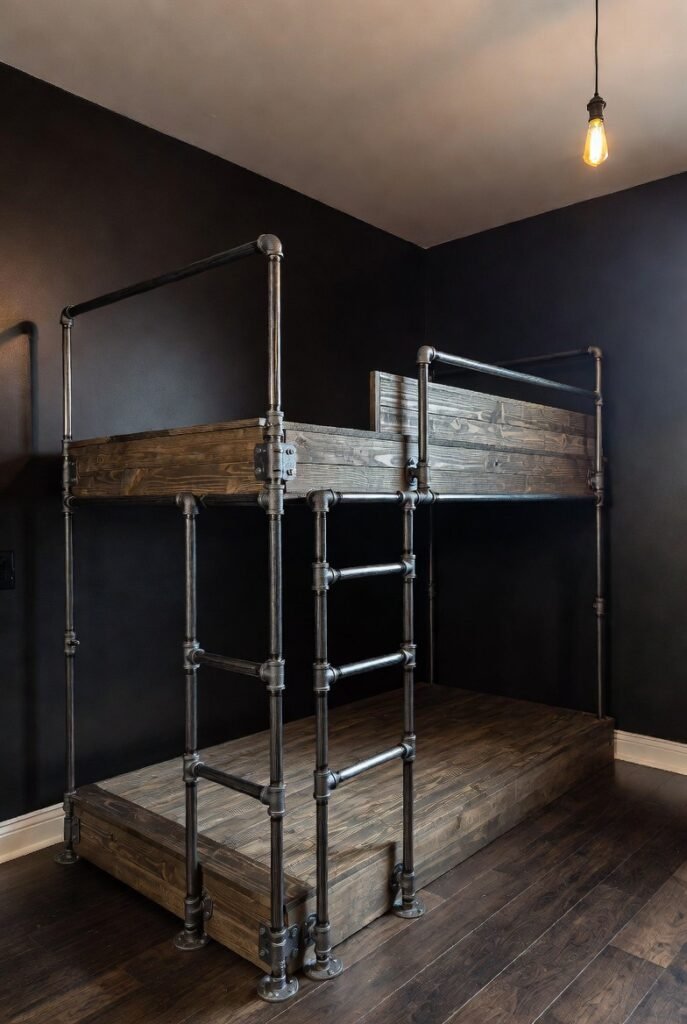
Who says bunk beds are only for kids? An industrial pipe bunk bed uses black iron pipes and fittings to create a stunning, urban look. These are popular in loft apartments, tiny houses, and modern cabins.
Why it works:
The industrial style is incredibly durable—those pipes will outlast any wooden frame. Additionally, you can customize the height, width, and even add shelves made of reclaimed wood.
Step-by-step DIY warning:
While you can buy pre-made industrial bunk beds, some people build their own. If you go the DIY route:
- Use schedule 40 or 80 pipes (thicker = safer).
- Flange every pipe to the floor and wall.
- Use at least 1-inch diameter pipes for structural integrity.
- Hire an engineer if you’re unsure.
For most people, buying a ready-made industrial bunk bed from a reputable brand is the safer choice.
14. Convertible Bunk Bed (That Grows with Your Family)
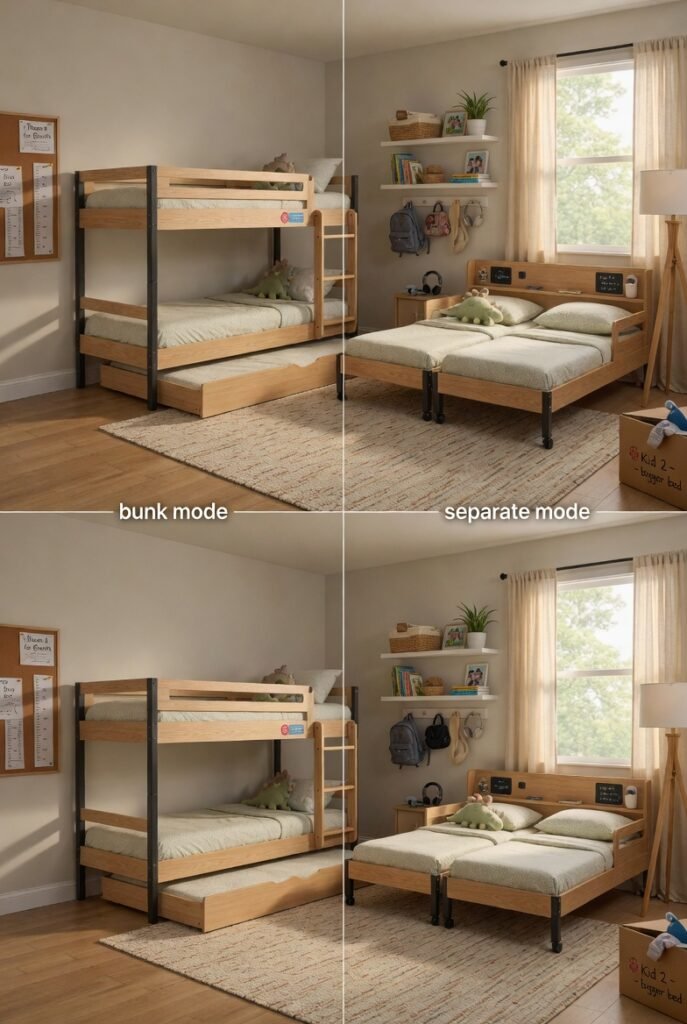
A convertible bunk bed can separate into two standalone twin beds. This is genius for families whose needs change over time. For example, when your children are young, you use it as a bunk. When they become teenagers, you split it into two beds for separate rooms.
Why it works:
This is one of the most cost-effective bunk bed ideas because it lasts for decades. Many convertible bunk beds also allow you to reconfigure into an L-shape or a loft-and-twin setup.
Anecdote:
My college roommate’s parents bought a convertible bunk bed when she was 5. She and her sister used it as a bunk until middle school. Then, they separated it into two beds for their own rooms. Finally, her parents used one twin in the guest room and the other in a cabin. “That bed lasted 20 years, ” she told me.
Search for:
- Separable bunk bed
- Bunk bed converts to two beds
- Transitional bunk bed
15. Bunk Bed with Built-in Bookshelves (For Little Readers)
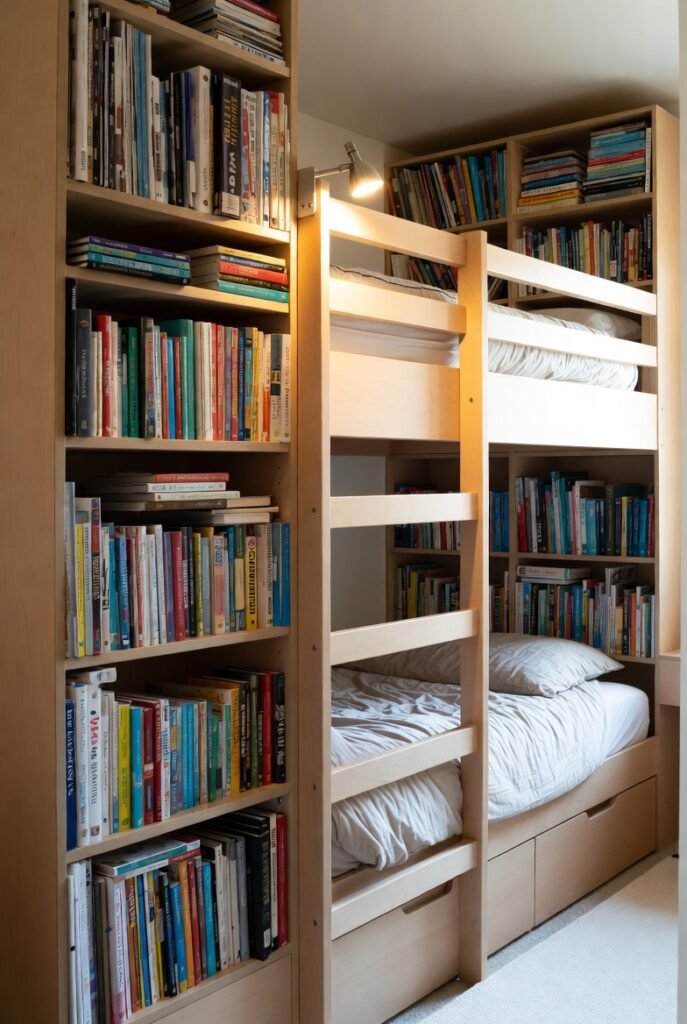
If your child loves books, a bunk bed with built-in bookshelves is a dream come true. These designs incorporate shelves into the headboard, footboard, or even the stair risers.
Why it works:
Having bookshelves within arm’s reach encourages reading before sleep. Moreover, it keeps the floor clutter-free. Some models include reading lights mounted on the shelves for nighttime story time.
Step-by-step guide to organizing the shelves:
- Place current favorites at eye level.
- Store heavier books on lower shelves.
- Use bookends to prevent falls.
- Leave one shelf for a small plant or nightlight.
Important terms:
- Bookcase bunk bed
- Bunk bed with storage shelves
- Library bunk bed
16. Custom DIY Bunk Bed (For the Ultimate Personalization)
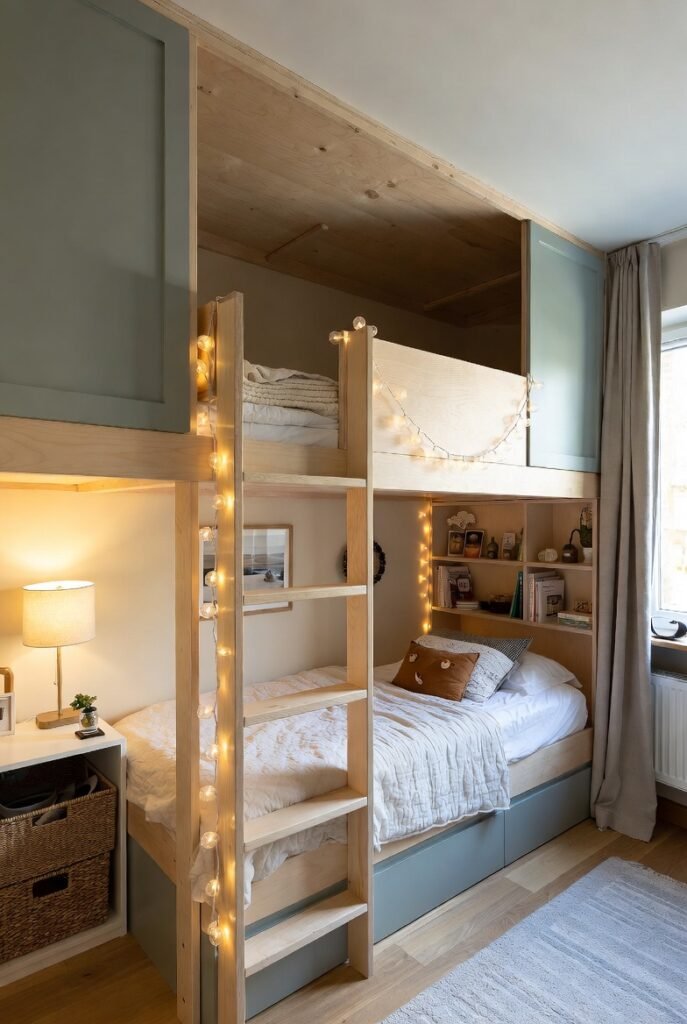
Finally, if none of the above bunk bed ideas fit your exact space, consider a custom DIY bunk bed. This is for handy parents or those willing to hire a local carpenter.
Why it works:
You control every dimension: height, width, wood type, color, and special features like a secret compartment, chalkboard wall, or rock climbing wall as a ladder.
Important warnings (read carefully):
- Safety first: Never skip guardrails or proper ladder spacing.
- Use certified plans: The ASTM has specific safety standards for bunk beds. Follow them.
- Weight test: Before your child sleeps on it, put 300 pounds on each bunk for 24 hours.
Anecdote:
A woodworker friend built a custom bunk bed for his twins that included a fold-down desk, a pegboard for art supplies, and a hanging “net” for stuffed animals. He spent $600 on materials and three weekends of work. The result was a one-of-a-kind piece that his kids still brag about years later.
If DIY isn’t your strength, many companies offer semi-custom bunk beds where you choose the finish, size, and add-ons.
Step-by-Step Guide: How to Choose the Perfect Bunk Bed (And Buy with Confidence)
By now, you have 16 fantastic bunk bed ideas. However, how do you actually decide? Follow this simple, step-by-step plan. It will help you avoid mistakes and buy with confidence.
Step 1: Measure Your Room (Twice)
Grab a tape measure. Record:
- Ceiling height (critical for top bunk safety)
- Floor space length and width
- Location of windows, doors, outlets, and vents
Pro tip: Leave at least 30 inches of walking space around the bed.
Step 2: Identify Your Primary Need
Ask yourself: What is the #1 problem I’m solving?
- Not enough sleeping space? → Triple bunk or trundle bunk
- No storage? → Bunk bed with drawers or stairs with storage
- No study area? → Loft bed with desk
- Low ceiling? → Low profile bunk bed
- Multiple ages? → Twin-over-full bunk bed
Step 3: Set a Realistic Budget
- Under $300: Basic metal twin-over-twin (functional but basic)
- $300 – $800: Good wooden bunk beds with ladders and some storage
- $800 – $1,500: High-quality solid wood, L-shaped, or bunk beds with stairs
- Over $1,500: Custom, industrial, or themed treehouse bunk beds
Remember: A bunk bed is a 10+ year investment. Spending $200 more for solid wood and safety certifications is worth it.
Step 4: Check Safety Certifications
Before you click “buy,” look for these:
- ASTM F1427 (the American standard for bunk beds)
- GREENGUARD Gold (low chemical emissions)
- Weight limit per bunk (usually 200-400 lbs)
Also, ensure the guardrails extend at least 5 inches above the mattress. The ladder should be securely attached, and there should be no gaps larger than 3.5 inches anywhere.
Step 5: Read Real Reviews (Not Just the 5-Stars)
Go on major retail sites. Read the 1, 2, and 3-star reviews. Look for mentions of:
- Wobbliness
- Difficult assembly
- Paint chipping
- Missing parts
Anecdote:
A friend ignored the 2-star reviews about a “squeaky ladder.” After buying, she discovered the ladder indeed squeaked every single night. She had to spend another $40 on rubber washers to fix it. Don’t be her.
Step 6: Order from a Reputable Retailer
Buy from stores with good return policies and warranties. Some trusted names include:
- Walker Edison (modern, sturdy)
- Storkcraft (great for kids, safety-focused)
- Max & Lily (solid wood, stylish)
- IKEA (affordable, modular)
- Pottery Barn Kids (premium, beautiful)
Step 7: Assemble Carefully (Or Hire a Pro)
Step 8: Childproof After Assembly
Once built:
- Anchor the bed to the wall (especially important for tall bunk beds).
- Add bumper pads on sharp corners.
- Place a nightlight near the ladder.
- Teach kids the “one at a time” ladder rule.
Why You Should Buy a Bunk Bed Today (The Confidence-Building Conclusion)
Let’s circle back to my sister’s tiny bedroom. After installing a bunk bed with storage drawers and a trundle, her kids went from fighting over floor space to hosting weekly fort-building sessions. She stopped losing toys under the bed. Her younger son even started making his own bed because the drawers made it easy to put away pajamas.
The truth is, bunk bed ideas have evolved far beyond the rickety camp frames of the past. Today, you can find space-saving bunk beds that include desks, bookshelves, stairs with storage, trundles, slides, and even treehouse designs. Whether you have a tiny apartment, a large family, or simply want to create a magical room for your kids, there is a bunk bed for you.
To summarize the benefits:
- You will save floor space (often 30-50%).
- You will add storage (drawers, shelves, or stair cubbies).
- You will increase safety (modern guardrails and ladders are excellent).
- You will create fun (slides and themes make bedtime exciting).
- You will future-proof (convertible models grow with your family).
Your next step is simple: Grab your tape measure. Choose your favorite idea from the 16 above. Then, visit a trusted retailer and buy with confidence. Read the reviews, check the safety certifications, and invest in a bunk bed that will serve your family for years.
Don’t wait until you’re tripping over toys like my sister did. The perfect bunk bed is out there. And honestly? Your kids will thank you. Probably not in words—but in the extra floor space for play, the joy of a slide, or the simple peace of a clutter-free room.
Happy sleeping. 🛏️