
Let me take you back to a chilly Tuesday evening in my tiny, cramped apartment about ten years ago. I had just returned from work, exhausted and hungry. In my fridge, I had a bag of slightly sad-looking broccoli, a block of cheddar cheese, and some milk. I wanted comfort. I wanted warmth. I wanted something that felt like a hug in a bowl.
So, I decided to make cheese sauce. Sounds simple, right?
I remember confidently tossing butter, milk, and shredded cheese into a pot. I stirred it lazily while scrolling through my phone. Within three minutes, I had a disaster on my hands. The sauce looked like curdled cottage cheese mixed with orange oil. It was grainy, greasy, and utterly heartbreaking. I ended up eating dry broccoli that night.
That failure, as frustrating as it was, became the best teacher. You see, a cheese sauce recipe isn’t just a list of ingredients. It is a science. It is an art. Once you master it, you unlock a world of creamy pastas, luscious nachos, velvety vegetables, and decadent burgers.
After hundreds of trials (and dozens of grainy failures), I finally cracked the code. Today, I am going to share everything I learned. By the end of this guide, you will not just follow a recipe. You will understand why each step matters. Consequently, you will never have to suffer through a broken, lumpy sauce again.
What Exactly Is Cheese Sauce? More Than Just Melted Cheese
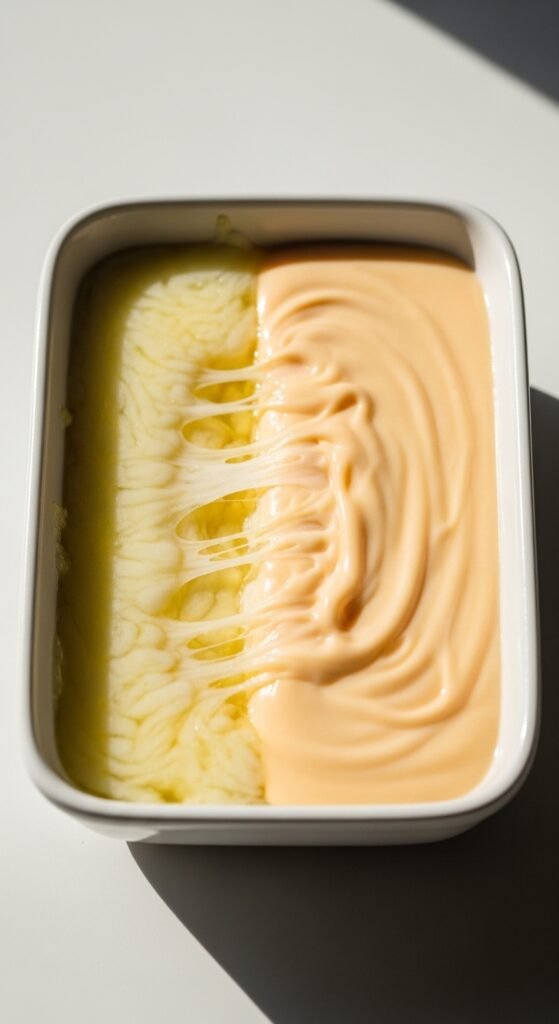
Before we dive into the pots and pans, let us define our subject. A proper cheese sauce is a stable emulsion. This means it is a mixture of fat (butter and cheese) and water (milk) that normally would not mix well together. To keep them united, we need a liaison. In the culinary world, that liaison is often a starch.
For example, the most reliable cheese sauce recipe relies on a roux (pronounced “roo”). A roux is a cooked mixture of equal parts fat and flour. This flour acts as a microscopic net, trapping the fat and liquid so they cannot separate. Without this step, you are simply melting cheese, which almost always leads to that greasy, stringy mess I made a decade ago.
Furthermore, there are no-roux methods. Some modern recipes use evaporated milk or sodium citrate (a type of salt that prevents separation). However, for the home cook who wants pure, honest flavor without specialty ingredients, the roux-based cheese sauce recipe remains the gold standard.
Why You Need This Recipe in Your Life Today

Honestly, why should you care? Because cheese sauce is a life skill. Consider these scenarios:
- Broccoli Night: Your kids refuse to eat green things. When you pour a silky, golden cheese sauce over steamed broccoli, they suddenly ask for seconds.
- Nacho Emergency: It is game day. The chips are out. The salsa is ready. But the cheese from a jar tastes like plastic. A homemade cheese sauce turns a snack into a celebration.
- Mac & Cheese Redemption: Boxed mac and cheese is fine for a quick fix. However, a real, baked macaroni and cheese starts with a superior cheese sauce. It is creamier, richer, and infinitely more satisfying.
- Leftover Savior: You have a piece of toast, a baked potato, or some roasted cauliflower. What transforms these humble items into a crave-worthy meal? Cheese sauce.
To put it simply, this recipe is your secret weapon against bland, boring meals.
The Science of Success: Understanding Your Ingredients
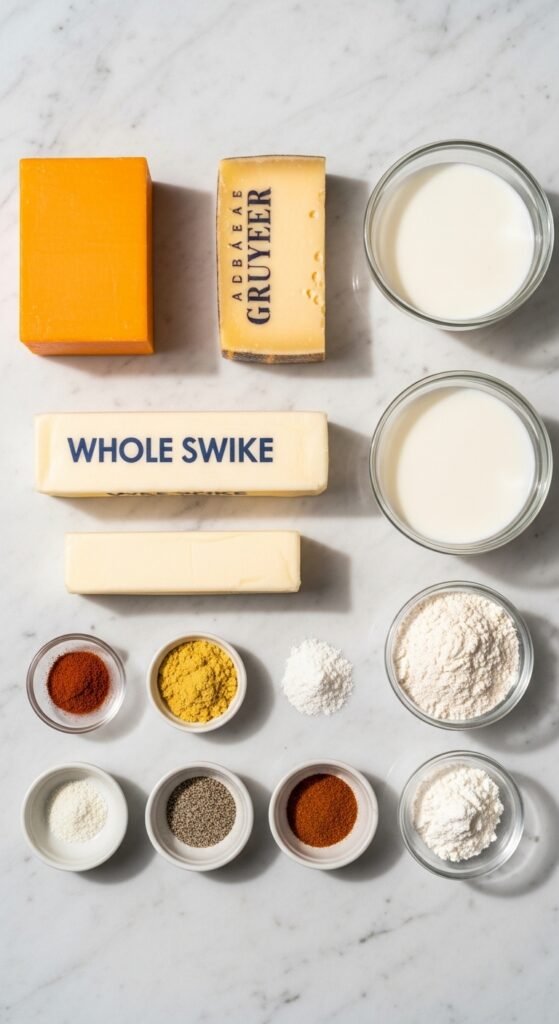
To convince you to make this cheese sauce recipe with confidence, we need to talk about the players on your team. Every ingredient has a job.
1. Butter (The Foundation)
Use unsalted butter. Why? Because different cheeses have different salt levels. By controlling the salt yourself, you avoid an overly salty disaster. The butter provides rich flavor and the fat needed for the roux.
2. All-Purpose Flour (The Architect)
Flour is the structural engineer. When cooked in fat, the starch granules absorb liquid and swell. This creates a thick, smooth paste. Consequently, this paste holds the milk and cheese together. Do not skip the flour, and never substitute it with whole wheat flour (which has bran that creates a grainy texture).
3. Milk (The Volume)
Whole milk is ideal. It has enough fat to create a creamy mouthfeel. That said, 2% milk works perfectly fine. Avoid skim milk if possible. Skim milk has too much water and not enough fat, which can lead to a thinner, less luxurious cheese sauce.
Anecdote Time: I once tried to make this sauce with almond milk because I was out of dairy. Let me spare you the pain: it was a watery, sad affair. The lack of protein and fat caused the sauce to split instantly. Stick to cow’s milk.
4. Cheese (The Star)
This is where most people go wrong. Pre-shredded cheese contains anti-caking agents like potato starch and cellulose. These additives prevent the cheese from sticking together in the bag. Unfortunately, they also prevent it from melting smoothly into your sauce. The result? A gritty, lumpy mess.
Always buy a block of cheese and grate it yourself. I recommend:
- Sharp Cheddar: The classic choice. It offers tang and depth.
- Gruyère: For nuttiness and incredible meltability.
- Monterey Jack: For mild, buttery smoothness.
- Aged Gouda: For a smoky, complex flavor.
For the best cheese sauce recipe, use a combination. For instance, 75% sharp cheddar and 25% Gruyère is heaven.
5. Seasonings (The Magic)
Do not stop at salt and pepper. Add:
- Dry Mustard Powder: This is a secret weapon. It adds a subtle tang and acts as an emulsifier to keep the sauce stable.
- Paprika or Cayenne: A pinch of heat does not make it spicy. Instead, it wakes up the cheese flavor.
- Nutmeg: Just a tiny grate of fresh nutmeg adds a warm, savory note you cannot quite identify, but you will miss if it is gone.
Step-by-Step Guide to the Foolproof Cheese Sauce Recipe
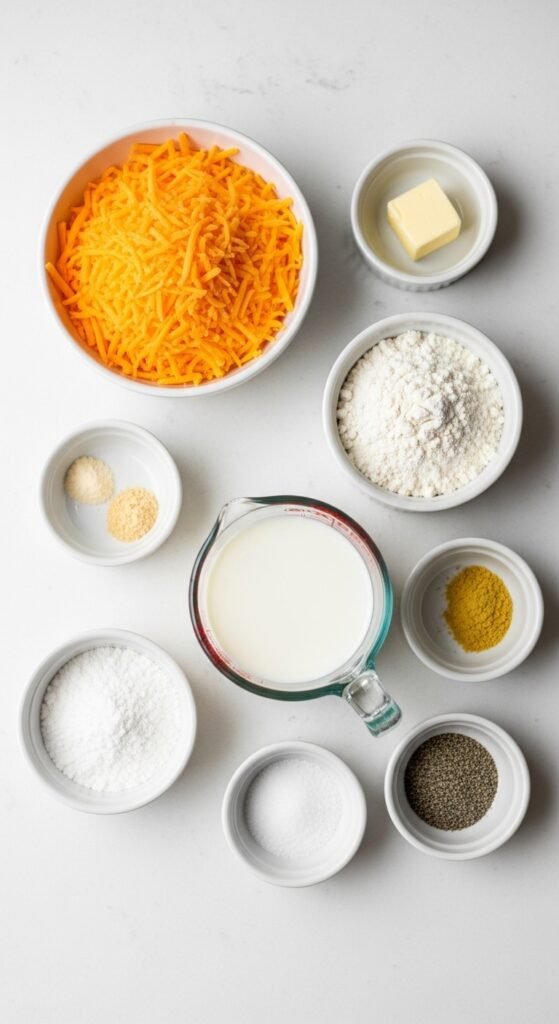
Let us cook. This cheese sauce recipe takes about 10 minutes from start to finish. Read through the entire process once before you turn on the heat.
Prep Time: 5 minutes
Cook Time: 5–7 minutes
Yield: Approximately 2 cups of sauce (serves 4–6)
Ingredients
- 4 tablespoons (½ stick) unsalted butter
- 4 tablespoons all-purpose flour
- 2 cups whole milk (warmed slightly in the microwave for 30 seconds is best)
- 2 cups freshly grated sharp cheddar cheese (about 8 ounces of block cheese)
- ½ cup freshly grated Parmesan cheese (optional but recommended for depth)
- ½ teaspoon salt (or to taste)
- ¼ teaspoon dry mustard powder
- ⅛ teaspoon cayenne pepper (optional)
- ⅛ teaspoon freshly ground black pepper
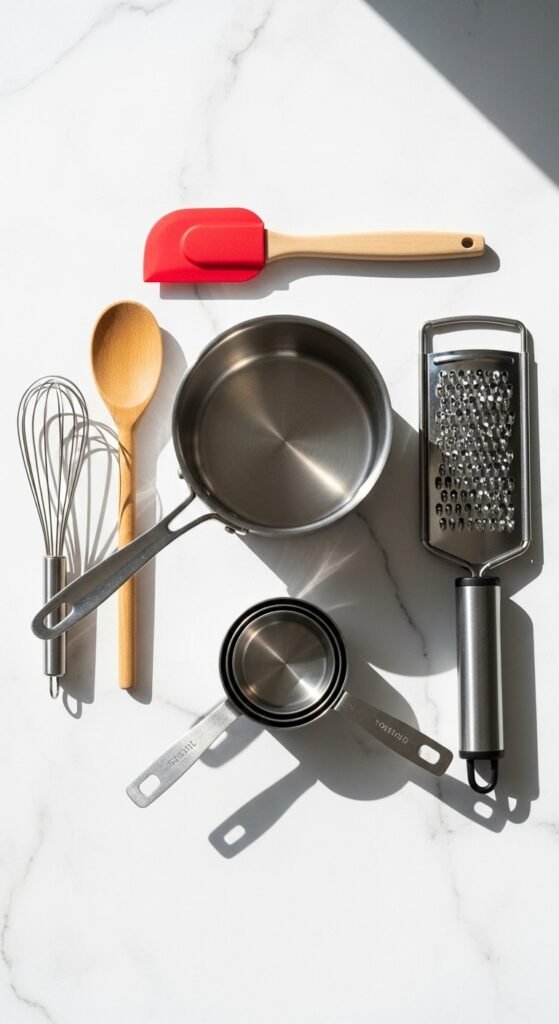
Equipment Needed
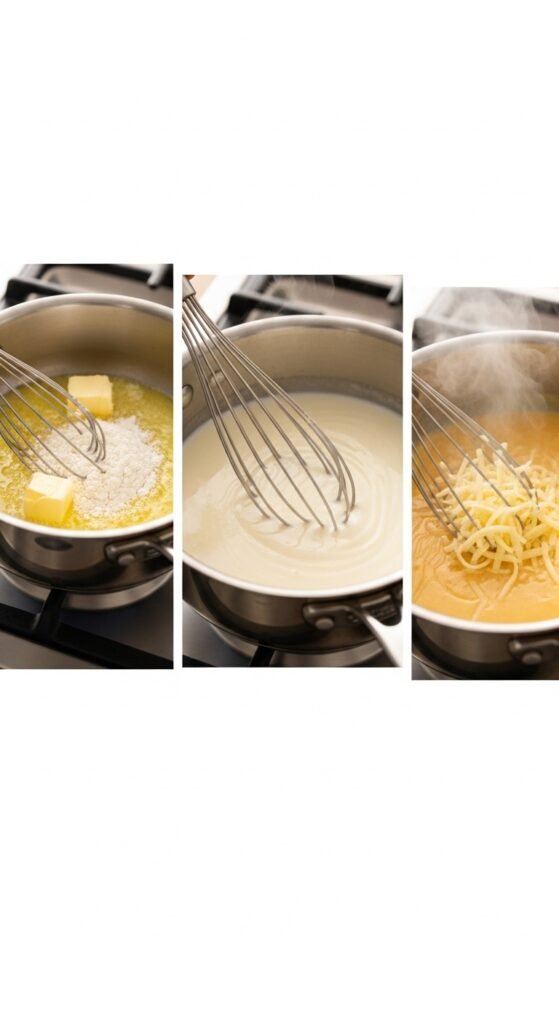
- Medium saucepan (heavy-bottomed is best)
- Whisk (a silicone or metal whisk is your best friend)
- Wooden spoon
- Box grater
The Method
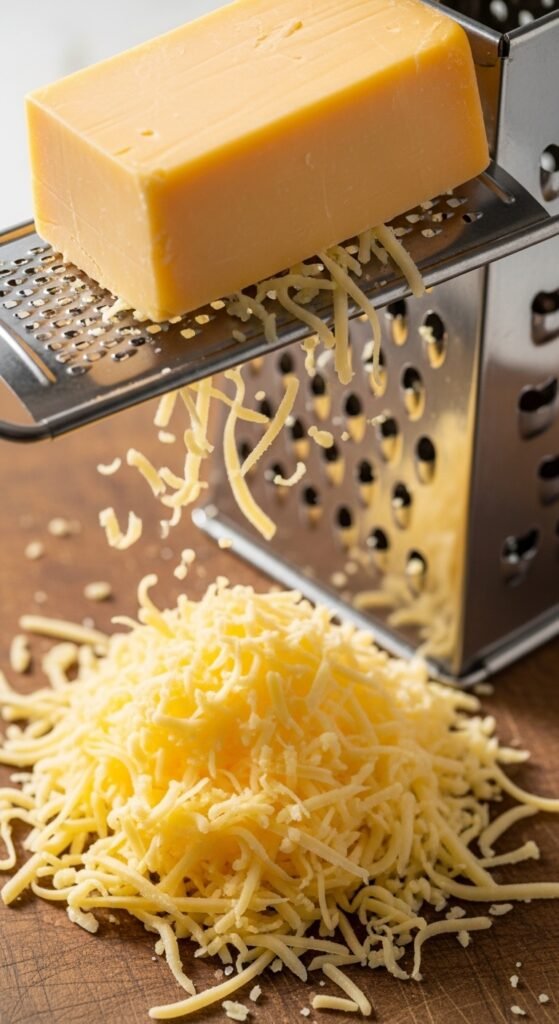
Step 1: Grate Your Cheese (Crucial!)
Take your block of cheddar and grate it on the large holes of a box grater. For Parmesan, use the fine holes. Set the cheese aside at room temperature. Cold cheese added to a warm sauce can shock the emulsion and cause clumping.
Keyword Focus: Remember, the foundation of any great cheese sauce recipe is freshly grated cheese. Do not use the bagged stuff.
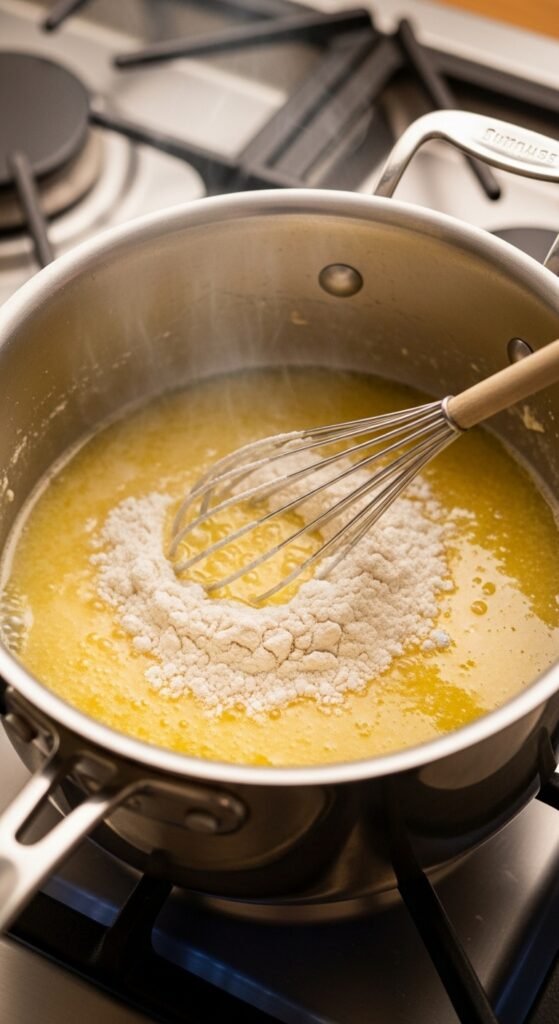
Step 2: Make the Roux
Place your saucepan over medium heat. Add the 4 tablespoons of butter. Swirl the pan as the butter melts. Watch it carefully. You want it to melt without browning (unless you want a nutty flavor, then a light brown is fine).
Once the butter is fully melted and bubbling gently, add the 4 tablespoons of flour all at once. Immediately start whisking. You are creating a paste. Cook this paste for 2 minutes. Do not skip this time. Cooking the flour removes the raw, starchy taste. You will know it is ready when it smells like toasted nuts and looks like wet sand.
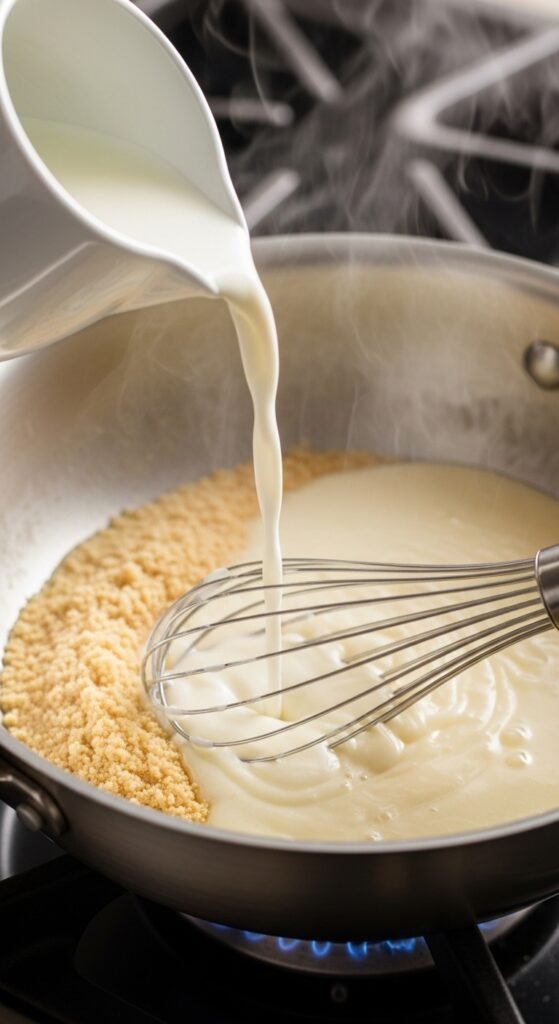
Step 3: Add the Milk
Slowly pour in the warm milk while whisking constantly. If you pour cold milk into a hot roux, it can seize and become lumpy. Warm milk prevents this.
Continue whisking vigorously. The mixture will first look like a thick paste, then it will loosen, and finally, it will become a smooth, thick liquid. This is now a béchamel sauce—the mother sauce that is the base of our cheese sauce.

Step 4: Thicken and Season
Turn the heat down to medium-low. Keep whisking. After about 3 to 4 minutes, the sauce will be thick enough to coat the back of a spoon. Run your finger down the back of the spoon. If the line holds without running, it is ready.
At this point, add the salt, dry mustard powder, cayenne pepper, and black pepper. Whisk to combine.
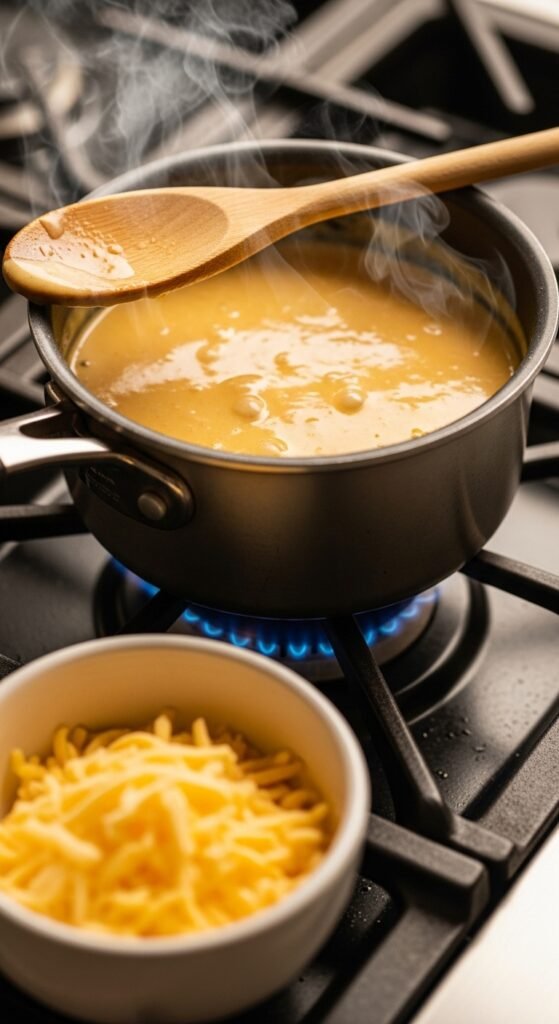
Step 5: The Cheese Melt (Low and Slow)
Turn the heat to low. Remove the pan from the heat entirely if you are nervous.
Add your grated cheddar cheese one handful at a time. Whisk gently in a figure-eight motion until the first handful is almost fully melted before adding the next. Do not rush this. High heat at this stage will cause the cheese proteins to seize and clump, giving you that grainy texture I warned you about.
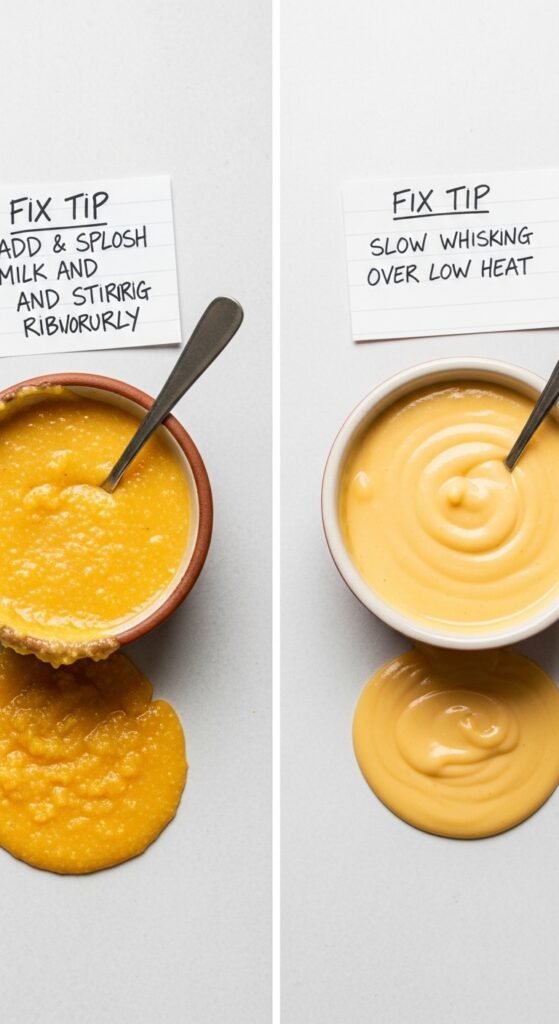
Anecdote: My friend Sarah called me once in a panic. “It’s stringy!” she yelled. I asked, “Did you have the heat on high?” She said yes. I told her to add a tablespoon of cold milk and whisk like her life depended on it. She did, and the sauce came back to life. The cold milk lowers the temperature and adds more liquid, which helps re-emulsify the sauce. It is a great rescue trick.

Step 6: Finish and Serve
Once all the cheese is melted and the sauce is glossy and smooth, taste it. Adjust the salt. If it is too thick, whisk in a splash of warm milk. If it is too thin, let it simmer on low for another minute or two.
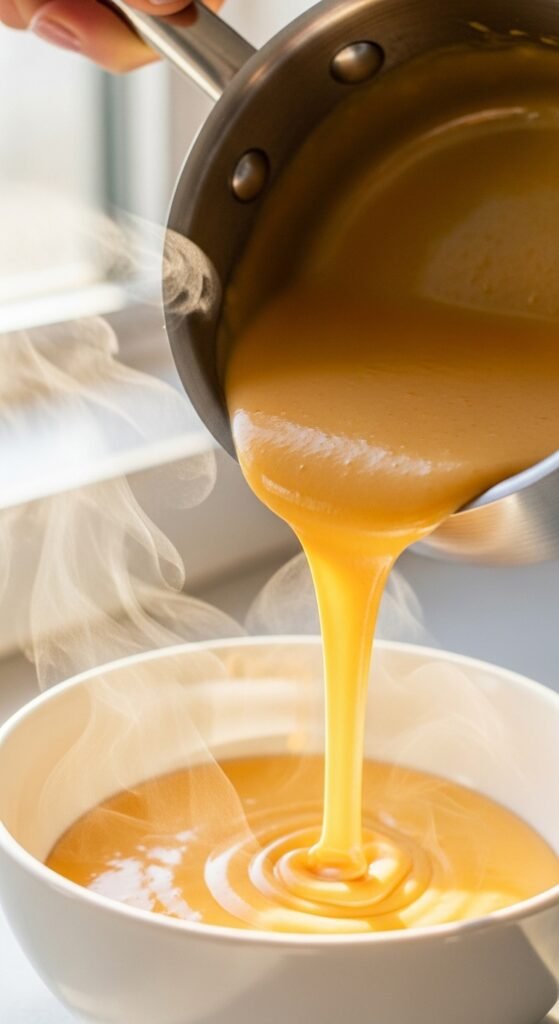
Your perfect cheese sauce recipe is done. Pour it immediately over your chosen dish.
Pro Tips for a Restaurant-Quality Cheese Sauce
Let us elevate your skills further. These tips are the difference between good and unforgettable.
1. The Keep Warm Strategy
Cheese sauce thickens as it cools. If you are making it for a party, keep it warm in a small slow cooker or a double boiler (a glass bowl set over a pot of simmering water). Stir it every 10 minutes. If a skin forms on top, do not panic. Just whisk it back in.
2. Flavor Variations

Once you master the base cheese sauce recipe, experiment:
- Spicy Jalapeño Sauce: Add 2 tablespoons of pickled jalapeño brine along with the milk. Then, finely chop two pickled jalapeños and stir them in with the cheese.
- Beer Cheese Sauce: Replace ½ cup of the milk with a light lager or ale. Add it slowly. This is incredible over bratwurst or pretzels.
- Smoky Bacon Sauce: Cook three strips of bacon until crispy. Crumble them. Use 1 tablespoon of the bacon fat to replace 1 tablespoon of the butter in the roux. Stir the crumbled bacon in at the end.
3. Fixing Common Problems (Troubleshooting Table)
| Problem | Likely Cause | The Fix |
|---|---|---|
| Grainy / Lumpy | Heat was too high when adding cheese. | Immediately remove from heat. Add 1 tbsp cold milk or cream. Whisk vigorously. |
| Too Thin | Not enough flour, or milk was too hot. | Mix 1 tbsp flour with 2 tbsp cold water to make a slurry. Whisk into the hot sauce and cook for 2 minutes. |
| Too Thick | Overcooked or cooled down. | Whisk in warm milk, one tablespoon at a time, until desired consistency returns. |
| Oily / Greasy | Cheese was over-melted or pre-shredded. | You cannot fully fix this. Use it as a dip for chips immediately. Next time, use block cheese. |
10 Delicious Ways to Use This Cheese Sauce Recipe
You have the sauce. Now, where does it go? Here is a list to spark your imagination.
- Classic Mac and Cheese: Stir the sauce into 1 lb of cooked elbow macaroni. Top with breadcrumbs and bake at 375°F for 15 minutes.
- Loaded Nachos: Pour warm sauce over tortilla chips. Top with jalapeños, black beans, and sour cream.
- Cheesy Broccoli: Steam fresh broccoli florets until bright green. Drown them in sauce.
- The Ultimate Burger: Skip the plastic American cheese. Put a generous spoonful of this cheese sauce on a hot, juicy burger patty.
- Breakfast Casserole: Pour it over hash browns, sausage crumbles, and scrambled eggs. Bake until bubbly.
- Philly Cheesesteak Sauce: Use provolone or white cheddar in your sauce. Slather it on a hoagie roll with thinly sliced steak and peppers.
- Vegetable Gratin: Layer sliced potatoes, cauliflower, or zucchini in a baking dish. Cover with cheese sauce and bake.
- Fondue Alternative: Transfer the sauce to a fondue pot. Dip bread cubes, apples, and blanched vegetables.
- Pretzel Dip: Warm soft pretzels dipped into this golden sauce is a perfect afternoon snack.
- Breakfast Quesadillas: Spread a thin layer on a tortilla, add scrambled eggs and ham. Fry until crispy.
Why You Should Buy a Cheese Sauce Kit vs. Making from Scratch
At this point, you might be thinking: This sounds amazing, but I am busy. Why should I buy a powdered mix or a jar?
Let me be brutally honest. I have tested every major brand of jarred cheese sauce and powdered mix. The powdered stuff tastes like chemicals and salt. The jarred nacho cheese often contains more oil than cheese. They are stable on a shelf for a year because they are barely food.
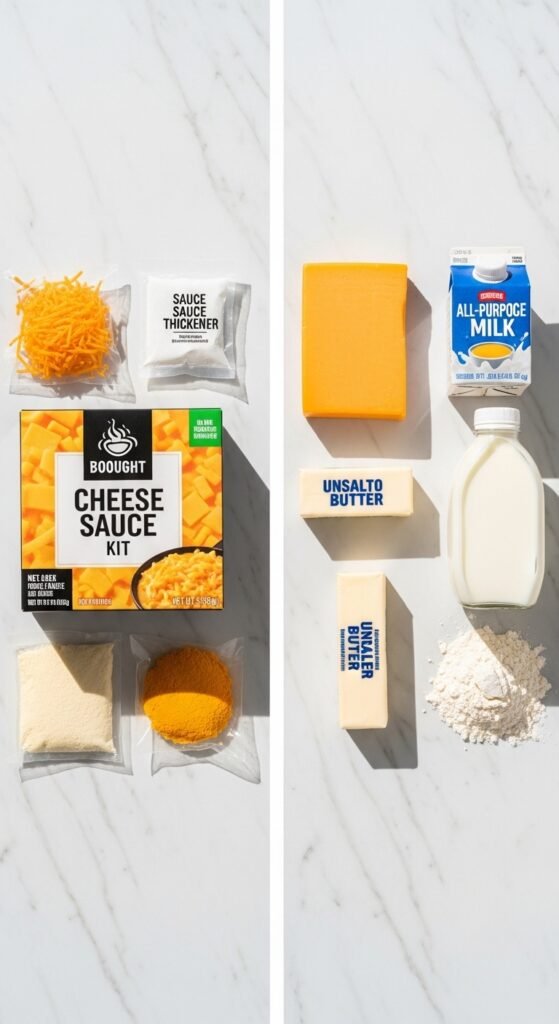
However, I understand the convenience argument. That is why I recommend you buy a high-quality cheese melting kit or a cheese sauce base from a reputable gourmet supplier. Look for a product that contains real cheese, butter, and milk powder—no artificial preservatives.
What to look for when buying:
- Short ingredient list: If you cannot pronounce it, do not buy it.
- Requires fresh milk: The best kits ask you to add fresh milk, meaning the core cheese blend is pure.
- No vegetable oils as the first ingredient: Cheese should be first.
My personal recommendation: I have used the Gourmet Cheese Sauce Starter from Vermont Creamery and the Cheddar Sauce Mix from King Arthur Baking Company. Both are excellent. They cut the prep time down to 3 minutes but still taste 95% as good as homemade.
The Emotional Argument: Why Homemade (or Quality Bought) Matters
Food is memory. My grandmother used to make a cheese sauce for Sunday dinners. She never measured anything. She used a rusty old whisk and a pan that looked like it survived a war. Her sauce was never perfectly smooth. Sometimes it had a lump. But it was love.
When you make this recipe—or buy a high-quality version—you are not just eating calories. You are creating a moment. You are the person who makes Tuesday night feel special. You are the hero who turns steamed vegetables into a victory.
Furthermore, cooking with your own hands builds confidence. The first time you successfully make a roux, you will feel like a wizard. The first time you watch grainy pre-shredded cheese fail, you will feel smart for knowing better.
Anecdote: Last Thanksgiving, I brought a vat of this cheese sauce to my in-laws’ house. They were traditionalists. They looked at the pot of orange liquid with suspicion. Then, my father-in-law dipped a piece of roast turkey into it. His eyes widened. “What IS this?” he asked. He then proceeded to pour it over his mashed potatoes, his stuffing, and even his green bean casserole. He asked for the recipe three times.
That is the power of a great cheese sauce. It converts skeptics. It comforts the weary. It delights the hungry.
Common Myths About Cheese Sauce – Busted!
Let us clear up some internet misinformation.
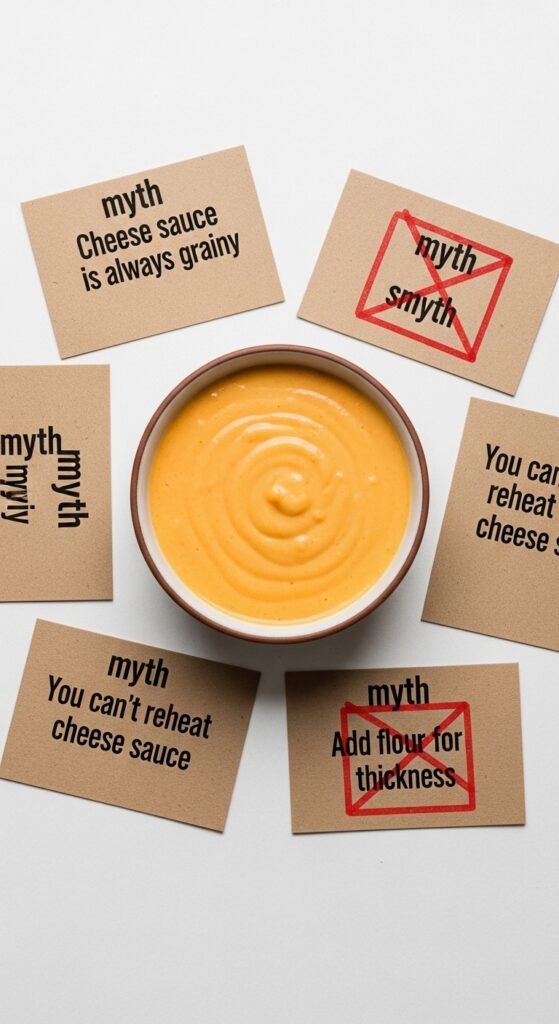
- Myth #1: You must use expensive artisanal cheese.
Truth: A standard block of medium cheddar from the grocery store works perfectly. Save the expensive aged Gouda for eating on crackers. The melting properties of standard block cheese are excellent. - Myth #2: You cannot reheat cheese sauce.
Truth: You absolutely can. Reheat it gently in a saucepan over low heat, adding a splash of milk and stirring constantly. The microwave works too, but use 50% power in 20-second bursts. - Myth #3: Adding wine will always break the sauce.
Truth: Alcohol can actually help emulsification. Just add the wine before the milk so the alcohol cooks off slightly. - Myth #4: All cheese melts the same.
Truth: No. Young, moist cheeses (mozzarella, fontina, jack) melt beautifully. Old, hard, dry cheeses (aged Parmesan, Pecorino) do not melt well on their own. Always pair a hard cheese with a good melting cheese.
Read also: 16 Quick Cooking Recipes for Hectic Days: Your Ultimate Guide to Delicious, 30-Minute Meals
Advanced Variation: The Sodium Citrate Cheese Sauce Recipe (For Enthusiasts)
If you want a cheese sauce that is impossibly smooth, stretchy like Velveeta, but made with real fancy cheese, you need sodium citrate. It is a salt derived from citric acid. It costs about $10 for a bag that lasts two years.
Ingredients:
- 1 cup liquid (water, milk, or beer)
- 1 teaspoon sodium citrate
- 2 cups freshly grated cheese (any kind)
Method:
Bring the liquid and sodium citrate to a simmer. Turn off the heat. Add all the cheese at once. Whisk. That is it. No roux. No flour. No graininess. It is pure magic. This is the secret most high-end restaurants use for their beer cheese or lobster mac.
I include this not to overwhelm you but to show you that the world of cheese sauce is deep and fascinating. You can spend a lifetime perfecting it.
Frequently Asked Questions (FAQ)
Q: Can I freeze leftover cheese sauce?
A: Technically, yes. Practically, the texture changes. The starches break down, and it becomes watery when thawed. If you must freeze it, reheat it with fresh milk and a pat of butter while whisking hard. I recommend only making what you will eat in 3 days.
Q: Is this recipe gluten-free?
A: Not as written. However, you can substitute the all-purpose flour with a gluten-free flour blend (like Cup4Cup) or cornstarch. If using cornstarch, use 2 tablespoons mixed with cold water instead of the roux method. Add it at the end.
Q: Why is my sauce stringy instead of smooth?
A: This usually happens with mozzarella or other high-moisture, low-fat cheeses. Alternatively, you over-stirred the cheddar. Cheddar contains long protein strands. Stir just until melted. Do not overwork it.
Q: How long does this sauce last in the fridge?
A: Stored in an airtight container, it lasts for 4 to 5 days. The top will form a skin. Simply peel it off or whisk it back in when reheating.
Q: Can I make this vegan?
A: Yes, but it is different. Use vegan butter, oat milk (barista edition for fat), and high-quality vegan cheddar shreds. Note that vegan cheese behaves differently, so you might need a bit more flour.
Final Thoughts and Your Call to Action
We have traveled a long road together. We have gone from a grainy disaster in a tiny apartment to a silky, golden sauce that can elevate any dish. You now understand the roux, the importance of block cheese, the secret of dry mustard, and how to rescue a broken sauce.
The only thing left is for you to do it.
Do not be afraid of failure. Remember my story? I failed spectacularly. But every great cook is just someone who failed and then tried again. Your first cheese sauce might not be perfect. It might be a little thick or a little thin. That is okay. It will still be delicious. With practice, you will be able to make it in your sleep.
So, here is my request. Do not just bookmark this article. Do not just pin the picture. Go to your kitchen right now. Check your fridge. Do you have butter? Flour? Milk? A block of cheddar?
If you are missing an ingredient, go buy it. For the absolute best results with zero guesswork, buy the Sodium Citrate Starter Pack or the Gourmet Cheese Sauce Kit from a trusted retailer. It comes with exactly the right amount of specialty ingredients and a recipe card. It takes the risk out of your first attempt. It is a small investment that guarantees a restaurant-quality result every single time.
You deserve meals that excite you. You deserve to be the person who makes the best nachos, the creamiest mac, and the most decadent vegetables on the block.