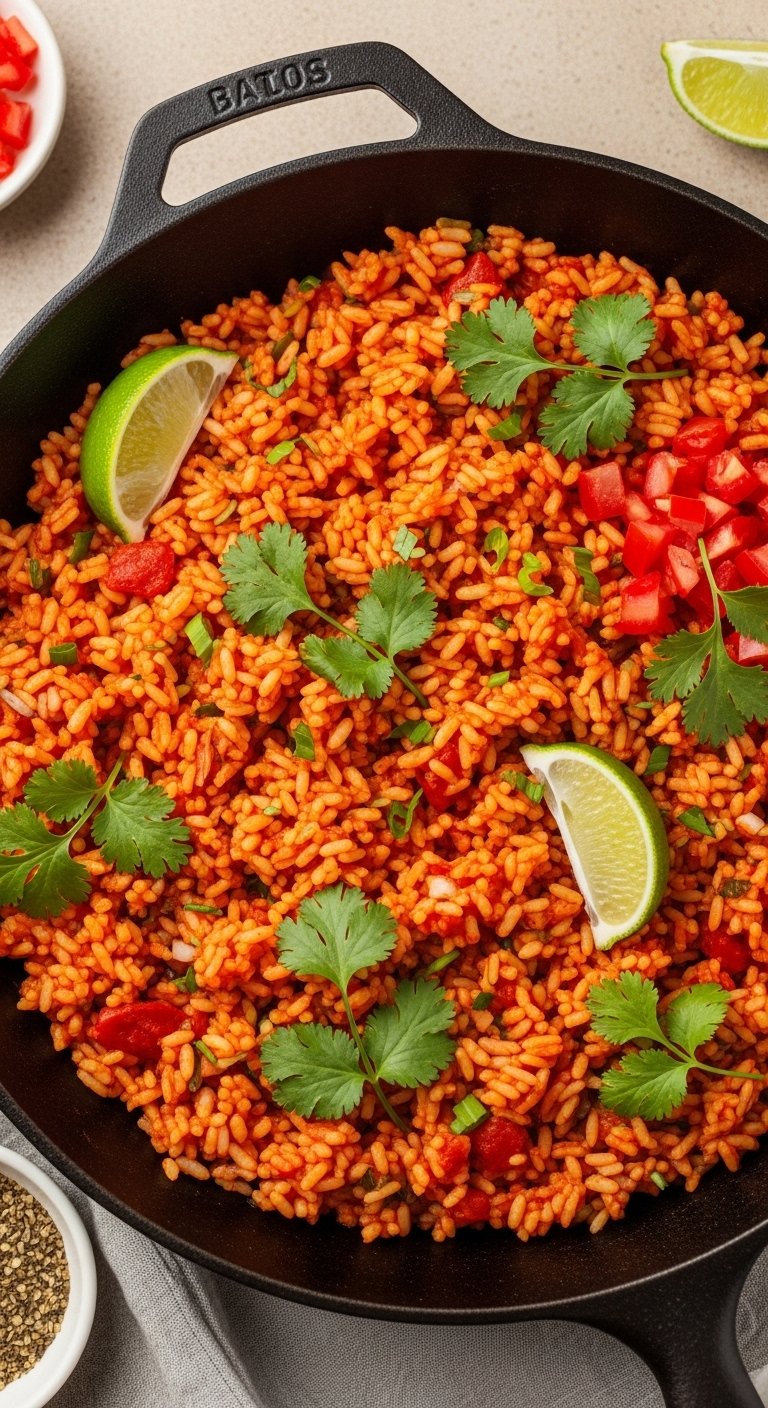
There’s something magical about the aroma of Spanish rice simmering on the stove. The rich, earthy scent of toasted rice mingling with garlic, onions, and ripe tomatoes wafts through the kitchen, instantly transporting you to a cozy family dinner or a lively fiesta. I still remember the first time I truly fell in love with authentic Spanish rice. It wasn’t at a restaurant or a fancy gathering—it was in my Abuela’s tiny, sunlit kitchen, where she’d stir a big clay pot with a wooden spoon, humming old melodies under her breath. That day, she taught me that the best homemade Spanish rice isn’t just a side dish; it’s a story, a tradition, and a labor of love.
Now, I’m going to share everything I’ve learned with you. By the end of this article, you won’t just know how to follow a Spanish rice recipe—you’ll understand the why behind each step, the little secrets that elevate it from bland to brilliant, and how to make it your own. Plus, I’ll show you exactly which kitchen tools and ingredients will guarantee success every single time, so you can buy with confidence and cook with joy.
Let’s dive in.
Why This Spanish Rice Recipe Will Become Your Go-To
First things first: what exactly is Spanish rice? Contrary to what some believe, it’s not simply rice with a packet of seasoning. True authentic Spanish rice (often called arroz rojo or arroz a la mexicana in many regions) is a beautifully balanced dish where long-grain rice is first toasted in oil or lard, then simmered in a broth infused with tomatoes, garlic, onions, and spices. The result? Each grain is separate, tender but not mushy, and bursting with savory, slightly smoky flavor.
Over the years, I’ve tested dozens of variations. I’ve burned batches, under-seasoned others, and once accidentally used tomato sauce instead of broth (spoiler: it was a sticky mess). But through those happy accidents, I developed this foolproof easy Spanish rice recipe that works for beginners and seasoned cooks alike.
Here’s why you’ll love it:
- It’s forgiving: Even if you’re new to cooking, the step-by-step method guides you through.
- It’s versatile: Serve it alongside tacos, enchiladas, grilled chicken, or beans. Or eat it alone with a fried egg on top (trust me on this).
- It’s economical: Most ingredients are pantry staples.
- It’s deeply satisfying: That first forkful—fragrant, colorful, and comforting—will make you proud you made it from scratch.
The Secret to Restaurant-Quality Spanish Rice at Home
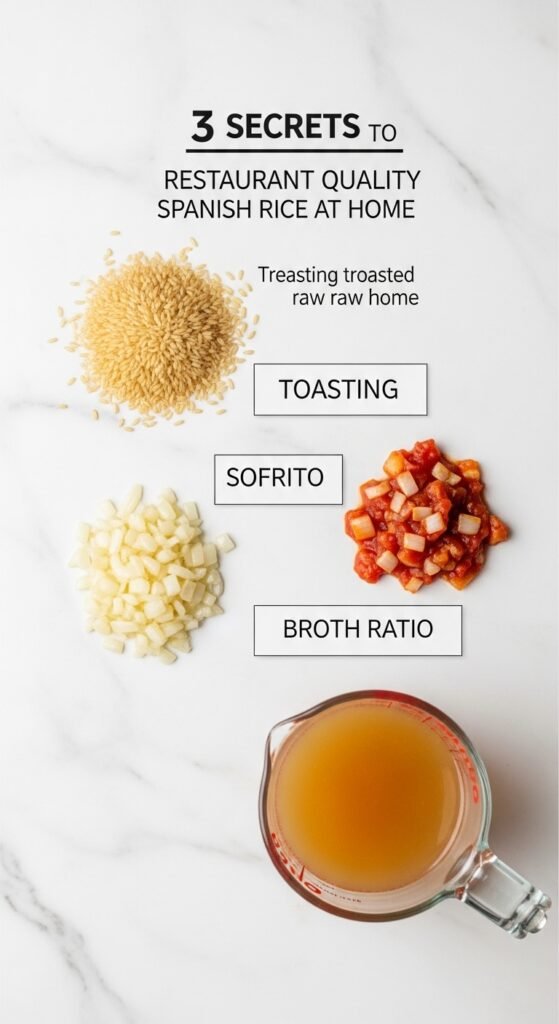
What separates average Spanish rice from the unforgettable kind? Three things: toasting the rice, using fresh aromatics, and the right liquid-to-rice ratio. I learned this lesson the hard way. One evening, I was rushing to make dinner for friends. I skipped toasting the rice because I thought it was an unnecessary step. Big mistake. The rice turned out pale, gluey, and flavorless. My friend politely asked, “Is this… risotto?” Mortifying.
From that day on, I never skip the toasting. When you toast the rice in hot oil until it turns golden and smells nutty, you’re doing two critical things: first, you’re sealing the outer layer so the grains stay separate during simmering. Second, you’re developing a deep, toasty flavor that plain boiled rice can never achieve. That’s the foundation of any great homemade Spanish rice.
The Anatomy of Perfect Spanish Rice
Before we get to the step-by-step, let’s break down the key players in this Spanish rice recipe:
| Ingredient | Role | Pro Tip |
|---|---|---|
| Long-grain white rice | The base | Jasmine or basmati work, but traditional is standard long-grain |
| Tomato sauce or fresh tomatoes | Color & tang | Use canned tomato sauce for consistency; fresh Roma tomatoes are great too |
| Garlic & onion | Aromatic backbone | Don’t skimp—fresh is non-negotiable |
| Chicken or vegetable broth | Depth of flavor | Low-sodium broth lets you control salt |
| Cumin & chili powder | Warmth & smokiness | Toast them briefly in the oil for extra punch |
| Oil or lard | For toasting | Lard gives authentic richness; vegetable oil works fine |
| Salt & pepper | Balance | Season in layers, not all at once |
Now, you might be wondering: Can I add peas, corn, or carrots? Absolutely. Many family-style Spanish rice recipes include mixed vegetables. I’ll show you when and how to add them later.
Step-by-Step Guide to the Best Easy Spanish Rice Recipe

This section is your roadmap. I’ve broken it down into tiny, manageable steps so you can follow along without feeling overwhelmed. Grab your ingredients, take a deep breath, and let’s cook.
Step 1: Gather Your Tools and Ingredients
You don’t need fancy equipment, but having the right tools makes a world of difference. Here’s what I recommend:
- A heavy-bottomed pot or Dutch oven (even heat distribution prevents burning)
- A fine-mesh strainer (for rinsing rice)
- A wooden spoon (gentle on rice grains)
- Measuring cups and spoons
- A fork (for fluffing at the end)
For ingredients (serves 4-6):
- 2 cups long-grain white rice
- 3 tablespoons vegetable oil (or lard)
- 1 small onion, finely diced
- 3 cloves garlic, minced
- 1 can (8 oz) tomato sauce (or 2 fresh Roma tomatoes, blended)
- 3 cups low-sodium chicken broth
- 1 teaspoon ground cumin
- 1 teaspoon chili powder (optional, for heat)
- 1 teaspoon salt (adjust to taste)
- ¼ teaspoon black pepper
- Optional: ½ cup frozen peas and carrots
Anecdote time: The first time I made this for my husband, I forgot the cumin entirely. He took a bite, chewed thoughtfully, and said, “It’s good, but… is it supposed to taste like plain tomatoes?” Now, I keep cumin in a labeled jar right next to my stove. Learn from my mistake!
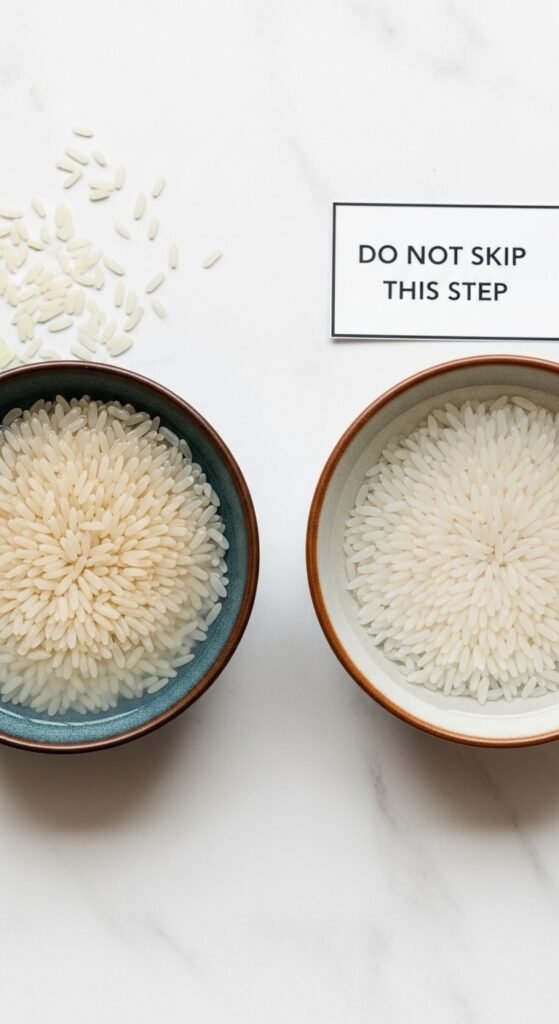
Step 2: Rinse the Rice – Do Not Skip This!
Place your 2 cups of rice in a fine-mesh strainer and rinse under cool running water. Swirl it with your fingers until the water runs clear instead of cloudy. This removes excess starch, which is the #1 cause of gummy, sticky Spanish rice.
Why it matters: When I first started cooking, I thought rinsing was a waste of time. My rice always turned into a clumpy mess. Then a chef friend explained that surface starch acts like glue. Now I rinse religiously, and my rice is perfectly fluffy every time.
The Best Tartar Sauce Recipe: Your Ultimate Guide to Creamy, Tangy Perfection
Step 3: Toast the Rice to Golden Perfection
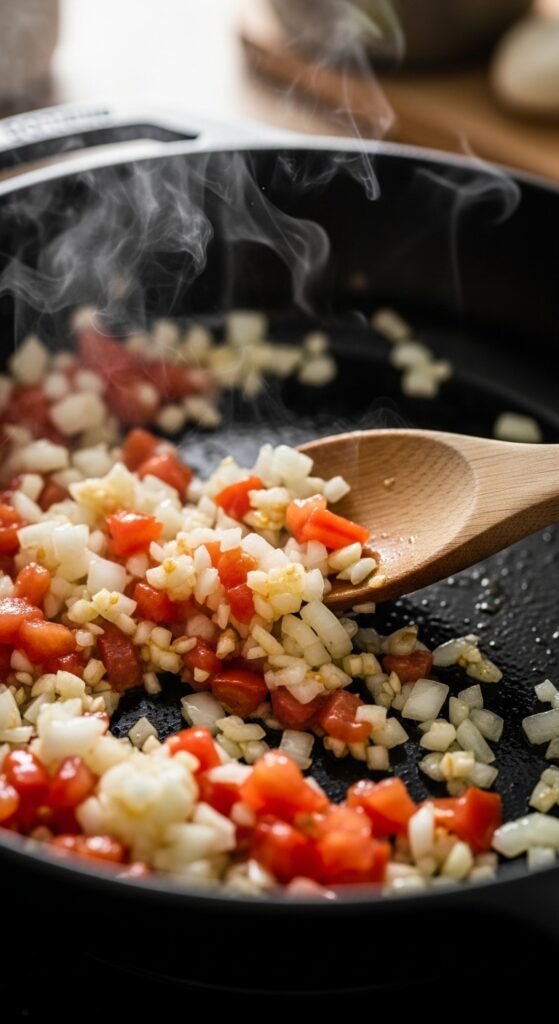
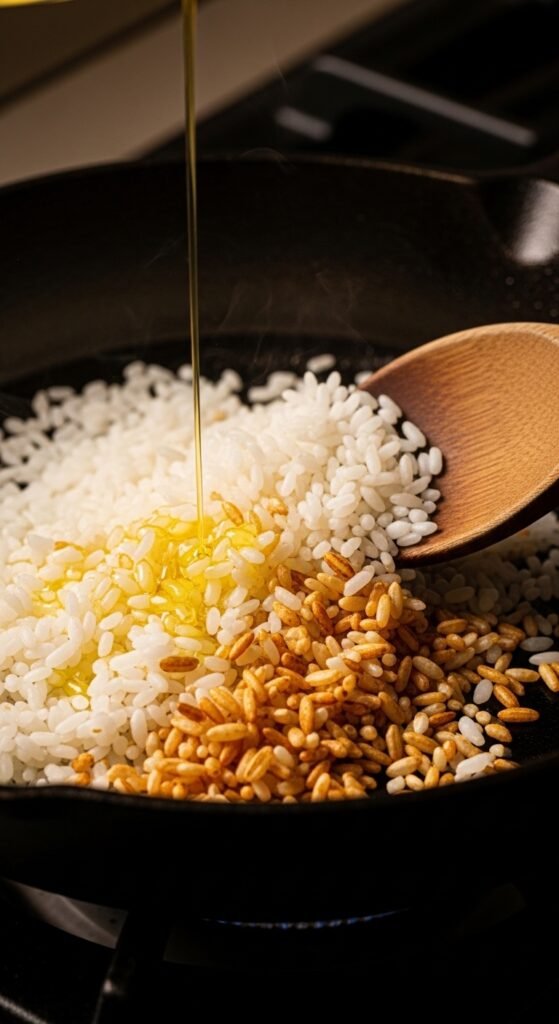
Heat your pot over medium heat. Add 3 tablespoons of oil. Once the oil shimmers (but not smoking), add the rinsed rice. Stir constantly with a wooden spoon for about 4-6 minutes.
What to look for: The rice will transform from chalky white to a pale golden color. Some grains might look slightly translucent at the edges. You’ll also smell a wonderful nutty aroma—that’s the signal to move to the next step.
Common pitfall: If the rice starts browning too quickly, reduce the heat. You want a gentle toast, not burnt bits.
Step 4: Build the Flavor Base – Sofrito

Push the toasted rice to one side of the pot. Add a tiny splash more oil if needed, then toss in your diced onion. Sauté for 2 minutes until soft and translucent. Add the minced garlic and cook for 30 seconds until fragrant—garlic burns fast, so watch closely.
Now stir everything together. The onion and garlic will mingle with the toasted rice, creating what’s called a sofrito—the aromatic foundation of countless authentic Spanish rice recipes.
Step 5: Add Tomato and Spices
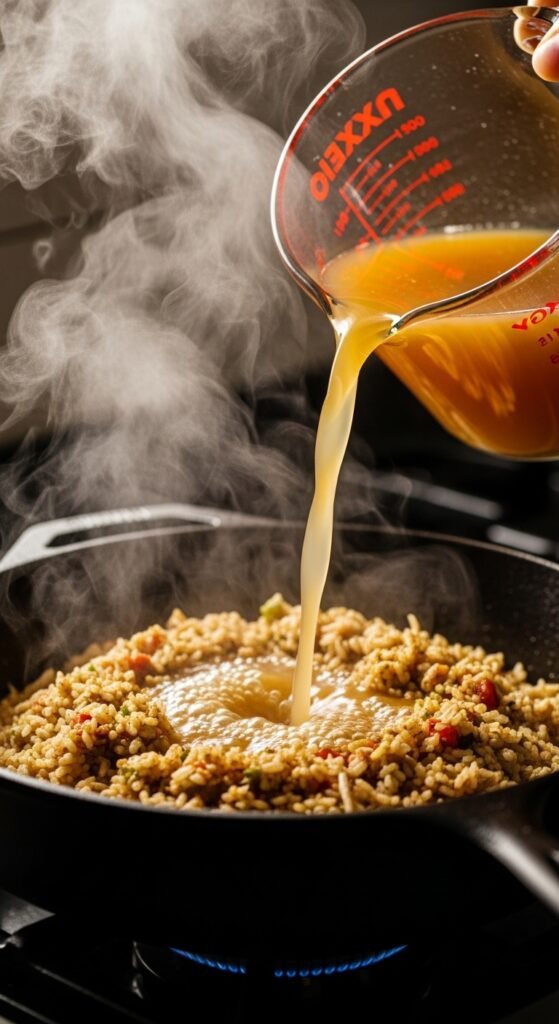
Pour in the tomato sauce (or blended fresh tomatoes) and sprinkle in the cumin, chili powder, salt, and pepper. Stir well to coat every grain. Cook for 1-2 minutes, allowing the tomato to caramelize slightly. This deepens the color from bright red to a rich, rusty orange.
Pro tip: If you want a smoky, slightly spicy kick, add ½ teaspoon of smoked paprika along with the cumin. It’s not traditional in every region, but it’s absolutely delicious.
Step 6: Pour in the Broth – The Moment of Truth
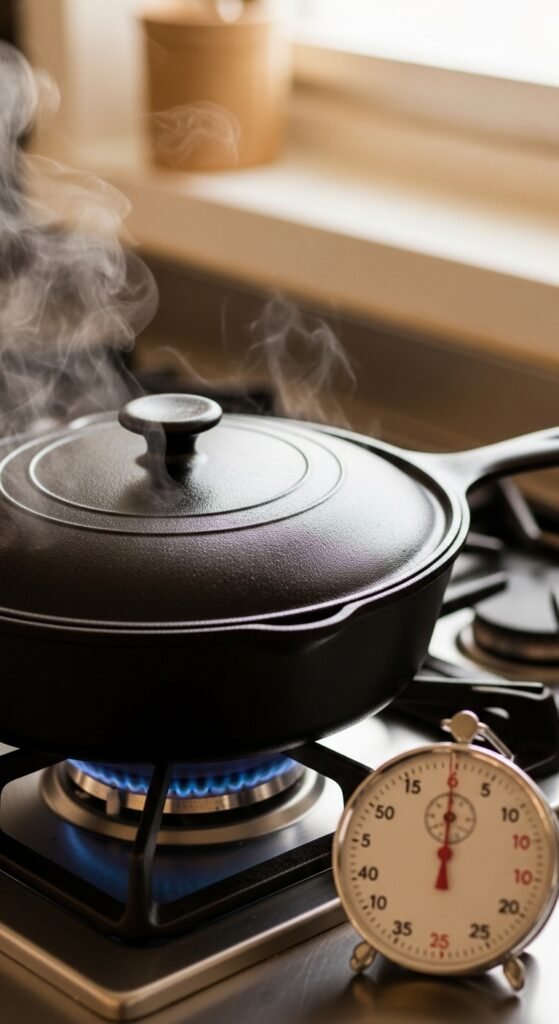
Slowly add the 3 cups of chicken broth. Stir once to combine, then stop stirring. Yes, you read that right. From this point on, do not stir the rice while it cooks. Stirring releases starch and makes it mushy. Trust the process.
Bring the liquid to a boil over high heat. Once boiling, reduce the heat to low, cover the pot with a tight-fitting lid, and let it simmer.
Step 7: Simmer Patiently

Let the rice cook undisturbed for 18-20 minutes. Resist the urge to peek! Every time you lift the lid, steam escapes, which changes the cooking temperature and can lead to undercooked or uneven rice.
What’s happening inside: The liquid is being absorbed, and the steam is gently cooking each grain. The tomato and spices are infusing every bite. It’s like a little flavor party in there.
Step 8: Fluff and Rest
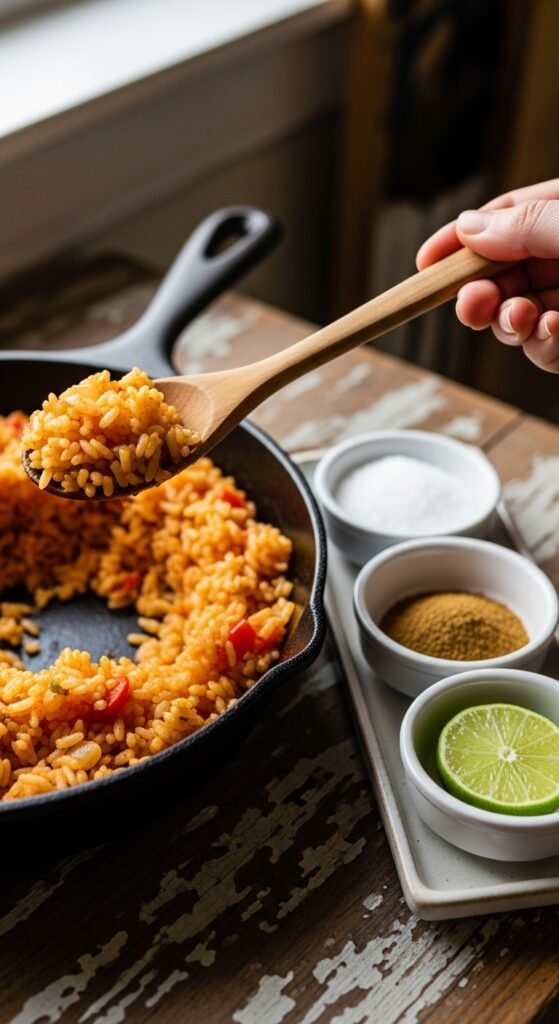
After 18 minutes, turn off the heat. Remove the lid and take a look. The liquid should be fully absorbed, and you’ll see small “craters” on the surface of the rice. Place the lid back on and let it rest for 5-10 minutes. This resting period allows the residual steam to finish cooking the rice without making it soggy.
Finally, take a fork (not a spoon—a fork separates grains better) and gently fluff the rice from the edges toward the center. If you’re adding frozen peas and carrots, now’s the time to toss them in while the rice is hot; they’ll warm through in a minute.
Step 9: Taste and Adjust
Scoop a small spoonful. Is it seasoned well? Does it need a pinch more salt? A squeeze of lime? A sprinkle of fresh cilantro? This is your moment to customize.
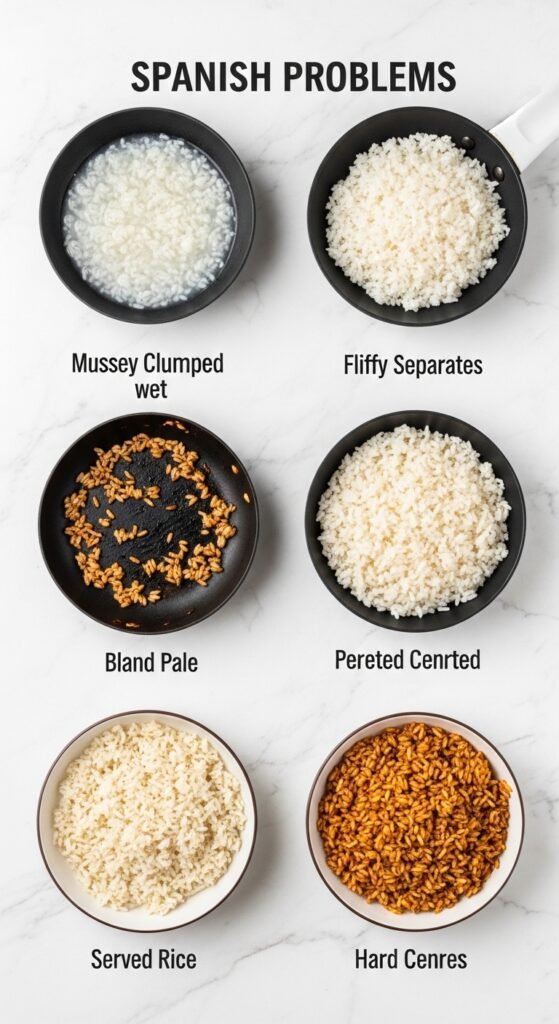
Troubleshooting Common Spanish Rice Problems
Even with a perfect Spanish rice recipe, things can go sideways. Here’s how to fix the most common issues:
| Problem | Likely Cause | Solution |
|---|---|---|
| Mushy or sticky rice | Too much liquid, or rice wasn’t rinsed | Next time, reduce broth by ¼ cup and rinse thoroughly. For now, spread on a baking sheet to dry slightly. |
| Burnt bottom layer | Heat too high or pot too thin | Use a heavy-bottomed pot next time. The top layer is still fine—serve around the burnt part. |
| Undercooked, crunchy rice | Not enough liquid or lid wasn’t sealed | Add 2 tablespoons of hot broth or water, cover, and cook on low for 5 more minutes. |
| Bland flavor | Not enough salt or skipped toasting | Stir in a spoonful of tomato bouillon or a pinch of garlic salt. Next time, don’t skip toasting! |
| Pale color | Not enough tomato or tomato wasn’t cooked down | Add a tablespoon of tomato paste next time for deeper color. |
Anecdote: Last Thanksgiving, my cousin called me in a panic. Her Spanish rice was a gluey disaster. She’d used short-grain sushi rice by accident. I talked her through turning it into a creamy “arroz caldoso” (soupy rice) by adding more broth and serving it like a porridge with crispy onions on top. Her family loved it. The point? Even “mistakes” can be delicious if you adapt.
7 Secrets to Elevate Your Homemade Spanish Rice
Once you’ve mastered the basic Spanish rice recipe, try these upgrades:
1. Use Lard for Authenticity

If you’re not vegetarian, try replacing vegetable oil with rendered lard (find it in the ethnic aisle or butcher shop). Lard gives a silky mouthfeel and a subtle savory note that oil can’t match. My Abuela swore by it, and honestly, she was right.
2. Add Tomato Bouillon

A teaspoon of caldo de tomate (tomato-flavored bouillon powder) stirred into the broth adds incredible umami. Just reduce the added salt since bouillon is salty.
3. Char Your Tomatoes First
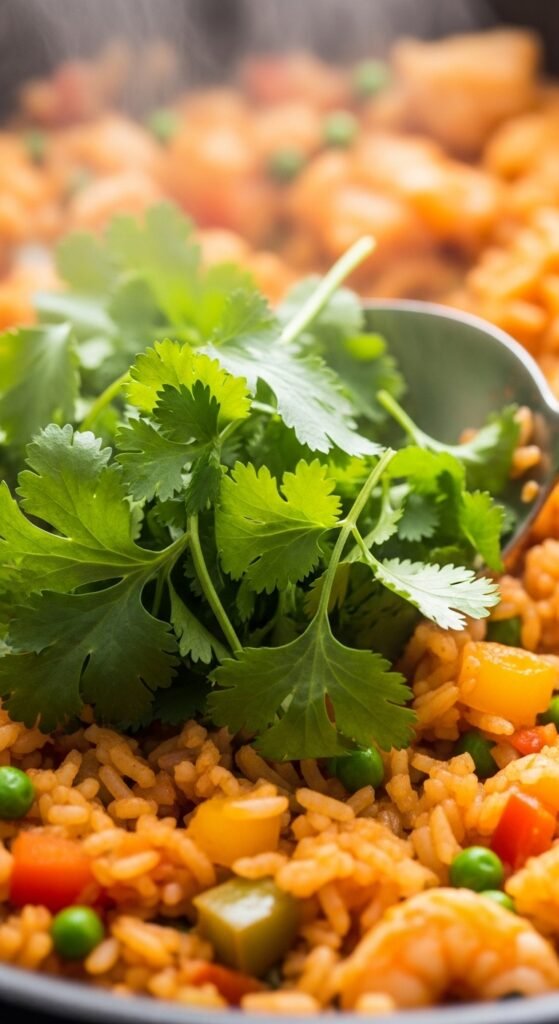
For a smoky, rustic flavor, roast 2 Roma tomatoes on a dry skillet until skins blacken, then blend with a small piece of onion and garlic. Use this instead of canned tomato sauce.
4. Stir in Fresh Herbs at the End
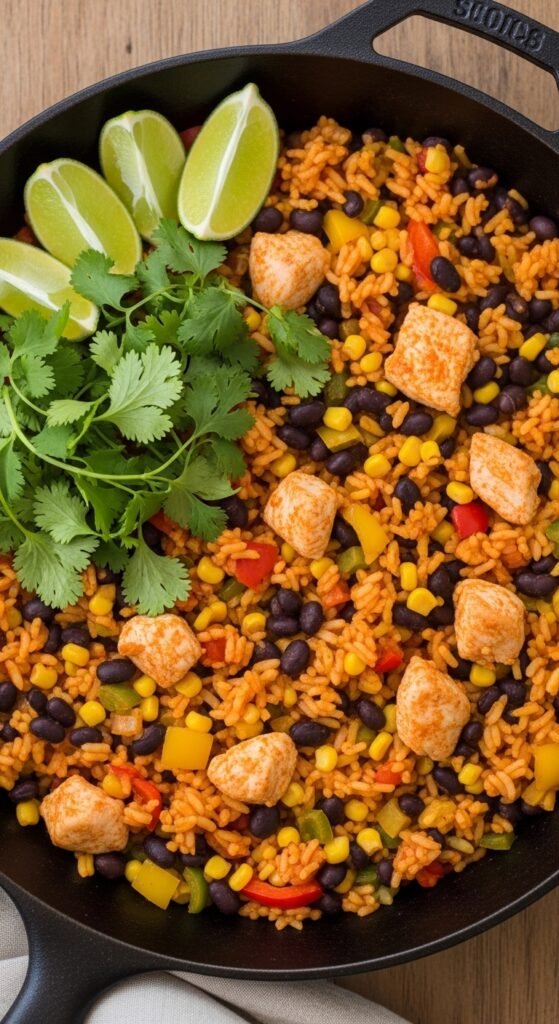
Cilantro and flat-leaf parsley brighten the dish. Chop them finely and sprinkle right before serving.
5. Make It a One-Pot Meal
Add 1 cup of cooked shredded chicken or chorizo along with the broth. Stir in a can of drained black beans at the end. Now you’ve got a complete dinner.
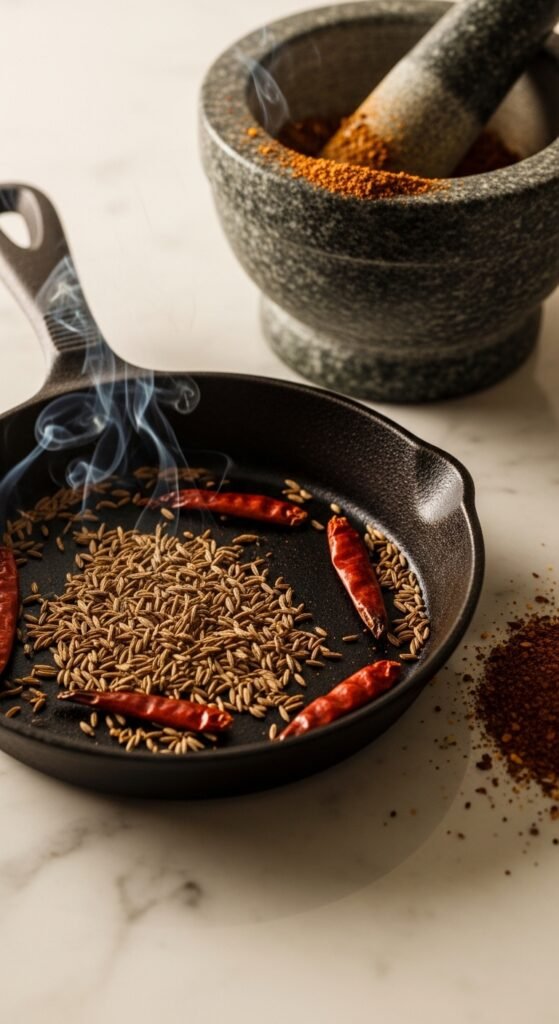
6. Toast Your Spices
Before adding the rice, toast the cumin and chili powder in the hot oil for 30 seconds. This releases their essential oils and intensifies flavor dramatically.
7. Finish with Citrus
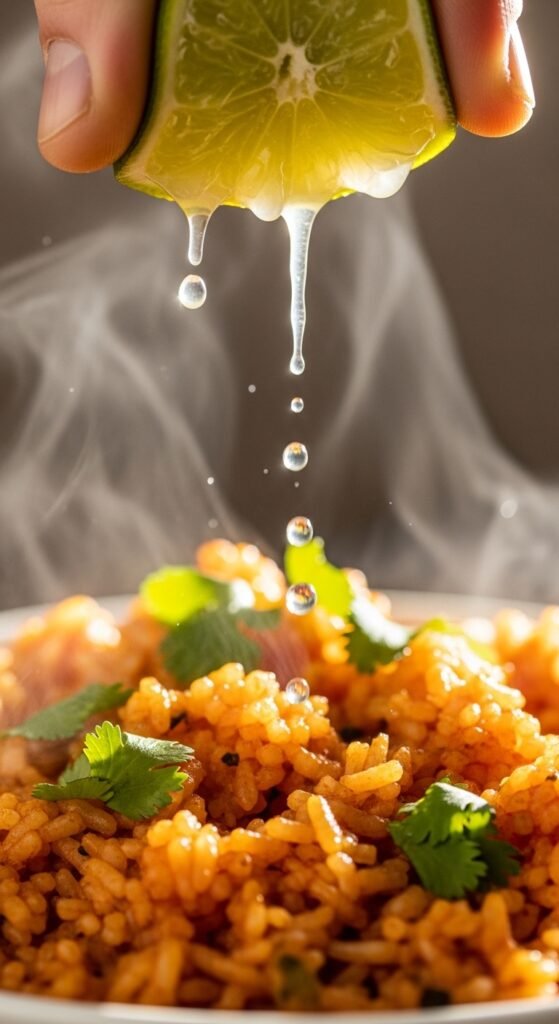
A generous squeeze of fresh lime juice just before serving cuts through the richness and makes everything pop. Lemon works too, but lime is traditional.
What to Serve with Spanish Rice
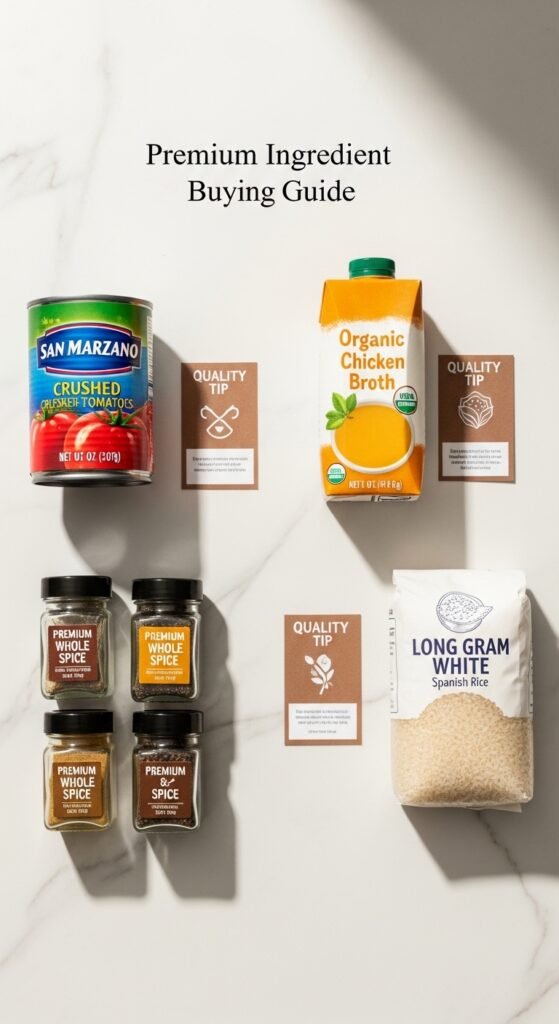
Spanish rice is incredibly versatile. Here are some classic pairings:
- With beans: Serve alongside refried beans or black beans for a complete protein.
- In burritos or tacos: Use as a filling with grilled veggies, meat, or cheese.
- Under grilled chicken or fish: The rice soaks up juices beautifully.
- As a stuffing: For bell peppers, zucchini boats, or even tomatoes.
- Breakfast style: Top with a fried egg, avocado slices, and hot sauce.
My personal favorite? Leftover Spanish rice the next morning, cold, straight from the fridge with a dollop of sour cream and a few dashes of Cholula. Don’t knock it till you’ve tried it.
Why You Should Buy High-Quality Ingredients (And What to Look For)
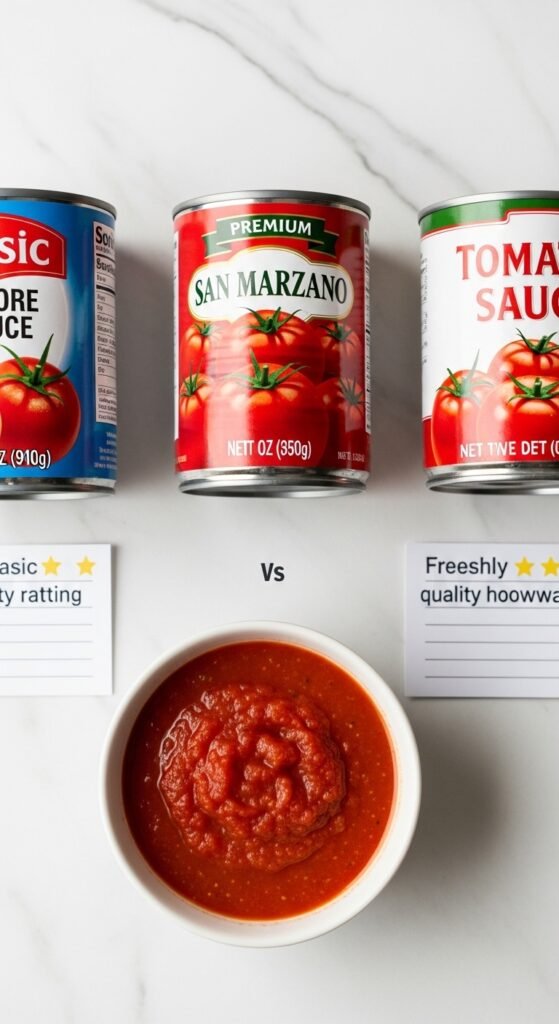
Now, let’s talk about shopping. You might be tempted to grab the cheapest rice or generic tomato sauce. But after making this Spanish rice recipe dozens of times, I can tell you: quality ingredients matter.
Here’s what to buy with confidence:
The Rice
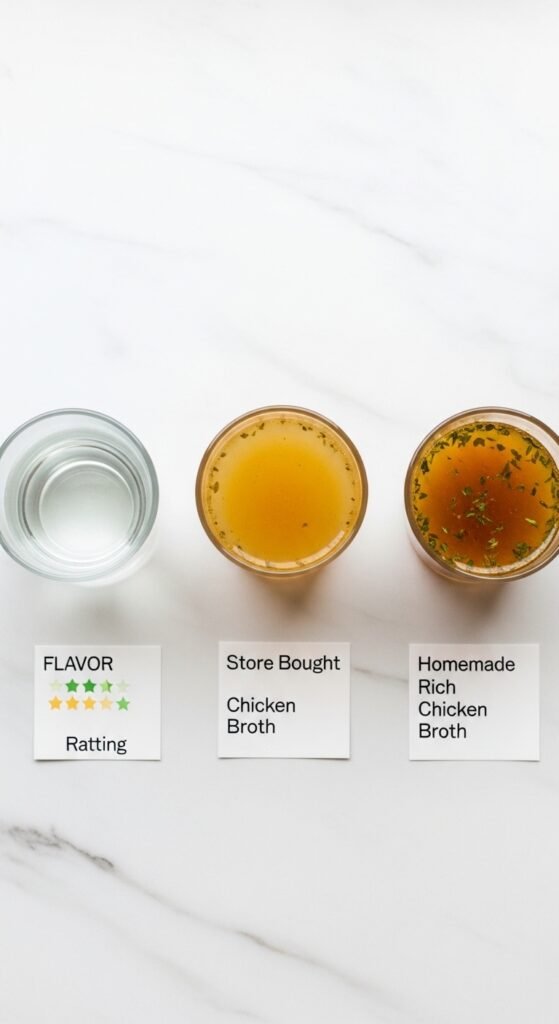
Look for long-grain white rice from brands like Mahatma, Carolina, or Goya. Avoid “minute rice” or parboiled varieties—they have different starch contents and won’t toast properly. If you want to go premium, jasmine rice adds a lovely floral note, though it’s not traditional.
The Tomato Sauce
Choose a can with no added sugar or preservatives. Hunt’s or Muir Glen are solid choices. Or better yet, buy Roma tomatoes and make your own sauce. They’re meaty, less watery, and have that classic sweet-tart balance.
The Broth
Swanson or Kitchen Basics low-sodium chicken broth are my go-to. Homemade broth is even better, but boxed is fine. Never use water alone—you’ll lose all that savory depth.
The Spices
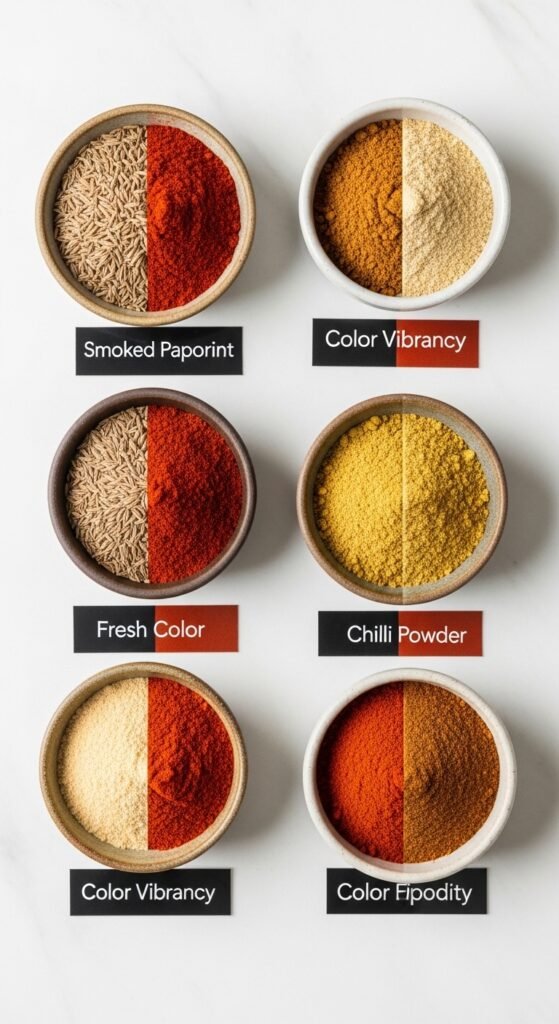
Freshness is key. Smell your cumin before buying; it should be earthy and warm, not dusty. Badia and Simply Organic offer great value. Replace ground spices every 6 months for best results.
Anecdote: I once bought bargain-bin cumin from a discount store. It smelled like pencil shavings. My rice turned out so flavorless that my kids asked if I’d forgotten to add seasoning. Now I buy spices from a local Latin market where the turnover is high. The difference is night and day.
Recommended Cookware for Perfect Spanish Rice
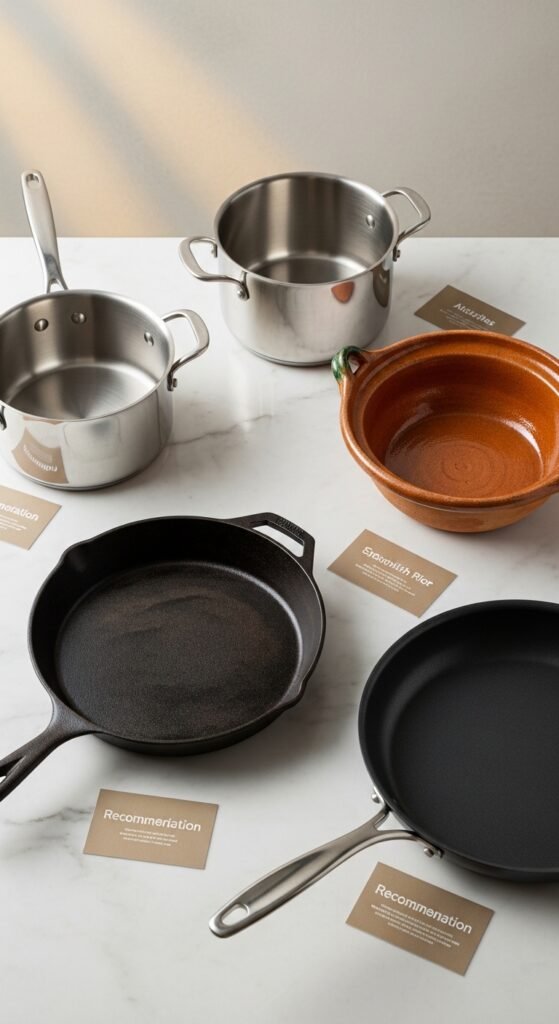
You don’t need a $200 pot, but a heavy-bottomed 4-quart saucepan or Dutch oven (like Lodge or Cuisinart) prevents hot spots that burn rice. A non-stick pot works, but you won’t get that beautiful toasted crust on the bottom (called pegado—some people fight over it!).
If you want to go traditional, look for a cazuela (a clay pot). It distributes heat gently and gives the rice a unique earthy flavor. Just remember to soak it in water before first use.
Frequently Asked Questions About Spanish Rice
Can I make this Spanish rice recipe in a rice cooker?
Absolutely. Toast the rice and aromatics in a separate pan first, then transfer everything to the rice cooker with the broth. Cook on the white rice setting. It won’t have the same toasted bottom, but it’s a great hands-off method.
How do I make vegan Spanish rice?
Swap chicken broth for vegetable broth and use oil instead of lard. That’s it. The rest of the recipe stays the same. It’s still incredibly flavorful.
Can I freeze leftovers?
Yes! Spanish rice freezes beautifully. Let it cool completely, then portion into freezer-safe bags or containers. Freeze for up to 3 months. Reheat in a skillet with a splash of broth or in the microwave.
Why is my Spanish rice sometimes orange instead of red?
The color comes from the tomato-to-broth ratio. More tomato = deeper red. Less tomato = orange. Both are fine. If you want a vibrant red color without extra tomato flavor, add 1 teaspoon of annatto powder (achiote) while toasting the rice.
How do I reheat Spanish rice without drying it out?
Sprinkle a little water or broth over the rice, cover with a damp paper towel, and microwave in 30-second bursts. Or reheat in a covered skillet over low heat with a tablespoon of water.
A Final Story: Why This Spanish Rice Recipe Matters to Me
I’ll leave you with this. A few years ago, my Abuela passed away. She was the heart of our family, and her homemade Spanish rice was legendary at every gathering. After she was gone, I felt this deep longing to recreate her dish. I spent months testing, failing, and crying over pots of mediocre rice. But slowly, through trial and error, I got closer. One night, I finally made a batch that tasted like her kitchen. The warmth, the comfort, the love—it was all there.
I served it to my family, and my mom took one bite, then another, and then she smiled with tears in her eyes. “She taught you well,” she said.
That’s the power of cooking. It connects us to our past, nourishes our present, and creates memories for the future. This Spanish rice recipe is more than a list of ingredients. It’s an invitation to slow down, to savor, and to share something beautiful with the people you love.
So go ahead. Heat that pot. Toast that rice. Make a mess if you have to. And when you sit down to that first perfect forkful, know that you’re carrying on a tradition that has brought joy to countless tables for generations.
Ready to Make the Best Spanish Rice of Your Life?
You now have everything you need: a detailed step-by-step guide, troubleshooting tips, flavor upgrades, and even the stories behind the techniques. All that’s left is to take action.
Here’s my confident recommendation: Buy quality ingredients from trusted brands. Invest in a decent heavy-bottomed pot—it will last you for years and improve every dish you make. And don’t forget the tomato bouillon; it’s a small addition that delivers big flavor.
I promise you this: once you make authentic Spanish rice from scratch, you’ll never reach for a boxed mix again. The texture, the aroma, the taste—it’s in a league of its own.
So what are you waiting for? Grab your ingredients, put on some music (I recommend Buena Vista Social Club), and let’s cook. And when you take that first bite, remember: you didn’t just make rice. You made magic.