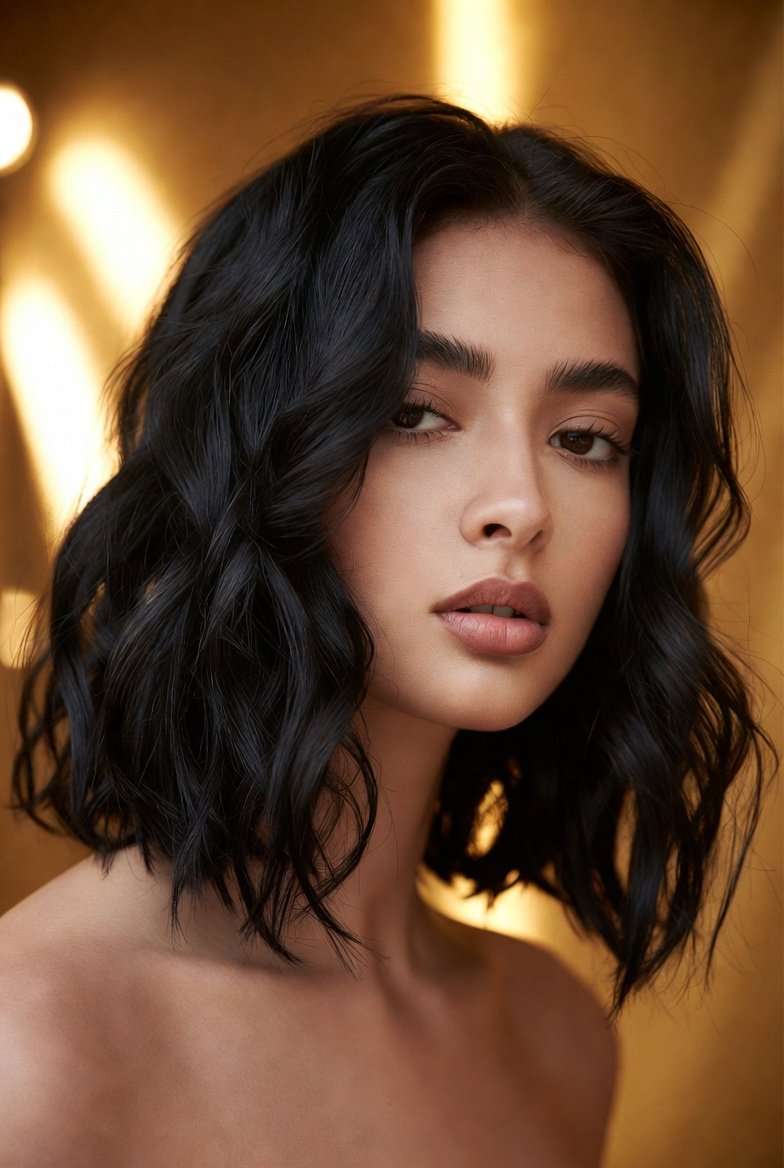
The textured lob has become the ultimate haircut for anyone craving a blend of low-maintenance chic and high-impact style. Unlike a blunt cut that can feel heavy, a textured lob uses internal layers and point-cutting techniques to remove bulk, creating movement that breathes life into fine, medium, or thick hair. This versatile length—falling anywhere between the chin and collarbone—frames the face beautifully while offering enough weight to prevent flyaways. Whether you want a tousled “just rolled out of bed” vibe or a polished, piece-y finish, adding texture transforms a simple long bob into a dynamic, shape-shifting look that adapts to your daily rhythm.
Choosing the right textured lob starts with understanding your natural hair pattern. Wavy and curly hair types benefit from strategic texturizing that prevents the dreaded triangle effect, allowing curls to spring up rather than puff out. Straight or fine hair gains instant grit and body, as those soft interior cuts create pockets of air that lift roots and prevent limpness. Even coily textures shine in a lob, because removing some density lets the hair fall into a flattering, rounded silhouette. Below, you’ll find 20 distinct ways to customize this cut, from subtle beachy waves to bold, angular shapes.
The Classic Wavy Lob with Face-Framing Layers
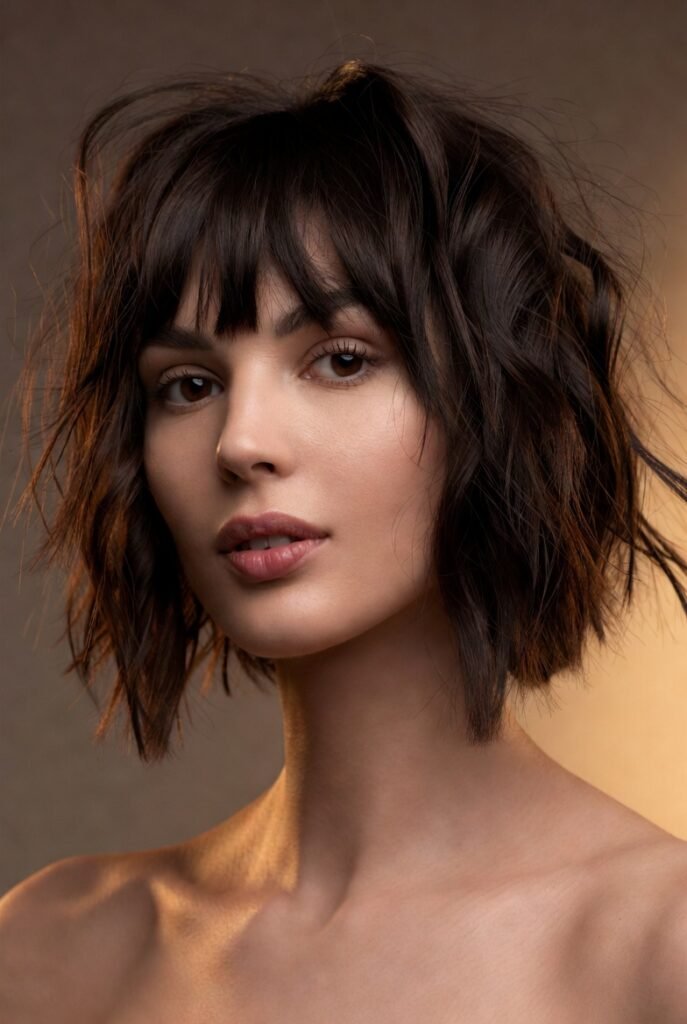
The classic wavy textured lob remains a favorite because it works on almost every face shape. Here, the hair is cut to sit just above the shoulders, with soft, invisible layers that start around the cheekbones. The magic happens when you add a loose wave using a large-barrel curling iron or salt spray, because those bends catch light and emphasize the textured ends. This style feels romantic without being fussy—the layers gently sweep across the forehead and jawline, softening stronger features while highlighting cheekbones. For women with round faces, the slight angling forward of the longest pieces creates an elongating illusion.
Maintaining this look is refreshingly simple. Because the cut relies on internal texture rather than precision lines, it grows out gracefully for months without losing its shape. You can air-dry it with a dab of mousse for a messy-chic finish or blow-dry with a round brush for a more polished, blown-out effect. The key is keeping the ends piece-y, not feathery. Ask your stylist for “slide cutting” to avoid over-thinning, which can make fine hair look stringy. When styled correctly, this wavy textured lob bounces with every step and pairs perfectly with curtain bangs or a deep side part.
The Choppy Lob with Disconnected Ends
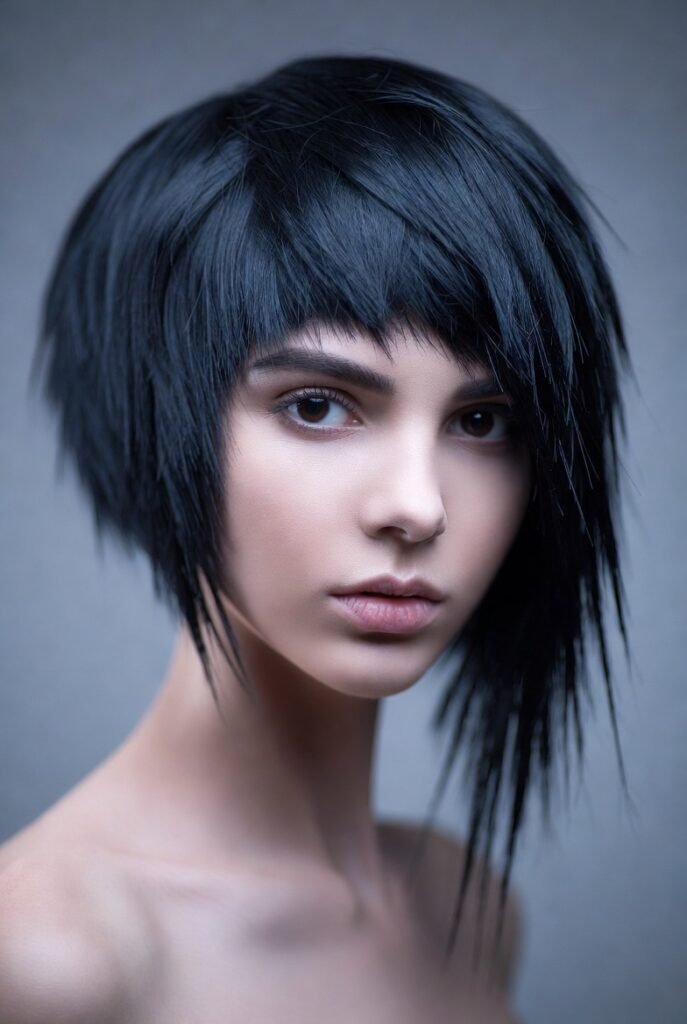
For those who crave an edgy, rock-and-roll aesthetic, the choppy textured lob delivers maximum attitude. Unlike traditional layers that blend seamlessly, disconnected ends are cut at sharp, uneven lengths throughout the bottom two inches of the hair. This creates a jagged silhouette that looks intentionally wild, almost as if you took scissors to it yourself—but in the most fashionable way. The contrast between a smooth, polished crown and those raw, shattered ends adds instant drama, especially on straight or subtly waved hair. Dark hues like espresso or jet black amplify the rebellious feel, while pastel colors make the choppiness look whimsical.
What makes this cut so functional is its ability to disguise uneven density. If you have thick hair that tends to feel bulky, those disconnected ends remove significant weight while keeping the overall length intact. On fine hair, the choppiness tricks the eye into believing there is more volume than actually exists. To style, rough-dry your hair upside down with a diffuser, then work a pea-sized amount of pomade through the ends to define each separate point. Avoid over-brushing, as that will flatten the very texture you want to celebrate. This textured lob says “I don’t try too hard” while actually looking meticulously undone.
Also Read: 13 Bitten Nails Ideas: Restore Your Confidence with Gentle, Natural-Looking Solutions
The Angled Lob with a Textured Baseline
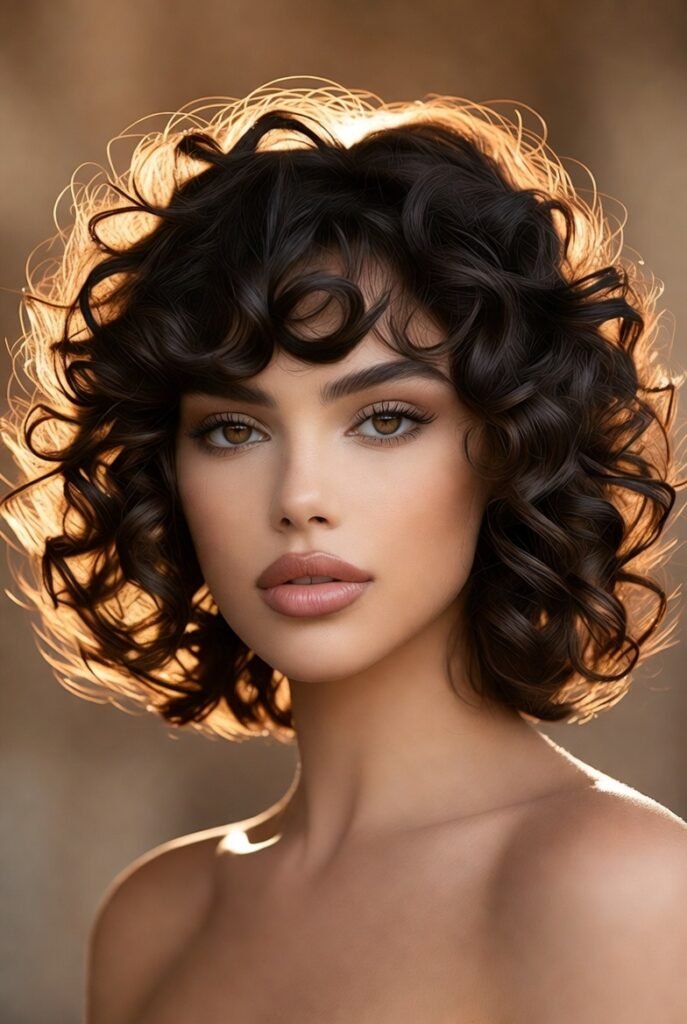
An angled textured lob takes the standard A-line bob and injects it with movement. Here, the back is cut significantly shorter—often at the nape of the neck—while the front pieces gradually lengthen to graze the collarbone. The twist is that instead of a clean, razor-sharp baseline, your stylist texturizes the entire hemline with point-cutting or notching. This softens the dramatic angle, preventing the harsh “step” effect that can make an angled cut look dated. The result is a forward-sweeping shape that elongates the neck and draws attention to your collarbones and décolletage, making it a stunning choice for petite frames or those worried about a heavy jawline.
Styling an angled textured lob is all about enhancing that natural tilt. When you curl the longer front pieces away from your face while keeping the shorter back relatively straight, you amplify the geometric contrast. For a more relaxed take, scrunch in a curl cream and let the hair air-dry; the shorter back will naturally wave up more tightly than the front, creating an organic gradient of texture. Because the baseline isn’t perfectly even, you never have to stress about symmetrical styling. This cut works beautifully with highlights, as the varying lengths allow color to peek through at different angles, adding even more dimension to the textured shape.
The Curly Textured Lob with Springy Layers
Curly-haired women often shy away from lobs, fearing the dreaded “pyramid” shape. But a properly executed curly textured lob solves this by using internal layering that respects your curl pattern’s natural spring factor. Instead of cutting the hair wet and straight, an experienced stylist will cut it dry, curl by curl, removing weight from the densest areas—usually the crown and sides. This allows each curl to stack and bounce without pushing outward horizontally. The ideal length is when dry curls hover just above the shoulders; any longer and the weight pulls out the texture; any shorter and you risk losing the lob’s signature silhouette.
What makes this cut so liberating is how little daily effort it requires. After washing, apply a leave-in conditioner and gel, then flip your head over and diffuse until 80% dry. The layers will naturally separate into defined spirals that frame your face without needing constant fluffing. Because the ends are textured rather than blunt, they won’t look blunt or boxy as they shrink up. Avoid heavy butters or oils, which can weigh down the carefully crafted texture. Instead, refresh between washes with a water-based curl refresher. This curly textured lob celebrates your natural volume while keeping the shape modern, rounded, and undeniably chic.
The Blunt Lob with Soft Internal Texture
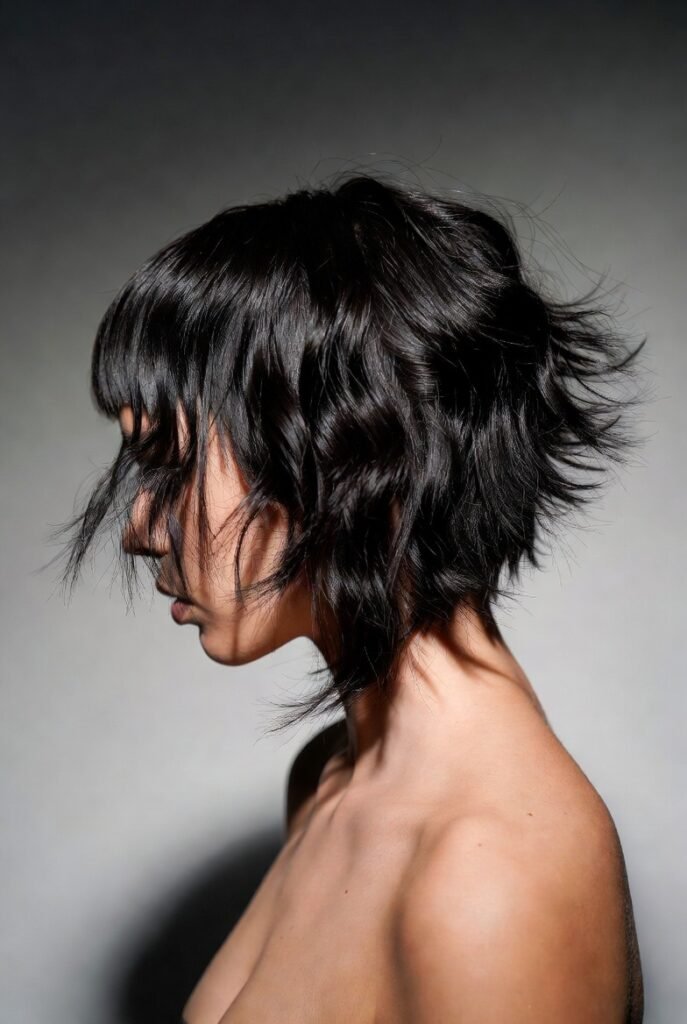
At first glance, a blunt textured lob sounds like a contradiction. However, the magic lies in keeping the hemline visually straight and solid while hiding delicate, invisible texture just beneath the surface. Your stylist will cut a clean, weighty perimeter first, then go back with thinning shears or a razor to remove bulk from the middle and upper sections only. This technique preserves the strong, healthy look of a blunt cut while allowing the hair to move, swing, and fall back into place naturally. From the outside, it appears sophisticated and sleek; but when you touch it or tuck it behind an ear, the hidden softness reveals itself.
This hybrid cut is perfect for professionals who want a polished appearance for meetings but still crave versatility for weekends. On straight or lightly blown-out hair, the blunt perimeter reflects light evenly, giving a glossy, expensive finish. Yet you can easily add beach waves without the ends sticking out at odd angles, because the internal texture prevents that harsh shelf-like effect. To style, use a flat iron to smooth everything, then flip your head over and shake at the roots for a hint of lift. The blunt textured lob offers the best of both worlds: the authority of a straight line and the playfulness of movement.
The Asymmetrical Lob with Wispy Ends
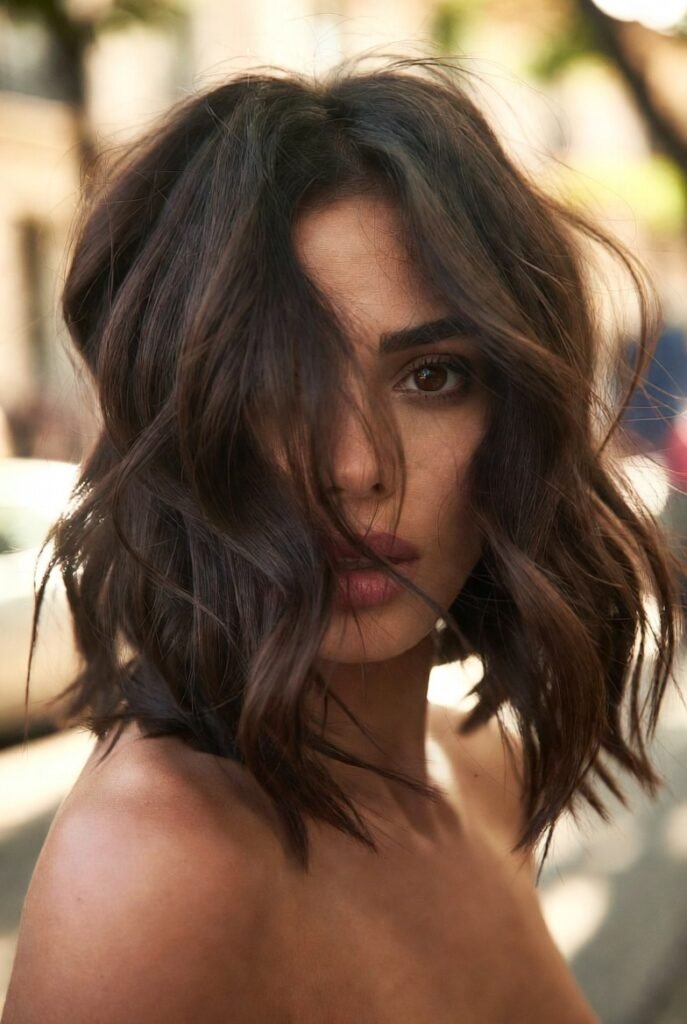
An asymmetrical textured lob breaks all the rules of balance, and that is precisely its appeal. One side sits significantly longer than the other—typically a two-to-three-inch difference—while wispy, feather-light ends prevent the longer portion from looking heavy or dragged down. This cut works exceptionally well on oval and heart-shaped faces, where the visual interest of unevenness draws the eye diagonally across the features, creating an instant slimming effect. The shorter side often tucks behind the ear effortlessly, while the longer side can be swept across the forehead for a dramatic, side-swept moment.
Because the asymmetry is the star, the texture keeps everything from feeling too severe. Those wispy ends are created using deep point-cutting, which splays the hair into soft, see-through points rather than thick chunks. This is crucial for fine hair, as blunt ends on an asymmetrical cut can look accidental rather than intentional. To style, use a lightweight mousse and blow-dry the shorter side forward and the longer side back, emphasizing the differential. You can also add a few baby highlights on the longer side to amplify the visual “drag.” This textured lob is a conversation starter without screaming for attention, ideal for the woman who likes subtle rebellion.
The French Girl Lob with Undone Texture
Effortless, cool, and slightly imperfect—the French girl textured lob captures that je ne sais quoi. The cut itself is deceptively simple: a one-length lob falling just below the chin, with barely-there layers that are invisible to the naked eye. The magic is all in the finishing technique, which relies on undone texture rather than polished waves. Think second-day hair that has been slept on, spritzed with sea salt, and scrunched without looking crunchy. The ends should look almost frayed, as if you’ve been running your fingers through them all day. This style rejects perfection, celebrating flyaways, uneven bends, and that slightly gritty feeling.
To achieve this look, start with a cut that has no sharp lines. Ask your stylist to “chip into” the ends vertically with scissors, creating micro-length variations that no one will notice individually but collectively produce that casual dishevelment. At home, wash at night and let it air-dry while you sleep; in the morning, mist with a texture spray and twist random sections around your finger. Do not use a curling iron—the goal is organic bends, not uniform rings. A French-girl textured lob communicates confidence and nonchalance, perfect for anyone who wants to look stylish without looking “done.” It works best on naturally wavy or slightly coarse hair that holds shape.
The Sleek Lob with Hidden Under-Texture
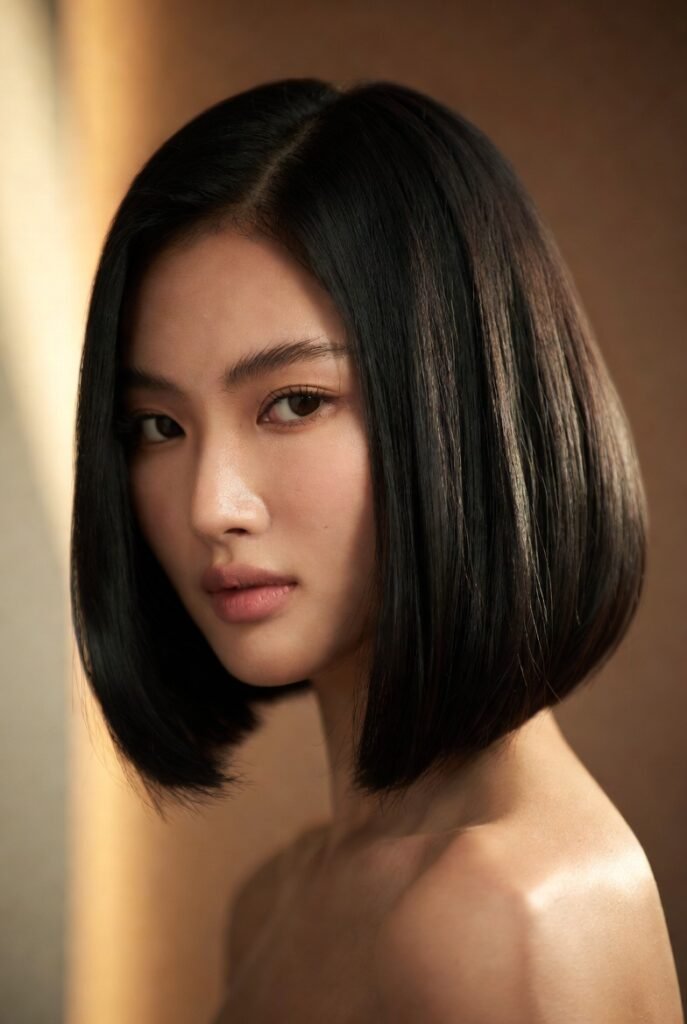
Sometimes you want a textured lob that looks smooth and polished from the outside but surprises with hidden movement. This is achieved by focusing all texturizing work on the underneath sections of the hair, leaving the top canopy sleek and unbroken. Your stylist will cut the top layer to a clean, even length, then go underneath and remove bulk using a razor or slice-cutting. When you flat-iron the hair straight, it appears glossy and severe, like a classic lob. But when you move your head or tuck hair behind your ears, the under-layers shift and separate, preventing that stiff, helmet-like feeling that plagues many blunt cuts.
This approach is a game-changer for thick-haired women who love a sleek aesthetic but hate the weight. The hidden texture reduces density by up to 40% without changing the outer silhouette, so your hair feels lighter, dries faster, and swishes when you walk. To style, use a heat protectant and a ceramic flat iron, pulling each section taut. Finish with a drop of silicone serum for mirror-like shine. When you want to transition to evening, simply flip your head and rough up the under-layers with your fingers; they will pop out from beneath the smooth top surface, creating an instant textured contrast. This sleek textured lob proves that you can have both polish and playfulness.
The Messy Lob with Root Grit
Volume at the roots is the holy grail for many women, and the messy textured lob delivers exactly that. The cut itself is a standard shoulder-grazing lob with medium layers, but the real focus is on a styling technique that builds grip and lift from the scalp down. By asking your stylist to lightly texturize the crown area—using a technique called “weaving” or “channel cutting”—you create tiny gaps near the roots that prevent hair from lying flat. When combined with a volumizing powder or dry shampoo, those gaps become pockets of air that hold your roots upright for hours, even on fine or slippery hair strands.
The messy aspect is intentional: this is not the polished lob of a CEO but the “I woke up like this” lob of an artist. After washing, apply a mousse to damp roots only, then blow-dry forward while scrunching the mid-lengths and ends with your fingers. Do not use a brush—your fingers are the tool here. Once dry, flip your head side to side aggressively, then sprinkle a tiny amount of texture powder along your part. The final look should have visible separation at the roots, a tousled mid-section, and piece-y ends that point in different directions. This textured lob feels alive, rebellious, and perfect for second-day confidence.
The Lob with Razored Feathering
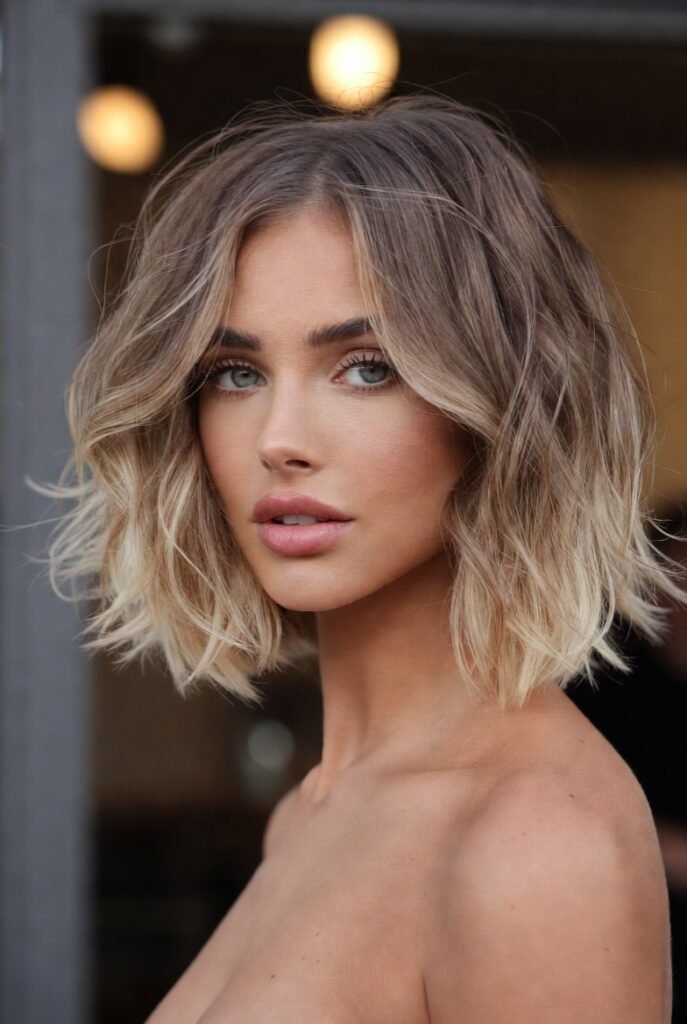
A razor is a divisive tool in haircutting, but when used correctly on a textured lob, it produces feathered ends that nothing else can replicate. Unlike scissors, which pinch and cut cleanly, a razor slices through the hair at an angle, tapering each strand to a fine point. The result is a weightless, airy finish that feels almost like fur—soft, touchable, and incredibly dynamic. This technique shines on medium to fine hair types, where scissor-texture can sometimes look chunky. Razored feathering also works beautifully on straight or slightly wavy textures, because the tapered ends catch light and movement in a way that blunt cuts cannot.
However, razoring requires a skilled hand; too much pressure or the wrong angle can cause frizz or split ends. Look for a stylist who specializes in “freehand slicing” and always cuts on dry hair to see the true fall. After the cut, your styling routine becomes minimal: a dab of smoothing cream and air-drying will produce soft, fluttery ends that move with every breeze. For more definition, use a flat iron to create gentle bends, but avoid curling the very tips—they should remain wispy. This feathered textured lob evokes a 1970s Jane Birkin vibe, blending bohemian ease with a modern shoulder-length shape.
The Inverted Lob with Stacked Texture
An inverted textured lob builds on the classic stacked bob but extends the length to the collarbone. The key difference is the stacked texture in the back, where the hair is cut at progressively shorter angles to create internal volume and a rounded, bubbled shape. Unlike a traditional stacked cut that can look rigid, the textured version uses deep point-cutting to soften those stacked layers, so they blend seamlessly into the longer front pieces. From the side, you see a graceful slope from the shorter, fuller nape to the longer, wispier front. This cut is a savior for women with flat occipital bones, as the stacking creates the illusion of a rounder, more lifted profile.
Styling this cut is all about emphasizing that back volume. Blow-dry the nape area with a round brush, rolling the hair under to enhance the stacked shape. The front pieces can be left straighter or curled away from the face for contrast. Because the back is so textured, it will naturally air-dry with more wave than the front, which adds to the dynamic silhouette. Avoid heavy conditioners near the roots, as they can flatten the carefully crafted stack. This inverted textured lob frames the face while creating a party in the back, perfect for anyone who wants shape and drama without committing to a short bob.
The Beachy Lob with Salt-Kissed Waves
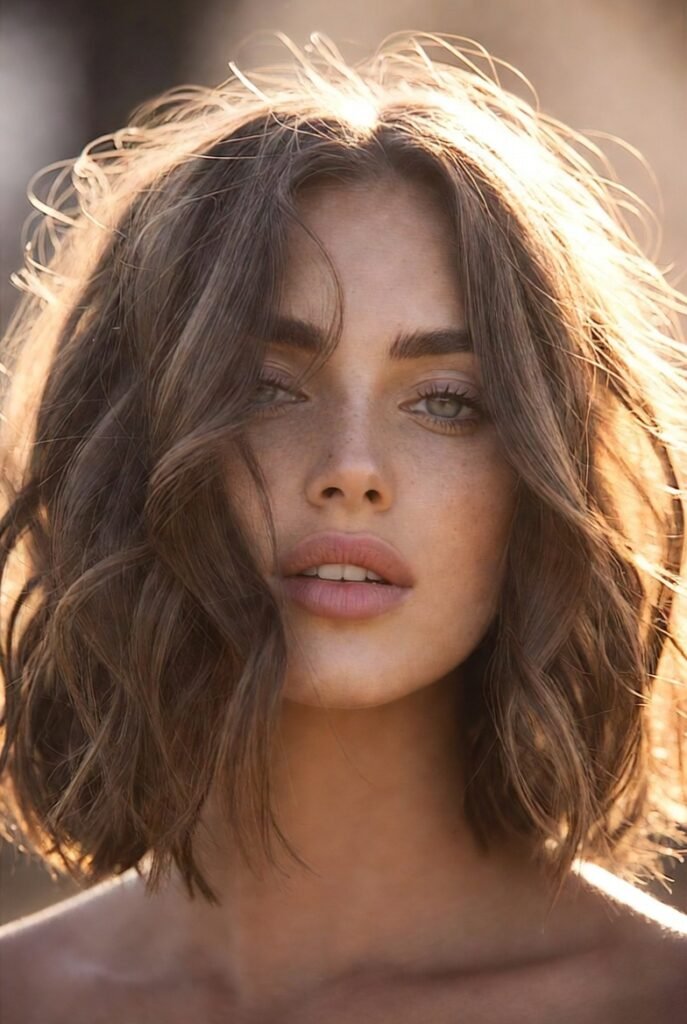
When you think of a textured lob, the beachy version likely comes to mind first. This cut is designed specifically to amplify natural wave patterns or to hold artificial waves created with a wand. The ideal length falls right at the collarbone, with layers that start around the ears and continue to the ends. The texturizing here is lighter than in other versions—more about removing weight from the mid-lengths so that waves can form without fighting each other. The result is a series of soft, S-shaped bends that look like you spent a week by the ocean, complete with that subtle dryness and separation that salt spray provides.
The genius of this cut is that it looks better as it gets dirtier. On day one, you have defined, glossy waves. By day three, those waves have relaxed into a lived-in, matte finish that exudes cool-girl energy. To style, spritz damp hair with sea salt spray, scrunch upward while diffusing, and then—critical step—do not touch it until completely dry. Once dry, break up the waves by shaking your fingers through the roots only. The beachy textured lob is universally flattering, especially on medium-density hair. It forgives uneven curl patterns and hides awkward grow-out phases, making it a favorite for those transitioning from shorter to longer lengths.
The Graduated Lob with Soft Edges
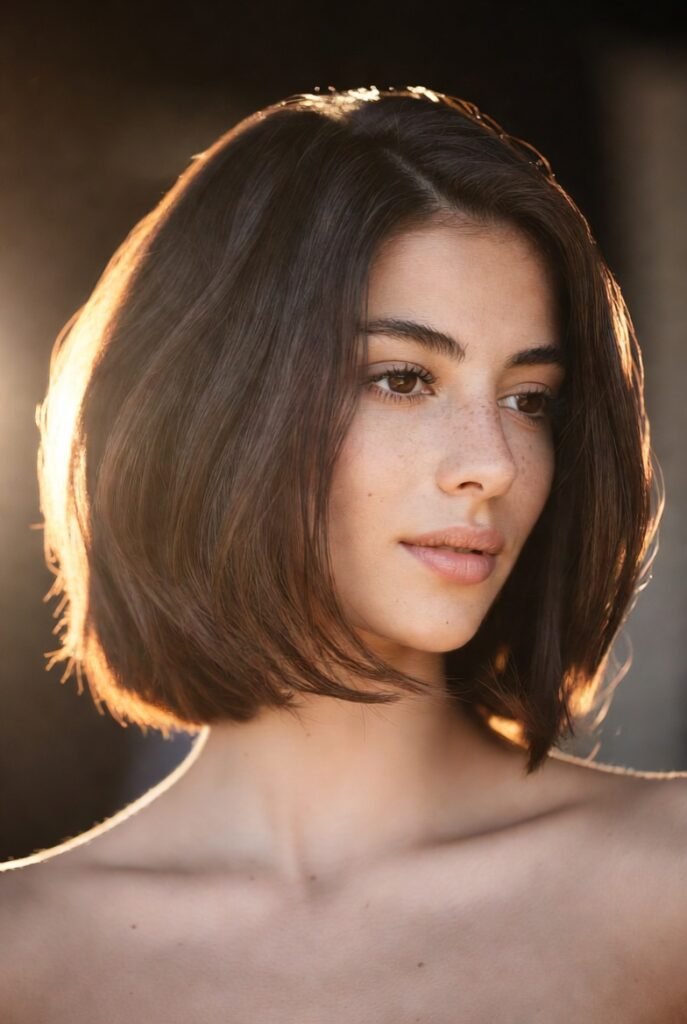
A graduated textured lob takes the concept of a classic graduation—where hair builds weight along a curved line—and softens it with gentle, wispy edges. Unlike the sharp, dramatic stacking of an inverted cut, graduation here is subtle: the back is only slightly shorter than the front, and the weight line is diffused using notching shears. This creates a rounded, almost mushroom-like silhouette that hugs the head at the crown while flipping out softly at the ends. It is an excellent choice for women with thin or fine hair, as the internal graduation creates the illusion of density without heaviness.
What makes this cut so wearable is its softness. There are no harsh angles or blunt lines; everything flows. When styled with a slight bend using a flat iron, the graduated edges catch light differently across the curve of the head, giving a dimensional, shadowed effect. For a more casual look, let it air-dry with a curl cream; the natural wave pattern will follow the graduated shape, making it look intentionally molded to your head. This textured lob works for all ages—young enough to feel fresh, refined enough for a sophisticated woman. Avoid over-layering, as that can destroy the gentle graduation; trust your stylist to keep the texture internal.
The Piece-Y Lob with Defined Separation
For those who love the look of individually visible strands, the piece-y textured lob delivers surgical precision. The cut uses deep, deliberate texturizing that removes vertical slices of hair, creating gaps that cause the remaining strands to stand apart from one another. When you run your fingers through, each section feels distinct, almost like fringe. This is not a soft or fluffy texture—it is graphic, bold, and architectural. The ideal candidate has straight or slightly wavy hair that holds product well, as you will need a wax or paste to maintain that separated look throughout the day.
Styling this cut is an active process. After washing, blow-dry smooth, then work a small amount of pliable paste between your palms. Rake it through the ends first, then the mid-lengths using a pinch-and-pull motion. Avoid the roots entirely. The final look should have ends that look almost dipped in texture, with no two strands lying the same way. This piece-y textured lob is a favorite among editorial stylists and fashion-forward clients because it rejects the idea of “natural” movement in favor of intentional, crafted chaos. It pairs exceptionally well with bold color—think platinum blonde or copper red—because the separation makes each color strand pop individually.
The Wavy Lob with Micro-Layers
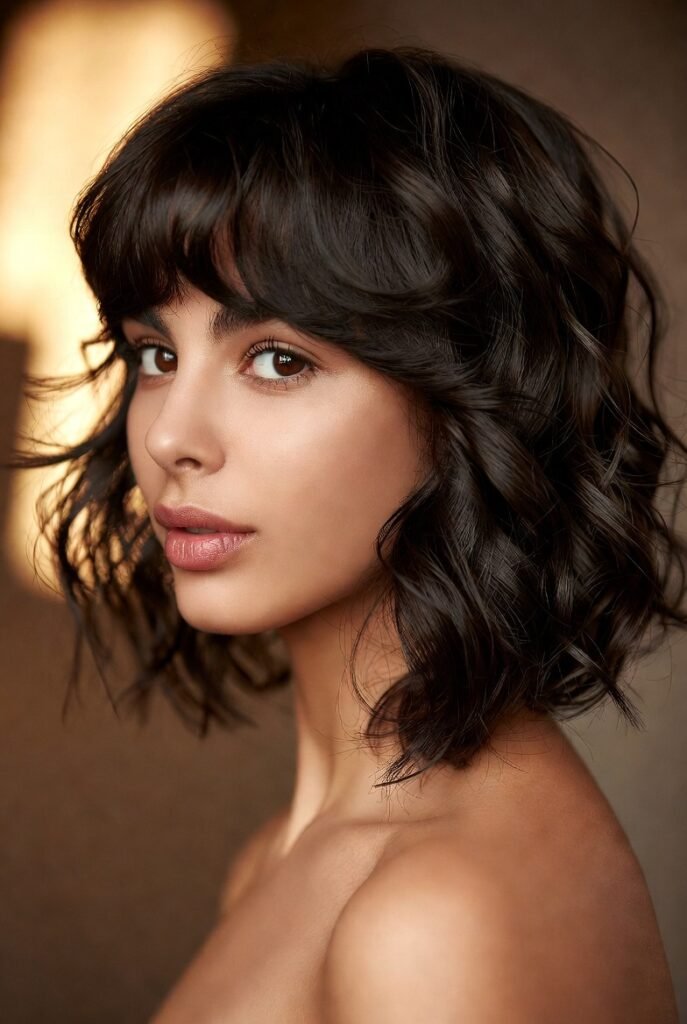
Micro-layers are the secret weapon of the wavy textured lob. Instead of traditional layers that are spaced an inch or more apart, micro-layers are cut every quarter-inch, creating an almost invisible infrastructure of support. This technique is labor-intensive but transformative, especially for hair that tends to fall flat or waves that lack definition. From the outside, the lob appears nearly one-length, but the internal micro-layers allow each wave to sit inside the one above it, stacking into a cohesive, bouncy shape. The result is a cascade of soft ridges that move as one unit rather than as separate, disconnected chunks.
Because micro-layers are so close together, they eliminate bulk without sacrificing length. This is ideal for women who want to keep their lob long while needing serious volume. To style, use a lightweight foam and scrunch upward while diffusing on low heat. The micro-layers will naturally lock into each other, forming uniform waves that last for days. Avoid heavy creams or butters, which can weigh down the delicate internal structure. This textured lob is a technical marvel that looks effortlessly simple, perfect for anyone who has struggled with limp waves or straight hair that refuses to hold a curl.
The Shaggy Lob with Curtain Bangs
The shag textured lob borrows elements from the iconic 70s shag—namely curtain bangs and heavy point-cutting—but updates it for a shoulder-length format. Here, the bangs are cut to frame the face like curtains opening, with the shortest point at the center of the forehead and longer pieces blending into the sides of the lob. The rest of the hair features aggressive, visible texture: you can see the chunky, uneven layers that give the shag its lived-in reputation. This cut thrives on second-day hair and is practically designed for air-drying, as any attempt to smooth it out fights against its inherent messy nature.
What makes this combination so powerful is the way curtain bangs soften the face while the shaggy texture adds edge. Together, they create a look that is both feminine and rebellious. To style, dampen your hair, apply a salt spray, and twist random sections around your finger before air-drying. The curtain bangs should be blow-dried forward and then to the sides using a small round brush. Do not over-style; the goal is to look like you just left a music festival. This shaggy textured lob is particularly flattering on heart-shaped or square faces, as the bangs shorten the forehead and the side layers blur the jawline.
The Voluminous Lob for Fine Hair
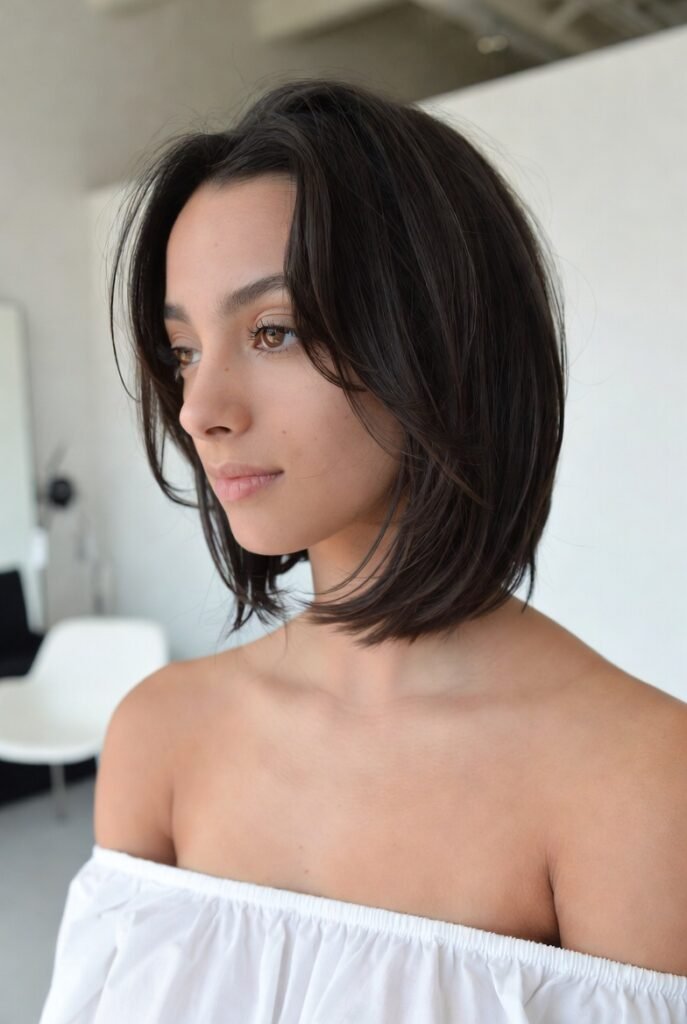
Women with fine hair often fear that texture equals thinness, but the right textured lob does the opposite. The secret is blunt texturizing—keeping a solid, one-inch border at the perimeter while removing weight from the middle and upper sections only. This creates a strong foundation that looks thick, while the internal texture allows the hair to lift and move. Without texture, fine hair in a lob can look stringy and flat. With it, each strand has room to swell with product or natural body, creating the illusion of twice the density.
The volumizing effect is amplified by keeping the lob above the shoulders—any longer, and gravity wins. Ask your stylist for “slide cutting” rather than thinning shears, which can leave fine hair looking ragged. At home, use a root-lifting spray and blow-dry upside down, then cool-shoot the roots. The texture will keep the hair from settling into a single, flat plane. For extra oomph, add a few highlights; the contrast between light and dark creates visual depth that mimics thickness. This voluminous textured lob proves that fine hair can have body, bounce, and presence without extensions or teasing.
The Edgy Lob with Undercut Texture
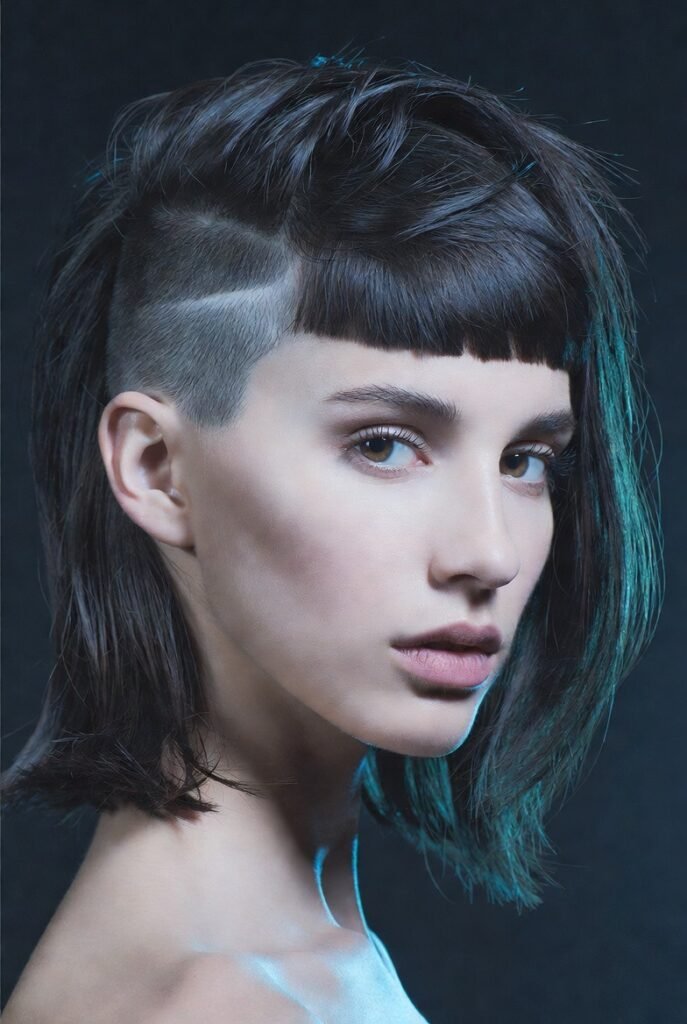
For the boldest among us, an edgy textured lob incorporates a hidden or visible undercut. This involves shaving or closely clipping a section of hair—usually at the nape of the neck or behind one ear—while keeping the top layers long enough to conceal it when desired. The contrast between the smooth, shaved underlayer and the textured, wispy top creates a punk-luxe feel. When you wear your hair down, the undercut is invisible, making this a workplace-friendly secret. But when you pull your hair up into a messy half-pony or behind an ear, the shaved section reveals itself as a statement of individuality.
The texture on the top layer becomes even more important here, because the longer hair must be light enough to float over the shaved area rather than sticking to it. Deep point-cutting and razor work keep the canopy airy and mobile. Styling is straightforward: for a corporate look, smooth everything down. For night, twist the top section into a small knot at the crown, exposing the undercut fully. This edgy textured lob is not for the faint of heart, but for anyone who wants a haircut that can shape-shift from conservative to counterculture in seconds. Maintenance requires regular undercut trims every 4-6 weeks.
The Curved Lob with Rounded Finish
Unlike angular or asymmetrical cuts, the curved textured lob follows the natural shape of your head and jawline. The perimeter is cut in a gentle arc, shorter at the nape and longer at the front, but without the dramatic tilt of an A-line. The curve is subtle—think of a smile shape rather than a ramp. Rounded texture is added by over-directing sections toward the back while cutting, which creates a lush, full shape when viewed from any angle. This is the lob equivalent of a classic bob: timeless, elegant, and universally flattering. The curve lifts the corners of the mouth and highlights the neck’s natural taper.
This cut shines on thick or coarse hair types that need shaping to avoid looking boxy. The rounded perimeter ensures that even when the hair is straightened, it falls into a soft oval rather than a harsh rectangle. To style, blow-dry with a large round brush, rolling the ends under slightly to enhance the curved line. For waves, use a wide-barrel iron and curl in alternating directions, which prevents the curve from looking too uniform. The curved textured lob is a safe yet stunning choice for weddings, galas, or any event where you want sophisticated movement without trendy risk.
The Minimalist Lob with Whisper Texture
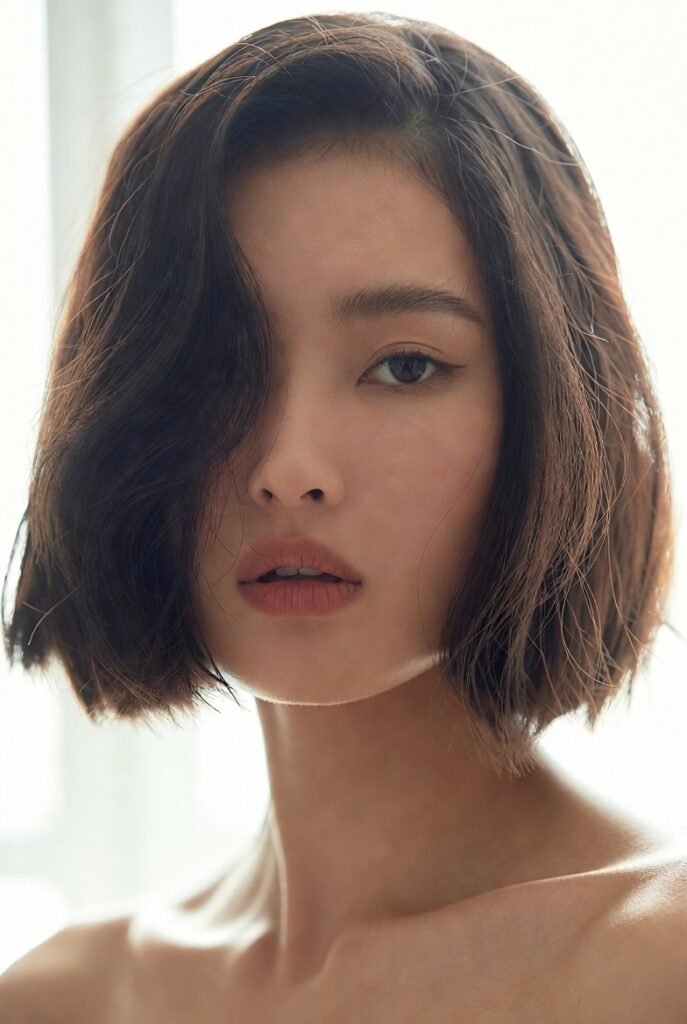
Finally, the minimalist textured lob is for purists who want the idea of texture without any visible evidence. This cut uses whisper texturizing—a technique so fine and subtle that you cannot see the layers even when you part the hair. The stylist uses a straight razor or micro-serrated shears to skim the surface of the hair, removing only a few millimeters from random strands. The result is a lob that looks completely one-length and blunt but feels impossibly light and airy to the touch. There are no choppy ends, no piece-y separation, no visible graduation—just an ethereal softness that only the wearer knows is there.
This approach is ideal for perfectionists who dislike the messy look but still crave movement. On straight hair, the whisper texture prevents the “helmet head” stiffness that can happen with classic blunt cuts. On wavy hair, it allows each wave to release without clumping. Styling requires no special products or techniques; simply wash, condition, and air-dry or blow-dry as usual. The effect is so natural that strangers will compliment your hair without understanding why. This minimalist textured lob is the quiet luxury of haircuts—expensive-looking, understated, and endlessly elegant. It whispers rather than shouts, but everyone leans in to listen.
Final Thoughts
A textured lob is far more than a trending haircut—it is a practical, flattering solution for anyone seeking movement, volume, and versatility without sacrificing length. From the undone charm of French-girl waves to the bold statement of an undercut, these 20 ideas prove that the long bob can be endlessly customized to suit your face shape, hair type, and personality. The key is working with a stylist who understands how to cut texture internally rather than simply thinning the ends, preserving the integrity of your hair while giving it that sought-after, lived-in feel. Whether you prefer a sleek, hidden-underlayer finish or a choppy, rock-inspired silhouette, the right textured lob will make your daily styling routine faster, easier, and far more enjoyable. So go ahead—book that appointment, save these ideas, and get ready to fall in love with your hair all over again.