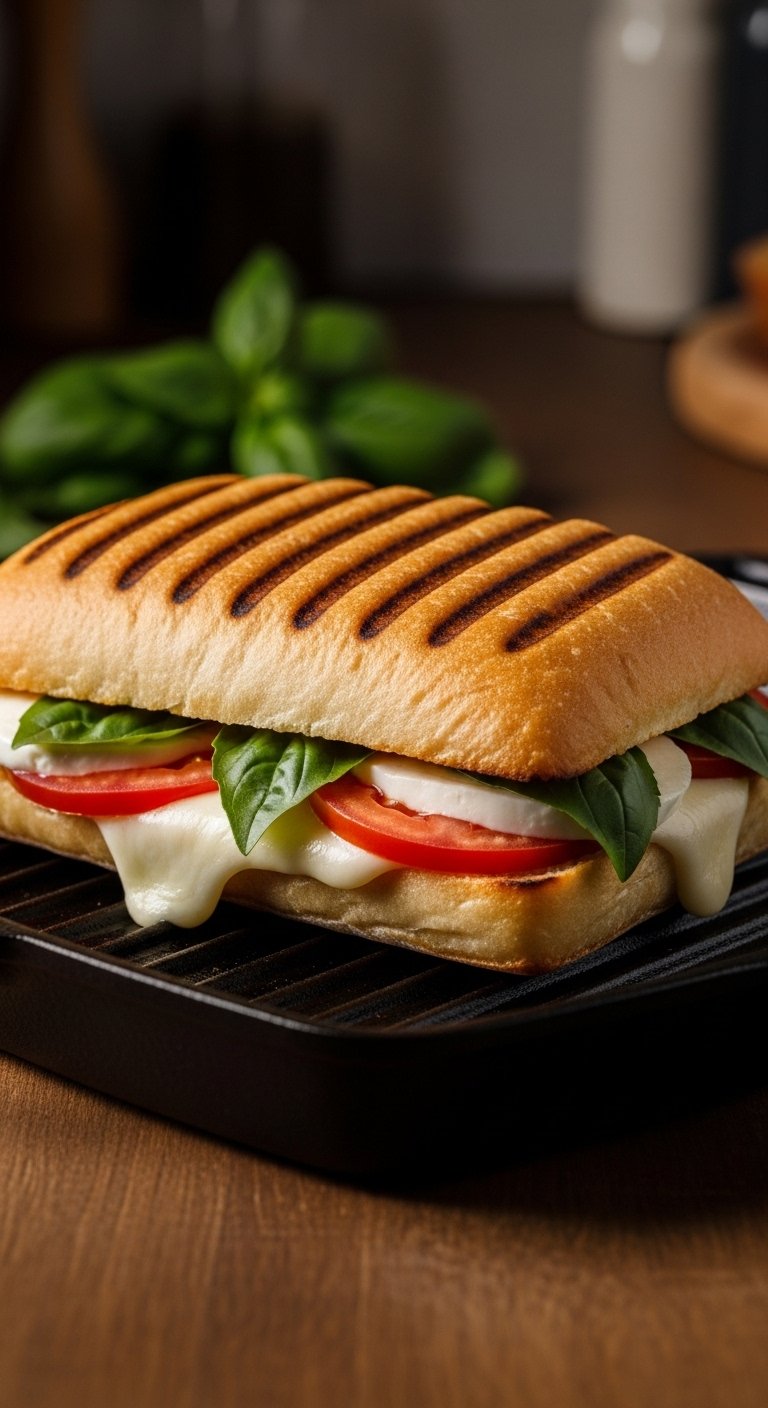
Let me take you back to a warm summer afternoon in a small village just outside Florence, Italy. I was wandering through a local market, my stomach growling louder than the Vespas buzzing past. The air smelled of ripe tomatoes, fresh basil, and something else—something magical. That’s when I spotted an elderly Italian nonna (grandmother) assembling what looked like the most beautiful sandwich I had ever seen. She smiled, handed me a piece, and said, “Mangiare, bambino. This is happiness.” One bite of that caprese sandwich changed my life forever.
From that moment on, I became obsessed. I spent years perfecting my own version, experimenting with different breads, hunting for the perfect mozzarella, and learning exactly what makes a caprese sandwich go from “good” to “unforgettable.” Today, I’m going to share everything I’ve learned with you.
Whether you’re a seasoned home cook or someone who can barely boil water, this article will transform the way you think about this simple yet extraordinary Italian creation. By the time you finish reading, you’ll not only know how to build the perfect caprese sandwich—you’ll understand why it’s worth investing in quality ingredients, and you’ll feel confident enough to impress your friends, family, or even just yourself at lunchtime.
So grab a glass of iced tea, get comfortable, and let’s dive into the delicious world of the caprese sandwich.
What Exactly Is a Caprese Sandwich? (And Why Should You Care?)
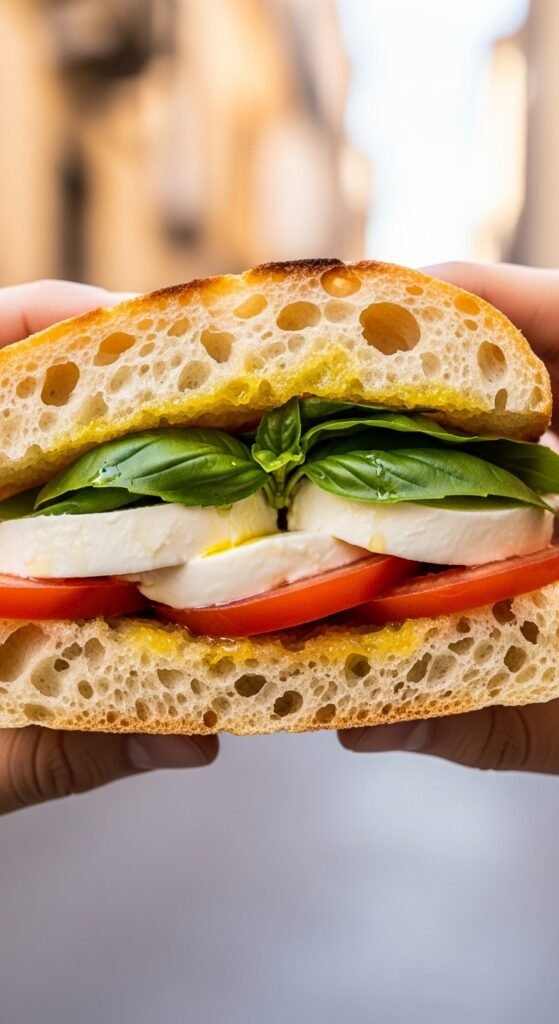
Before we jump into recipes and techniques, let’s answer the most basic question: what is a caprese sandwich?
At its heart, a caprese sandwich is a simple Italian-inspired sandwich that celebrates the colors of the Italian flag—red, white, and green. The traditional combination includes fresh mozzarella cheese, ripe tomatoes, fresh basil leaves, extra virgin olive oil, and often a drizzle of balsamic glaze or vinegar. All of this gets nestled between two slices of crusty bread.
But here’s the thing—don’t let the simplicity fool you. A well‑made caprese sandwich is nothing short of culinary poetry. Each ingredient plays a specific role. The creamy mozzarella provides richness and texture. The vine‑ripened tomatoes add sweetness and acidity. The fragrant basil brings a peppery, aromatic punch. And the high‑quality olive oil ties everything together like a conductor leading an orchestra.
In addition to being delicious, the caprese sandwich is incredibly versatile. You can enjoy it for a quick weekday lunch, pack it for a picnic in the park, serve it at a summer gathering, or even dress it up for a fancy brunch. Moreover, it requires no cooking skills whatsoever—just a knife, a cutting board, and a few minutes of your time.
However, and this is crucial, the quality of your ingredients will make or break your caprese sandwich. Because there are so few components, every single one needs to shine. This isn’t a sandwich where you can hide mediocre products behind heavy sauces or processed meats. Consequently, choosing the right ingredients becomes an act of love and intention.
The Fascinating History Behind Your Sandwich
You might be wondering: where did this magnificent creation come from? Let me share a bit of history that will make you appreciate your caprese sandwich even more.
The caprese salad (Insalata Caprese) originated on the island of Capri, located in the Gulf of Naples, Italy. Legend has it that the dish was created in the 1920s as a tribute to the Italian flag and to showcase the region’s incredible local products. The colors—red tomatoes, white mozzarella, and green basil—were meant to represent patriotism and national pride.
Over time, someone had the brilliant idea to take those same beautiful ingredients and place them between bread. Thus, the caprese sandwich was born. While no single person can claim credit for this innovation, it’s believed that home cooks and small cafes throughout southern Italy began experimenting with this portable version of the classic salad.
Today, you’ll find caprese sandwiches on menus everywhere from high‑end Italian restaurants to corner delis. But interestingly enough, the best ones are still made at home, using ingredients sourced from farmers’ markets and specialty shops.
Why This Sandwich Deserves a Permanent Spot in Your Meal Rotation

Let me be honest with you for a moment. Before I discovered the caprese sandwich, I used to rely on boring turkey sandwiches or greasy burgers for lunch. I felt sluggish afterward, my wallet felt lighter, and my taste buds were consistently unimpressed.
Everything changed once I started making caprese sandwiches regularly. Here’s why this sandwich might just become your new best friend:
First, it’s incredibly healthy. Fresh mozzarella provides protein and calcium without the excessive saturated fat found in aged cheeses. Tomatoes offer lycopene, vitamin C, and antioxidants. Basil contains anti‑inflammatory properties. And olive oil delivers heart‑healthy monounsaturated fats. In other words, you’re nourishing your body while satisfying your cravings.
Second, it’s lightning‑fast to prepare. We’re talking five minutes or less from start to finish. On busy mornings when you’re running late, a caprese sandwich comes together faster than waiting in line at a drive‑thru.
Third, it’s budget‑friendly. While high‑quality ingredients cost a bit more than processed alternatives, a homemade caprese sandwich still costs significantly less than restaurant takeout. Furthermore, you can adjust portion sizes and ingredient choices based on your budget.
Fourth, it’s endlessly customizable. As we’ll explore later, you can add proteins, switch up the bread, incorporate seasonal vegetables, or create entirely new flavor profiles while keeping the caprese spirit alive.
Finally, it’s a crowd‑pleaser. I’ve yet to meet someone who doesn’t enjoy a well‑made caprese sandwich. Vegetarians love it. Meat‑eaters appreciate it as a lighter option. Kids enjoy the mild flavors. And food snobs respect its authenticity.
The Anatomy of Perfection: Breaking Down Each Component
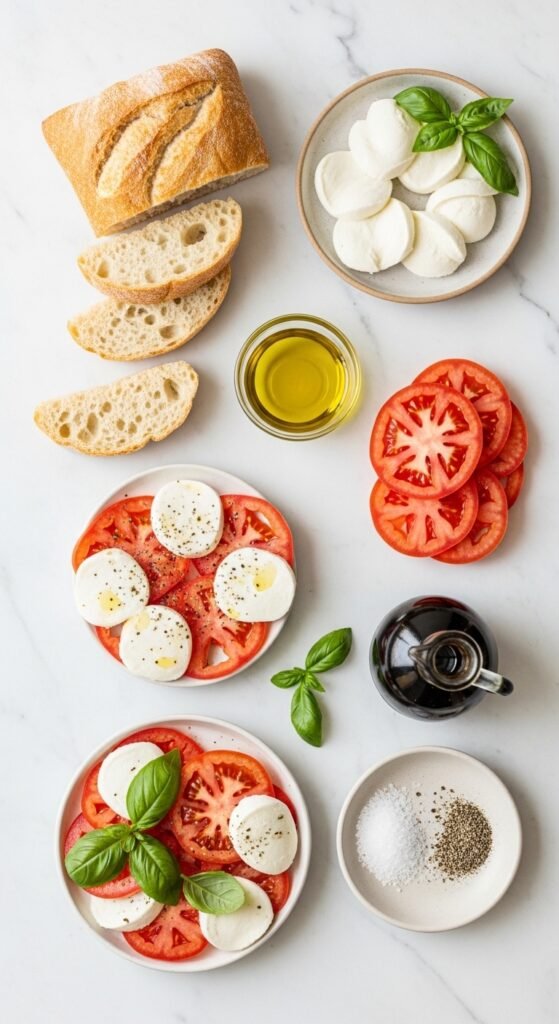
Now we’re getting to the good stuff. To build the ultimate caprese sandwich, you need to understand each ingredient on a deeper level. Think of this as your ingredient masterclass.
Also Read: The Ultimate Guide to Pistachio Cheesecake: Creamy, Nutty, and Irresistible
The Bread: Your Foundation Matters
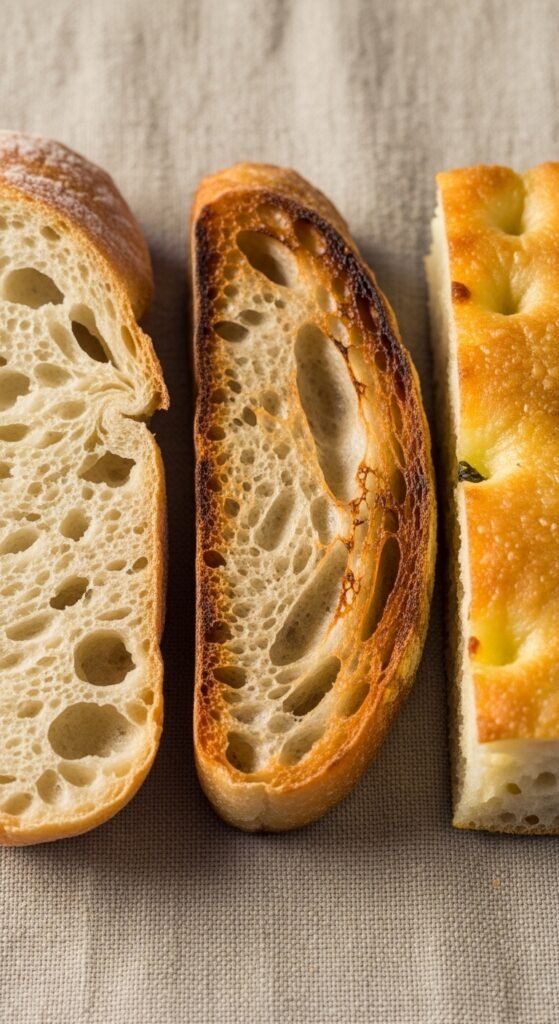
Let’s start with what holds everything together—the bread. For an authentic caprese sandwich, you want something crusty on the outside but soft and chewy on the inside. Here are your best options:
- Ciabatta remains the gold standard for many caprese enthusiasts. Its open crumb structure (those beautiful air pockets) catches olive oil and tomato juices beautifully. Meanwhile, its sturdy crust prevents sogginess. Look for fresh ciabatta from a local bakery whenever possible.
- Focaccia offers a softer, more herbaceous alternative. Since focaccia already contains olive oil and often rosemary or sea salt, it adds another layer of flavor to your caprese sandwich. Just be careful not to choose one that’s too thick, or the bread‑to‑filling ratio will feel off.
- French baguette works wonderfully for smaller, snack‑sized sandwiches. Slice it lengthwise, toast it lightly, and you’ve got a crunchy vessel that contrasts perfectly with the creamy mozzarella.
- Sourdough provides tangy complexity that complements the sweetness of tomatoes. The fermentation process also makes sourdough easier to digest for some people.
- Whole grain or multigrain offers a nuttier, healthier foundation. While not traditional, these breads add fiber and nutrients without overwhelming the other flavors.
Pro tip: Whatever bread you choose, toast it lightly. A quick trip to the toaster oven or a hot skillet creates a barrier that prevents your caprese sandwich from becoming soggy. Additionally, toasting enhances the bread’s natural flavors and adds satisfying crunch.
Fresh Mozzarella: The Heart of the Sandwich
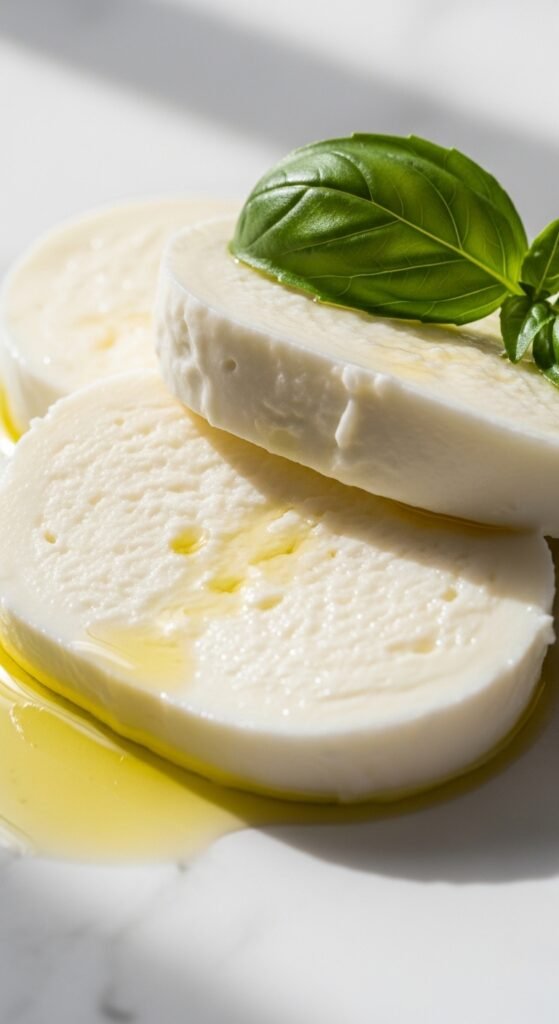
Here’s where many people go wrong. They grab a bag of pre‑shredded, low‑moisture mozzarella from the supermarket dairy aisle and wonder why their caprese sandwich tastes bland and rubbery.
Stop right there. You deserve better.
Fresh mozzarella (mozzarella di bufala or fior di latte) is non‑negotiable for an authentic caprese sandwich. This cheese is stored in water or whey, has a soft, springy texture, and tastes milky and slightly sweet. When you bite into it, it should almost melt in your mouth.
If you can find buffalo mozzarella (mozzarella di bufala campana), splurge on it. Made from water buffalo milk, this variety is richer, creamier, and more flavorful than cow’s milk versions. Yes, it costs more. But trust me—once you try it, you’ll never go back.
For those watching their budget, fior di latte (cow’s milk fresh mozzarella) works beautifully as well. Just look for balls stored in liquid, not vacuum‑sealed blocks. The texture should be soft and slightly springy, not firm or squeaky.
How much cheese? For a standard sandwich, slice a 4‑ounce ball into ¼‑inch thick rounds. Arrange them in a single, overlapping layer across your bread.
Tomatoes: The Sweet, Juicy Surprise
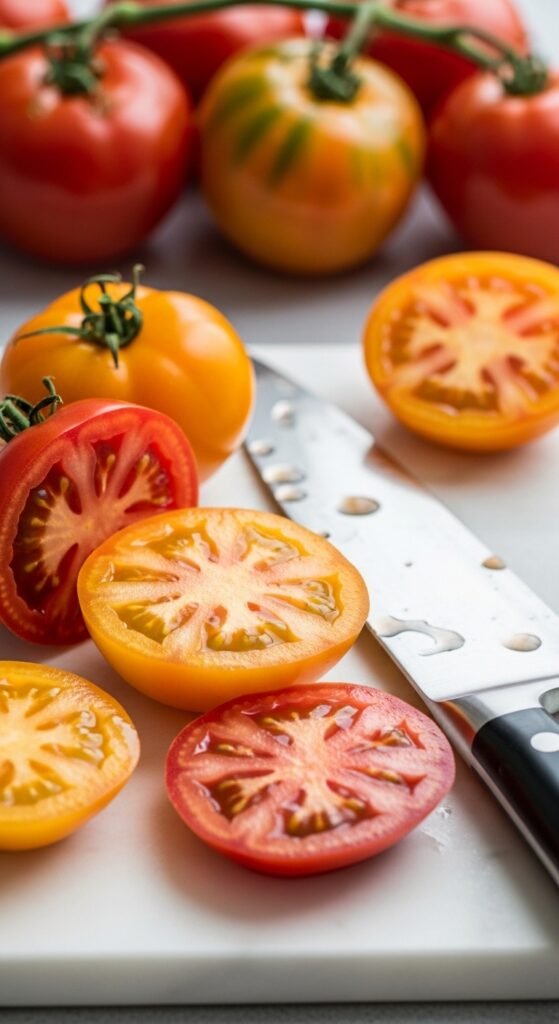
If mozzarella is the heart, tomatoes are the soul of your caprese sandwich. Bland, mealy tomatoes will ruin everything. Therefore, choosing the right tomatoes becomes absolutely essential.
- Heirloom tomatoes offer unparalleled flavor complexity. They come in stunning colors—yellow, orange, purple, green, and striped—and each variety tastes slightly different. Some are sweet, others tangy, and many have notes of melon or berries. During summer months, seek these out at farmers’ markets.
- Beefsteak tomatoes provide classic tomato flavor with plenty of juicy flesh. They slice beautifully and cover sandwich surface area efficiently.
- Roma tomatoes contain fewer seeds and less liquid than other varieties, making them less likely to make your bread soggy. Their elongated shape also fits nicely on sandwich bread.
- Cherry or grape tomatoes work well if you prefer to roast them first or if you’re making mini slider‑sized caprese sandwiches.
Crucial tip: Never store tomatoes in the refrigerator. The cold temperatures destroy their flavor compounds and turn their texture mealy. Instead, keep them at room temperature, stem‑side down, and use them within a few days of purchase.
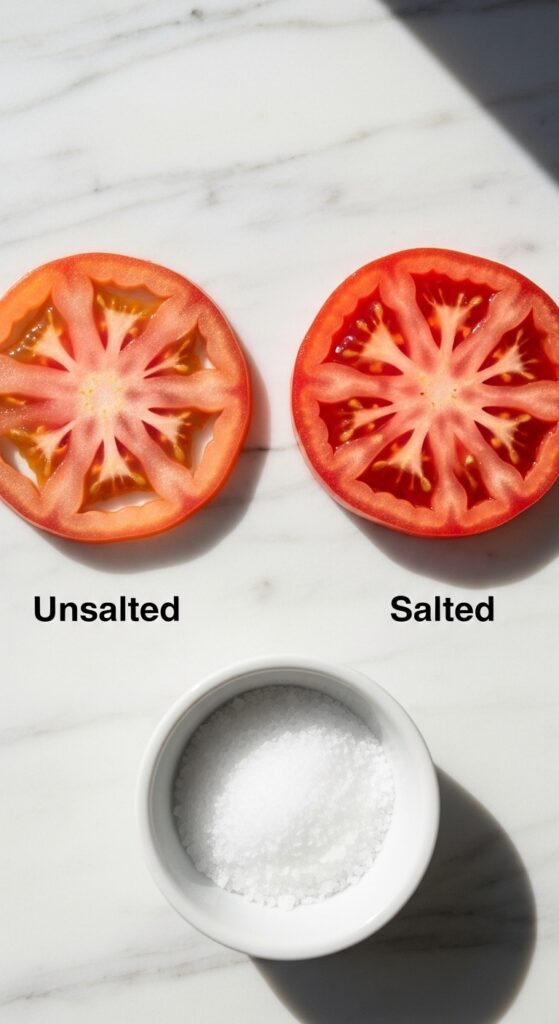
Before assembling your caprese sandwich, slice your tomatoes about ¼‑inch thick and sprinkle them lightly with sea salt. Let them sit for five minutes. This draws out excess moisture (preventing sogginess) and intensifies their natural sweetness.
Fresh Basil: The Fragrant Crown
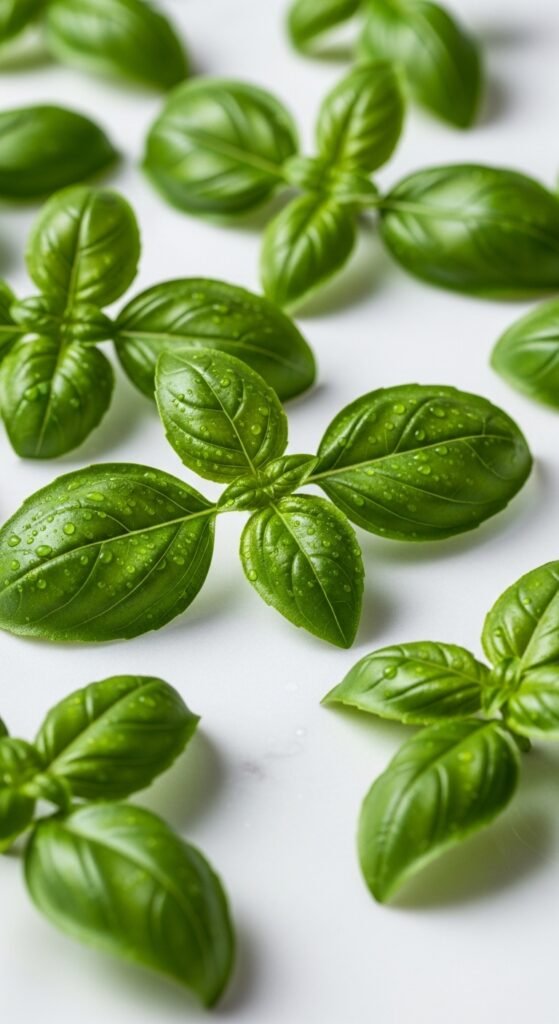
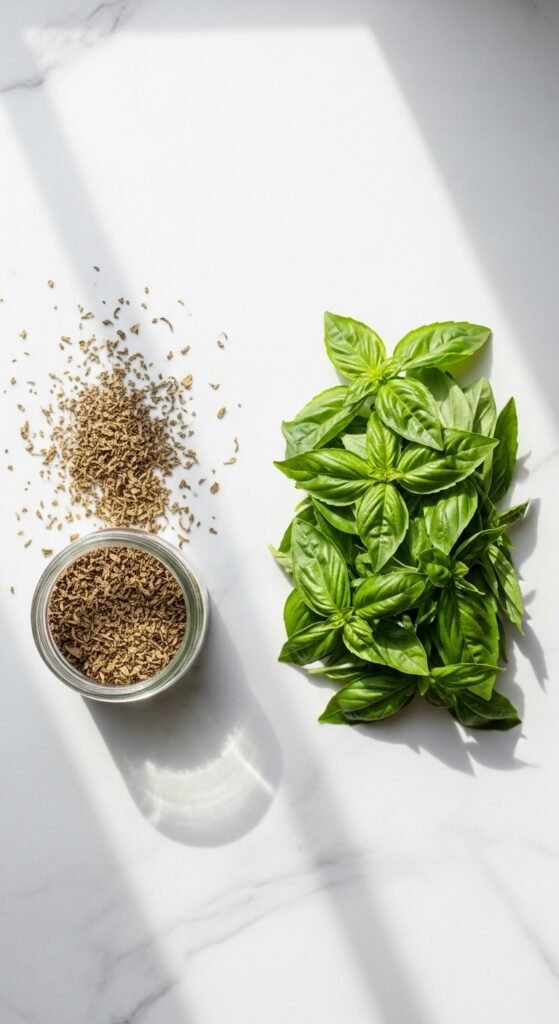
Basil isn’t just a garnish—it’s an essential flavor component. For your caprese sandwich, always use fresh basil leaves, never dried.
When shopping, look for vibrant green leaves without dark spots or wilting. The smell should be intensely aromatic, almost peppery and sweet at the same time.
To prepare basil, gently wash the leaves and pat them completely dry. Wet basil becomes slimy and loses its punch. Then, stack the leaves, roll them like a cigar, and slice thinly into ribbons (this technique is called chiffonade). Alternatively, leave small leaves whole for beautiful presentation.
Never chop basil with a dull knife. The bruising causes blackening and bitterness. A sharp knife creates clean cuts that preserve flavor.
Extra Virgin Olive Oil: The Liquid Gold
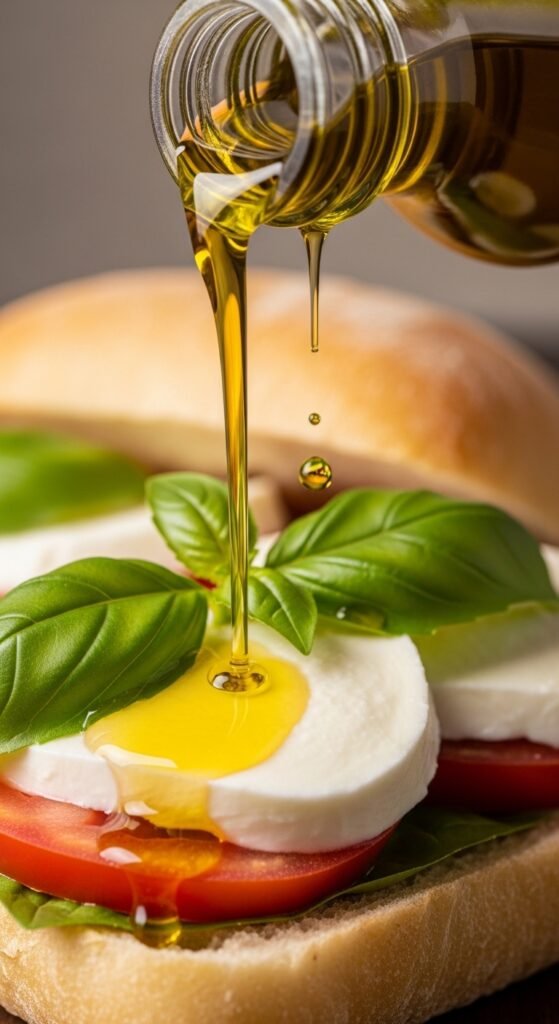
A drizzle of exceptional extra virgin olive oil transforms your caprese sandwich from good to transcendent. This isn’t the place for generic “pure olive oil” or budget blends.
Look for bottles labeled “cold‑pressed” and “first cold press” with a harvest date within the last 18 months. Olive oil is a fresh product—it goes rancid over time. Taste a tiny drop before buying; it should taste fruity, slightly bitter, and peppery at the back of your throat.
Quality olive oil adds fruitiness, pepperiness, and a luxurious mouthfeel to your caprese sandwich. Use about one to two teaspoons per sandwich, drizzling directly over the tomatoes and mozzarella.
Balsamic Glaze or Vinegar: The Optional Magic Touch
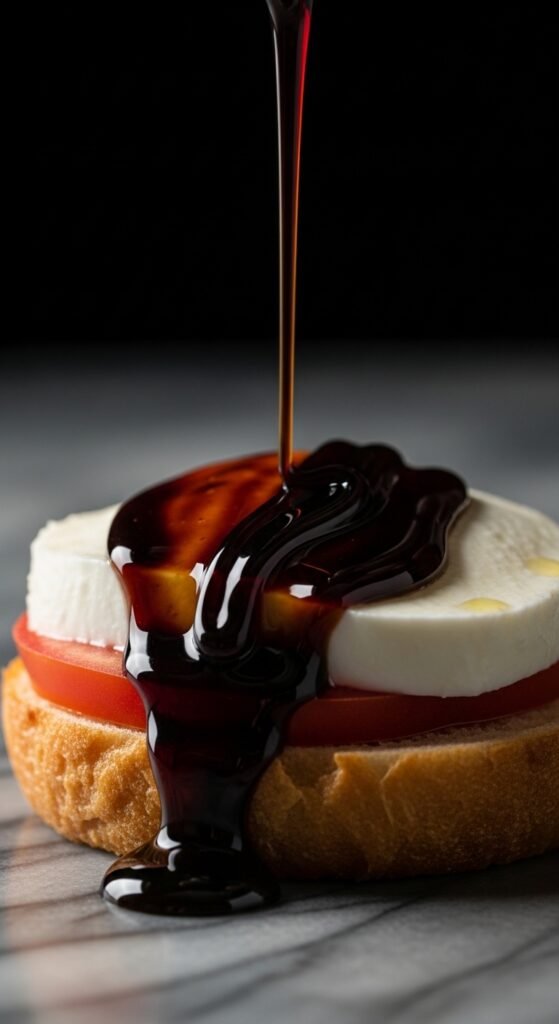
While not strictly traditional in every Italian household, a drizzle of balsamic glaze (also called balsamic reduction) has become enormously popular on caprese sandwiches—and for good reason.
Real balsamic vinegar of Modena is aged for years in wooden barrels, developing sweetness, complexity, and syrupy thickness. It costs anywhere from $30 to hundreds of dollars per bottle.
For everyday use, balsamic glaze offers an affordable alternative. This is regular balsamic vinegar that has been cooked down with sugar until it becomes thick and syrupy. You can buy it pre‑made or make your own by simmering one cup of balsamic vinegar with two tablespoons of brown sugar until it reduces by half.
The sweet‑tangy glaze cuts through the richness of mozzarella and complements the tomatoes beautifully. However, use it sparingly—a zigzag drizzle is plenty.
Salt and Pepper: The Unsung Heroes
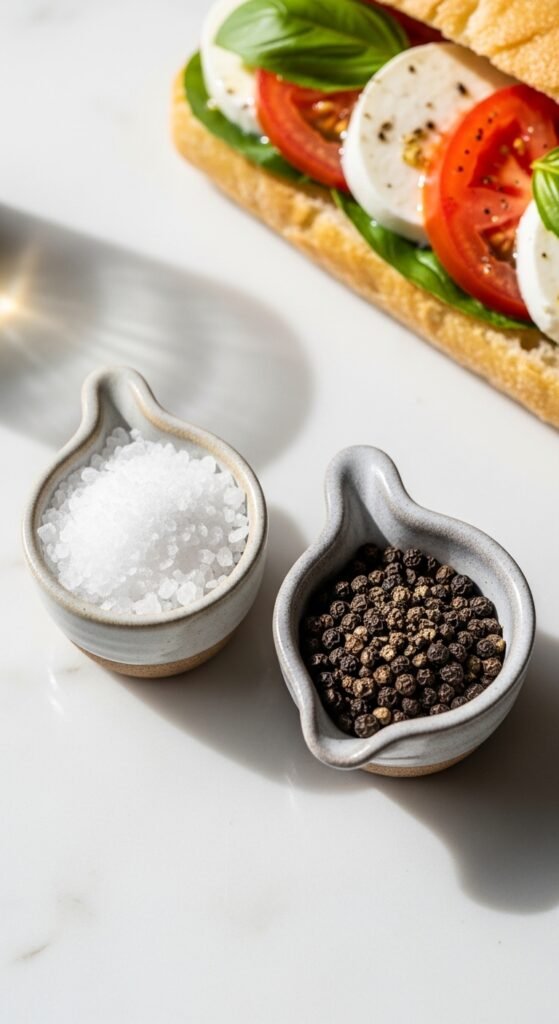
Never underestimate the power of proper seasoning. Your caprese sandwich needs flaky sea salt (like Maldon or fleur de sel) and freshly cracked black pepper.
Flaky sea salt provides bursts of salinity that make other flavors pop. Sprinkle it directly onto the tomatoes and mozzarella just before adding the top piece of bread.
Freshly cracked pepper adds subtle heat and earthiness. Pre‑ground pepper simply doesn’t compare—invest in a pepper grinder.
Step‑by‑Step Guide: Building Your Perfect Caprese Sandwich
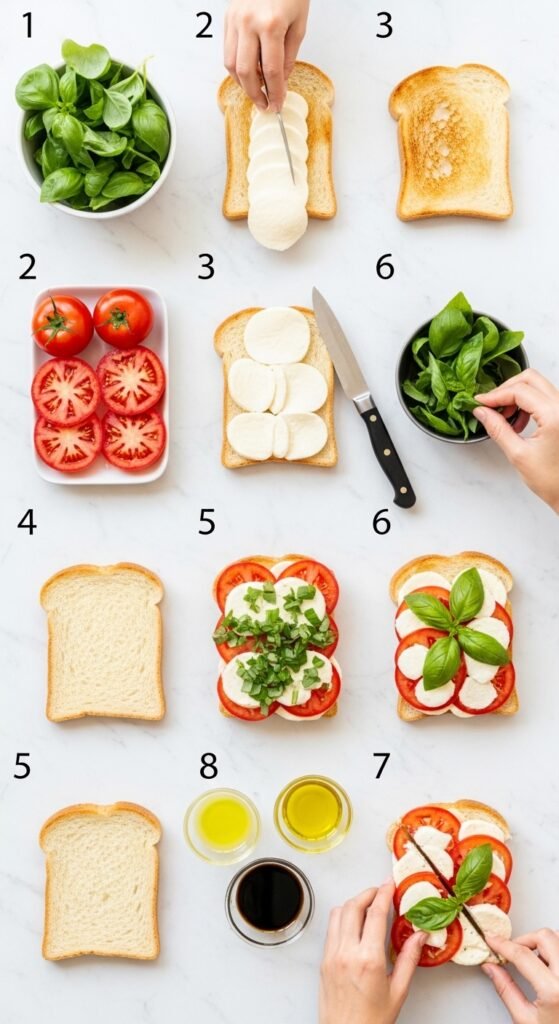
Now that you understand each component, let’s walk through the assembly process. Follow these steps, and you’ll create a caprese sandwich worthy of that Italian nonna’s approval.
Step 1: Gather Your Ingredients and Tools
Before starting, make sure you have everything within reach:
Ingredients:
- 2 slices or 1 piece of your chosen bread (ciabatta recommended)
- 4 ounces fresh mozzarella
- 1 medium ripe tomato (or 2 smaller ones)
- 6‑8 fresh basil leaves
- 2 teaspoons extra virgin olive oil
- 1 teaspoon balsamic glaze (optional)
- Flaky sea salt
- Freshly cracked black pepper
Tools:
- Serrated bread knife
- Sharp chef’s knife
- Cutting board
- Small spoon or drizzle bottle for oil
- Toaster or skillet (optional)
Step 2: Prepare Your Bread
If using a whole loaf or large piece of bread, slice it horizontally. For a standard caprese sandwich, aim for slices about ¾‑inch thick. A serrated knife prevents crushing.
Lightly toast your bread using one of these methods:
- Toaster: Toast until lightly golden (not dark brown)
- Skillet: Heat a dry skillet over medium heat and toast each side for 1‑2 minutes
- Oven: Broil for 30‑60 seconds per side, watching carefully to prevent burning
The goal is a bread that’s warm and crispy on the outside but still soft inside.
Step 3: Slice the Mozzarella
Remove your fresh mozzarella from its liquid and pat it dry with paper towels. Excess moisture leads to sogginess.
Using a sharp knife, slice the mozzarella into ¼‑inch thick rounds. If your mozzarella is particularly soft, a serrated knife or even unflavored dental floss can create clean cuts without squishing.
Arrange the slices on a paper towel‑lined plate and lightly salt them. Let them sit while you prepare other ingredients.
Step 4: Prepare the Tomatoes
Wash your tomato and remove the stem. Slice into ¼‑inch thick rounds.
Arrange tomato slices on a separate paper towel and sprinkle with sea salt. Wait 5 minutes, then gently press another paper towel on top to absorb released liquid. This step dramatically improves your caprese sandwich texture.
Step 5: Prepare the Basil
Wash basil leaves and dry them thoroughly—a salad spinner works wonders here. Stack the leaves, roll them tightly, and slice into thin ribbons. Alternatively, leave small leaves whole for visual appeal.
Step 6: Assemble the Bottom Layer
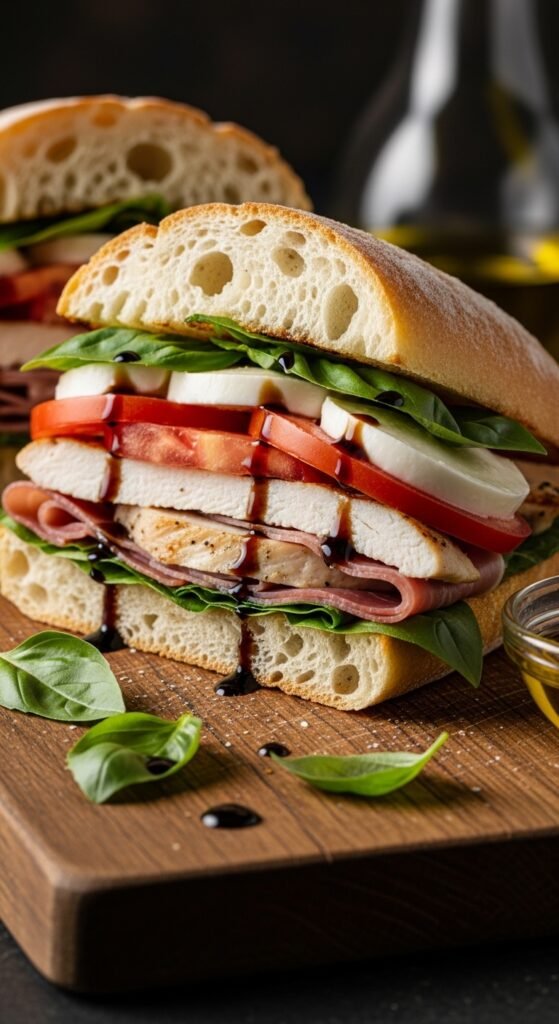
Place your bottom piece of bread on the cutting board. Drizzle with about half a teaspoon of olive oil, using the back of a spoon to spread it evenly.
Layer half of your mozzarella slices across the bread, overlapping slightly. Follow with half of your tomato slices. Sprinkle with a pinch of flaky salt and a few cracks of black pepper. Scatter half of your basil ribbons.
Step 7: Add the Middle Layer
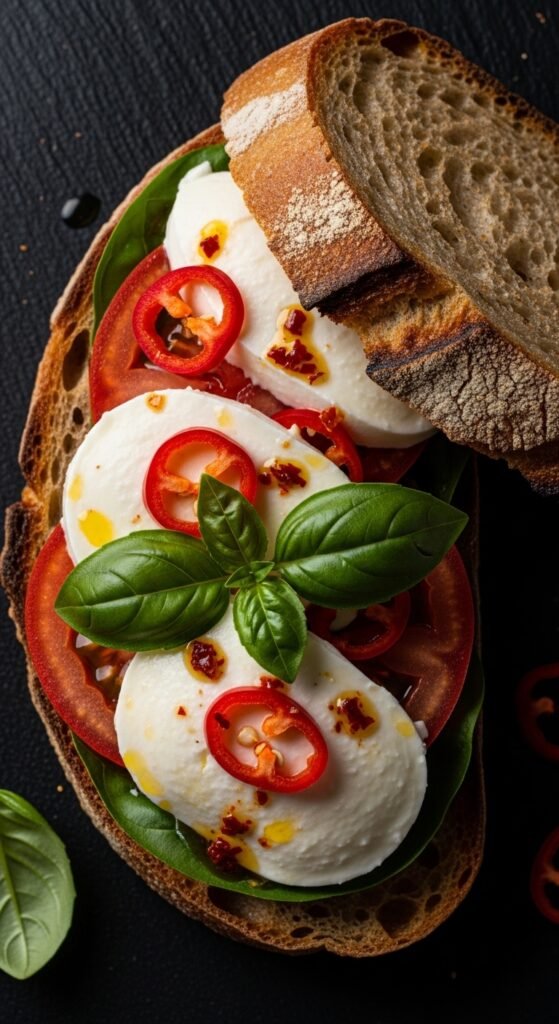
Repeat the layering process with remaining mozzarella, tomatoes, basil, salt, and pepper. This double‑layer approach ensures every bite contains all three main ingredients.
Step 8: Drizzle and Top
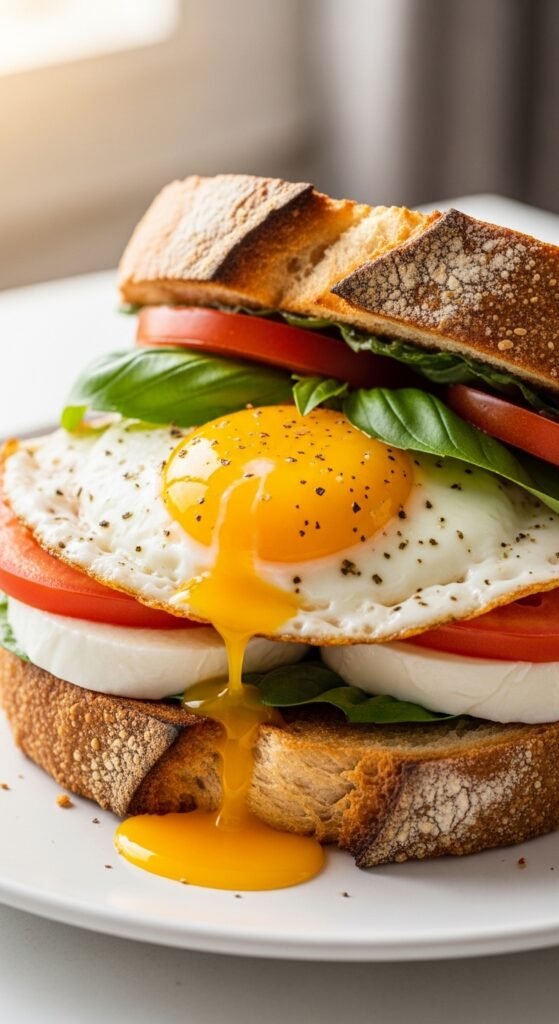
Drizzle the remaining olive oil over everything. If using balsamic glaze, add it now in a decorative zigzag pattern.
Place your top piece of bread on the sandwich. Gently press down to help everything adhere.
Step 9: Slice and Serve
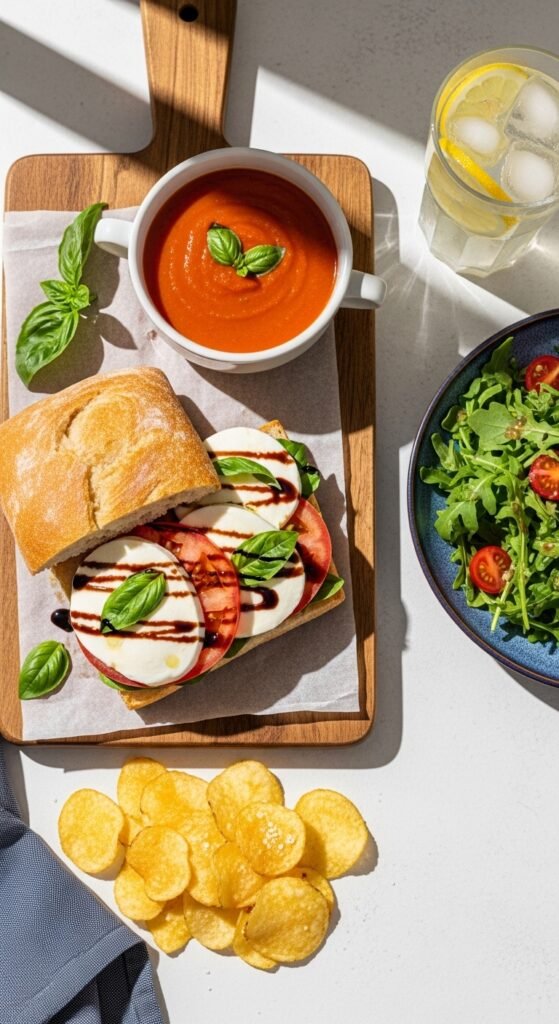
For the best experience, let your assembled caprese sandwich rest for 2‑3 minutes before cutting. This allows flavors to meld.
Using a serrated knife, slice the sandwich diagonally or straight down the middle. The diagonal cut creates more surface area and looks more appealing on a plate.
Serve immediately. A caprese sandwich waits for no one—the tomatoes will gradually make the bread soggy, so eat within 30 minutes of assembly.
Delicious Variations to Keep Things Interesting
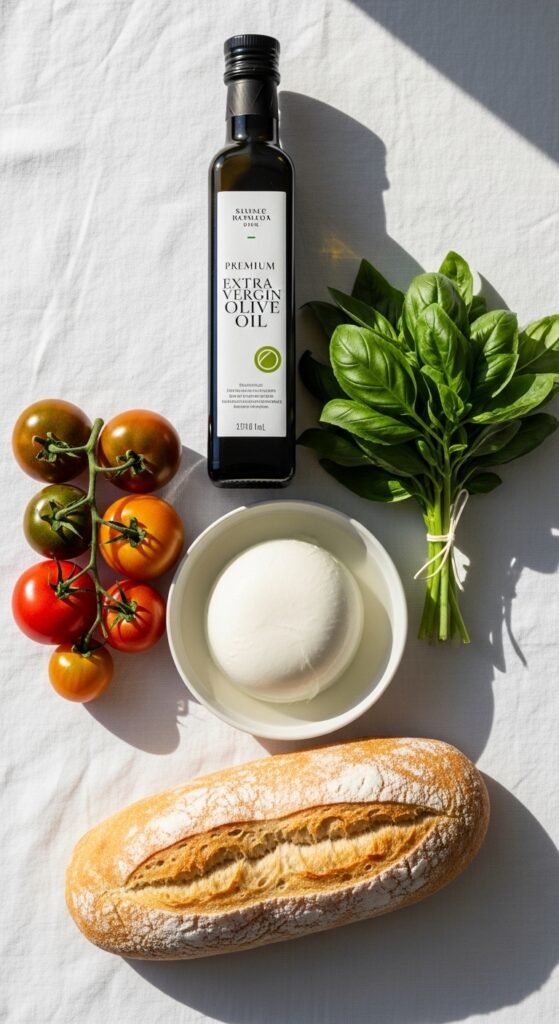
Once you’ve mastered the classic caprese sandwich, don’t be afraid to experiment. Here are some of my favorite variations that maintain the caprese spirit while adding new dimensions.
Grilled Caprese Sandwich (Panini‑Style)
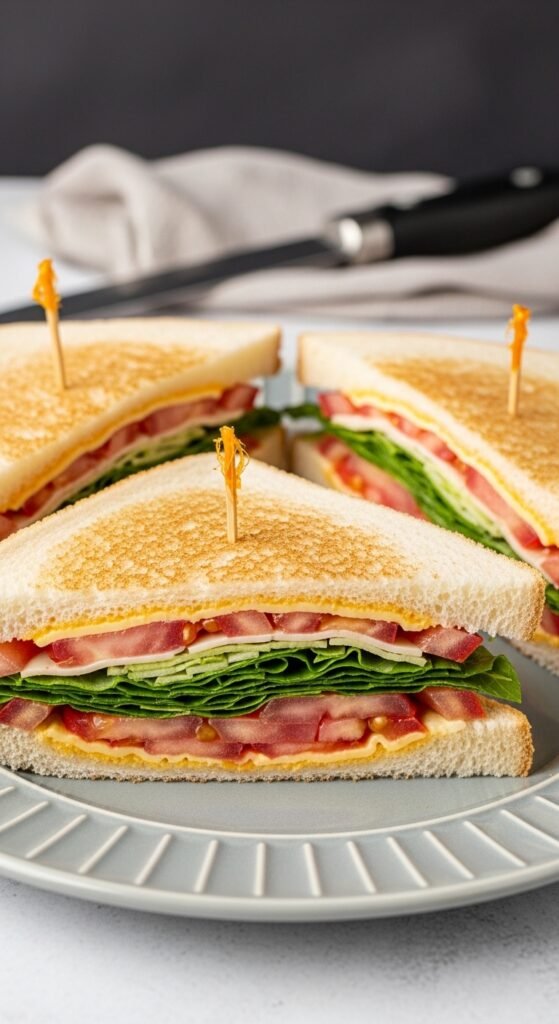
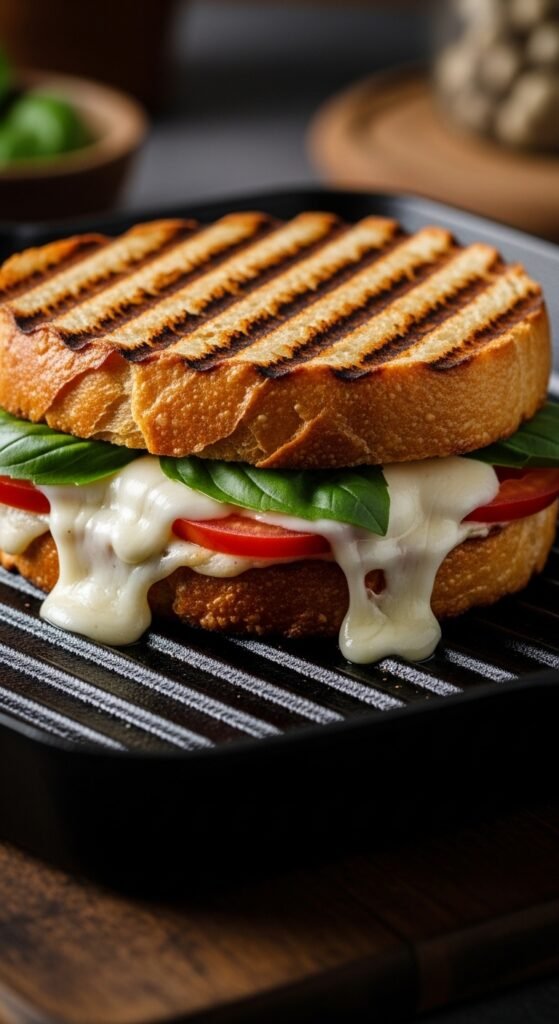
Transform your caprese sandwich into a warm, melty panini. After assembly, brush the outside of the bread with olive oil and cook in a panini press or heavy skillet for 3‑4 minutes per side until golden brown and the mozzarella begins to melt. The warmth softens the cheese and releases aromatic compounds from the basil. This version works especially well on rainy days or during cooler months.
Pesto Caprese Sandwich
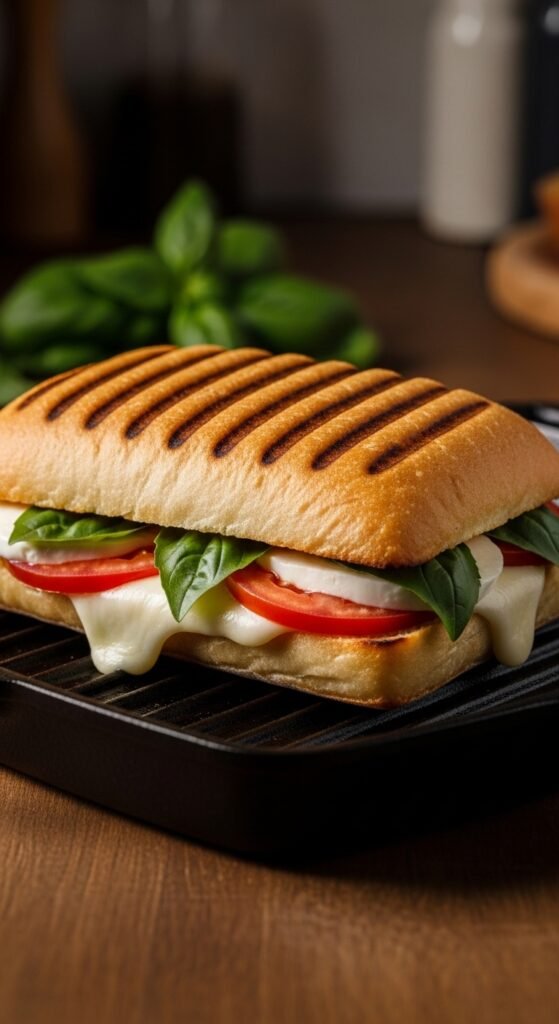
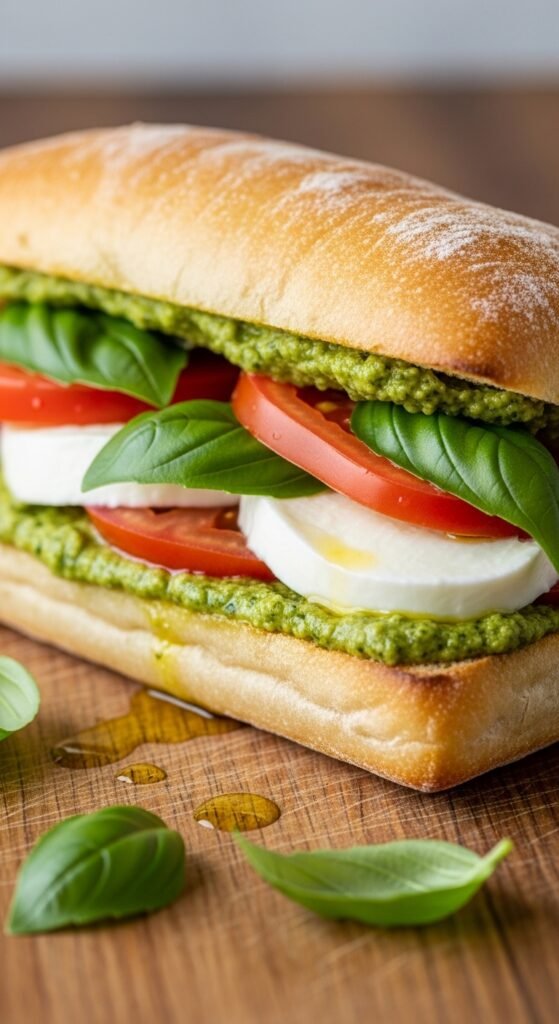
Replace fresh basil leaves with a generous spread of homemade pesto. The pesto adds garlic, pine nuts, and Parmesan cheese to the equation. Simply spread pesto on both pieces of bread before layering mozzarella and tomatoes. The result is a more assertive, savory caprese sandwich that pesto lovers will devour.
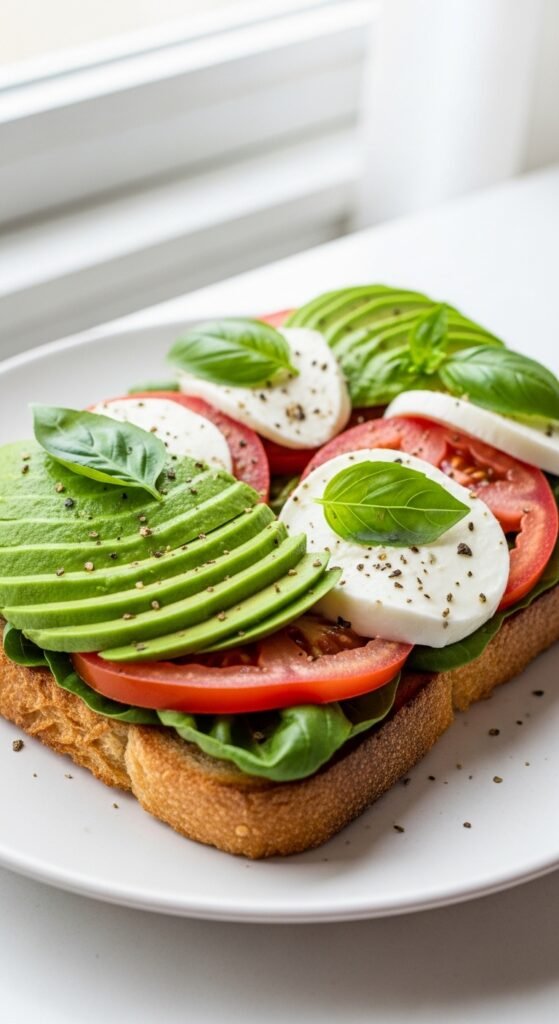
Avocado Caprese Sandwich
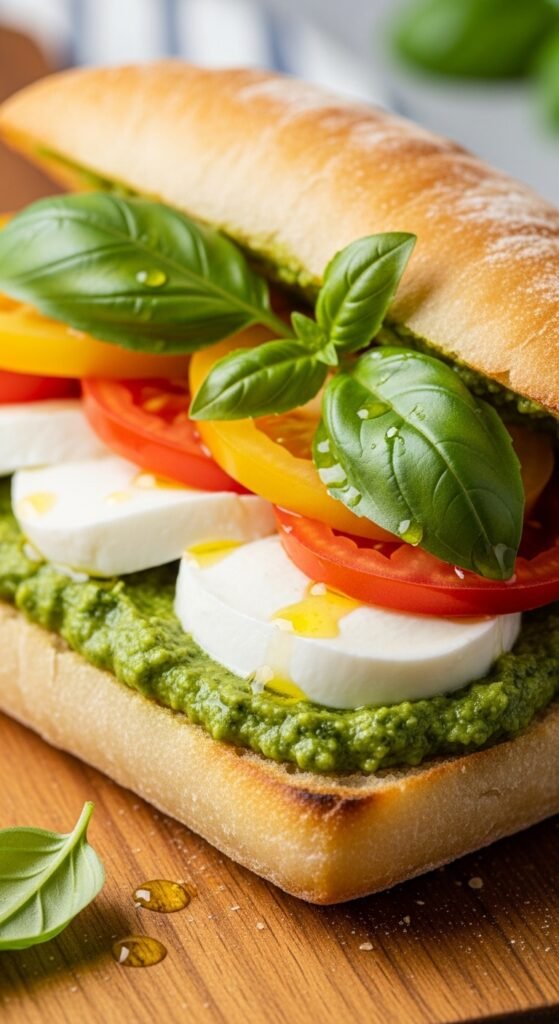
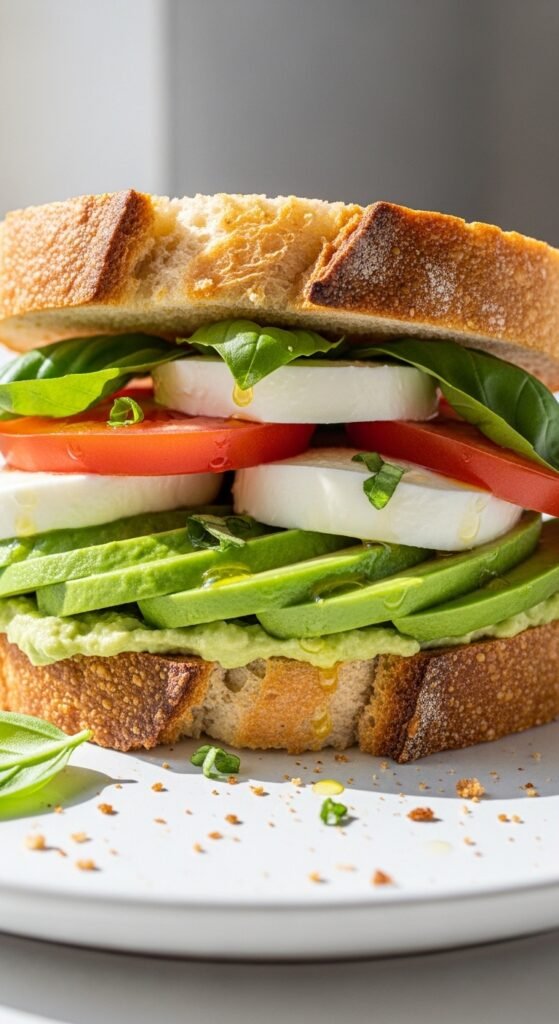
Add sliced avocado for extra creaminess and healthy fats. Layer the avocado between the mozzarella and tomatoes. The mild, buttery flavor of avocado complements rather than competes with the other ingredients. Additionally, the avocado adds staying power, making this version more filling for lunch.
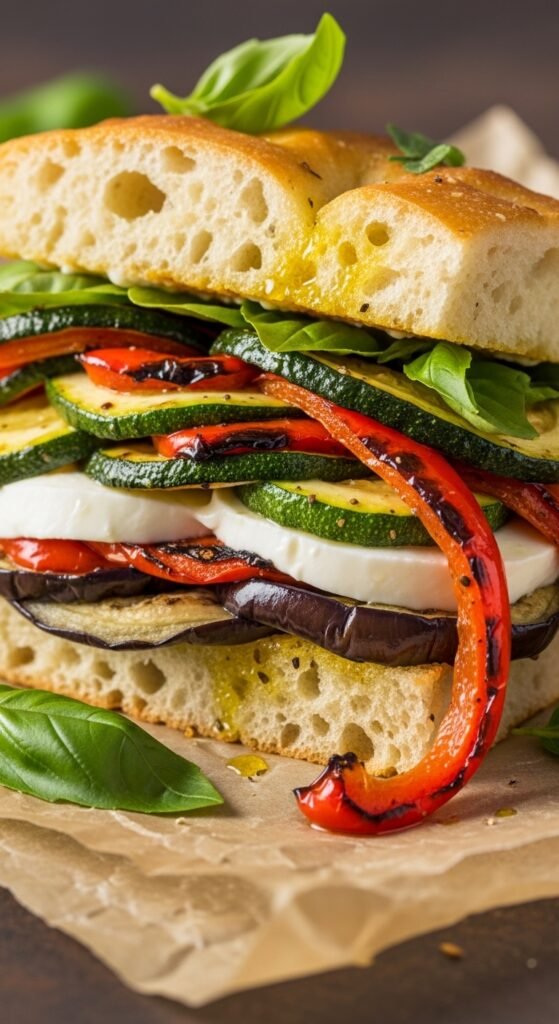
Roasted Vegetable Caprese Sandwich
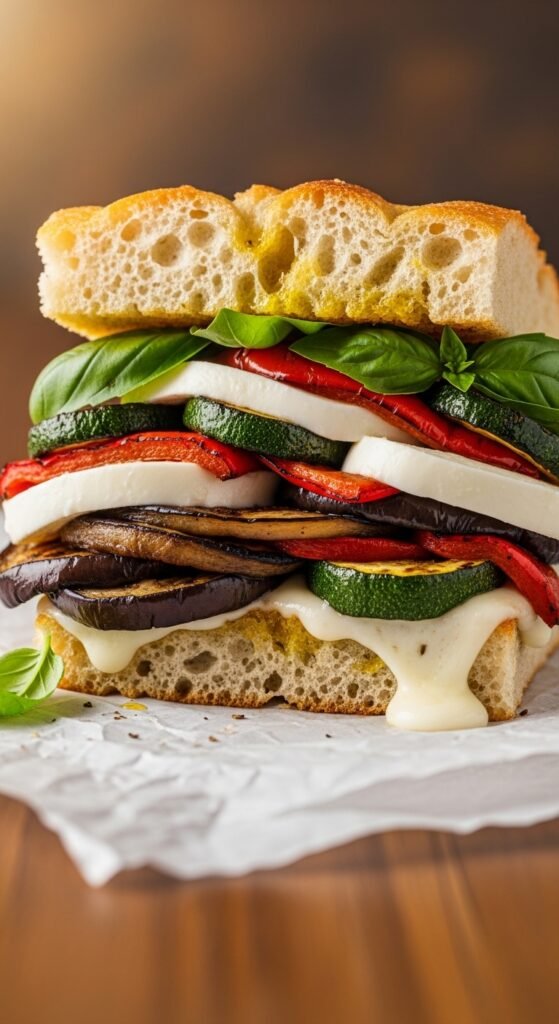
Roast zucchini, bell peppers, and eggplant until caramelized and tender. Let them cool slightly, then layer them alongside or in place of some of the fresh tomatoes. Roasting concentrates natural sugars and adds smoky depth. This variation tastes amazing during autumn when peak tomatoes become harder to find.
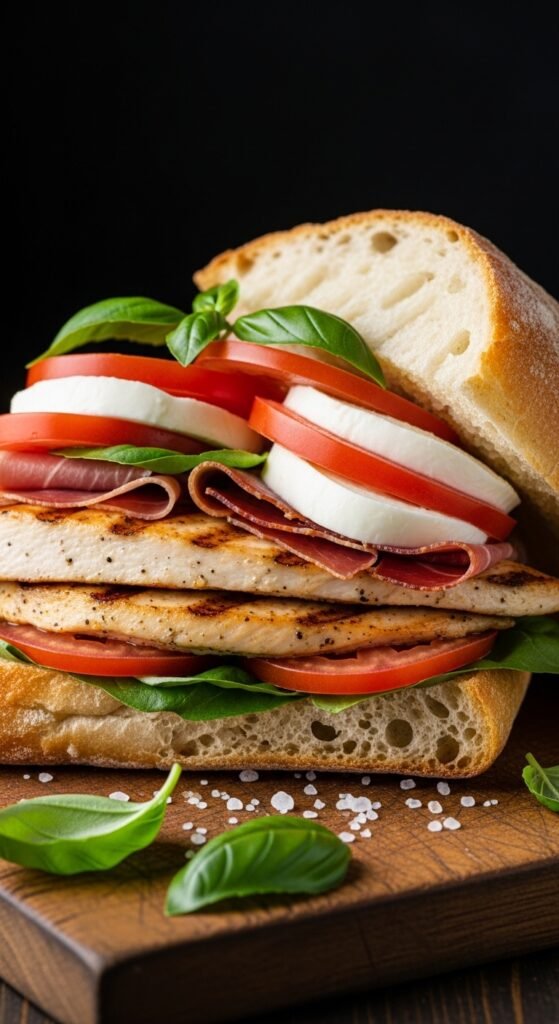
Protein‑Packed Caprese Sandwich
Add grilled chicken, turkey, prosciutto, or salami for meat‑eaters. For vegetarian protein, try crispy chickpeas, marinated tofu, or tempeh bacon. The key is choosing proteins with relatively neutral or complementary flavors that won’t overwhelm the delicate caprese balance.
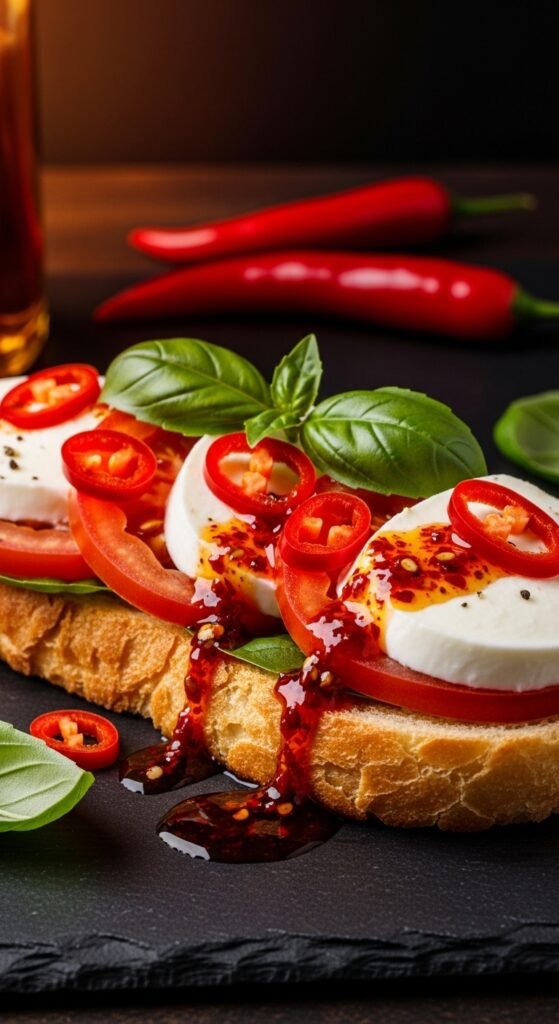
Spicy Caprese Sandwich
Add crushed red pepper flakes, fresh jalapeño slices, or a drizzle of spicy chili oil. The heat contrasts beautifully with the cool mozzarella and sweet tomatoes. Start with a small amount—you can always add more, but you can’t take it away.
Breakfast Caprese Sandwich
Add a fried or poached egg on top of the tomatoes. When you bite in, the runny yolk creates a luxurious sauce that coats everything. Sprinkle with everything bagel seasoning for extra texture and flavor. This version has saved many of my rushed weekday mornings.
Pairing Suggestions: What to Serve With Your Caprese Sandwich
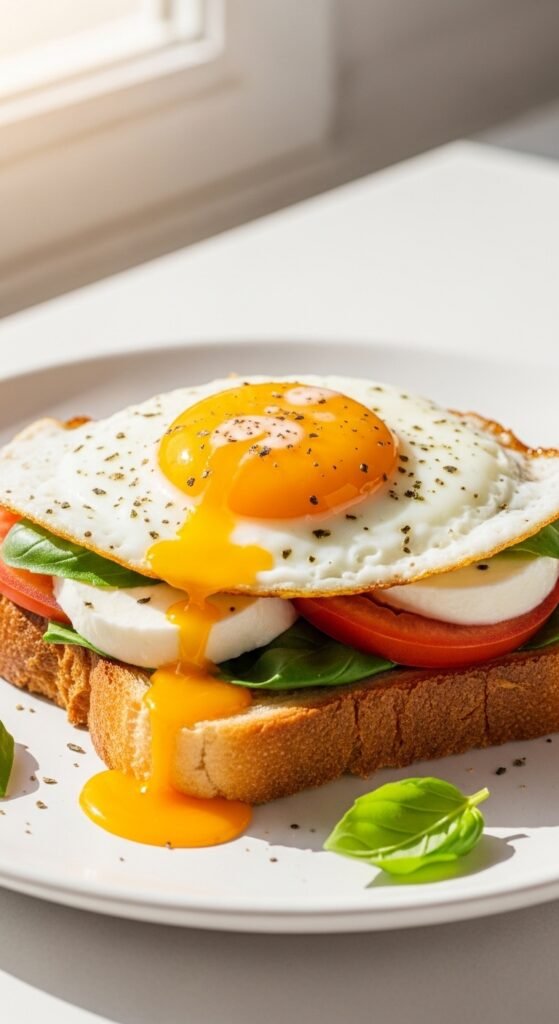
A perfect caprese sandwich deserves equally wonderful companions. Here’s what to serve alongside it.
Soups
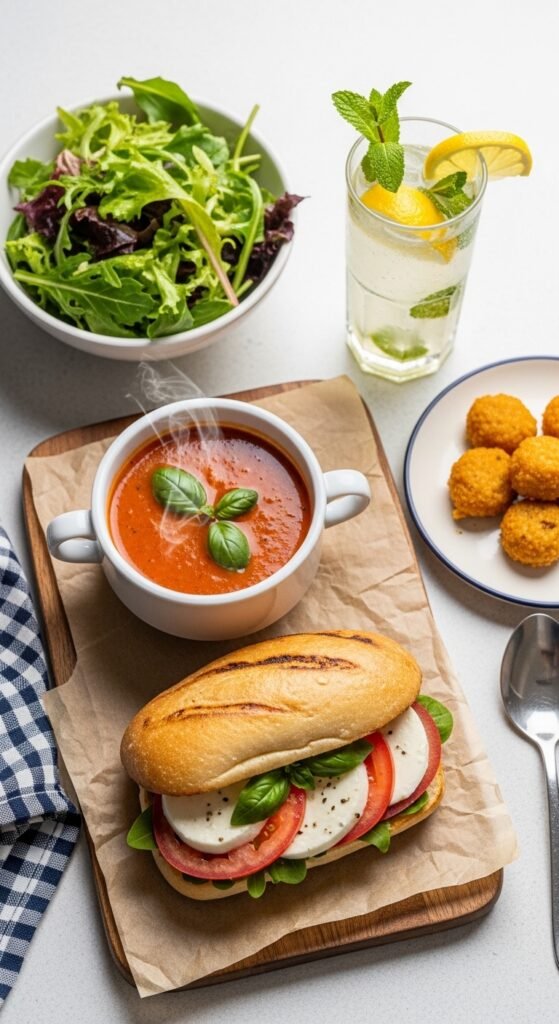
- Tomato basil soup: The classic pairing. Dip your sandwich directly into the soup for maximum enjoyment.
- Minestrone: This hearty vegetable soup mirrors the Italian theme and adds warmth.
- Roasted red pepper and tomato soup: Smoky, sweet, and utterly delicious.
Salads
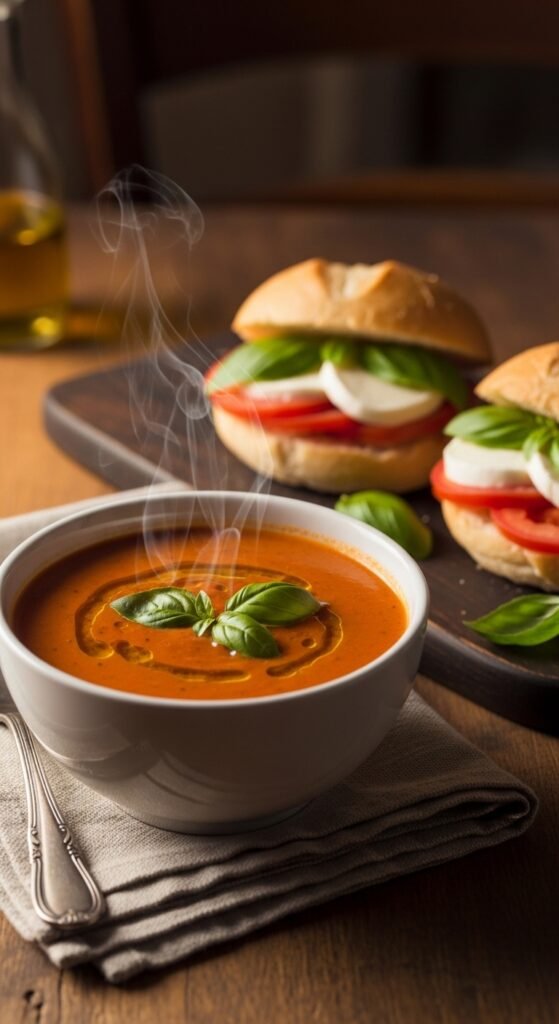
- Simple arugula salad: Toss arugula with lemon juice, olive oil, and shaved Parmesan. The peppery greens contrast nicely with the creamy sandwich.
- Mediterranean chickpea salad: Cucumbers, tomatoes, red onion, parsley, and chickpeas dressed in lemon‑oregano vinaigrette.
- Caesar salad: The tangy dressing and crunchy croutons complement the caprese flavors.
Sides
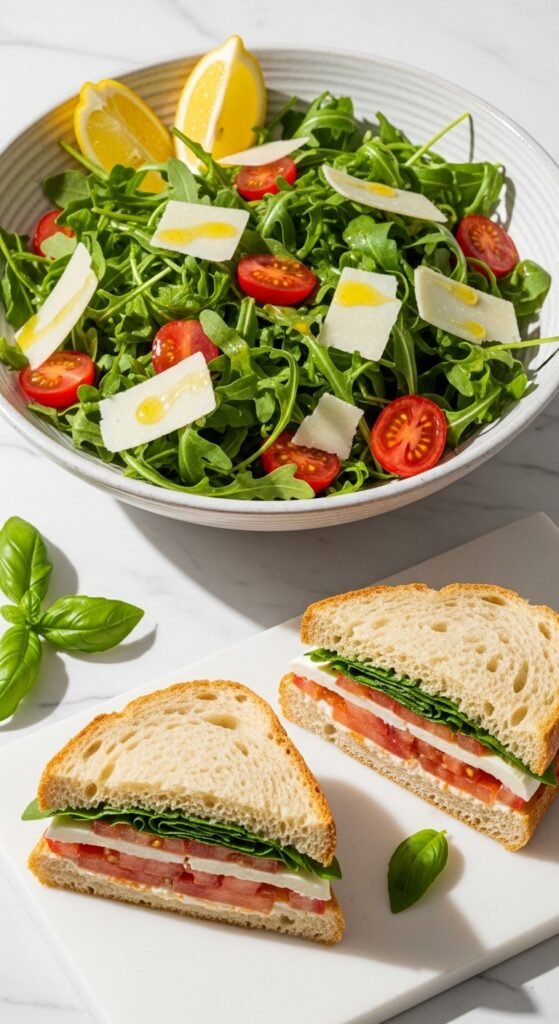
- Kettle chips: Salt and vinegar or plain salted chips add crunch and saltiness.
- Fresh fruit: Sliced peaches, melon, or berries provide refreshing sweetness.
- Olives and pickled vegetables: Castelvetrano olives, pepperoncini, or pickled red onions add briny pops of flavor.
- Roasted potatoes: Crispy rosemary‑garlic potatoes turn your sandwich into a heartier meal.
Beverages
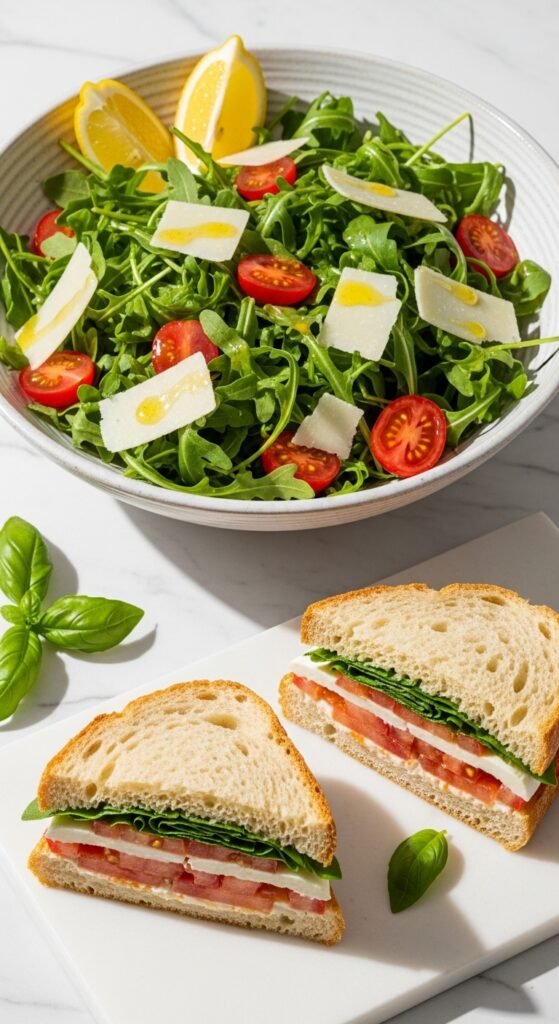
- Italian sodas: Sparkling water with fruit syrup and cream
- Lemonade: Especially blood orange or basil‑infused lemonade
- Iced tea: Peach or plain unsweetened
- Sparkling water: With a squeeze of lemon or lime
- White wine: Pinot Grigio or Sauvignon Blanc for adult gatherings
Where to Buy Quality Ingredients (And What to Look For)

By now, I hope I’ve convinced you that premium ingredients make all the difference in your caprese sandwich. But where should you shop? Let me guide you.
Fresh Mozzarella
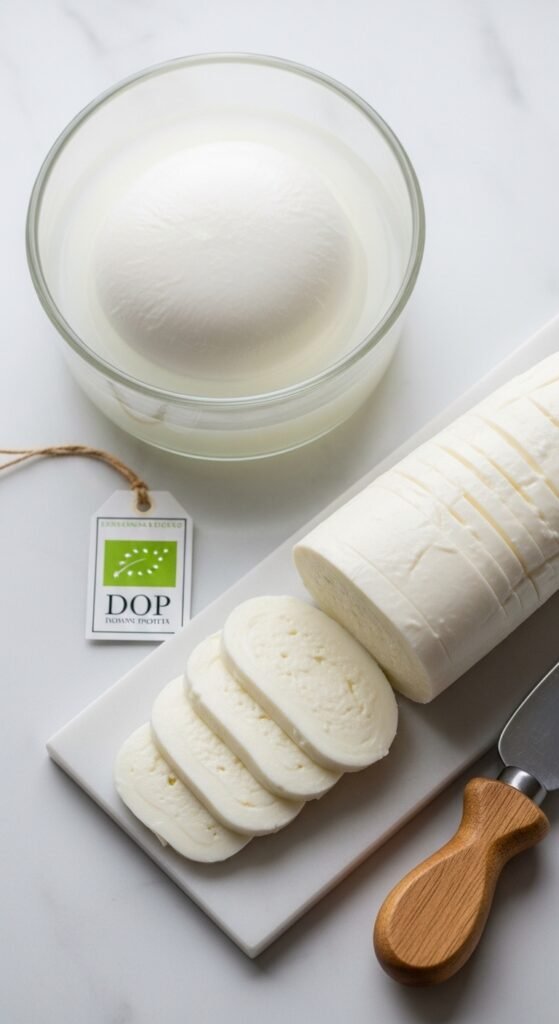
- Best sources: Italian specialty shops, Whole Foods, high‑end grocery stores, local cheese shops, farmers’ markets
- What to look for: Cheese stored in liquid, soft and springy to touch, milky aroma, recent production date
- What to avoid: Vacuum‑sealed blocks, shredded mozzarella, cheese that feels firm or rubbery, sour or ammonia smells
- Average price: $5‑12 for 8 ounces (buffalo mozzarella costs more)
Tomatoes
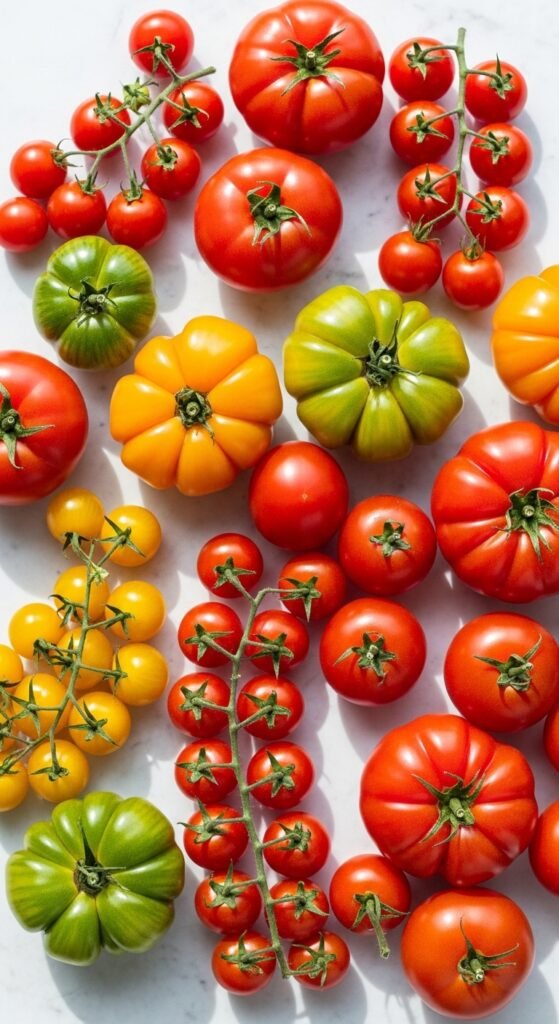
- Best sources: Farmers’ markets, farm stands, local CSAs, your own garden, higher‑end grocery produce sections
- What to look for: Heavy for their size, fragrant at the stem end, deeply colored, slightly soft when gently squeezed
- What to avoid: Pale or hard tomatoes, refrigerated tomatoes, tomatoes with cracks or bruises
- Average price: $2‑5 per pound for heirlooms, less for conventional
Extra Virgin Olive Oil
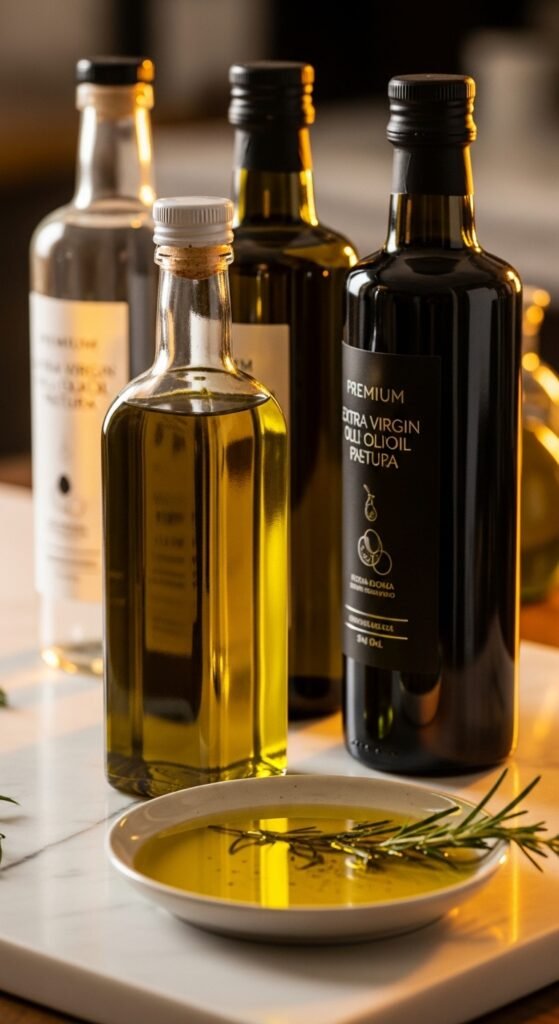
- Best sources: Italian markets, Trader Joe’s (premium options), Costco (Kirkland organic), online retailers like Brightland or Graza
- What to look for: Harvest date within 18 months, dark glass bottle, “cold‑pressed” and “first cold press” labels, PDO or PGI certification for Italian oils
- What to avoid: Clear glass bottles, oils with “product of Italy, Spain, Greece, and Tunisia” (single origin is better), cheap blends, plastic bottles
- Average price: $15‑30 for a 500ml bottle of quality oil
Basil
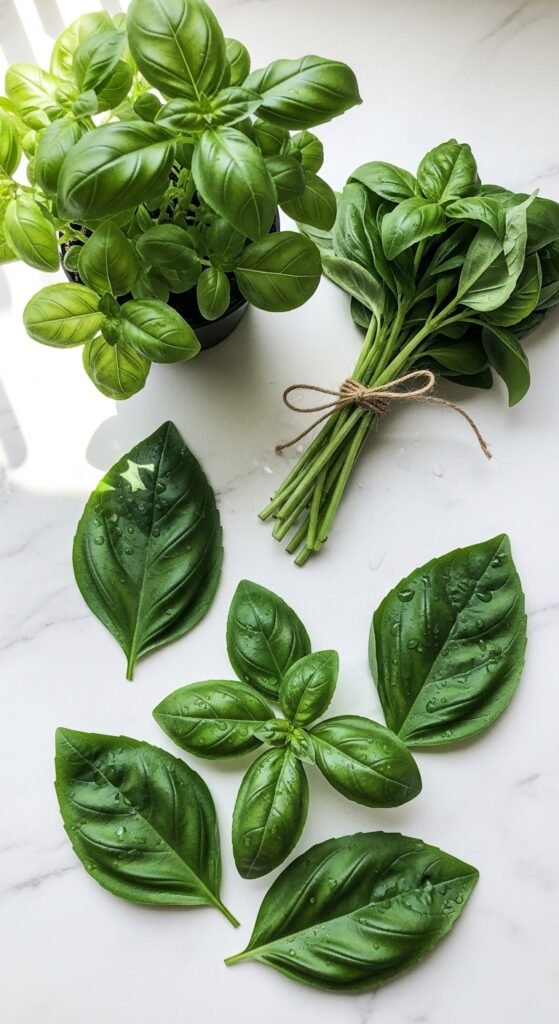
- Best sources: Farmers’ markets, grocery store produce sections, grow your own (it’s incredibly easy)
- What to look for: Bright green leaves, no dark spots, strong aroma, perky stems
- What to avoid: Wilting or yellowing leaves, slimy stems, no noticeable smell
- Average price: $2‑4 for a bunch
Bread
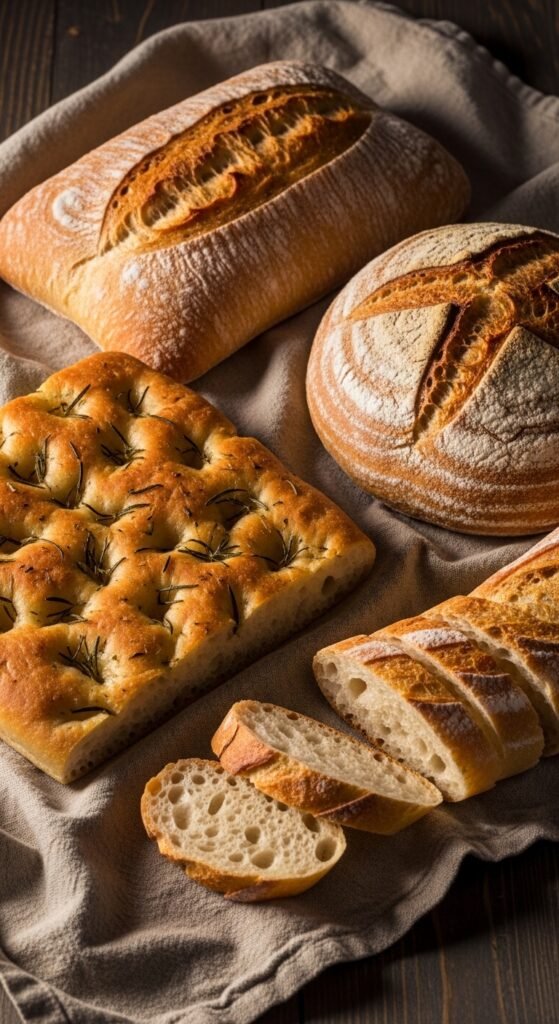
- Best sources: Local bakeries, grocery store bakeries (not the bread aisle), farmers’ markets
- What to look for: Crusty exterior, soft interior, baked that morning, slight sheen from egg wash or oil
- What to avoid: Pre‑sliced sandwich bread, bread with preservatives, bagged bread from the bread aisle
- Average price: $3‑6 per loaf
Common Mistakes (And How to Avoid Them)
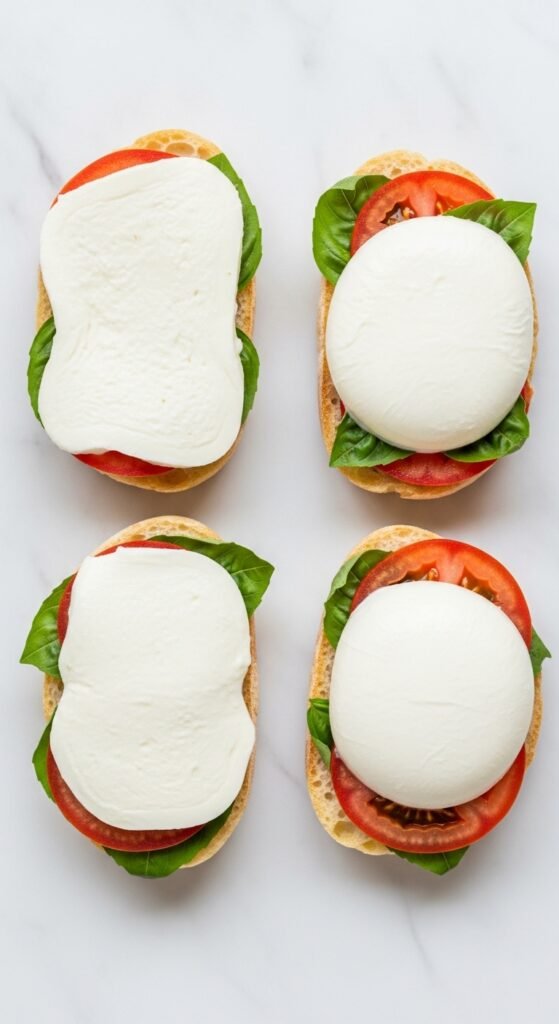
After making hundreds of caprese sandwiches, I’ve learned what not to do. Learn from my failures.
Mistake #1: Using Cold Ingredients
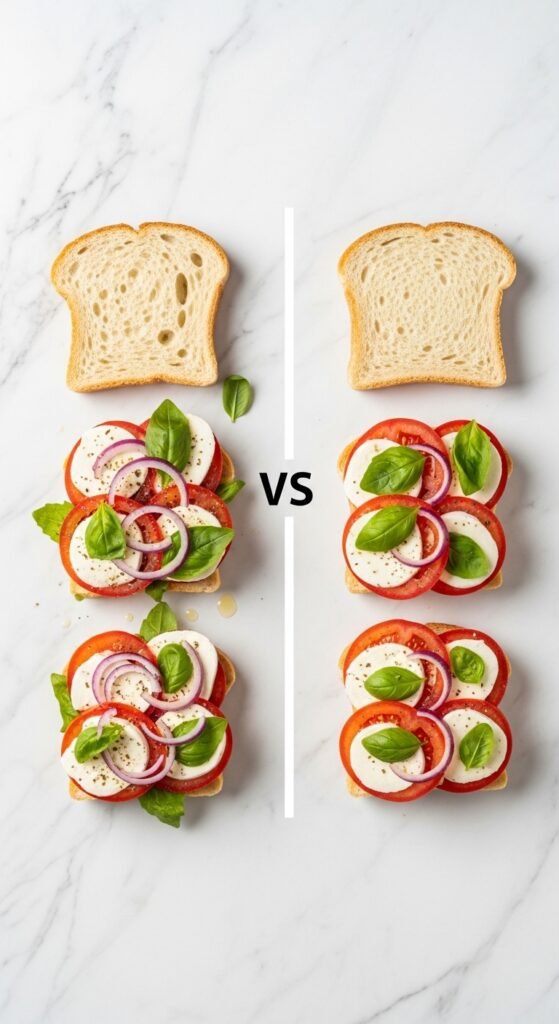
Refrigerated mozzarella and tomatoes lose flavor and develop unpleasant textures. Always let ingredients come to room temperature for 20‑30 minutes before assembling. Your taste buds will thank you.
Mistake #2: Overloading the Sandwich
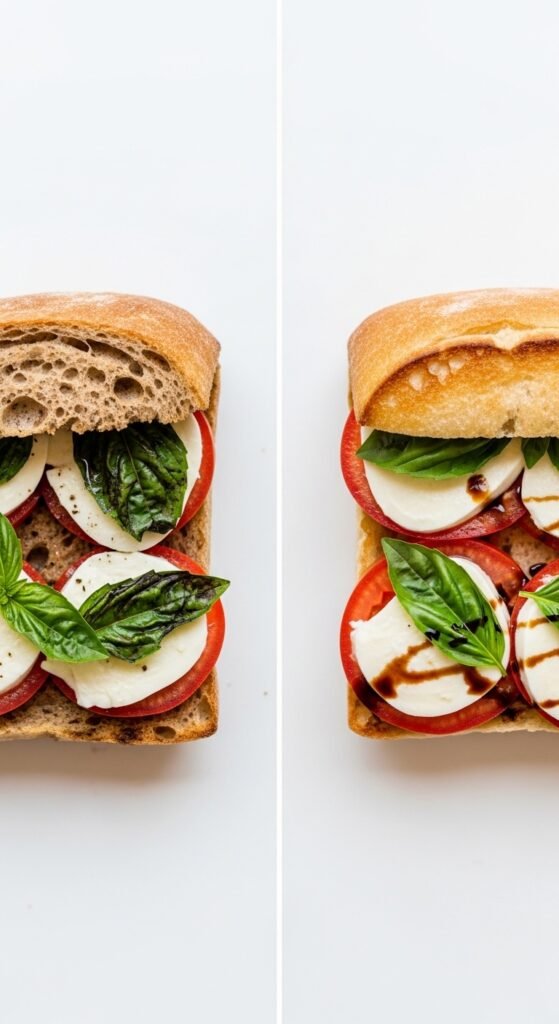
More isn’t always better. Piling on too many ingredients makes the sandwich difficult to eat, causes everything to slide out, and overwhelms individual flavors. Stick to the proportions I’ve outlined.
Mistake #3: Skipping the Salt
Unsalted tomatoes taste flat. Unsalted mozzarella tastes like nothing. Salt isn’t optional here—it’s essential. Use flaky sea salt specifically for its texture and clean flavor.
Mistake #4: Using Dried Basil
Dried basil tastes like hay. Fresh basil tastes like summer. There’s no substitution—use fresh or leave it out entirely.
Mistake #5: Assembling Too Early
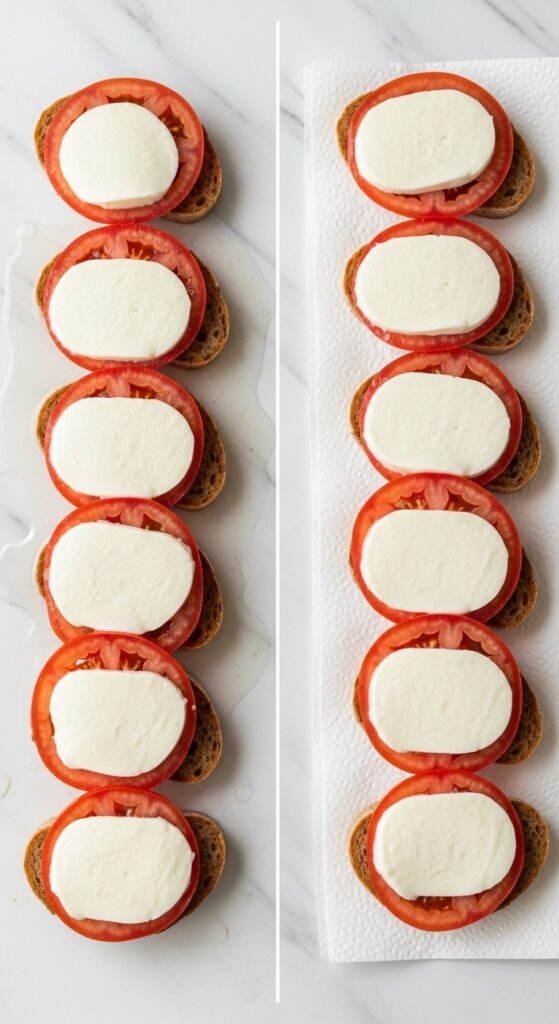
A caprese sandwich has a short shelf life. Assemble it within 30 minutes of eating. If you need to meal prep, store components separately and assemble at mealtime.
Mistake #6: Forgetting to Dry Ingredients
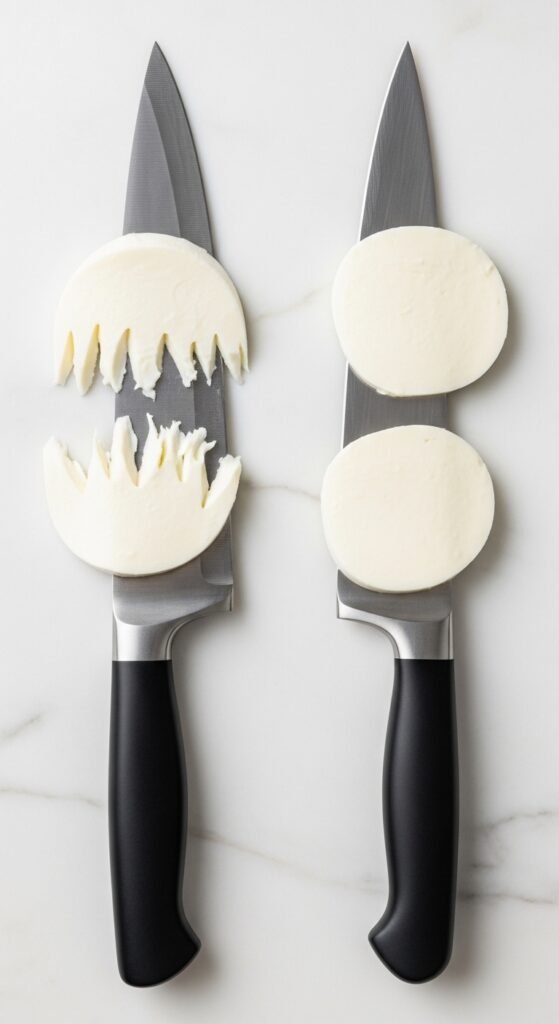
Wet mozzarella and wet tomatoes create a soggy mess. Pat everything dry before assembling. Those few seconds of effort prevent sandwich sadness.
Mistake #7: Using a Dull Knife
Dull knives crush bread instead of slicing it. They also bruise tomatoes and basil. Keep your knives sharp or use a serrated bread knife for all cutting tasks.
Frequently Asked Questions
Can I make a caprese sandwich ahead of time?
Yes, but with caveats. Assemble without the olive oil and balsamic glaze, wrap tightly in parchment paper then plastic wrap, and refrigerate for up to 4 hours. Add wet ingredients just before serving. Alternatively, pack all components separately and assemble at your destination.
Is a caprese sandwich healthy?
Absolutely. A standard caprese sandwich contains approximately 400‑600 calories with 15‑20g protein, 30‑40g carbohydrates, and 20‑25g fat (mostly healthy monounsaturated fat from olive oil). It provides calcium, vitamin C, vitamin K, and antioxidants. For a lighter version, use less cheese and open‑face preparation.
Can I freeze a caprese sandwich?
No. Freezing destroys the texture of fresh mozzarella and tomatoes. Upon thawing, the cheese becomes grainy and the tomatoes turn mushy. Always make this sandwich fresh.
What’s the best bread for a caprese sandwich?
Ciabatta remains the top choice for its balance of crust and crumb. Focaccia comes in second. Ultimately, choose whatever high‑quality, crusty bread you enjoy most.
Is a caprese sandwich vegan?
Traditional versions contain mozzarella, so no. However, you can create a vegan caprese sandwich using plant‑based mozzarella (look for brands like Miyoko’s or Violife), nutritional yeast for cheesiness, and the same tomatoes, basil, and olive oil.
Why is my bread getting soggy immediately?
Several possible culprits: tomatoes weren’t salted and drained, mozzarella wasn’t patted dry, you added too much olive oil, or the sandwich sat too long before eating. Follow the preparation steps carefully to prevent sogginess.
Why You Should Buy Premium Ingredients Today
Let me address the elephant in the room. You might be thinking, “This all sounds wonderful, but do I really need to spend extra money on buffalo mozzarella and imported olive oil?”
My answer comes from personal experience. For years, I made caprese sandwiches with cheap supermarket ingredients. They tasted fine—nothing special, but acceptable. Then one day, I splurged. I spent $12 on a ball of buffalo mozzarella, $8 on heirloom tomatoes, $20 on a bottle of single‑origin olive oil, and $5 on fresh ciabatta.
That sandwich cost nearly $50 in ingredients (though I used only a fraction of each). Was it worth it?
Absolutely. Every. Single. Penny.
The mozzarella was so creamy it practically dissolved on my tongue. The tomatoes tasted like candy—sweet, complex, and bursting with juice. The olive oil added peppery, fruity notes I’d never experienced. Together, they created something transcendent.
Here’s the secret: you don’t need to spend $50 every time. Those premium ingredients last for multiple sandwiches. The mozzarella gives you 2‑3 servings. The olive oil lasts for months. The tomatoes cost less in season. When you break it down, each caprese sandwich made with premium ingredients costs about $5‑7—less than a fast food combo meal.
Moreover, investing in quality supports small farmers, artisanal cheesemakers, and sustainable agriculture. You’re voting with your wallet for better food systems.
So here’s my challenge to you: visit a farmers’ market or specialty food store this week. Buy the best mozzarella, tomatoes, basil, bread, and olive oil you can find. Make this caprese sandwich exactly as I’ve described. Take your first bite. Close your eyes. And tell me it wasn’t worth every cent.
Final Thoughts and Encouragement
We’ve covered a lot of ground together. You now understand the history of the caprese sandwich, the importance of each ingredient, step‑by‑step assembly techniques, delicious variations, pairing suggestions, shopping guidance, common mistakes, and frequently asked questions.
But knowledge without action changes nothing.
So I want you to do something for me. This week, make a caprese sandwich for yourself. Not tomorrow when you have more time. Not next week when you feel more prepared. This week. Today, if possible.
Start with the classic version. Follow the steps. Use the best ingredients you can reasonably afford. Then sit down somewhere comfortable—no phones, no TV, no distractions. Take a bite. Chew slowly. Notice the textures: crunchy bread, creamy cheese, juicy tomatoes. Notice the flavors: sweet, salty, peppery, herbal, fruity.
That experience—that moment of pure, uncomplicated deliciousness—is what the caprese sandwich offers. It’s a reminder that the best things in life are often the simplest. It’s proof that you don’t need fancy techniques or hours in the kitchen to create something memorable.
Share this sandwich with someone you love. Pack it for a picnic. Bring it to a potluck. Make it for a quiet lunch alone. However you enjoy it, know that you’re participating in a beautiful Italian tradition that has brought joy to millions of people across generations.
Now go forth and build your perfect caprese sandwich. Your taste buds are waiting.
Buon appetito, friends. May your mozzarella always be fresh, your tomatoes always ripe, and your bread always perfectly toasted.
Recipe Card (Quick Reference)
Classic Caprese Sandwich
- Prep time: 10 minutes
- Cook time: 0‑3 minutes (optional toasting)
- Total time: 10‑13 minutes
- Servings: 1 sandwich
Ingredients:
- 2 slices ciabatta or other crusty bread
- 4 oz fresh mozzarella, sliced
- 1 medium ripe tomato, sliced
- 6‑8 fresh basil leaves, ribboned
- 2 tsp extra virgin olive oil
- 1 tsp balsamic glaze (optional)
- Flaky sea salt and black pepper
Instructions:
- Toast bread lightly if desired
- Pat mozzarella dry; slice into ¼‑inch rounds
- Slice tomato; sprinkle with salt; drain on paper towels (5 minutes)
- Layer half of mozzarella, tomato, basil, salt, and pepper on bottom bread
- Repeat layers
- Drizzle with olive oil and balsamic glaze
- Top with remaining bread
- Slice and serve immediately
Storage: Not recommended for storage; assemble fresh.