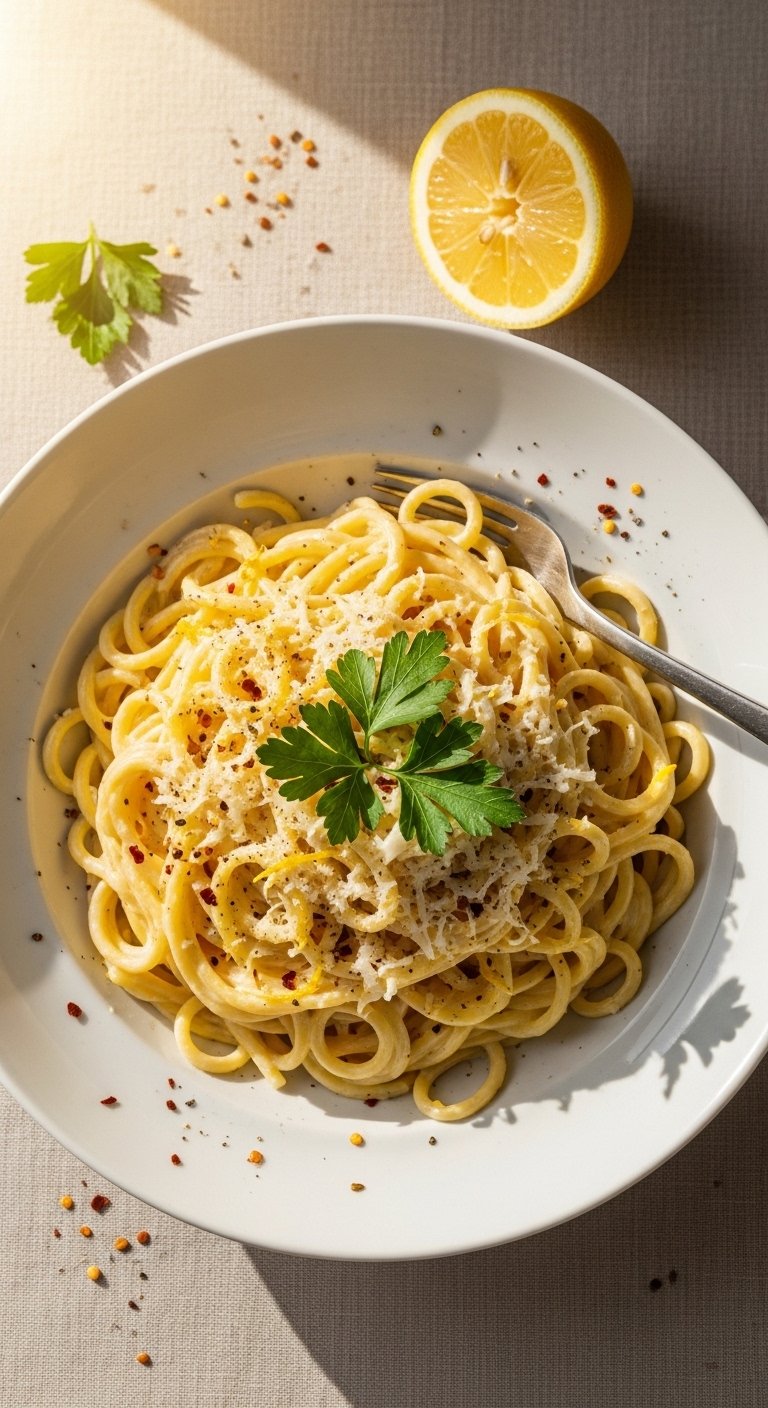
Let me tell you a little story. Last year, after a particularly grueling Tuesday—the kind where rain won’t stop, your inbox explodes, and you accidentally use salt instead of sugar in your coffee—I stumbled into my kitchen. I was defeated. No energy for a complicated recipe. No patience for a grocery run. And definitely no desire to scrub a dozen pans.
All I had was a sad, half-empty box of spaghetti, a lemon that was starting to look wrinkled, and a corner of heavy cream about to expire. I shrugged. “What’s the worst that could happen?” I tossed them together on a whim, expecting a bland, gluey disaster.
Instead, what slid onto my plate was magic. That creamy lemon pasta was so silky, so bright, and so ridiculously satisfying that I actually laughed out loud. Alone. In my kitchen. It tasted like sunshine and comfort had a baby, and that baby was wearing a cashmere sweater. From that moment on, I knew I had discovered something sacred: a dish that feels fancy enough for a date night but is stupidly easy enough for a Tuesday meltdown.
Today, I will walk you through everything. By the time you finish reading, you won’t just want to make this dish—you will be compelled to buy the right ingredients, grab your favorite pan, and transform your own gloomy evening into a celebration. Let’s dive in.
Why Creamy Lemon Pasta Deserves a Permanent Spot in Your Recipe Rotation
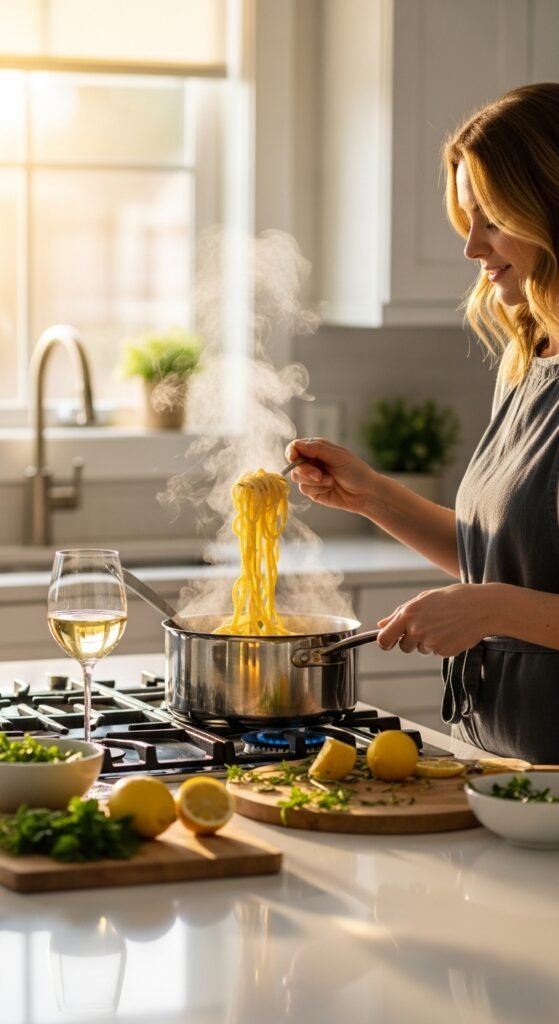
Before we get to the details, let’s talk about why this specific dish is a game-changer. You have probably made tomato pasta before. You have likely dabbled in Alfredo. But creamy lemon pasta sits in a glorious middle ground. It has the richness of a cream-based sauce, yet the lemon cuts through all that fat like a sharp little knife, leaving your palate clean, refreshed, and begging for another forkful.
Furthermore, this pasta is incredibly forgiving. Did you add too much cream? No problem—more lemon zest. Is it too tangy? A splash more pasta water fixes everything. In contrast to finicky French sauces that require a culinary degree, this recipe asks for nothing more than patience and a wooden spoon.
The Emotional Connection: Why We Crave It
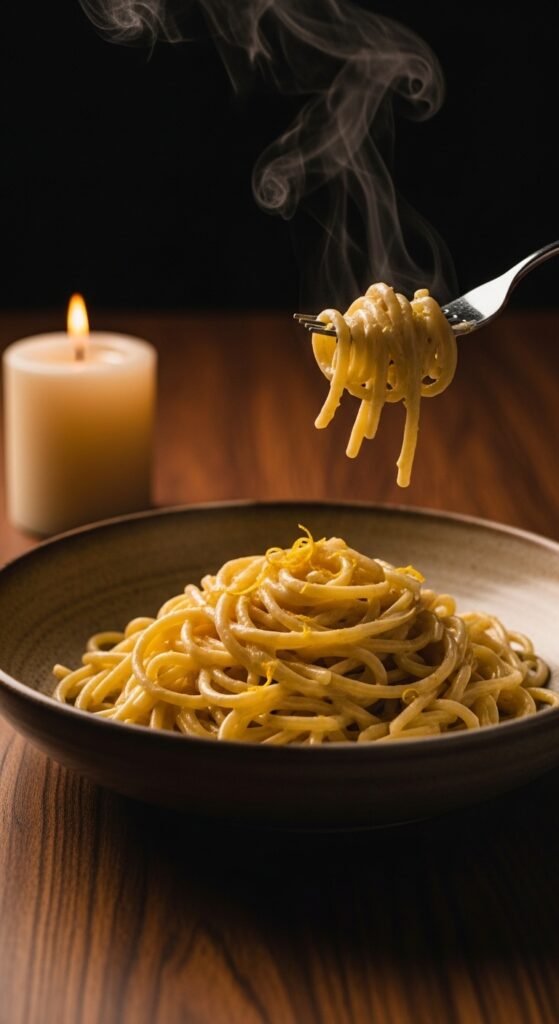
Think about the foods you truly love. They aren’t just fuel; they are memories. For me, creamy lemon pasta now represents resilience—the ability to create something beautiful from almost nothing. For you, it might become the “I got a promotion” dinner, the “we’re snowed in” cozy night, or the dish your kids actually request without whining.
Moreover, the science is on our side. Fat (the cream) carries flavor, while acid (the lemon) provides contrast. Our brains are wired to love this combination because it signals both energy and freshness. Consequently, you are not just cooking; you are hacking your own happiness.
Also Read: The Ultimate Oreo Cake Recipe: A Slice of Childhood Magic in Every Bite
The Secret Ingredients: What You Need to Buy (And Why Quality Matters)
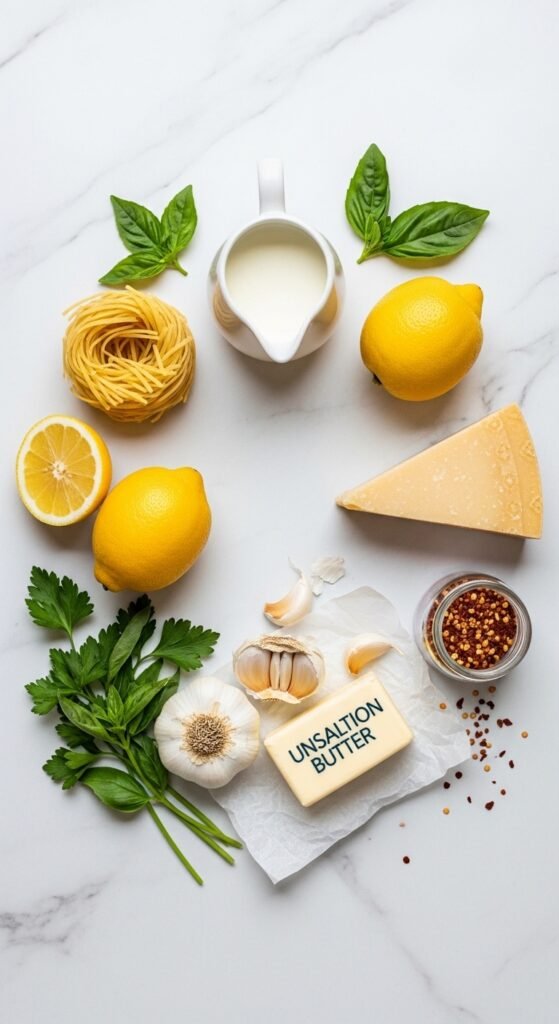
Here is where I convince you to spend a few extra dollars. You can make creamy lemon pasta with cheap ingredients, sure. But you will taste the difference. To achieve that restaurant-quality silkiness, you must be intentional with your shopping list. I have bolded the key terms below because these are the non-negotiables.
1. Pasta (The Foundation)
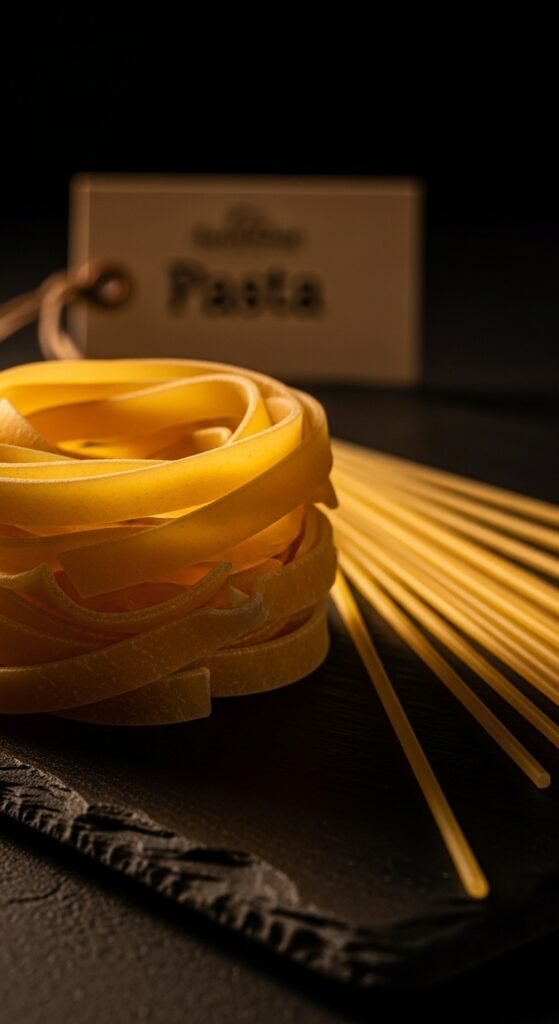
Do not grab the 99-cent box. Instead, look for bronze-die cut pasta. The rough, porous texture holds onto the creamy sauce like a hug. My favorites are fettuccine, tagliatelle, or pappardelle. However, spaghetti or linguine work beautifully too. Just promise me you will buy a brand from Italy if you can.
2. Heavy Cream (The Soul)
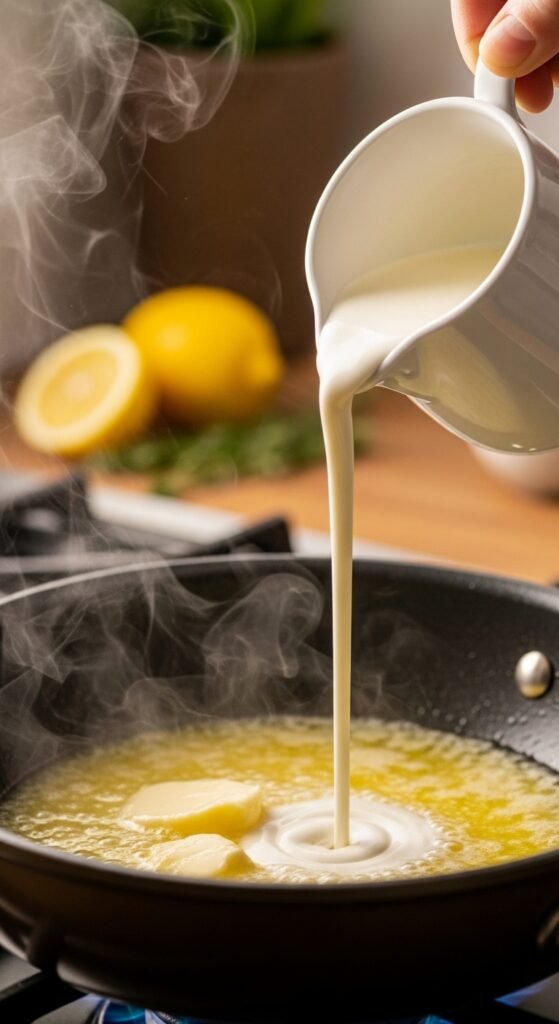
This is where people mess up. Do not use half-and-half or milk. You need full-fat heavy cream (at least 36% milk fat). The high fat content prevents the sauce from curdling when you add the acidic lemon juice. If you use low-fat options, you will end up with a grainy, sad soup. Trust me on this.
3. Fresh Lemons (The Spark)
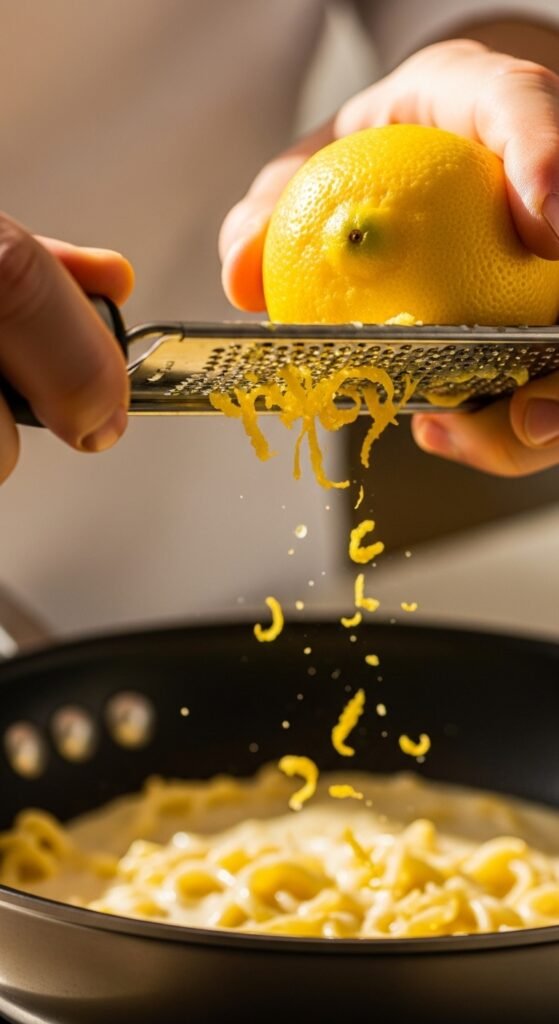
Here is the most critical rule: never use bottled lemon juice. Bottled juice tastes metallic and flat. You need the zest and juice of fresh, organic lemons. The zest contains volatile oils that provide a floral, aromatic punch that juice alone cannot mimic. Buy two lemons. Use one for juice, and the other for extra zest on top.
4. Parmigiano-Reggiano (The Umami Bomb)
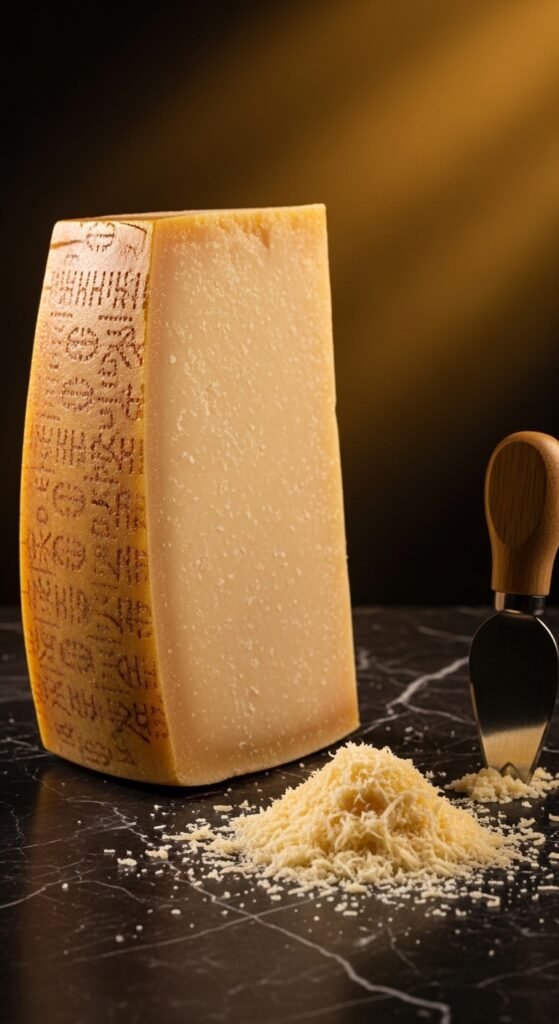
Please, for the love of all that is holy, buy a wedge of real Parmigiano-Reggiano. Not the green can. Not the shredded bag. A real wedge. The crystals in aged Parmesan melt into the sauce, acting as an emulsifier that helps the cream and pasta water bind together. It also adds a nutty, salty depth that transforms creamy lemon pasta from “good” to “unforgettable.”
5. Garlic (The Backbone)
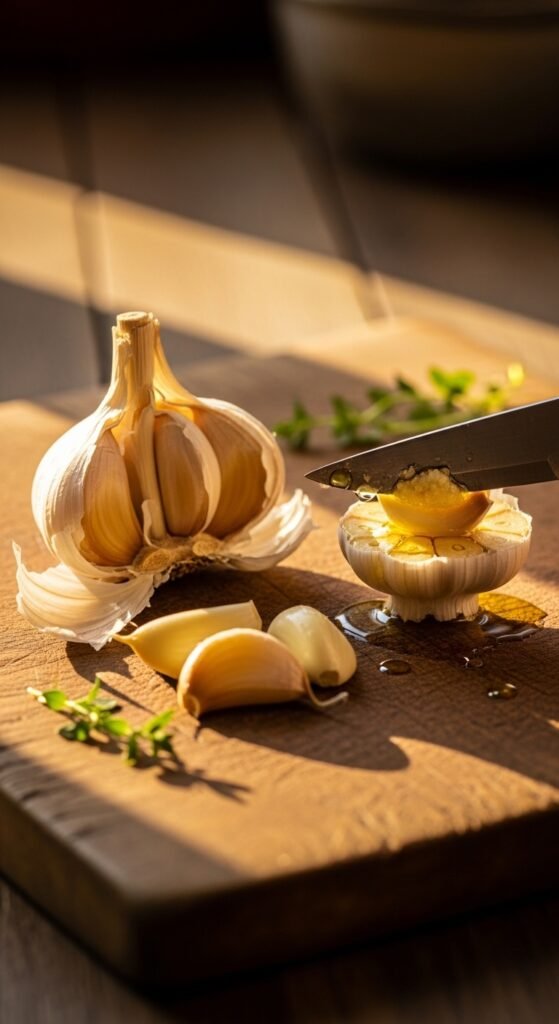
Fresh garlic cloves. Not powder. Not paste. You will gently sweat sliced or minced garlic in butter to create a fragrant base that supports the lemon without overpowering it.
6. Unsalted Butter (The Gloss)
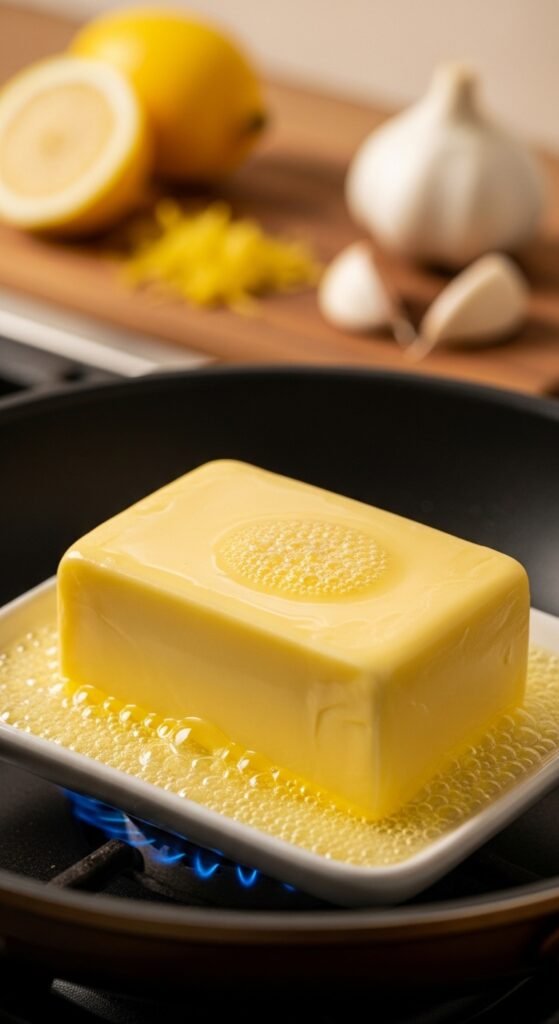
Butter adds that final sheen and richness. Salted butter can sometimes make the dish too salty after adding the Parmesan, so stick with unsalted and control the seasoning yourself.
7. Fresh Parsley or Basil (The Garnish)
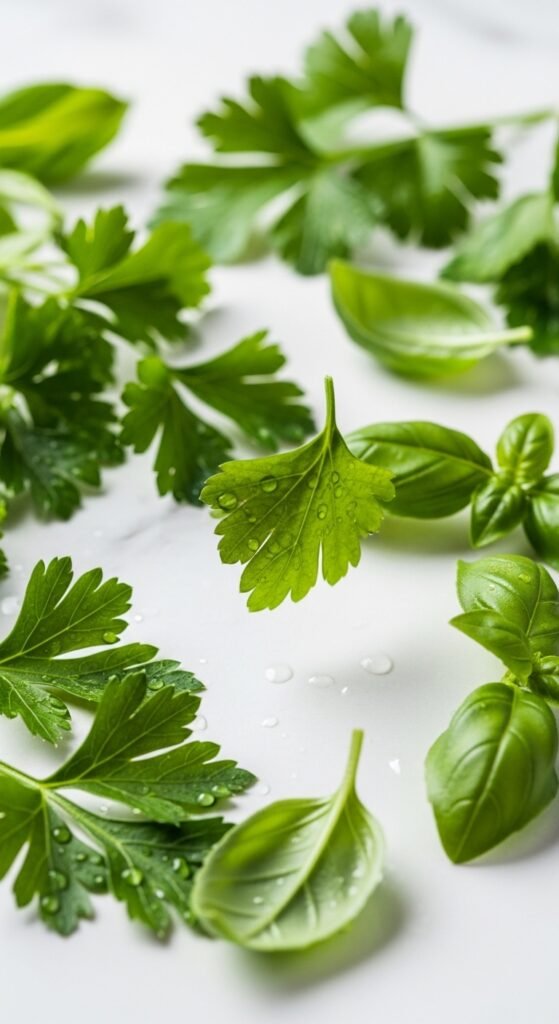
A handful of fresh, chopped herbs adds color and a peppery freshness. Flat-leaf parsley is classic, but basil works beautifully too.
8. Red Pepper Flakes (The Optional Kick)
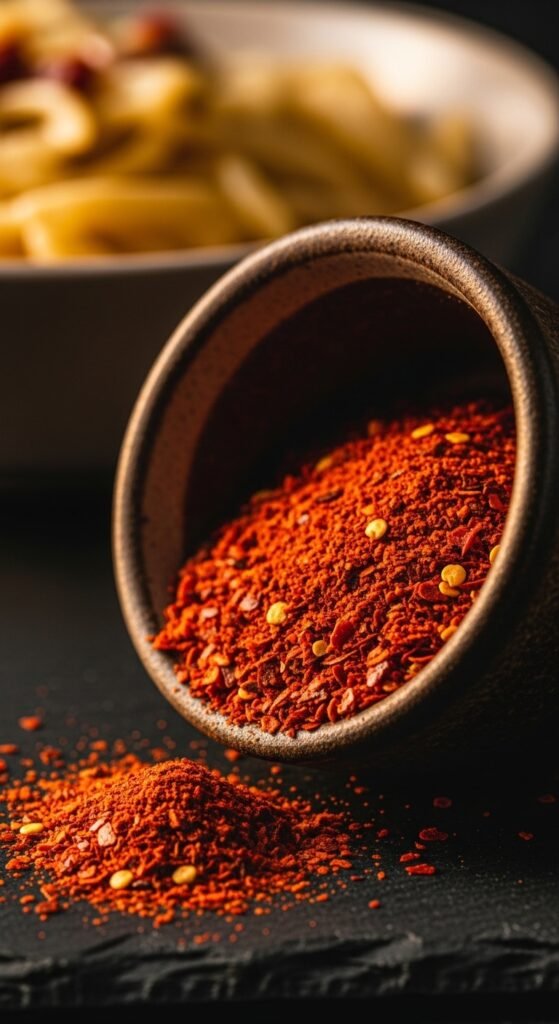
This is not traditional, but a tiny pinch of red pepper flakes provides gentle heat that makes the creamy lemon pasta sing. It wakes up your taste buds.
Step-by-Step Guide: How to Make Foolproof Creamy Lemon Pasta
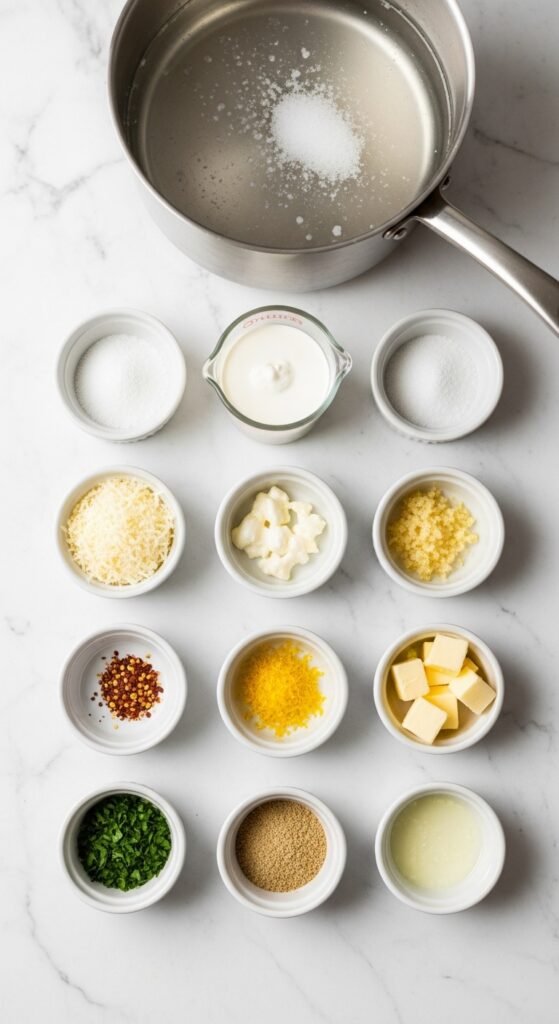
Alright, chef. Wash your hands, put on some good music (I recommend something jazzy), and let’s cook. This entire process takes about 20 minutes. Read through once, then follow along.
Phase 1: Preparation (Mise en Place)
- Boil the Water: Fill a large pot with water. Add a generous handful of salt. It should taste like the sea. Do not skimp on the salt here; this is your only chance to season the pasta from the inside out.
- Prep the Lemon: Using a microplane or fine grater, zest one whole lemon. Then cut the lemon in half and juice it. Remove any seeds.
- Grate the Cheese: Grate 1 cup of Parmigiano-Reggiano finely. Do not use the large holes on your box grater; use the small “snowflake” side so it melts instantly.
- Slice the Garlic: Thinly slice 3–4 cloves of garlic.
Phase 2: The Cooking Dance
Step 1: Cook the Pasta.
Drop your pasta into the boiling water. Set a timer for 1 minute less than the package directions. You want it al dente because it will continue cooking in the sauce.
Pro tip: Right before you drain the pasta, scoop out 1 cup of the starchy pasta water and set it aside. This liquid gold is what makes the sauce silky, not broken.
Step 2: Build the Creamy Base.
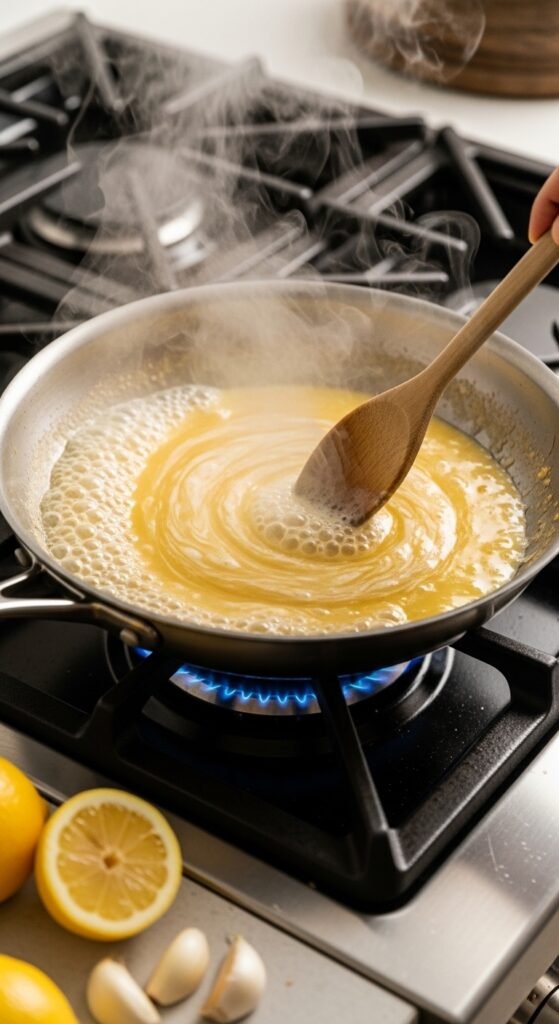
While the pasta boils, place a large skillet or sauté pan over medium-low heat. Add 2 tablespoons of unsalted butter. Once melted, add the sliced garlic. Cook for 60 to 90 seconds. You want the garlic to become fragrant and soft, but not brown. Brown garlic is bitter garlic.
Step 3: Introduce the Cream.
Pour in 1.5 cups of heavy cream. Stir gently to combine with the butter and garlic. Increase the heat to medium. Let the cream come to a low simmer (tiny bubbles around the edge, not a rolling boil). Simmer for 2–3 minutes until it thickens slightly.
Step 4: The Lemon Transformation.
Turn the heat down to low. Add the lemon zest and the lemon juice. Stir. Immediately, you will notice the sauce might look like it is separating. Do not panic. This is why we use heavy cream. Add a splash of that reserved pasta water (about 1/4 cup) and whisk vigorously. The water brings the emulsion back together, creating a glossy, unified sauce.
Step 5: The Pasta Marriage.
Using tongs, transfer the slightly undercooked pasta directly from the water into the skillet. Do not drain it first; let a little pasta water hitch a ride. Toss the pasta in the sauce. Turn the heat back to medium.
Step 6: The Cheesy Finish.
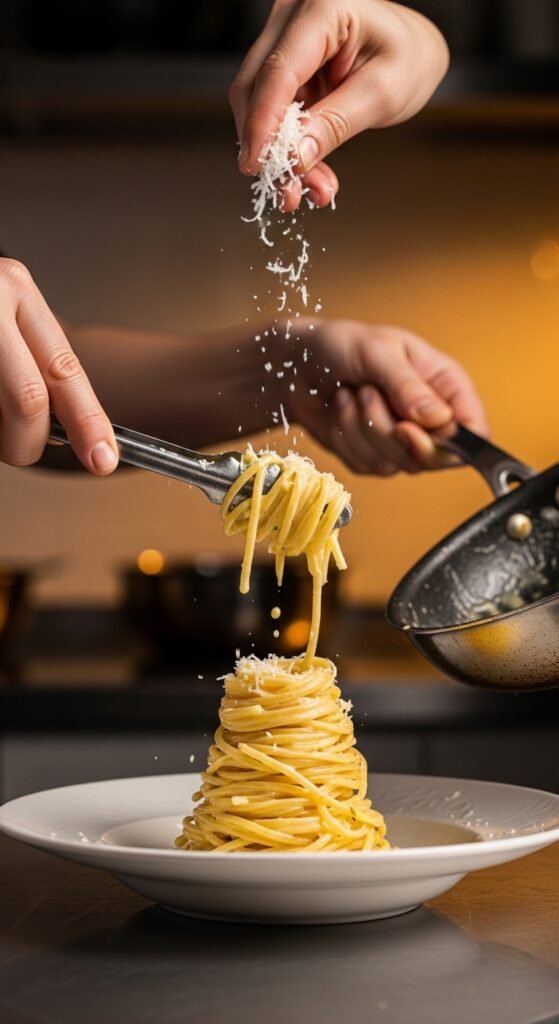
Sprinkle in the grated Parmigiano-Reggiano a handful at a time, tossing constantly. The cheese will melt, and the sauce will cling to every single noodle. If the sauce looks too thick, add another splash of pasta water. If it looks too thin, let it bubble for 30 more seconds.
Step 7: Taste and Adjust.
This is the most important step. Taste a strand of pasta. Does it need salt? Add a pinch. Does it need more brightness? Add a tiny squeeze of fresh lemon juice. Does it feel flat? Add more black pepper or a pinch of red pepper flakes.
Phase 3: Plating Like a Pro

Twirl the pasta into a nest on a warm plate (warm plates keep the sauce from cooling down and congealing). Garnish with:
- Extra lemon zest (for color and aroma).
- Freshly cracked black pepper.
- Chopped fresh parsley.
- A final tiny drizzle of extra virgin olive oil (this adds a fruity note).
Serve immediately. Creamy lemon pasta waits for no one.
Anecdote: The Dinner Party Disaster That Saved My Reputation
I need to tell you about the time I almost ruined a dinner party. I had invited my boss and her husband over for what I promised would be a “sophisticated Italian feast.” I planned a complicated veal saltimbocca that required rolling, tying, and frying. Long story short, the toothpicks snapped, the veal stuck to the pan, and I was standing in a cloud of smoke with six hungry guests arriving in 20 minutes.
Sweating profusely, I remembered the creamy lemon pasta. I had all the ingredients because I had bought lemons for a cocktail that never happened. I boiled water. I zested like my life depended on it. Within 18 minutes, I was placing bowls of shimmering, golden pasta in front of my guests.
My boss took one bite, closed her eyes, and said, “This is the best thing I have ever eaten. You have to give me the recipe.”
I never told her about the saltimbocca. As far as she knows, I am a pasta savant. The lesson? Creamy lemon pasta is your culinary parachute. It saves you from failure and turns you into a hero.
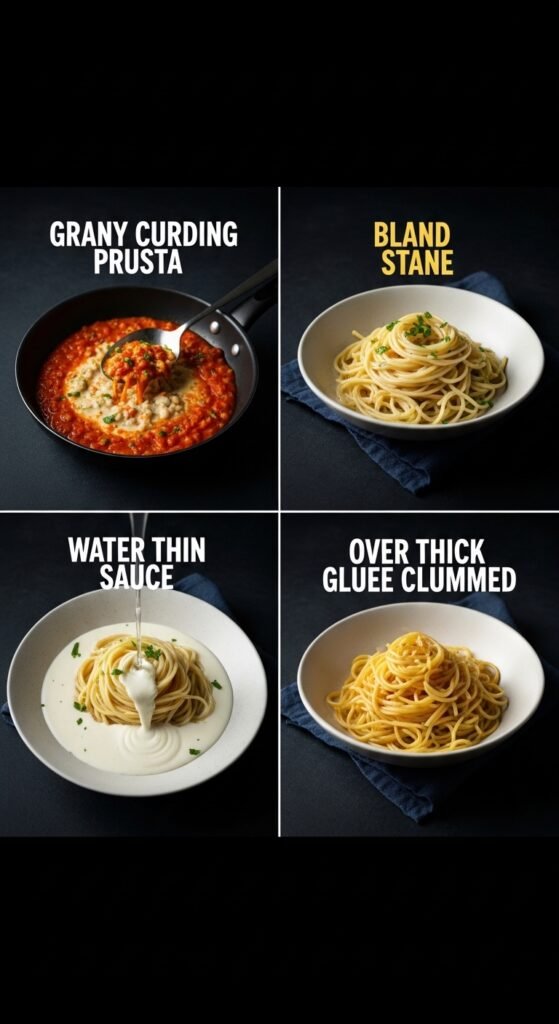
Common Mistakes (And How to Fix Them)
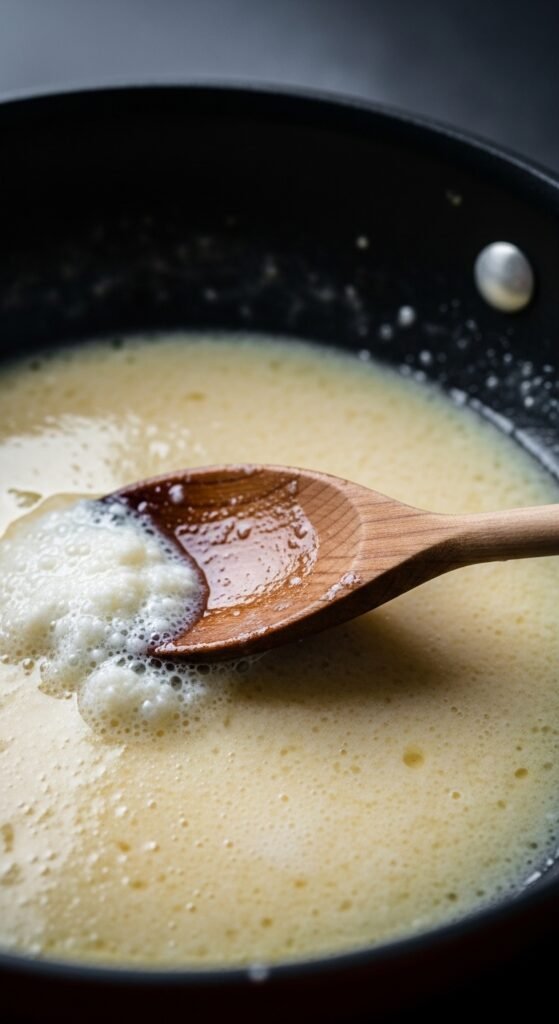
Even with a simple recipe, things can go sideways. Here is how to troubleshoot your creamy lemon pasta like a seasoned chef.
Mistake #1: The Sauce is Grainy or Curdled
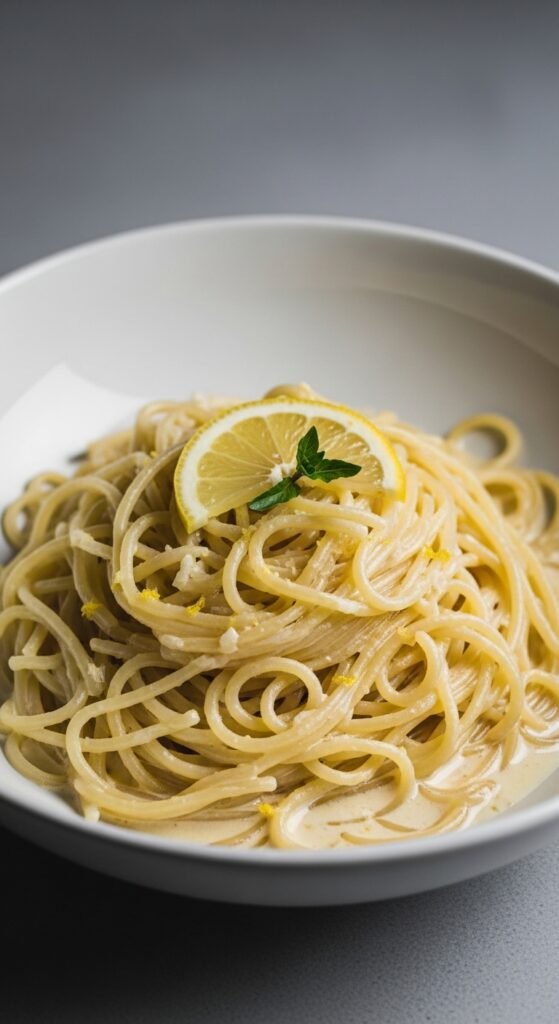
Why it happened: You used low-fat cream, or you boiled the cream too aggressively after adding the lemon. Acid + high heat + low fat = curdled milk.
The Fix: Unfortunately, you cannot fully un-curdle it. However, you can rescue it slightly by whisking in a tablespoon of cold butter and a splash of hot pasta water off the heat. Next time, use heavy cream and keep the heat at medium-low.
Mistake #2: The Pasta is Bland
Why it happened: You forgot to salt your pasta water, or you didn’t use enough Parmesan.
The Fix: Stir in a teaspoon of kosher salt and a heavy handful of cheese. Also, add more lemon zest—not juice. Zest adds flavor without acidity.
Mistake #3: The Sauce is Too Thin
Why it happened: You added too much pasta water or didn’t let the cream reduce enough.
The Fix: Turn the heat up to medium-high and let the sauce bubble uncovered for 2–3 minutes. The water will evaporate, leaving the cream behind. Stir constantly.
Mistake #4: The Sauce is Too Thick/Gluey
Why it happened: You let the pasta sit too long before serving, or you used a pasta shape that doesn’t hold sauce well.
The Fix: Loosen it with a generous splash of hot pasta water. The starch in the water will thin the sauce without making it watery.
Variations: Make It Your Own
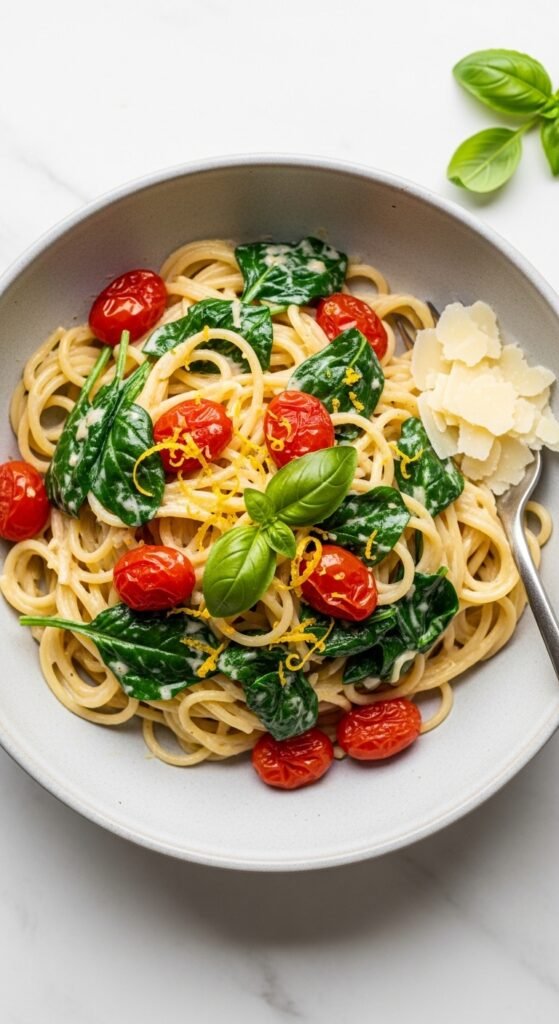
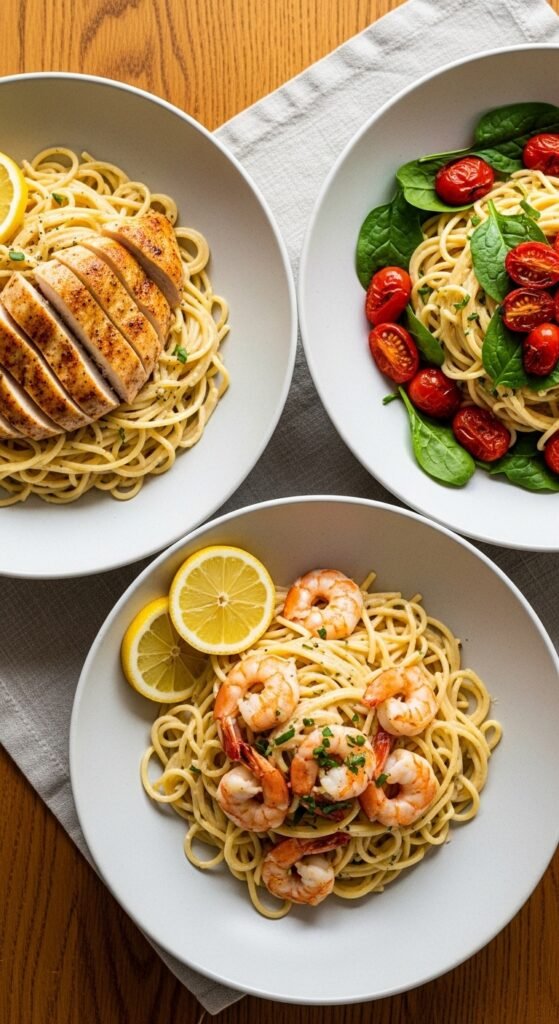
Once you master the base recipe, creamy lemon pasta becomes a canvas for other ingredients. Here are three foolproof upgrades.
1. Creamy Lemon Chicken Pasta
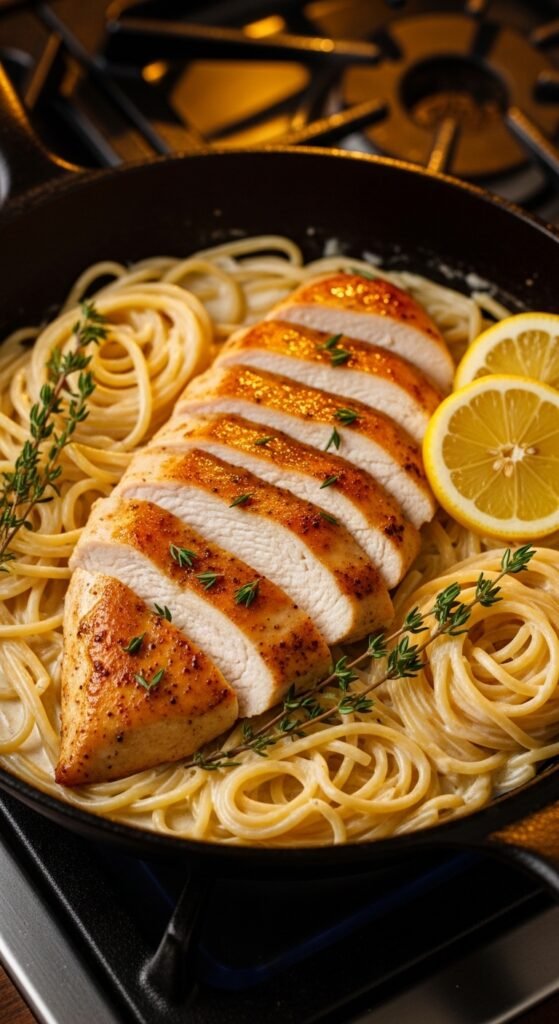
Add protein. Season two chicken breasts with salt, pepper, and dried oregano. Pan-sear them in the same skillet before you make the sauce. Remove the chicken, make the sauce, slice the chicken, and return it to the pan. The result is a complete, high-protein meal that will satisfy the hungriest teenager.
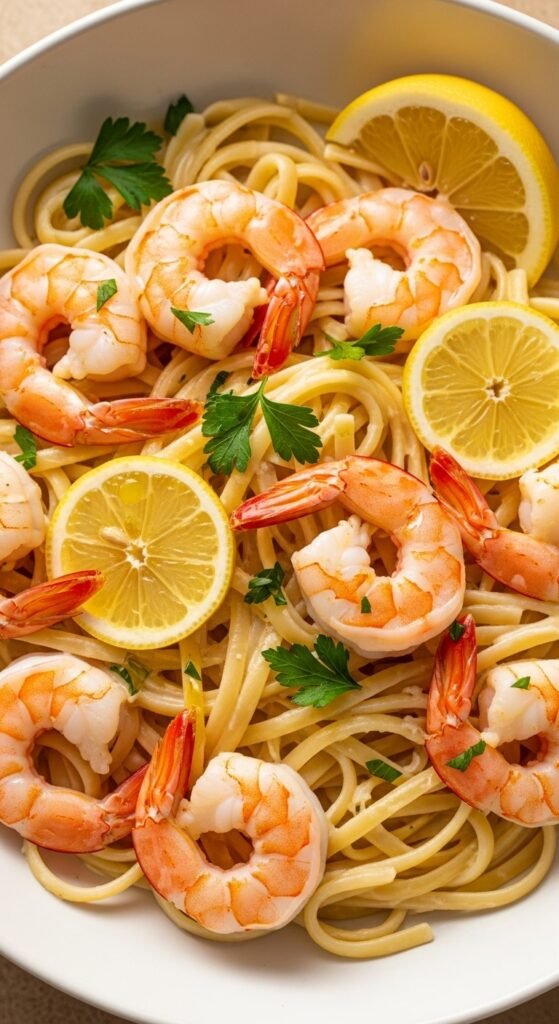
2. Creamy Lemon Shrimp Pasta
This is my personal favorite. Pat 12 large shrimp dry. Season with salt and paprika. Sauté them in butter for 60 seconds per side until pink and curled. Remove them, make the sauce, then toss the shrimp back in at the very end so they stay tender, not rubbery.
3. Vegetarian & Lighter Option
Replace the heavy cream with full-fat coconut milk (not the drinking kind, the canned kind). The result is a dairy-free creamy lemon pasta that has a subtle tropical sweetness. Add a handful of steamed asparagus or peas for color.
The Science of Silky Emulsions (For the Curious Cook)

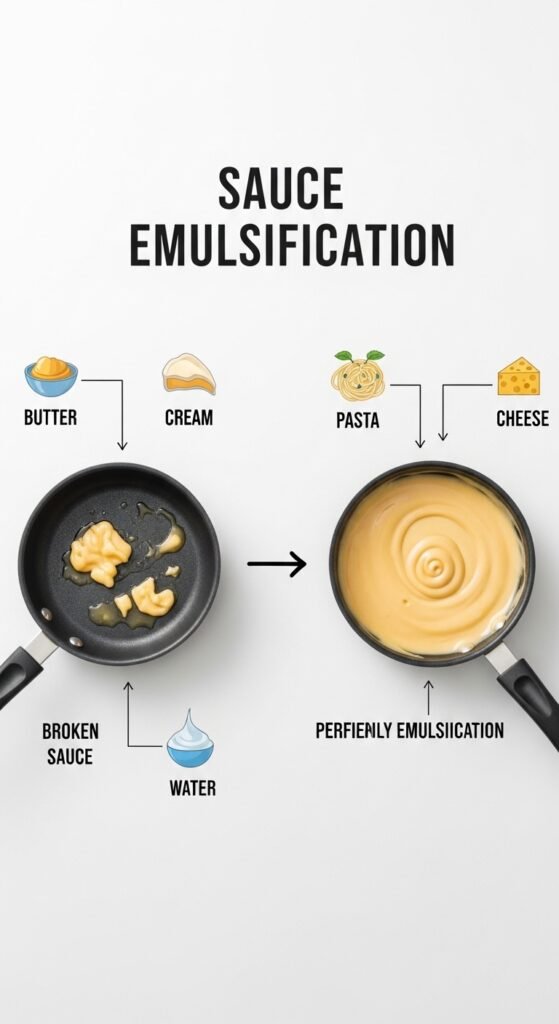
Why does this work when so many cream sauces fail? Let’s get a little nerdy. An emulsion is a mixture of two things that don’t normally mix—like oil (butterfat) and water (lemon juice, pasta water).
In creamy lemon pasta, you have three emulsifiers working together:
- Parmesan Cheese: Contains casein proteins that wrap around fat droplets and suspend them in water.
- Pasta Water: Contains starch molecules that physically get in the way of fat droplets, preventing them from clumping together.
- The Agitation: Tossing the pasta vigorously forces the fat and water to combine.
When you master this, you stop following recipes and start feeling the sauce. You will know your creamy lemon pasta is perfect when the sauce leaves a white trail on the back of a spoon and coats every noodle like a glove.
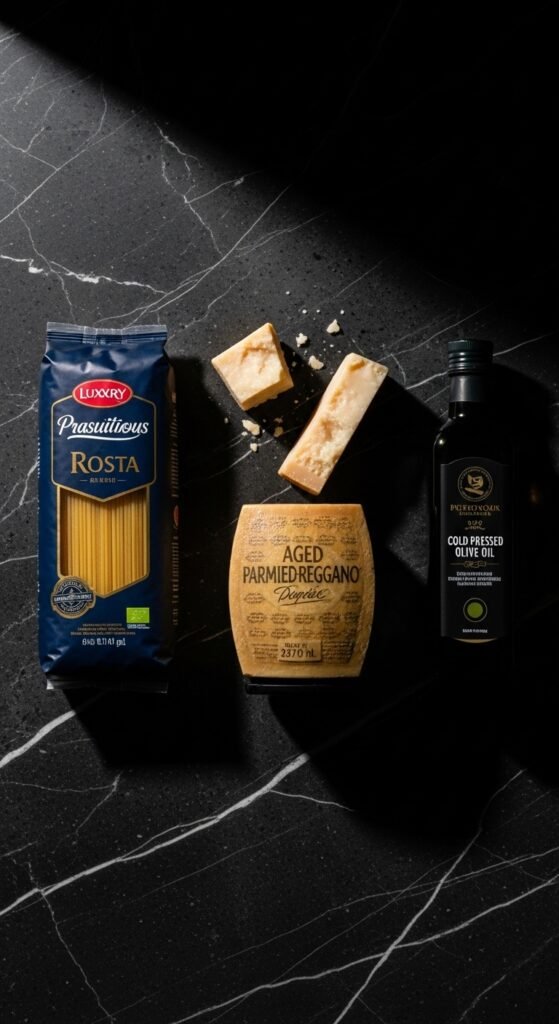
Why You Should Buy the Premium Ingredients Right Now
I want to pause here and address the elephant in the room. You might be thinking, “Can I just use the regular grocery store Parmesan and bottled lemon?”
You can. But you shouldn’t. Here is why buying the premium versions of these ingredients will change your life.
The Parmesan Difference: A block of Parmigiano-Reggiano has a complex flavor profile—nutty, salty, slightly fruity, with crunchy tyrosine crystals. The green can stuff contains cellulose (wood pulp) to prevent caking. That wood pulp will make your sauce gritty. Spend the extra money. It is worth it.
The Cream Difference: Cheap cream often contains thickeners like carrageenan or guar gum. These thickeners react unpredictably with acid, turning your sauce into pudding. Pure heavy cream has only one ingredient: cream.
The Lemon Difference: A fresh lemon costs about $0.89. A bottle of “real lemon” juice costs $3.99. The fresh lemon is cheaper and infinitely better. Plus, you get the zest, which is where 80% of the flavor lives.
By investing in these three items, you are not just buying groceries. You are buying a guarantee of success. You are buying the confidence to cook for a date, a parent, or a crowd. You are buying the ability to create creamy lemon pasta that tastes like it came from a Roman trattoria, not a dorm kitchen.
A Step-by-Step Shopping List (Take This to the Store)
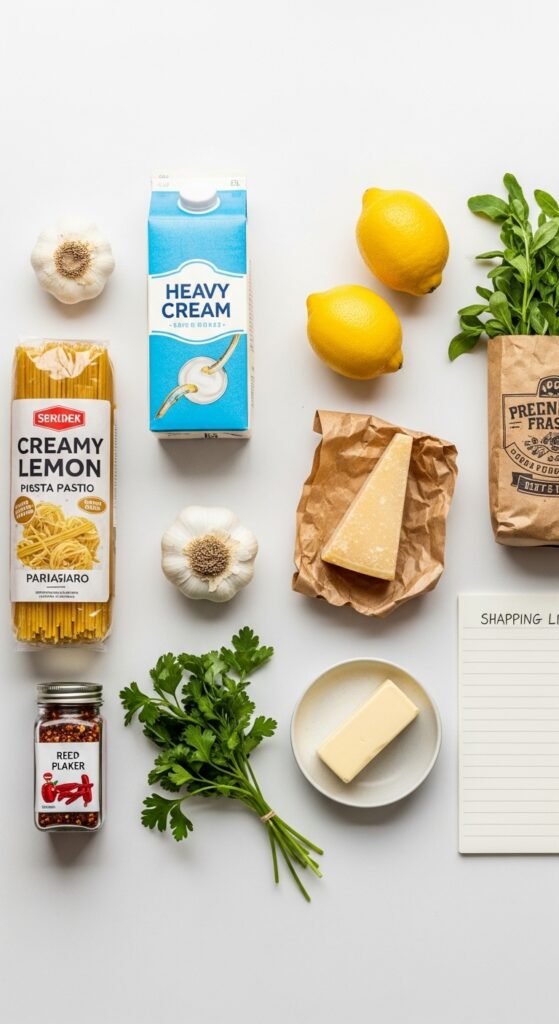
Print this section or screenshot it. Here is your exact shopping list for the perfect creamy lemon pasta:
- 1 box of bronze-die cut fettuccine or tagliatelle
- 1 pint of heavy cream (36% milk fat)
- 2 organic, unwaxed lemons
- 1 block (8 oz) Parmigiano-Reggiano
- 1 head of fresh garlic
- 1 stick unsalted butter
- 1 bunch fresh parsley
- Optional: Red pepper flakes, black peppercorns
Total cost: Approximately $16–$23
Cost per serving (serves 4): $4–$6
Compare to a restaurant: A similar dish in a nice restaurant costs $18–$24 per plate. You are saving 75% and getting a better result.
Frequently Asked Questions (FAQ)
Q: Can I make creamy lemon pasta ahead of time?
A: Not really. Cream sauces don’t reheat well because the fat separates. However, you can prep everything in advance (zest, juice, grate cheese, slice garlic). Then cook and serve immediately. Leftovers are okay, but the texture will be thicker. Reheat gently with a splash of milk.
Q: Is this dish too heavy for summer?
A: Actually, no. Because of the lemon, it is one of the few creamy pastas that feels appropriate on a warm evening. Serve it with a crisp green salad and a glass of Pinot Grigio.
Q: My family hates strong lemon flavor. Can I reduce it?
A: Absolutely. Use only the zest and half the juice. You will still get the aromatic quality without the pucker. You can always add more lemon at the table.
Q: What wine pairs with creamy lemon pasta?
A: You want a wine with high acidity to match the lemon. Try Pinot Grigio, Sauvignon Blanc, or a dry Vermentino. Avoid oaky Chardonnay—the oak and cream fight each other.
The Final Persuasion: Why You Need to Cook This Tonight
Let me level with you. Life is too short for boring food. It is too short for the same jarred marinara sauce you have been eating since college. You deserve a meal that feels like an event yet doesn’t exhaust you.
Creamy lemon pasta is that meal. It is proof that simplicity is the ultimate sophistication. It requires no exotic equipment, no culinary degree, and no hours of labor. It asks only for your attention for 20 minutes.
Think about the feeling you want tonight. Do you want to slump on the couch with takeout that arrives lukewarm and sad? Or do you want to stand over a skillet, watching as butter melts, cream bubbles, and lemon zest releases its perfume into your kitchen? Do you want to be the person who texts a photo of their dinner to a friend, just to make them jealous?
I know which one I choose. And after reading this guide, I suspect you are ready to choose it too.
Your Call to Action
Here is what I want you to do right now. Close this article. Go to your kitchen. Check if you have lemons and cream. If you do, start boiling water. If you don’t, grab your keys and drive to the store. Buy the good stuff. Buy the Parmigiano-Reggiano. Buy the heavy cream. Buy the fresh lemons.
Then come home. Put on that jazz playlist. Pour a glass of white wine. And make the creamy lemon pasta that is going to change how you think about weeknight dinners.
When you take that first bite—when the silky, tangy, rich sauce hits your tongue—you are going to smile. And you are going to whisper, just like I did, “Why didn’t I make this sooner?”
Go cook. You have got this.